
Not sure where to start? Browse Japan’s most popular experiences by type — pick what you want to do, and jump to the best options across Tokyo, Kyoto, Osaka, Hokkaido and beyond, with tickets you can book online in advance.


Last updated: 2026-08-07
Some of what makes a trip to Japan memorable is not a place at all but something you do: eating standing up at a counter that seats eight, sitting on a cushion while a kettle comes to the boil, walking barefoot through shin-deep water in a darkened room. This page groups the experiences worth planning around, with notes on how booking generally works and which ones need arranging before you arrive.
How booking experiences in Japan works
The pattern varies more than visitors expect. Museums and observation decks usually sell timed entry online and rarely sell out except at peak periods. Anything with a fixed capacity and a schedule — a cooking class, a tea ceremony, a guided walk — typically needs booking days or weeks ahead, and the popular operators fill first. A handful of experiences require paperwork you can only sort out at home, which is the category most likely to derail a plan. English-language support is common in Tokyo, Kyoto and Osaka and thins out in smaller cities, so check what language a session is conducted in before you commit. Cancellation terms differ by operator rather than by category, and weather-dependent activities usually have their own separate policy.
Food and drink
Eating is the experience most travellers rank highest, and it does not have to mean an expensive restaurant. Cooking classes and food tours are widely available and are often the fastest way to understand why a dish is made the way it is, particularly for ramen, sushi and okonomiyaki. At the more formal end, a tea ceremony is a genuinely different register: quiet, slow, and structured around etiquette rather than flavour. Sake brewery visits cluster around Nada in Kobe and in Niigata and Fushimi. Market walks in Tsukiji, Kuromon and Nishiki work well as unguided alternatives if you would rather not join a group.
Traditional culture
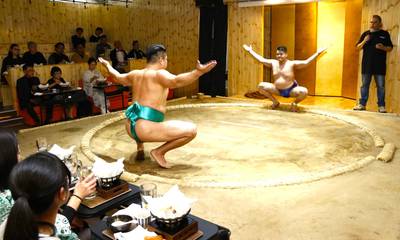
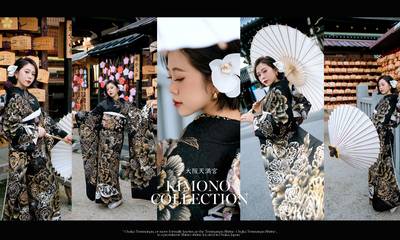
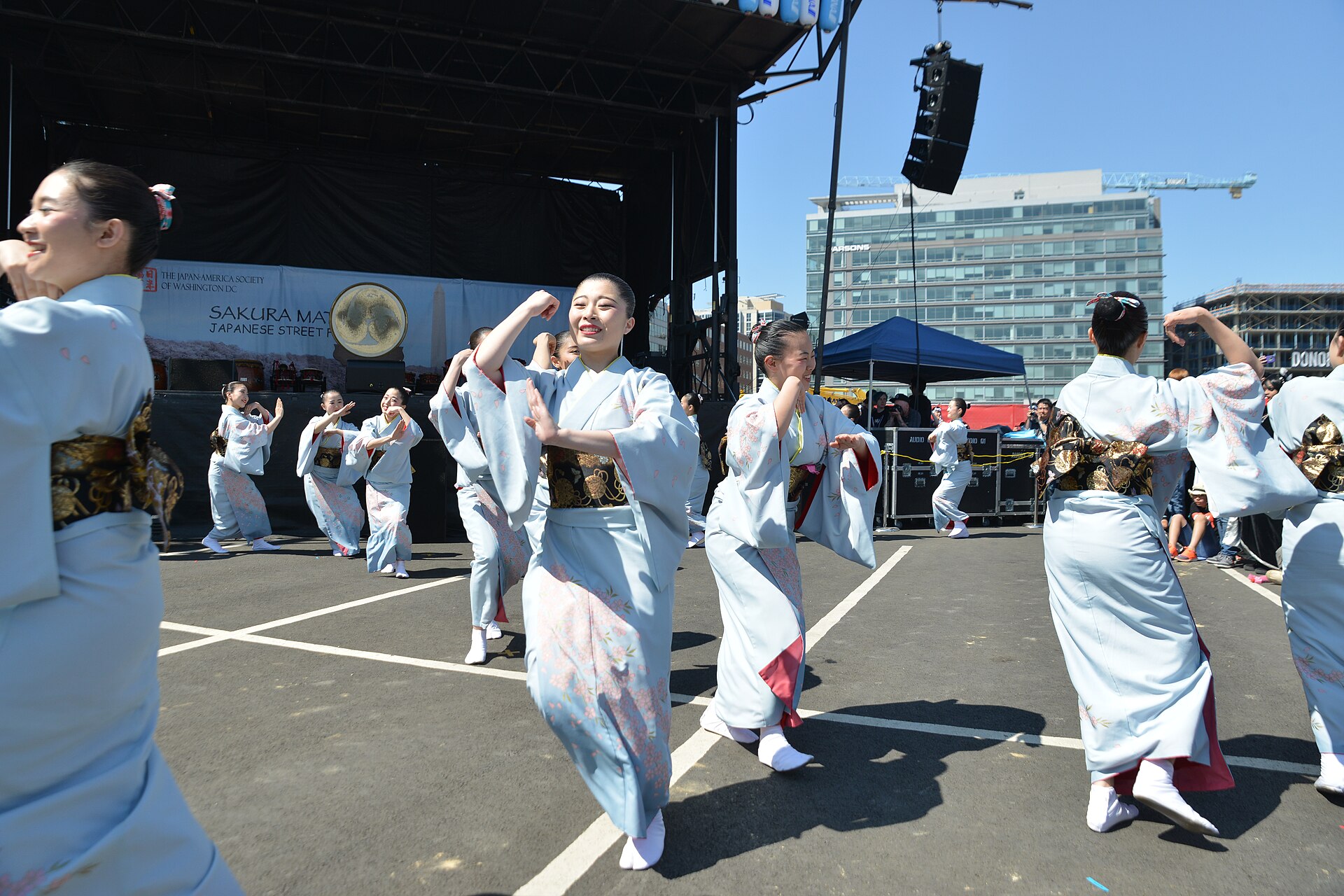
Two things worth knowing here are that the calendar controls one of them and licensing controls none of them. Sumo runs six tournaments a year on fixed dates, and outside those dates the only way to see wrestlers is a morning practice visit or a demonstration show. Kimono rental has no such constraint and is available year-round in Kyoto, Asakusa, Kanazawa and Kamakura, though it changes how far you can comfortably walk. Both are best treated as half-day commitments rather than something to slot between other plans.
Hot springs, water and the outdoors
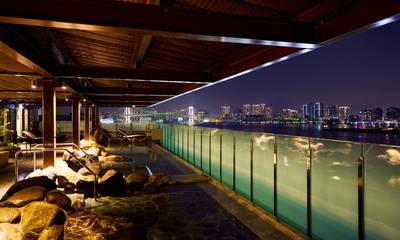
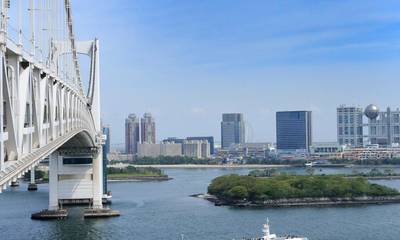
Japan has thousands of hot springs, and the difference between them is real rather than marketing: water chemistry, indoor versus outdoor baths, and whether a town is built around bathing or simply has a bath. Etiquette matters more than at most attractions, and the tattoo question still varies by facility, so it is worth checking a specific bathhouse rather than assuming. On the water, sightseeing boats and cruises operate on the Seto Inland Sea, around Hakone, in Tokyo Bay and along the Sumida River, and they tend to be weather-dependent in a way that indoor attractions are not.
Modern Japan and days out with children
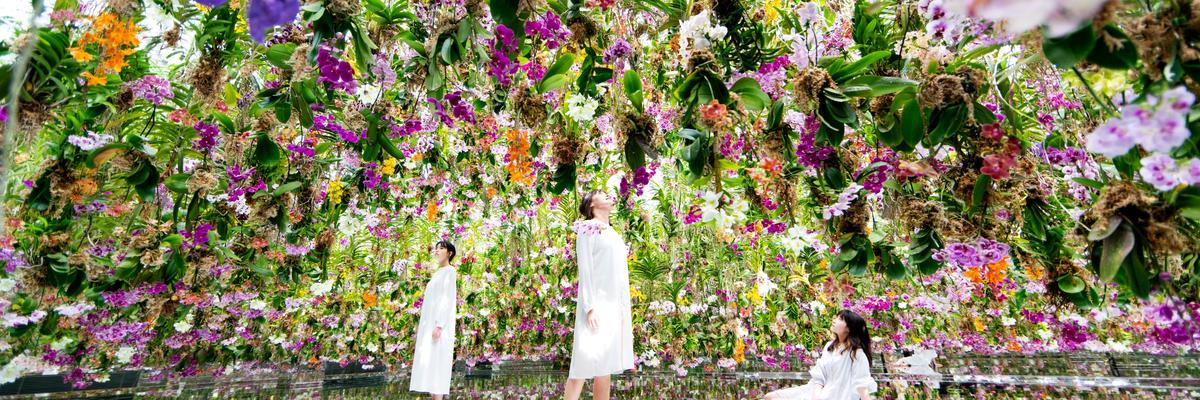
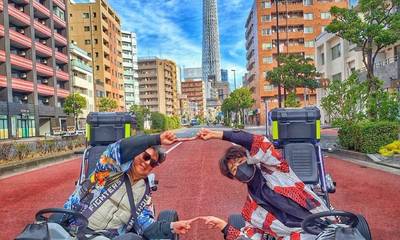
This is where Japan is least like anywhere else. Digital art museums put you inside room-scale projected installations rather than in front of framed work. Theme parks range from two of the busiest resorts in the world to regional parks few foreign visitors reach. Aquariums are unusually good here and are among the more dependable wet-weather options. Observation decks are worth timing for dusk rather than midday. And street go-karting is the one experience on this list that genuinely requires documents obtained before you travel, so read the licensing notes early if it appeals.
Fitting experiences around travel days
The practical constraint on most itineraries is not money but transit time. A cooking class in Kyoto and an evening in Osaka work together; a sumo tournament in Fukuoka and a morning in Tokyo do not. If you are moving between regions, rail passes and the regional train guides are worth reading before you fix any bookings, because journey times decide what is realistic. As a rule of thumb, book the fixed-schedule things first and arrange the flexible ones around them.