
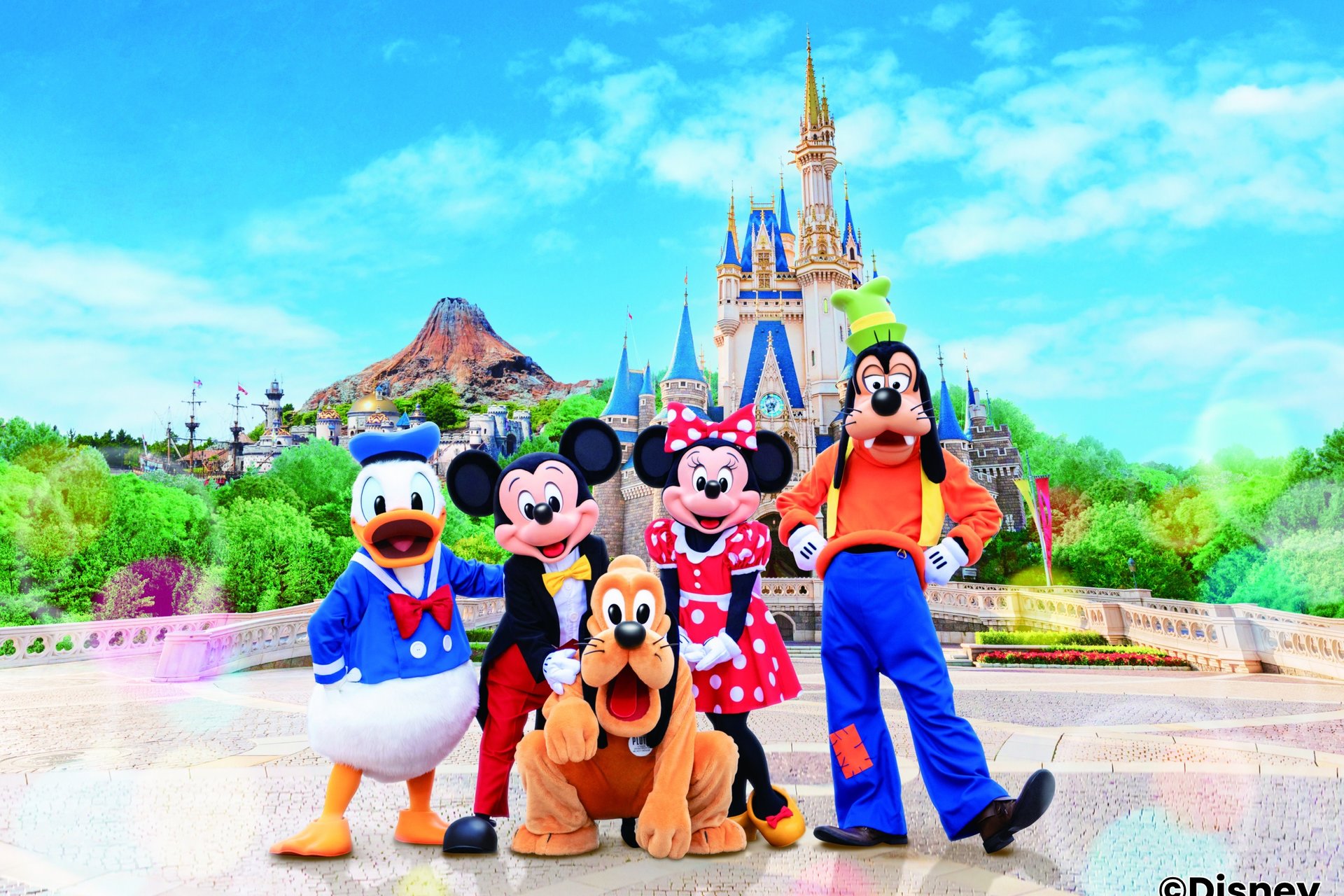
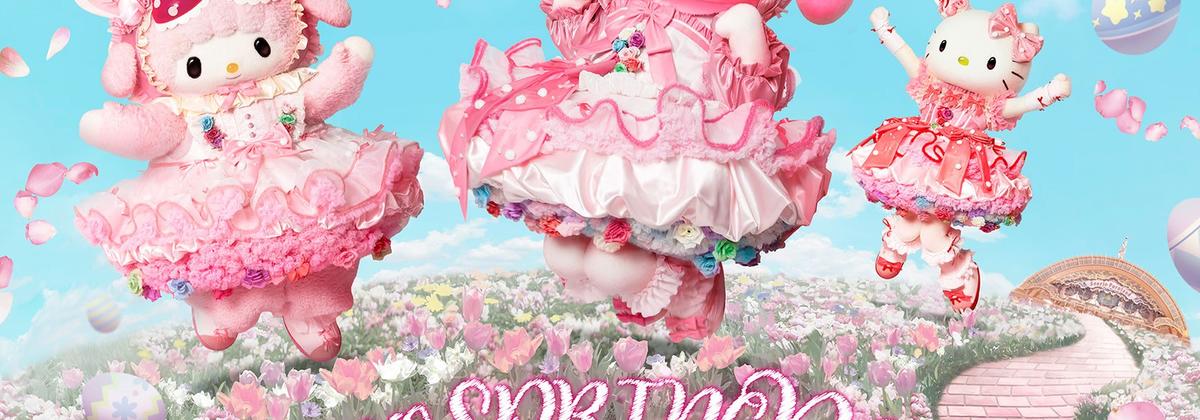
Tokyo and Osaka host Japan’s major theme parks and attractions, from large-scale destinations like Tokyo Disney Resort and Universal Studios Japan to character-themed venues such as Sanrio Puroland and LEGOLAND Discovery Center Osaka. The lineup covers families with young children, teens, and pop-culture fans, with options ranging from full-day parks to compact city attractions like Tokyo Dome City and KidZania Tokyo.
Book online
Reserve ahead to secure your slot. Prices are a guide (from, USD); check the current price on Klook.
Tokyo
Osaka
Affiliate links — we may earn a commission at no extra cost to you.
Good to know
- Tokyo Disney Resort and Universal Studios Japan are large, full-day parks, so it’s best to plan a separate day for each rather than combining them with other stops.
- An Express Pass at Universal Studios Japan can reduce wait times on popular rides, which is especially useful on weekends and during school holidays.
- Sanrio Puroland, KidZania Tokyo, and LEGOLAND Discovery Center Osaka suit younger children, while Tokyo Joypolis and Tokyo Trick Art Museum work well for older kids and teens.
- Booking tickets in advance is recommended for Tokyo Disney Resort and Universal Studios Japan, since daily entry can be capped on busy dates.
Japan’s theme parks range from two of the busiest resorts in the world to regional parks that see almost no foreign visitors. What they have in common is that admission is increasingly managed by dated tickets bought in advance, so the days of deciding on the morning and turning up at the gate have largely passed at the major venues.
The major parks
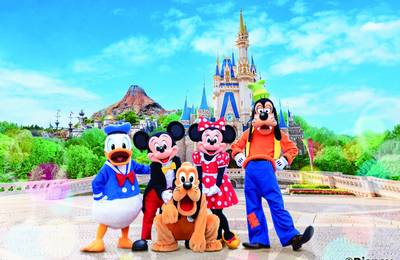
Tokyo Disney Resort in Chiba runs two parks — a classic-format Disneyland and DisneySea, which exists nowhere else and is built around a series of nautical harbours. Universal Studios Japan in Osaka is the other large resort, known for its Wizarding World and Nintendo areas. Beyond those, Fuji-Q Highland sits beneath Mt Fuji and is built around record-setting roller coasters, Nagashima Spa Land in Mie combines a large coaster park with hot springs and an outlet mall, and Huis Ten Bosch in Nagasaki recreates a Dutch town. Ghibli Park near Nagoya and Sanrio Puroland in Tokyo are gentler, character-led options.
Tickets and timing
Both major resorts sell date-specific tickets through their official channels, with entry numbers managed by demand, and buying at the gate on the day is not reliable. Paid priority-access systems now operate alongside free standby queues at most parks, and the official apps are close to essential for managing either. Ghibli Park in particular uses a lottery or timed-entry system that requires applying well in advance. Peak periods include Japanese school holidays, Golden Week in early May, the August obon period and the run-up to New Year — these are the days to avoid if you have any flexibility.
Choosing what suits your group
DisneySea and Ghibli Park reward visitors who care about detail and atmosphere more than ride intensity, and Ghibli Park in particular is a walking experience rather than a ride park, which surprises some families. Fuji-Q and Nagashima are the choices for serious coaster riders. Sanrio Puroland is almost entirely indoors, which makes it a dependable rainy-day option in Tokyo. If you are travelling with small children, the parks with height restrictions on headline attractions are worth checking in advance, since these vary and are strictly enforced.
Related guides
Last updated: 2026-08-07
The ticket rules changed, and the gate is no longer a fallback
This is the part that catches returning visitors. Admission at the big parks is now managed by dated tickets bought in advance, and turning up hoping to buy at the entrance no longer works.
At Tokyo Disney Resort, dated tickets go on sale roughly two months ahead through the official site and app, you need a free account to buy them, there is a cap on how many you can buy at once, and the on-site ticket booth is closed. Customer-requested cancellations are not offered either, so a date change is not a simple matter. Treat the purchase as committing to that day.
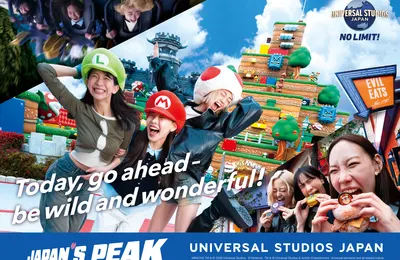
Universal Studios Japan also sells date-based entry, with the price varying by date. Its Express Pass — the paid line-skip for the headline rides — is a separate purchase with selectable time slots, and on peak dates it sells out well before the entry tickets do.
Ghibli Park near Nagoya is not on this page but works the same way, only stricter: fully reservation-based, with tickets for each month released about two months ahead and a timed slot for the warehouse area. It is also a walking experience rather than a ride park, which regularly surprises families who booked it expecting the latter.
Two resorts that need their own day
Tokyo Disney Resort at Urayasu runs two separate parks. DisneySea exists nowhere else in the world and is built around a set of nautical harbours; the resort also carries its own hotels, a shopping complex and a monorail, so staying inside it is easy. Universal Studios Japan in Osaka is the other anchor, with the Wizarding World, Super Nintendo World and the Minions behind one entry pass.
Each of these is a full day on its own. Two parks in one day is not realistic, and pairing either with other sightseeing makes for a long, thin day.
The smaller parks are the rainy-day answer
The rest of this page exists for half days and bad weather, and a few have rules worth knowing before you travel across a city.
- Sanrio Puroland (west Tokyo) — an entirely indoor Hello Kitty park with a boat ride, shows and a parade. Fully covered.
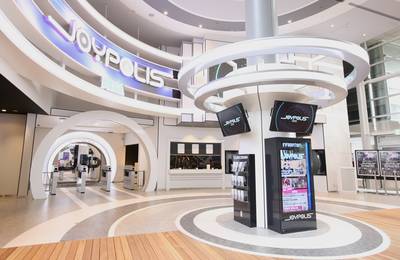
- Tokyo Joypolis (Odaiba) — a large indoor arcade-park with an indoor coaster and VR attractions. Two to four hours, and the day pass allows re-entry.
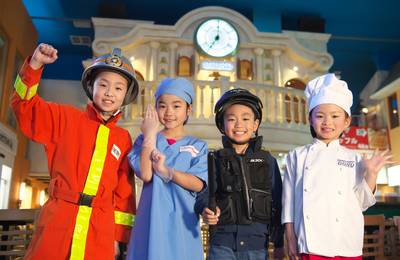
- KidZania Tokyo (Toyosu) — a role-play city for children, where they take on jobs and earn a park currency. Wednesdays are English Day, when around half the activities run in English — a significant difference if your children do not speak Japanese. Three to five hours.
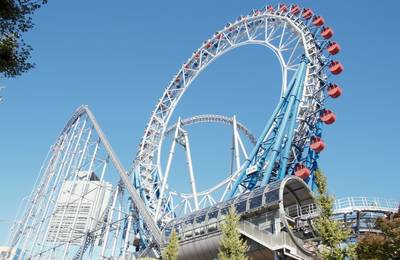
- Tokyo Dome City Attractions (Bunkyo) — a compact outdoor park beside the baseball stadium, built around one large coaster and a big wheel.
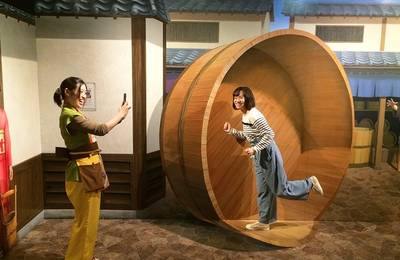
- Trick Art Museum (Odaiba) — an optical-illusion gallery where the point is photographing yourself inside the pictures.
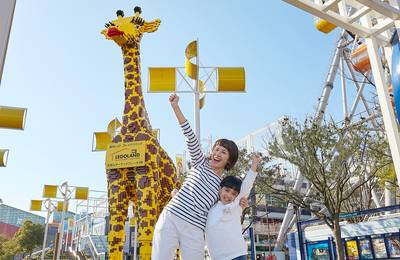
- LEGOLAND Discovery Center Osaka (near Namba) — small and indoor, two to three hours. Adults must be accompanied by a child; adult-only groups are not admitted, which disappoints a steady stream of grown-up LEGO fans.
- Hirakata Park (north Osaka) — a classic regional amusement park with a large Ferris wheel, a summer pool and winter illumination.
Picking by who you are travelling with
Coaster riders — USJ for the headline rides, with Hirakata Park and Tokyo Dome City as shorter alternatives.
Young children — Sanrio Puroland, KidZania and LEGOLAND. Check height limits on the bigger rides before you promise anything: they are enforced strictly and differ between parks.
A wet day in Tokyo — Puroland and Joypolis are fully indoors. See also Tokyo with kids.
Atmosphere over rides — DisneySea, and Ghibli Park if you are near Nagoya.
Peak dates are the same across all of them: Japanese school holidays, Golden Week in early May, the mid-August obon period and the approach to New Year. Shifting your dates away from those does more for both queues and price than any other single decision.
Ticketing rules above follow the parks’ official information as of August 2026. Sale windows, account requirements and pass structures are revised regularly — check the park’s own site before planning around a date.