
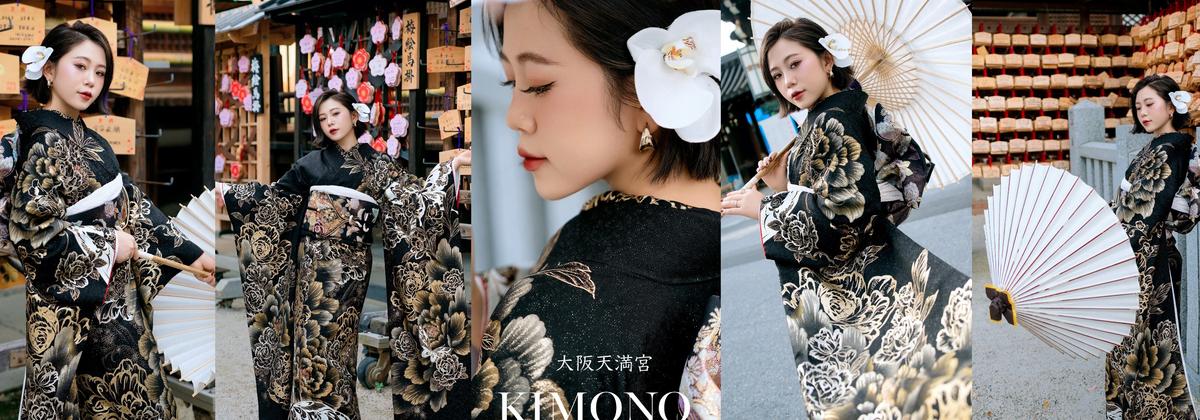
Renting a kimono or yukata for a few hours is one of the most popular things to do in Japan — the shop dresses you (hair styling optional) and you explore the old streets and shrines, returning it the same day. Kyoto is the classic spot, but Tokyo (Asakusa), Osaka, Kanazawa, Kamakura, Nara and more all have rental shops too.
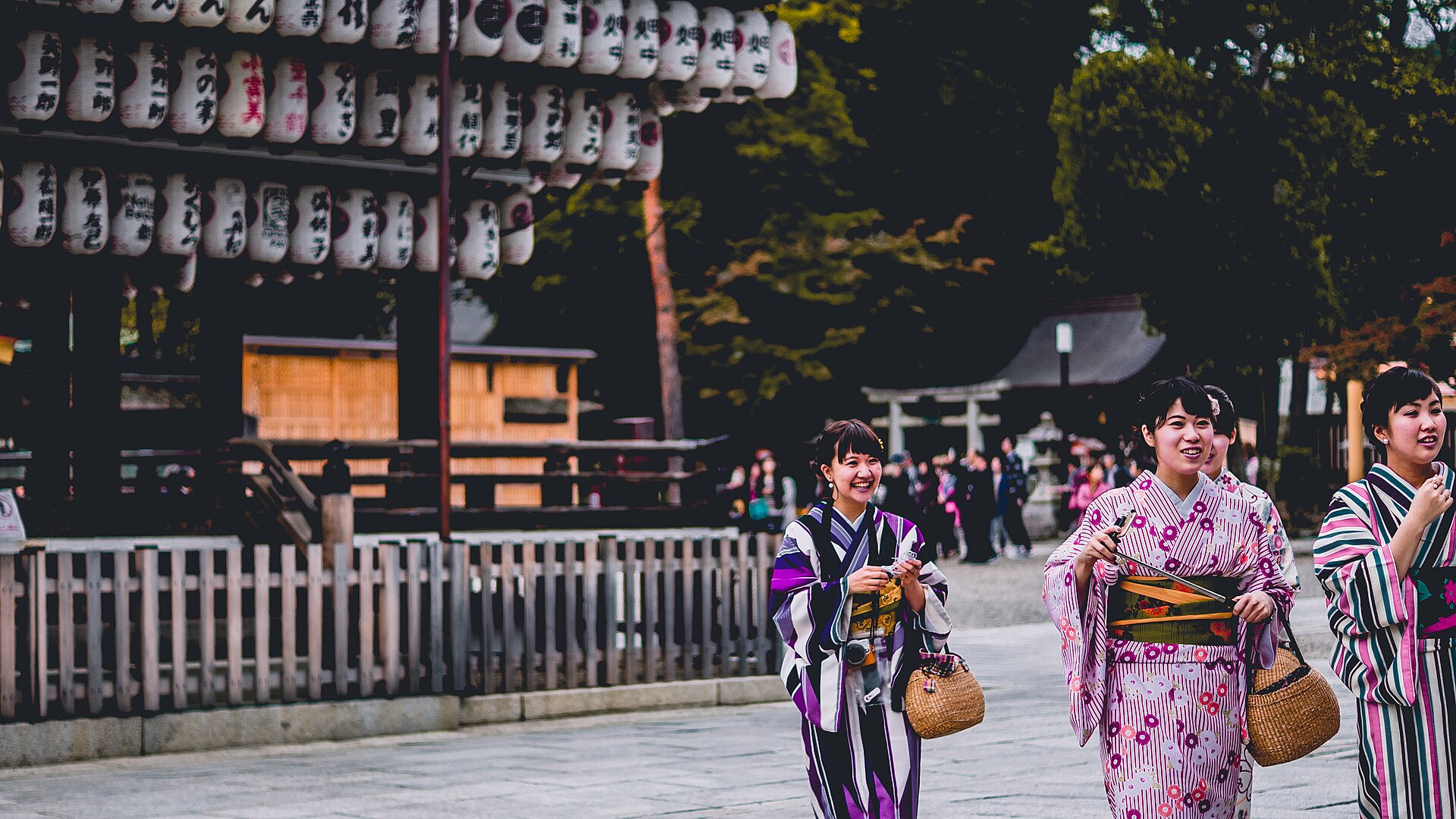
Book a kimono rental
Reserve online ahead to lock your slot. Prices are a guide (from, USD); check the current price on Klook.
Kyoto
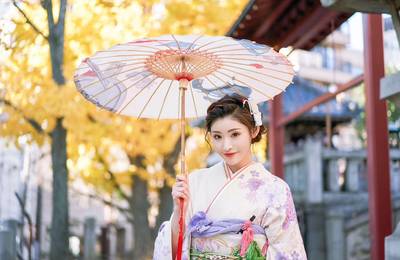
Tokyo (Asakusa)
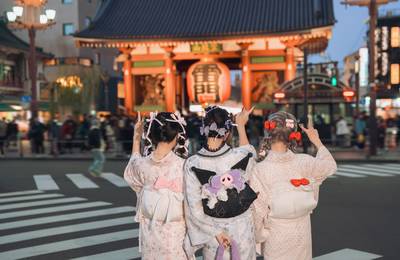
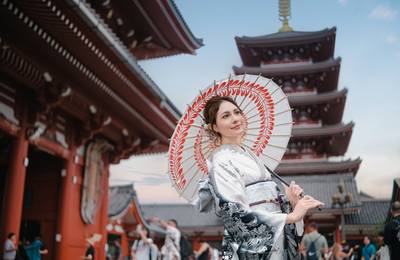
Osaka
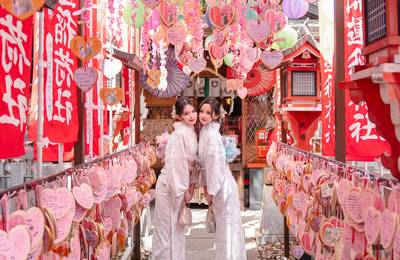
Nara

Sapporo
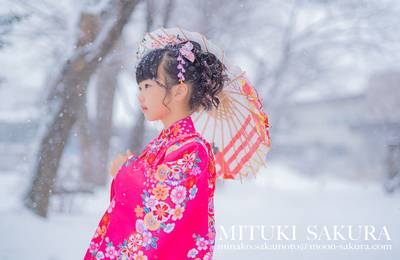
Affiliate links — we may earn a commission at no extra cost to you.
Kanazawa
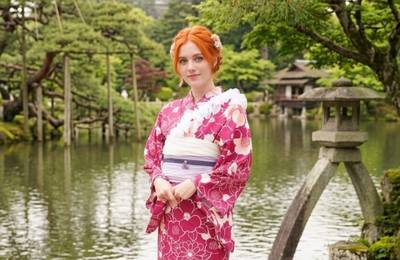
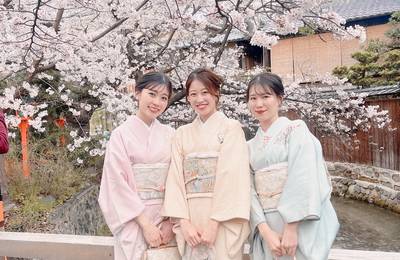
Kamakura
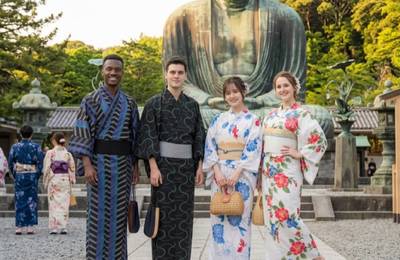
Kawagoe (Little Edo)
Good to know
- Best areas: Kyoto’s Gion, Higashiyama (Kiyomizu-dera / Yasaka Shrine) and Arashiyama; Tokyo’s Asakusa around Senso-ji.
- Usually included: kimono/yukata, obi belt, sandals and bag; hair styling and photos are often optional add-ons.
- Book ahead for weekends and the cherry-blossom / autumn-leaf seasons, and allow 30–60 minutes to get dressed.
- Most rentals are same-day returns — pick a plan whose deadline fits your day.
Renting a kimono for a day is one of the more accessible ways to engage with traditional dress, and rental shops cluster in the districts where the result photographs best. The experience is straightforward — you choose a garment, staff dress you, and you return it that evening — but a few practical details make a noticeable difference to how the day goes.
Where to rent
Kyoto is the obvious centre, with shops concentrated around Gion, Higashiyama and Kiyomizu-dera, and the historic streets there are what most people have in mind. Asakusa in Tokyo is the other major cluster, with Senso-ji and the surrounding old streets a short walk away. Kanazawa’s Higashi Chaya district and Kamakura both work well and are considerably less crowded than Kyoto in peak season. Some shops offer yukata, the lighter unlined summer version, which is more comfortable in the humid months and is the standard choice for summer festivals and fireworks.
How rental works
A standard plan covers the kimono, obi belt, undergarments, sandals and a small bag, with staff handling the dressing, which takes roughly half an hour. Hair styling is usually an optional extra and is worth considering, since the traditional look depends on it. Most rentals are same-day with an evening return deadline, though overnight plans exist at some shops. Your own clothes and luggage are stored at the shop while you are out. Booking ahead is advisable in Kyoto during cherry blossom and autumn colour seasons, when shops fill early in the day.
Practical notes
Kimono restrict your stride, and the sandals are not made for long distances, so plan a walking route that is shorter than you would otherwise choose and expect to move slowly. The layers are warm — pleasant in winter, demanding in August — and there is limited room to adjust once dressed. Carry as little as possible, since the small bag provided holds not much more than a phone and a wallet. If it rains, some shops lend covers, but stone streets become slippery in traditional footwear. Check the shop’s return time and late fees when you book.
Wearing a kimono respectfully in Kyoto
Kyoto is where most visitors want the photographs, and it is also where the rules are strictest. The City of Kyoto asks visitors not to stop, touch, follow or take unauthorised photos or videos of geiko and maiko, and states plainly that they are not tourist attractions — they are women on their way to work. Photography is prohibited outright in many parts of Gion, in parts of shrines and temples, and in some restaurants, largely because the lanes that look most photogenic are private property where people live.
In practice this means choosing your streets. The approaches to Kiyomizu-dera and Yasaka Shrine, the Shirakawa canal and the main Hanamikoji thoroughfare are public and generally fine. The narrow residential alleys running off them often are not, and many carry signs. If a lane feels like somewhere people live rather than somewhere visitors go, it usually is.
Arashiyama and Asakusa are more relaxed on this point, so travellers who mainly want relaxed photographs sometimes find them easier than Gion.
If you are not a standard Japanese size
This is the question overseas visitors ask most often and the one shop websites answer least clearly. Rental stock is generally cut for Japanese proportions, and both height and shoe size can be limiting — the sandals in particular tend to run small.
Some shops do carry larger stock: at least one Asakusa shop lists 3L and 4L kimonos at the same price as its standard range. Availability varies a great deal between shops, so if sizing is a concern it is worth asking before you book rather than on arrival, when the choice narrows to whatever is left on the rail.
Practical questions before you book
Luggage. You cannot comfortably carry a suitcase in a kimono. Some shops store large bags free of charge while you are out, which makes a rental workable on a travel day between hotels — but this is a per-shop service, not a given.
Language. English is widely handled at the larger shops in Asakusa and Kyoto, and some also offer Mandarin. Smaller neighbourhood shops may not, so booking through a platform that states the languages offered removes the guesswork.
Rain. Rentals typically run in the rain rather than being cancelled. A wet day is not a reason to abandon the plan, though the sandals and the hem make puddles more of an obstacle than usual.
Payment. Cards and QR payment are accepted at the larger shops. As always in Japan, smaller independent places may be cash-only, so check if you plan to walk in rather than book ahead.
Plans beyond the basic rental. Many shops offer couple, family and student plans, and formal options such as graduation hakama and coming-of-age furisode. Student plans are sometimes open to students from any country on presentation of a student ID.
Kimono or yukata
In summer the lighter, unlined yukata is usually the more comfortable choice, and it is what shops themselves recommend for summer sightseeing, fireworks displays and festivals. Some shops offer a next-day return on yukata specifically so you can wear one to an evening event. Outside summer, the lined kimono is the standard rental.
Allow more time than you expect for the dressing itself, and plan a walking route shorter than you would normally choose — the kimono restricts your stride and the sandals are not made for distance.
Etiquette guidance above follows the City of Kyoto’s responsible travel information as of August 2026. Shop-specific services such as sizing, luggage storage and languages vary — confirm on the booking page.
Related guides
Last updated: 2026-08-08