
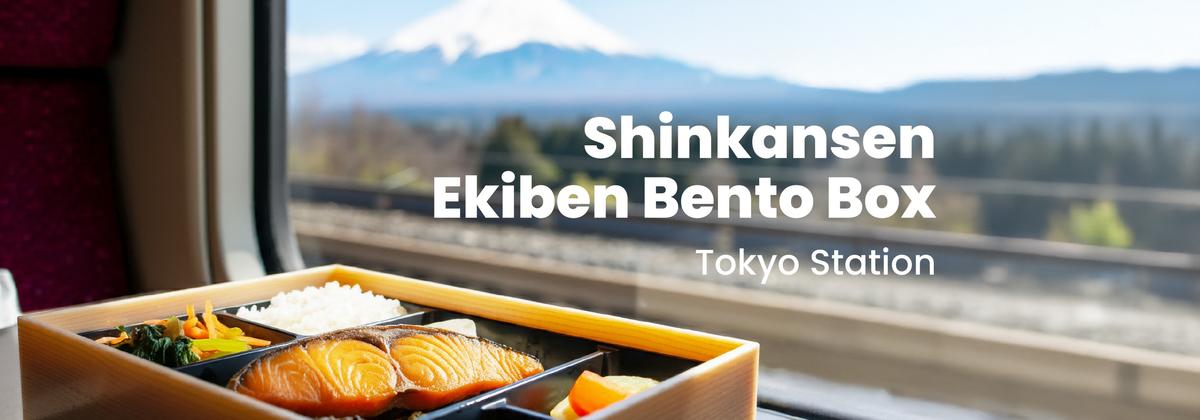
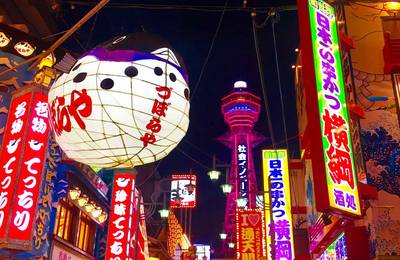
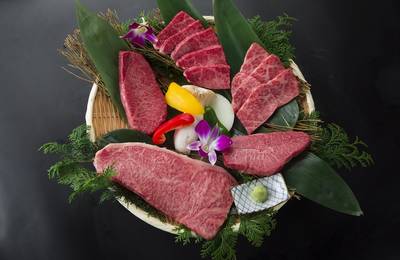
This category covers hands-on cooking classes and guided food tours across Tokyo, Osaka, Nara, and Sapporo, from sushi-making and wagashi sweets workshops to kaiseki dining and yakiniku. It suits travelers who want to taste regional specialties like Osaka street food or Kobe beef and understand the cooking behind them, whether through a quick bento stop at Tokyo Station or a full evening food walk in Shinsekai.
Book online
Reserve ahead to secure your slot. Prices are a guide (from, USD); check the current price on Klook.
Tokyo
![[Tokyo Station] Shinkansen Ekiben Bento Box](https://res.klook.com/image/upload/c_fill,w_400,h_260,q_70,f_auto/activities/f4zs7vhbuf1d3loumkwq.jpg)
Osaka
Nara
Hokkaido
Affiliate links — we may earn a commission at no extra cost to you.
Good to know
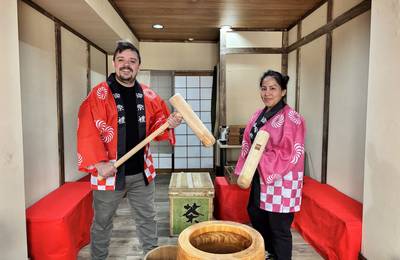
- Cooking classes (sushi, wagashi, mochi pounding) usually run in small groups and involve hands-on prep before you eat what you made, so check the format if you’d rather just dine.
- Osaka is a strong base for casual food tours and eating out, especially around Shinsekai and Nippombashi, while Nara and Tokyo lean toward more formal kaiseki dining.
- Kaiseki meals, like those in Nara and Osaka, are multi-course and seasonal, so the menu can change month to month rather than staying fixed.
- Tours and classes with a fixed start time, such as an evening food walk or a bento pickup tied to a train departure, are worth booking a day or two ahead to secure a slot.
Related guides
Last updated: 2026-08-07
Three different things sold under one heading
“Food experience” covers three formats that suit very different days, and the booking pages rarely spell out which one you are buying.
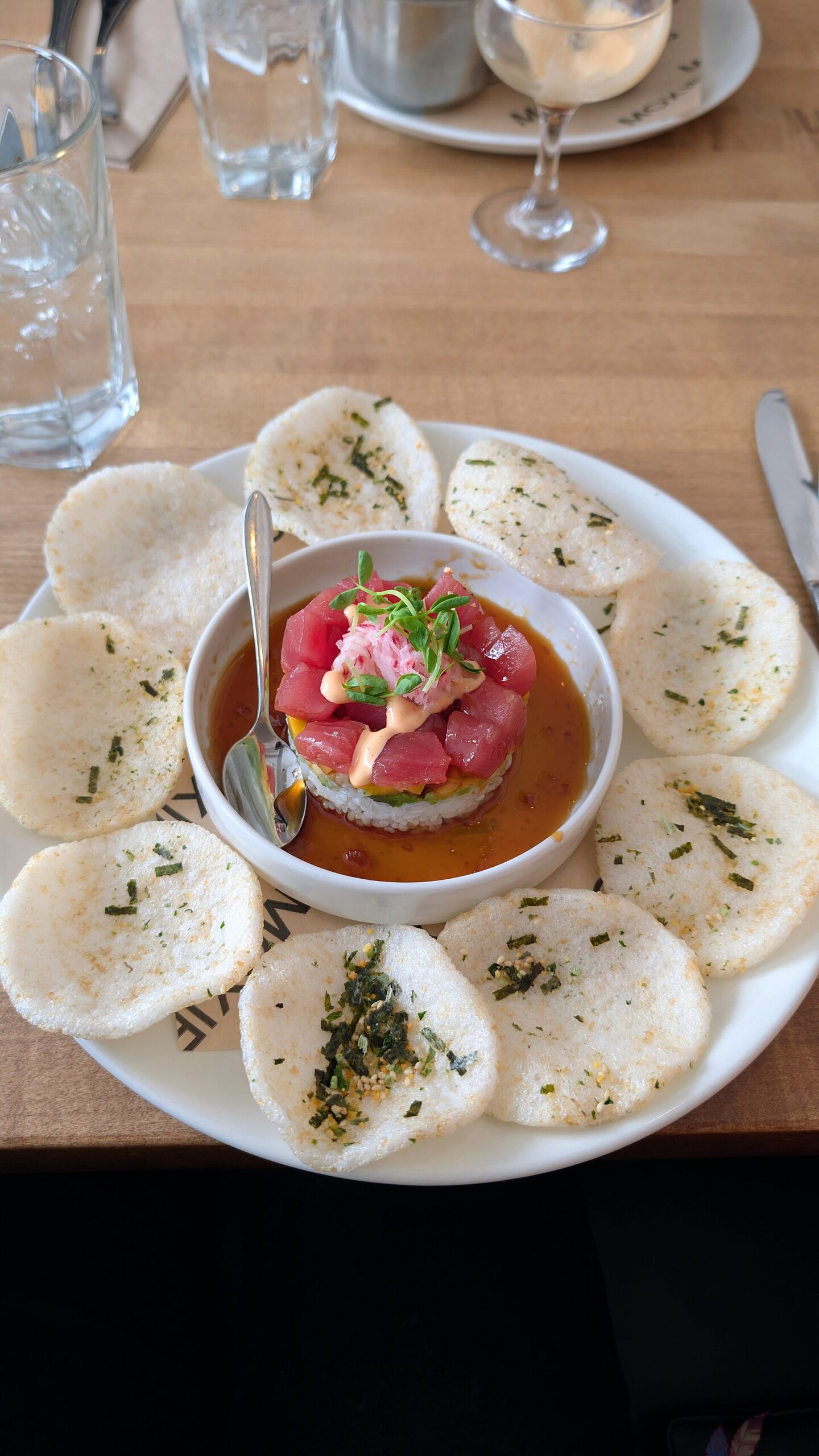
Hands-on classes follow a fixed shape: a short history talk, a demonstration, then you make the thing and eat it. Sushi, mochi pounding, wagashi sweets, matcha whisking. Two to three hours, small group, and you leave having made something.
Guided food walks are movement rather than instruction — a set route through one neighbourhood with a guide, tasting as you go. Fixed start time, which matters for booking.
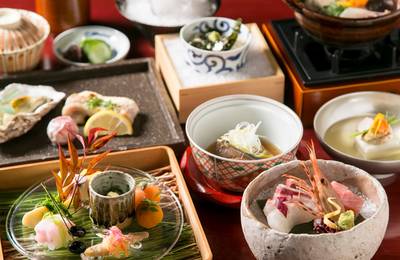
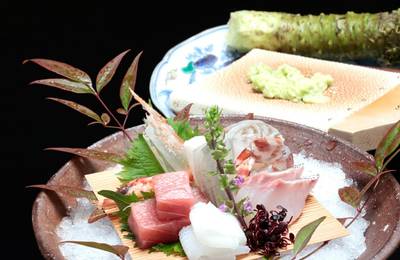
Kaiseki is neither. It is a multi-course seated meal, and the menu is rewritten every month with the season. That last detail catches people out: the dishes photographed on the listing are not the dishes you will be served if you book a different month.
What you actually walk away with
Worth checking, because “experience” is doing a lot of work in these listings.
- Sushi classes end with your own rolls and hand-formed pieces, eaten there.
- Mochi pounding ends with the mochi served several ways — typically kinako, red bean paste, nori, sweet soy and plain.
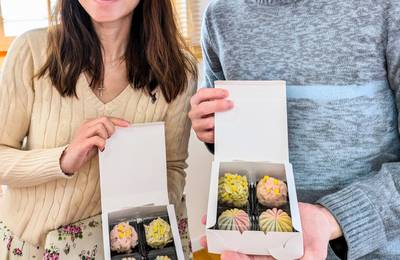
- Wagashi workshops end with a handful of nerikiri you shaped, often boxed to take away, sometimes with the recipe.
- Chopstick carving ends with a pair of chopsticks. It is a craft class, not a meal — do not book it hungry.
Things the listings assume you know
English is common but not universal. Most classes aimed at visitors state English-speaking staff explicitly. Some do not — and a class where you cannot follow the instruction is a poor use of two hours. If the page does not say, treat that as a no until you have asked.
Everything is reservation-based. These are not walk-in activities. Small-group classes and fixed-start food walks are the ones that fill, so book a day or two ahead at minimum.
Lateness can void the booking outright. Some restaurants treat arriving more than ten minutes late as forfeiting the reservation, with no change, cancellation or refund. That is stricter than most visitors expect from a restaurant, and it applies to the kaiseki end of the range in particular.
Dietary labelling is largely absent. Wagashi and nerikiri are close to vegetarian by ingredient — rice dough, bean paste, sugar — but few class or restaurant pages carry formal dietary labelling. With a strict requirement, ask before booking rather than on arrival.
Ekiben is a shop, not a ticket
A common misunderstanding worth clearing up. The station bento halls — the large one on the Yaesu concourse at Tokyo Station carries well over a hundred varieties from around the country — are ordinary shops, open to anyone, taking cash, cards and e-money. You do not need a shinkansen ticket to buy one.
Separately, some booking sites sell an ekiben product that is a specific pickup point tied to your departure. That is a convenience for a booked journey, not the only way in. If you simply want the bento, walk into the shop.
Picking by city
Most operators run the same class format in more than one city, so the sensible move is to pick the city you are already sleeping in rather than travelling for a class. The Tokyo classes cluster around Asakusa and the Shinbashi area; the Osaka ones around Dotonbori and Shinsaibashi.
If eating rather than cooking is the goal, the market guides cover more ground: Tsukiji in Tokyo, Kuromon in Osaka, Nishiki in Kyoto. For the tea side, see tea ceremony experiences.
Formats and booking conditions above reflect operator and booking-site information as of August 2026. Class content, languages offered and cancellation rules vary by operator — confirm on the listing before booking.