
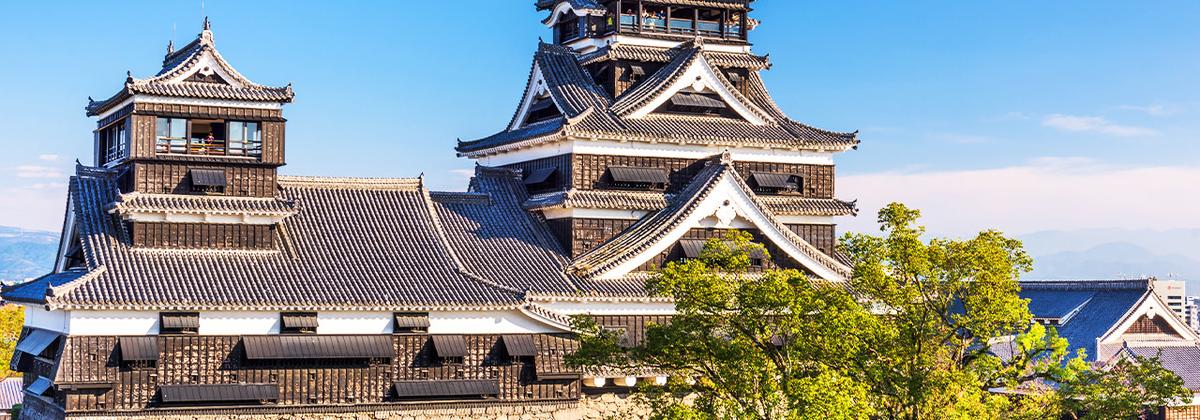
Kumamoto sits in the centre of Kyushu, roughly forty minutes south of Fukuoka by Shinkansen, and it is the natural base for the island’s volcanic interior. The city is defined by its castle — one of the three great fortresses of Japan, badly damaged in the 2016 earthquakes and still being rebuilt stone by stone — and by its proximity to Mt Aso, whose caldera is among the largest in the world and still holds working farmland and villages inside the rim. Between the two lie some of Kyushu’s best hot springs. It is a region that rewards a car, though the main sights are reachable by bus and train with a little planning.
Kumamoto sits at the foot of Mt Aso, one of the world’s largest active volcanoes. Pair the rebuilt Kumamoto Castle and Suizenji garden with the Aso crater, the Kusasenri grasslands and the hot-spring town of Kurokawa Onsen.
Some links below are affiliate links — we may earn a small commission at no cost to you. Prices are a guide (from USD); check the latest on Klook.
Kumamoto Castle & city
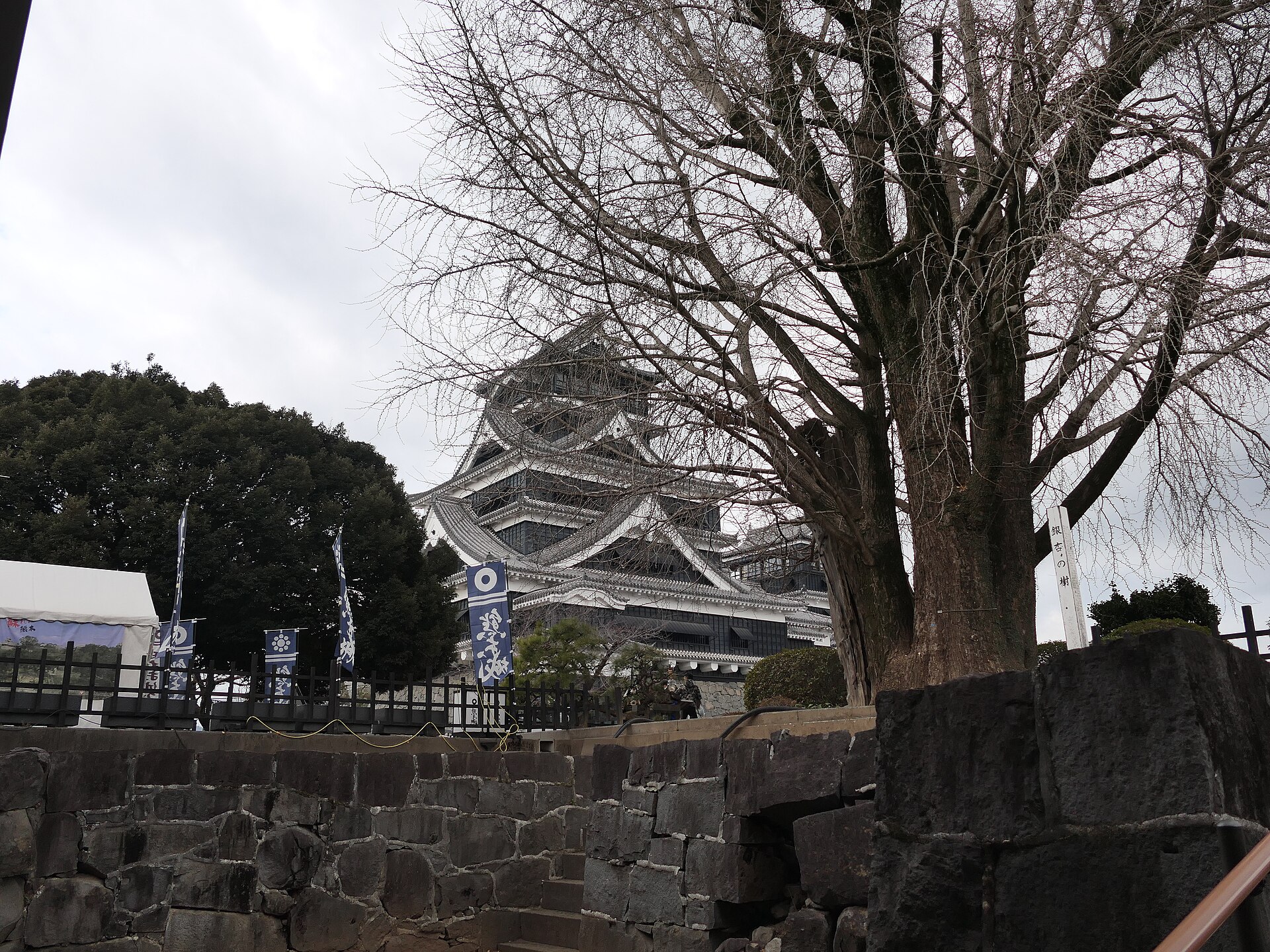
Kumamoto Castle was completed in the early seventeenth century by Kato Kiyomasa and is known for its curved stone walls, built at an angle designed to be unclimbable. The 2016 earthquakes brought down sections of wall and damaged the keeps; reconstruction is a decades-long project, and the main keep has since reopened while much of the surrounding grounds remains under restoration with a raised walkway routing visitors above the work. Seeing the repair in progress is, in its own way, part of the interest. Nearby, Suizenji Jojuen is a strolling garden whose landscaping miniaturises scenes from the old Tokaido road, including a small grass mound standing in for Mt Fuji. Access routes within the castle grounds change as work progresses, so check the official site before visiting.
Mt Aso & the crater
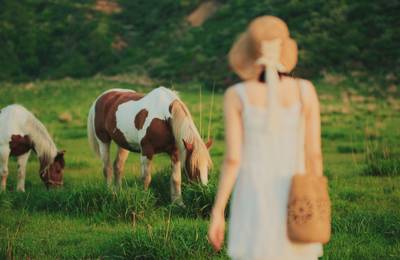
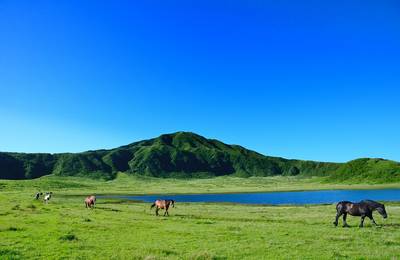
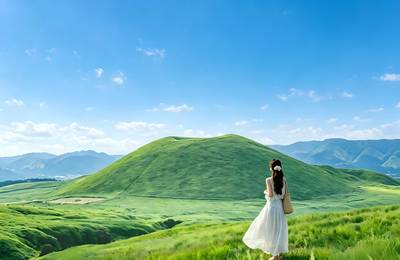
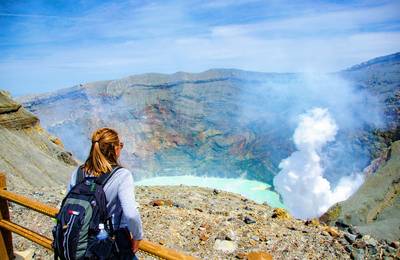
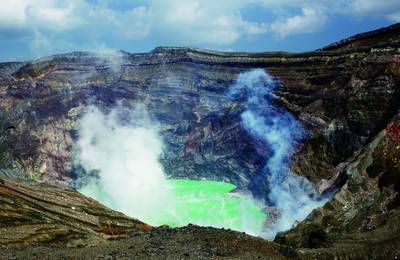
Mt Aso is not a single peak but a caldera roughly twenty-five kilometres across, formed by a series of enormous eruptions and now containing towns, rice fields and rail lines within its walls. The active vent is Nakadake, which emits sulphurous gas continuously and periodically closes to visitors when volcanic activity or wind direction makes the rim unsafe; when it is open, a road and ropeway bring you close enough to look down into the steaming crater. The surrounding grasslands at Kusasenri offer easier walking and horse riding with the peaks behind. Access status is decided day by day by the local authorities and posted publicly, so always check the current alert level and road conditions on the morning you plan to go.
Kurokawa Onsen & Takachiho
Kurokawa Onsen, in the hills north-east of Aso, is one of the most admired hot-spring villages in Japan largely because of a collective decision made decades ago to limit neon and concrete; the inns are wooden, the streets are narrow, and a single wooden pass sold locally admits the holder to three outdoor baths of their choosing across different inns. Takachiho, over the prefectural border in Miyazaki, is a gorge of columnar basalt cut by the Gokase River, best seen from a rowing boat beneath the waterfall, and is tied in myth to the sun goddess Amaterasu; night kagura dances are performed at the local shrine year-round. Both are awkward to reach by public transport, and boat rentals at Takachiho can sell out early.
Passes & family
Getting around this region generally means buses. The Kyushu Odan bus crosses the island between Kumamoto, Aso, Kurokawa and Beppu, and is the standard route for travellers without a car. JR Kyushu’s regional rail passes cover the Shinkansen and local lines but not the highway buses, so which pass helps depends on whether your itinerary is coastal or inland. Renting a car in Kumamoto is worth serious consideration if Aso and Kurokawa are both on your list. For families, the city has a zoo and botanical garden, and Aso’s grasslands, horse rides and cable cars generally hold children’s attention better than temple circuits do. Pass coverage and pricing change annually, so confirm on the official JR Kyushu and bus operator sites.
Good to know
Kumamoto’s summers are hot and humid, and the region sees heavy rain in the June-to-July rainy season, which has caused landslides and route closures in recent years; the mountain roads are the first thing to be affected. Autumn is the most reliable season for Aso. Earthquake reconstruction means some sights are partially open or rerouted, and this changes from year to year rather than month to month. Local specialities include basashi, raw horse meat, and karashi renkon, lotus root stuffed with mustard miso. The city’s mascot bear appears on a great deal of merchandise and is difficult to avoid. Allow more travel time than the map suggests: mountain roads are slow, and bus services are infrequent outside peak hours.
- Check Mt Aso crater access before you go — it can close on volcanic activity.
- Kurokawa Onsen is one of Kyushu’s prettiest hot-spring towns.
- Kumamoto pairs well with Fukuoka and Aso on a Kyushu loop.
Related guides
The guides below cover the rest of Kyushu, most of which connects to Kumamoto by Shinkansen or by the cross-island bus.
Last updated: 2026-08-08