
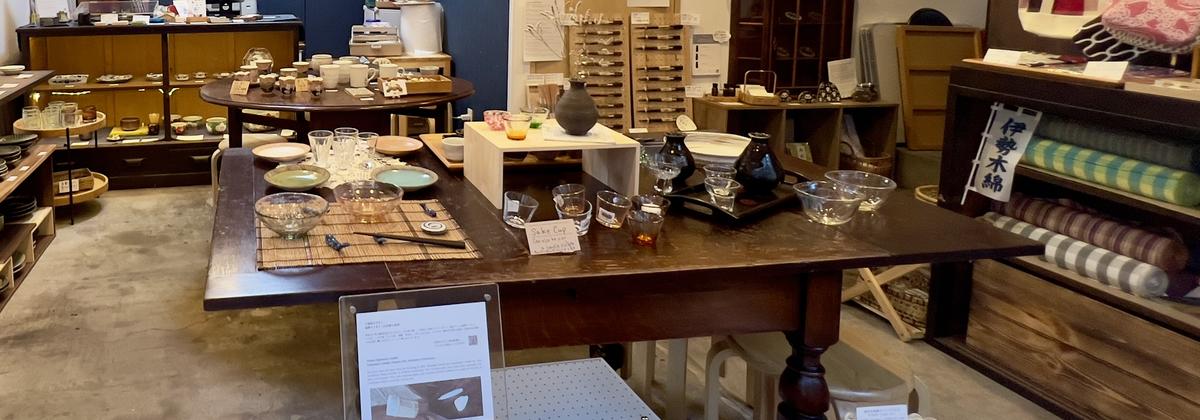
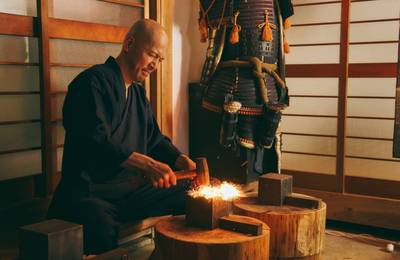
Tea ceremony and cultural experiences give visitors a hands-on look at Japanese traditions, from whisking matcha under a tea master’s guidance to trying calligraphy, blacksmithing, or Zen meditation in a temple garden. Kyoto and Nara have the deepest lineup, with tea ceremonies, geisha culture, and craft workshops, while Tokyo, Osaka, and the Fujinomiya area near Mount Fuji offer their own versions for travelers not passing through Kansai.
Book online
Reserve ahead to secure your slot. Prices are a guide (from, USD); check the current price on Klook.
Tokyo
Kyoto
Osaka

Nara
Mt. Fuji & Hakone

Affiliate links — we may earn a commission at no extra cost to you.
Good to know
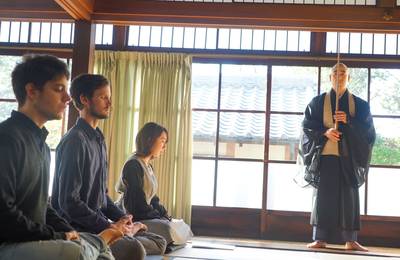
- Kyoto has the widest range of tea ceremony formats, from standard classes to meditation-focused matcha sessions, making it the best base if this is a priority.
- Pair a tea ceremony with a Zen garden visit or a craft workshop (knife-making, calligraphy) to get a fuller cultural experience in one trip.
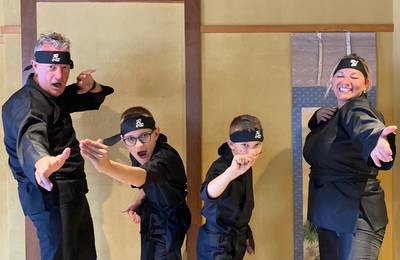
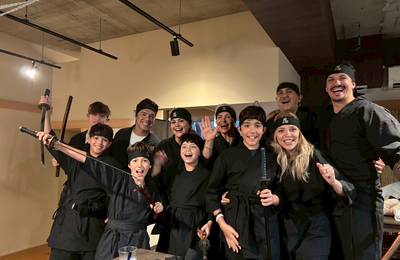
- Ninja-themed cafes and workshops in Kyoto and Osaka are playful and costume-based, distinct from the more formal tea ceremony and meditation experiences.
- Small-group or private formats, like Gion district tours or geisha dinners, tend to have limited spots, so book those ahead of a Kyoto trip.
Related guides
Last updated: 2026-08-07
Which format are you actually booking
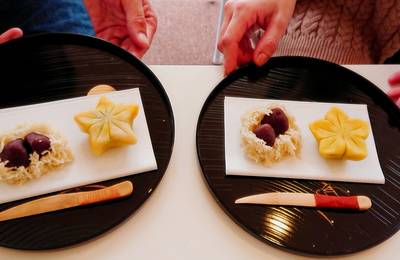
Two words decide how long your afternoon takes. Chakai is the informal gathering built around the ritual serving of tea, and it comes with small seasonal sweets called wagashi. Chaji is the full formal ceremony, where a light seasonal meal is served before the tea, and it can run for several hours. Almost everything sold to visitors is the shorter chakai format, though some listings still stretch toward three hours once the explanation is included. A less common version, senchado, uses steeped leaves instead of whisked matcha.
If a listing calls itself a “full ceremony” or mentions a seasonal menu, budget the longer time. If it says you whisk your own bowl, it is the hands-on class most travellers are looking for (as of August 2026).
What actually happens, and what is expected of you
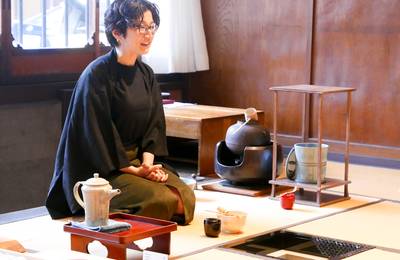
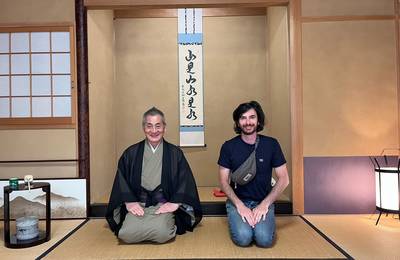
You will kneel. Guests sit in seiza, the formal kneeling position, on tatami. It is not physically demanding, but if kneeling for long stretches is uncomfortable, say so when you book rather than on the day.
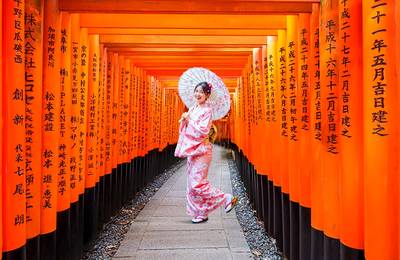
Socks matter more than clothes. Shoes come off at the door. White tabi or clean plain socks are the norm on tatami, so wear something you are content to be seen in — bare feet are avoided in a tea room. You do not need a kimono: the host traditionally wears one, but guests at visitor demonstrations are not expected to. Where a kimono appears in these experiences it is an optional add-on, and the Asakusa “kimono and tea” packages are built around that pairing. Our kimono rental guide covers how that side works.
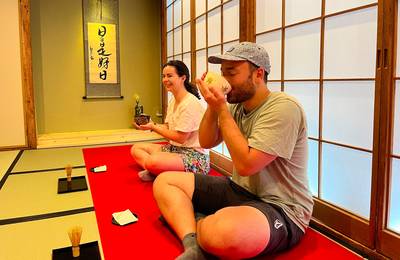
The tools have names and you will meet them. The chawan is the bowl, the chashaku the slim bamboo scoop, the chasen the whisk. The host cleans and handles each in a fixed order, and many classes hand you the whisk for your own bowl — the part people remember. Guests lift the bowl, turn it slightly so they are not drinking from the front, and pass it on. Small mistakes are overlooked. The etiquette exists to be learned, not enforced.
Where to do it
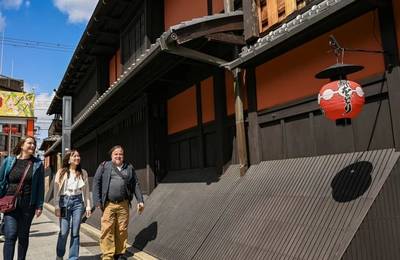
Kyoto is the deepest place for this, and the classes cluster around Gion, which makes a tea session and a walk through the geisha district a natural half-day. Uji, south of the city, is the matcha town that pairs with a Kyoto day — several of the one-day tours that string together Kyoto, Nara and Uji finish on its tea street, where an old teahouse or a modern matcha cafe makes an easy follow-up.
Tokyo has its own cluster. Asakusa is where the kimono-and-tea bundles concentrate; Shibuya suits an itinerary that stays central. Osaka and Nara both have bookable classes too, which covers travellers who never make it into Kyoto.
Morning slots are common, and there is sense in them: the ceremony is unhurried, and doing it early leaves the rest of the day open. Season matters less for the ceremony than for what surrounds it — the gardens are at their best in spring and autumn, and because the sweets are made seasonal, the same class in two seasons is not quite the same session.
Is the maiko show the same thing?
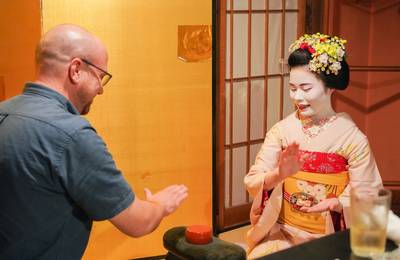
No. A maiko tea-and-dance show serves you tea while a performer dances and plays a game with the room. It is a performance you watch. The hands-on class is a ritual you take part in. Both are worth doing, but they are not substitutes, and the listings do not always make the difference obvious — look for wording about whisking your own matcha.
Eating around it
A tea ceremony is not a meal, so plan food around it. These are within reach of the usual class locations, listed with the Japanese sign to look for.
- Kyoto (Gion) — 凛-RIN KYOTO- Uji Matcha Cafe, a matcha cafe in the district, and 京都祇園天ぷら圓堂 八坂本店 北邸 (Gion Tempura Endo, Yasaka Honten Kita-tei), a long-established tempura house for a sit-down dinner.
- Tokyo (Asakusa) — 牛門ハラルラーメン浅草 (Gyumon Halal Ramen Asakusa), a halal ramen house near the kimono-and-tea venues.
- Tokyo (Shibuya) — 松栄 渋谷スクランブルスクエア店 (Matsue, Shibuya Scramble Square branch), sushi on the twelfth floor of the same building as the station complex.
- Uji — 中村藤吉本店 (Nakamura Tokichi Main Branch), a long-standing matcha teahouse, and 抹茶ロースタリー (Matcha Roastery) for a more modern take on the same ingredient.
Format definitions follow Japan’s national tourism guidance as of August 2026. Session lengths, inclusions and dress expectations vary by venue — check the listing before booking.