
This guide is for travelers seeking ancient temples and friendly deer. It answers: “Nara travel guide” or “Nara day trip.”
Quick Facts
- Best for: History lovers, families, day trippers from Kyoto/Osaka
- Time needed: Half day to 1 day
- Access: JR Nara or Kintetsu Nara Station (45 min from Kyoto, 50 min from Osaka)
- Area type: Urban park setting
- Rain friendly: Partially (temple buildings provide shelter)
Overview
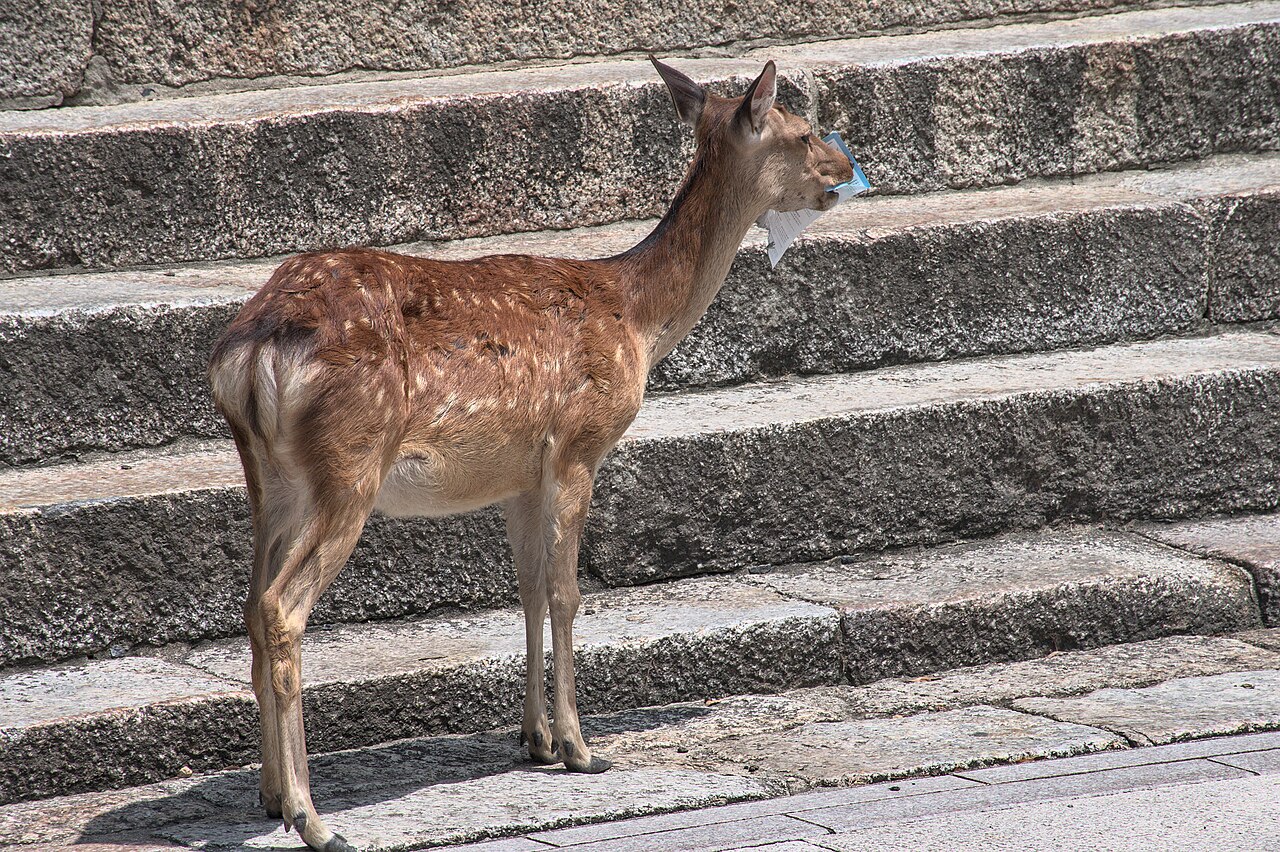
Nara was Japan’s first permanent capital (710-784) and retains significant historical sites. The city is famous for over 1,000 wild deer that roam freely in the park area, considered sacred messengers.
How to Enjoy
Nara Park and Deer
Deer roam freely throughout the park. Deer crackers (shika senbei) are sold by vendors. Bow to deer and they often bow back. Avoid teasing or withholding food once shown.
Todai-ji Temple
Houses the Great Buddha (Daibutsu), one of Japan’s largest bronze Buddha statues. The wooden hall is one of the world’s largest wooden structures.
Kasuga Taisha
Shinto shrine famous for thousands of stone and bronze lanterns. Especially atmospheric during lantern festivals.
🎫 Popular things to do in Nara
Reserve online ahead of time — popular slots sell out, and you skip the ticket line. Prices are a guide (from, USD); check the current price on Klook.
Affiliate links — we may earn a commission at no extra cost to you.
Tips
- Deer safety: Can bite or headbutt. Keep food hidden until ready to feed.
- Timing: Early morning has fewer crowds and more active deer.
Explore Nara
Areas & Attractions
Itineraries & Day Trips
Getting to Nara
Nara is close enough to both Kyoto and Osaka that it works as a half-day or full-day trip from either. From Kyoto the JR Nara line and the Kintetsu line both take around three quarters of an hour, with Kintetsu limited express services slightly faster and arriving closer to the park. From Osaka the journey is broadly similar. The distinction that matters on arrival is that Kintetsu Nara station is a short walk from the park while JR Nara is further out, so check which line your ticket or pass covers before deciding. Once you are there the main sights are walkable, and most visitors never need a bus.
Beyond the deer park
The park circuit of Todai-ji, Kasuga Taisha and Kofuku-ji is what most itineraries cover, and it is genuinely the right starting point. What tends to get skipped is Naramachi, the former merchant quarter south of Sarusawa Pond, where narrow lanes of machiya townhouses now hold cafes, small museums and craft shops and where the crowds thin noticeably. Further out, Horyu-ji contains what are generally described as the oldest surviving wooden buildings in the world and sits about forty minutes away by bus or train. Yakushi-ji and Toshodai-ji in western Nara make a quieter pairing for a second visit.
When to go, and the deer
The deer in Nara Park are wild animals designated as a natural monument, not a petting zoo, and they behave accordingly. They bow because they have learned it produces crackers, they can become pushy once they know you are carrying them, and the recommendation to buy the crackers only when you are ready to hand them over is practical rather than fussy. Keep paper maps and tickets out of reach. Autumn colour around the park is excellent and late in arriving; cherry blossom is good but shorter. Summer is hot and the park offers limited shade away from the temple precincts. Winter mornings are cold but the park is at its emptiest and the light is the best of the year.
Sources
- Tourism board: Visit Nara
Last updated: 2026-02-03