
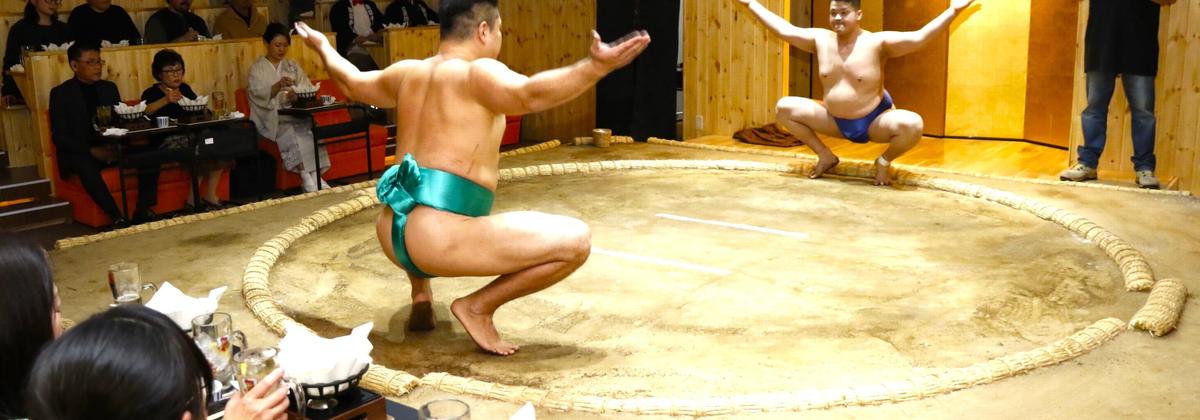
These experiences let visitors watch sumo up close, from live shows and chankonabe meals in Asakusa to morning training sessions at Tokyo stables and a dedicated sumo hall in Osaka. They suit travelers curious about the sport’s ritual and technique, whether through a staged demonstration or an unscripted practice watch.
Book online
Reserve ahead to secure your slot. Prices are a guide (from, USD); check the current price on Klook.
Affiliate links — we may earn a commission at no extra cost to you.
Good to know
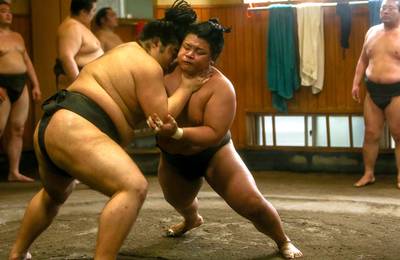
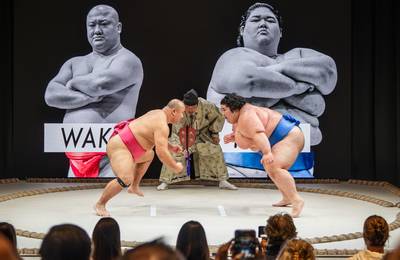
- Morning practice sessions show real training in a working stable, while shows like the Asakusa Sumo Club are staged demonstrations aimed at visitors – pick based on whether you want authenticity or accessibility.
- Tokyo has the widest range of options, from stable visits to sumo-themed dining; Osaka’s THE SUMO HALL HIRAKUZA is a fixed venue rather than a stable tour.
- Morning training experiences typically mean an early start, since sumo practice runs in the early hours before wrestlers’ first meal of the day.
- Sessions that include chankonabe (the wrestlers’ traditional stew) offer a chance to sample the food alongside the sumo viewing.
Sumo is Japan’s national sport and one of the few traditional spectacles a visitor can watch as it is actually practised rather than staged for tourists. The difficulty is timing: professional sumo runs on a fixed annual calendar of six tournaments, and outside those dates the only way to see wrestlers in action is a morning practice session at a stable.
The tournament calendar
Six grand tournaments, called basho, are held each year, and each runs fifteen consecutive days beginning and ending on a Sunday. Three take place in Tokyo at Ryogoku Kokugikan, in January, May and September. The other three rotate to Osaka in March, Nagoya in July and Fukuoka in November. Lower-division bouts start in the morning and the top division wrestles in the late afternoon, with the day building toward the final matches; most spectators arrive in the afternoon. Tickets go on sale roughly a month ahead and the popular days sell out quickly, so plan around the calendar rather than hoping to fit it in.
Morning practice and stables
Outside tournament periods, some sumo stables allow visitors to watch asageiko, the morning training session, which typically begins very early and is conducted in near silence with strict etiquette for observers. Access is usually arranged through a guided tour rather than directly, since stables are working residences and most do not accept unaccompanied visitors. There are also demonstration shows aimed at tourists, often combined with a chanko-nabe meal — the protein-heavy hotpot wrestlers eat — which are a reasonable substitute if your dates miss a tournament entirely.
Etiquette and what to expect
Bouts themselves are short, often only a few seconds, and much of the spectacle is the ritual that precedes them: the salt throwing, the stamping, the extended staring. Ringside box seats are traditional floor seating on cushions and are physically demanding for a full afternoon; arena seats further back are cheaper and easier. Photography is generally allowed from your seat but flash is not. Eating and drinking in the arena is normal and bento are sold on site. Arriving in the early afternoon gives you the atmosphere without a full day of lower-division bouts.
Related guides
Last updated: 2026-08-07