
This guide is for travelers seeking WWII history and one of Japan’s most iconic shrine settings. It answers: “Hiroshima travel guide” or “things to do in Hiroshima.”
Quick Facts
- Best for: History enthusiasts, UNESCO site visitors, day trippers
- Time needed: 1–2 days (1 day for city, add 1 for Miyajima)
- Access: Hiroshima Station (Sanyo Shinkansen from Tokyo 4 hours, Osaka 1.5 hours)
- Area type: Urban with nearby island
- Rain friendly: Yes (Peace Memorial Museum is indoors)
Overview
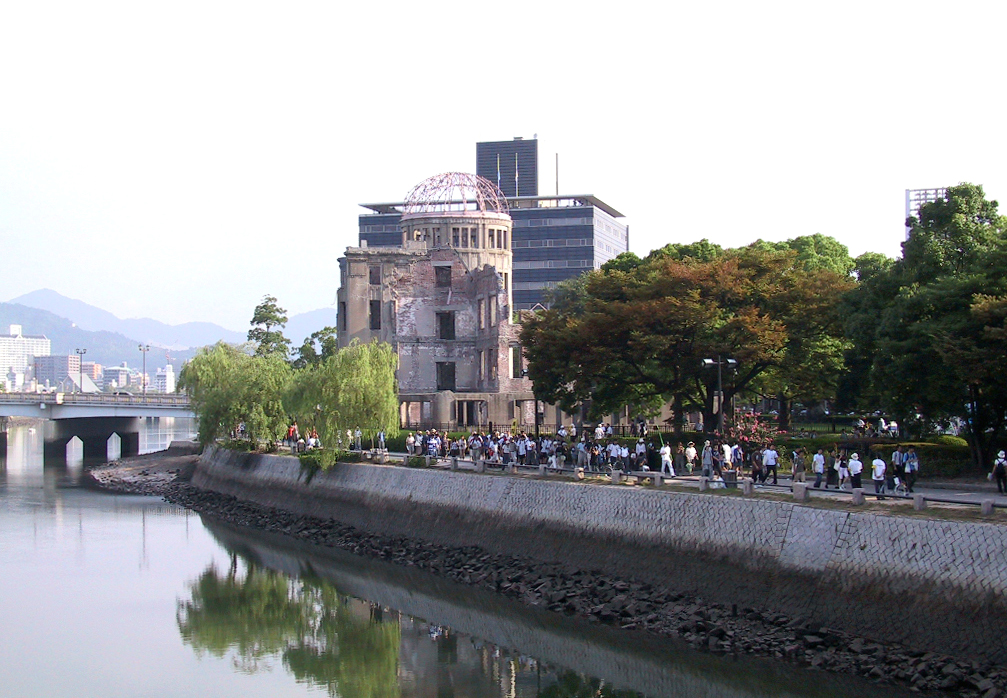
Hiroshima is known worldwide as the first city to experience an atomic bombing on August 6, 1945. Today, it stands as a symbol of peace with its memorial park and museum dedicated to the victims and to promoting nuclear disarmament.
Beyond its history, Hiroshima is a modern, vibrant city known for okonomiyaki (layered savory pancakes) and as the gateway to Miyajima Island, home to the iconic floating torii gate of Itsukushima Shrine.
How to Enjoy
Peace Memorial Park
The park contains the A-Bomb Dome (UNESCO World Heritage), Peace Memorial Museum, Cenotaph, Children’s Peace Monument, and Flame of Peace. Allow 2–3 hours for the full experience. The museum underwent major renovation and reopened with updated exhibits.
Miyajima Island
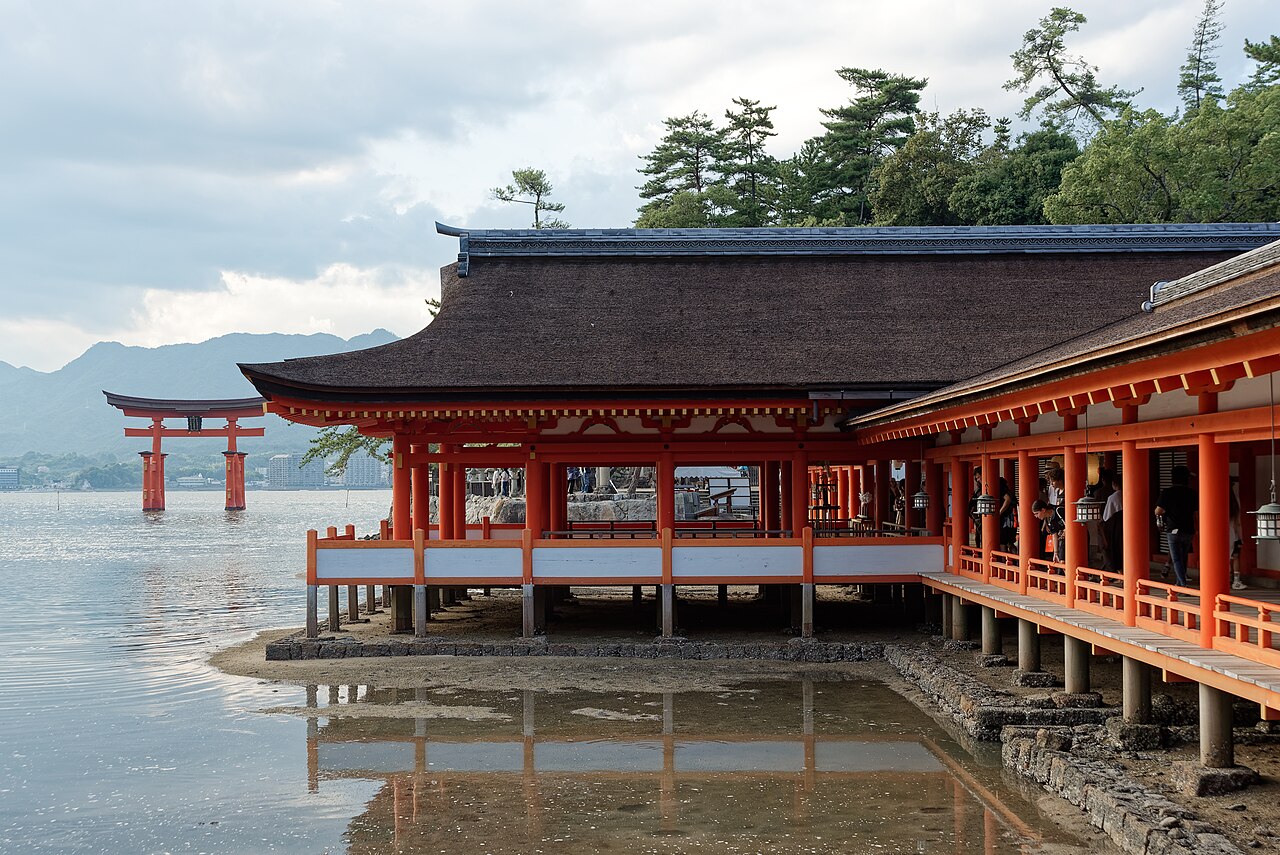
The floating torii gate of Itsukushima Shrine appears to float at high tide. The island features wild deer, Mount Misen hiking, and local specialties like momiji manju (maple leaf cakes) and grilled oysters. Ferry from Miyajimaguchi (covered by JR Pass).
Local Food
Hiroshima-style okonomiyaki layers noodles, cabbage, and toppings rather than mixing them. Oysters from Hiroshima Bay are served grilled, fried, or raw in season (October–March). Try both on Miyajima or in the city.
Suggested Itinerary
Day 1: Hiroshima City
- Morning – Peace Memorial Park and Museum
- Lunch – Hiroshima okonomiyaki
- Afternoon – Shukkeien Garden or Hiroshima Castle
Day 2: Miyajima
- Morning – Ferry to Miyajima, Itsukushima Shrine
- Afternoon – Ropeway to Mount Misen or shopping street
- Late afternoon – Return as tide changes for different torii views
Explore Hiroshima
Areas & Attractions
Itineraries & Day Trips
Book tickets, tours & activities
Book popular Hiroshima & Miyajima experiences online. Some are affiliate links — we may earn a small commission at no cost to you. Prices are a guide (from USD); check the latest on Klook.

Tips & Cautions
- Tides: Check tide times for Miyajima. High tide: torii appears floating. Low tide: walk to the gate.
- Museum timing: Peace Memorial Museum can be emotionally heavy. Consider morning visit.
- JR Pass: Shinkansen to Hiroshima and ferry to Miyajima both covered.
- Day trip: Possible from Osaka/Kyoto but overnight recommended.
Nearby Alternatives
- Onomichi: Temple walk town on the Seto Inland Sea. 1.5 hours east.
- Iwakuni: Kintai Bridge and castle. 45 minutes west.
Sources
- Tourism board: Visit Hiroshima
- Peace Museum: Hiroshima Peace Memorial Museum
Last updated: 2026-02-03
The museum is a timed-ticket problem, not a queue problem
The Peace Memorial Museum is the reason most people come, and the way you get in has changed. Tickets are still sold at the counter, but the museum itself warns that same-day queues run long and points visitors to a web ticket bought in advance. In busy periods, certain early-morning and late-evening entry slots are reserved for web-ticket holders only — and those sell out. If your Hiroshima day is fixed, buy before you travel (as of August 2026).
Budget realistically. The museum’s own visitor guide walks the permanent exhibition in roughly half an hour, but that is a brisk pass. With the special exhibitions, the park itself and the A-Bomb Dome, two to three hours is the honest figure. Mid-morning to early afternoon is the crowded window; opening time is the quiet one.
There is more free support than most visitors realise: guided tours by Hiroshima Peace Volunteers, talks by A-bomb Legacy Successors who carry survivors’ accounts, and video screenings. The museum publishes in six languages besides Japanese. None of this is obvious from the ticket page.
Miyajima: the tide decides what you came to see
The torii gate photographs you have seen were taken at high tide, when the gate appears to stand in open water. At low tide the sea withdraws and you can walk out across the sand to it. Both are worth seeing and they are entirely different experiences — but you only get the one that matches your arrival time.
Check a tide table before you fix the day, not after. This is the single planning decision that changes the visit most, and it costs nothing to get right.
Getting there is a two-stage trip that people mis-plan: a train west from Hiroshima to Miyajimaguchi on the mainland, then a ferry of about ten minutes across to the island. Miyajimaguchi is not on the island and not next to Hiroshima Station — allow for the leg in between. Itsukushima Shrine is reached by raised corridors with stone steps in places, and the island’s deer wander the paths freely.
Okonomiyaki here is a different dish
Hiroshima okonomiyaki is layered, not mixed. Batter, a heap of cabbage, then noodles, then egg, built in stacks on the griddle rather than stirred together as in Osaka. It is the same name and a different food, and the local version is what the city is known for.
Oysters from Hiroshima Bay are the winter counterpart, in season from roughly October into March, served grilled, fried or raw. On Miyajima, momiji manju — maple-leaf-shaped cakes — are the standard sweet, and the fried version is worth choosing over the plain one.
For eating: Okonomimura is a covered building of small okonomiyaki stalls near the centre, each running its own recipe on its own griddle, which is the easiest single stop. 広島お好み焼 スマイル and お好み焼 山ちゃん are long-running neighbourhood shops if you would rather sit down somewhere quieter. On Miyajima, 揚げもみじの紅葉堂 本店 near the shrine is the main shop for the fried momiji.
Practical notes
- Cards are not universal. Larger restaurants and tourist shops take them; small stalls and some sweet shops on Miyajima still want cash.
- Coin lockers at Hiroshima Station make the city-plus-island combination workable without dragging luggage onto a ferry.
- The Peace Memorial Park is flat and step-free, and the museum publishes accessibility information. Miyajima is the harder half for anyone with mobility limits.
- Photography rules differ between the park and the museum interior. Outdoors is unrestricted; check inside before using a camera or tripod.
- Free public Wi-Fi and multilingual maps are provided by the city.
If you have longer than a day
The park and museum plus an okonomiyaki lunch fill a comfortable day. Adding Miyajima properly means a second day, or a long first one — the ferry, the shrine and the tide timing do not compress well.
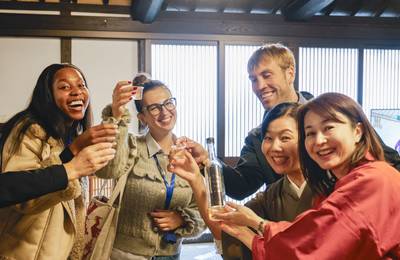
With more time, Saijo in Higashi-Hiroshima is a compact sake brewing district that works as a half day, and the Seto Inland Sea routes open up island-hopping. Where to go in Japan puts Hiroshima in context against the other options.
Museum ticketing, opening arrangements and seasonal information above follow official sources as of August 2026. Entry slots, closure days and tide times change — check before travelling.