
This guide is for travelers seeking ornate shrine architecture and mountain scenery. It answers: “Nikko travel guide.”
Quick Facts
- Best for: History enthusiasts, architecture lovers, autumn foliage seekers
- Time needed: 1 day (day trip) to 2 days (with onsen)
- Access: Tobu Nikko Station (2 hours from Asakusa, Tokyo)
- Area type: Mountain town
- Rain friendly: Partially
Overview
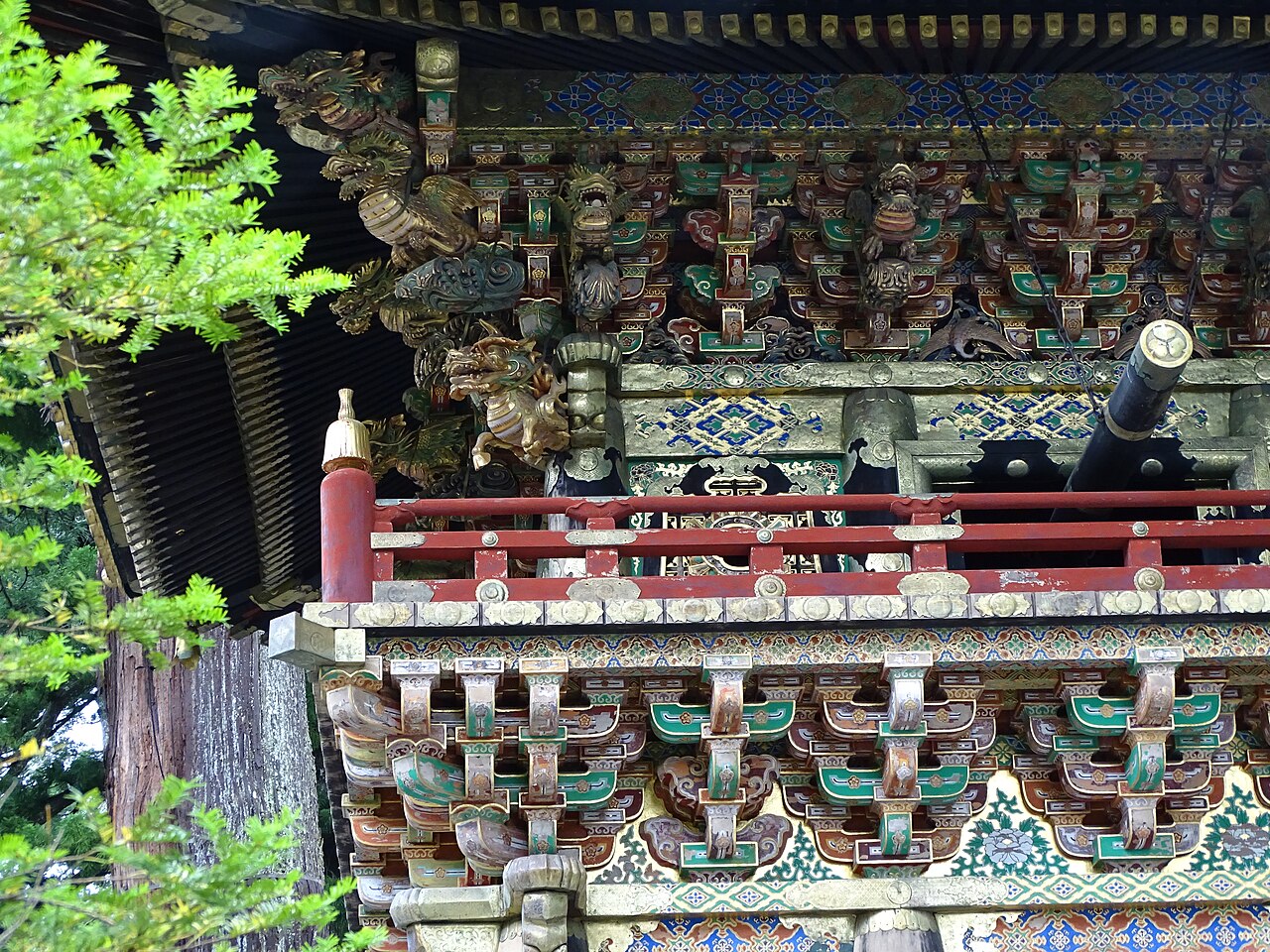
Nikko is home to Toshogu, the lavishly decorated mausoleum of Tokugawa Ieyasu, founder of the Edo shogunate. The shrine complex is a UNESCO World Heritage Site featuring intricate wood carvings and gold leaf ornamentation.
How to Enjoy
Toshogu Shrine
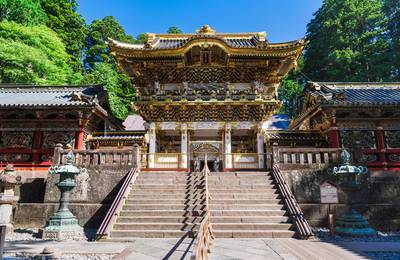
Features the famous “see no evil, speak no evil, hear no evil” monkey carvings and the Sleeping Cat. Yomeimon Gate is considered Japan’s most ornate gate with 500+ carvings.
Nature and Waterfalls
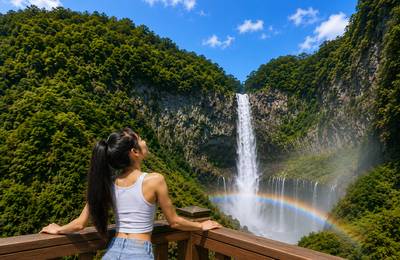
Kegon Falls drops 97 meters from Lake Chuzenji. Irohazaka winding road offers autumn foliage views. Lake Chuzenji provides boat rides and hiking.
Book tickets, tours & activities
Book popular experiences online. Some are affiliate links — we may earn a small commission at no cost to you. Prices are a guide (from USD); check the latest on Klook.
Tips
- Nikko Pass: Covers train and bus transportation.
- Best time: October-November for autumn colors. Can be crowded during peak foliage.
Explore Nikko
Areas & Attractions
Itineraries & Day Trips
Getting to Nikko from Tokyo
Nikko sits in the mountains north of Tokyo and is usually reached on the Tobu line from Asakusa, with limited express services taking roughly two hours; JR routes via Utsunomiya also work and suit holders of a nationwide rail pass. Tobu sells area passes that bundle the return journey with local buses, which is normally the sensible purchase because the sights are spread out and the bus up to the lake is not cheap on its own. A day trip is feasible but tight, and the last buses down from Lake Chuzenji leave earlier than most people expect. Staying a night turns a rushed itinerary into a comfortable one, and gets you to Toshogu before the coach parties.
Beyond Toshogu: the lakes and waterfalls
Most visitors see the shrine complex and leave, which misses the half of Nikko that is landscape rather than architecture. The Irohazaka road climbs to Lake Chuzenji in a series of tight hairpin bends, and Kegon Falls drops from the lake outflow to a viewing platform reached by lift. Further along the lakeshore, Ryuzu Falls and the Senjogahara marsh offer flat walking with boardwalks. Back near the town, the Kanmangafuchi Abyss is a short riverside path lined with weathered stone jizo statues and is usually quiet even when the shrines are not. Bus frequencies drop sharply outside peak season, so check return times before committing to the lake.
When to go
Autumn is Nikko at its best and also its busiest: colour typically arrives at the lake in early to mid October and works down to the town over the following weeks, and the Irohazaka road can back up badly on weekends. Late spring is quieter and green, with the shrine cedars at their most atmospheric in light rain. Winter brings snow and some closures at altitude, though the shrines stay open and the crowds thin considerably. Summer is noticeably cooler than Tokyo, which is part of why the area became a retreat in the first place. Check current bus schedules and any road restrictions on the official tourism site before travelling.
Sources
- Tourism board: Visit Nikko
Last updated: 2026-02-03