
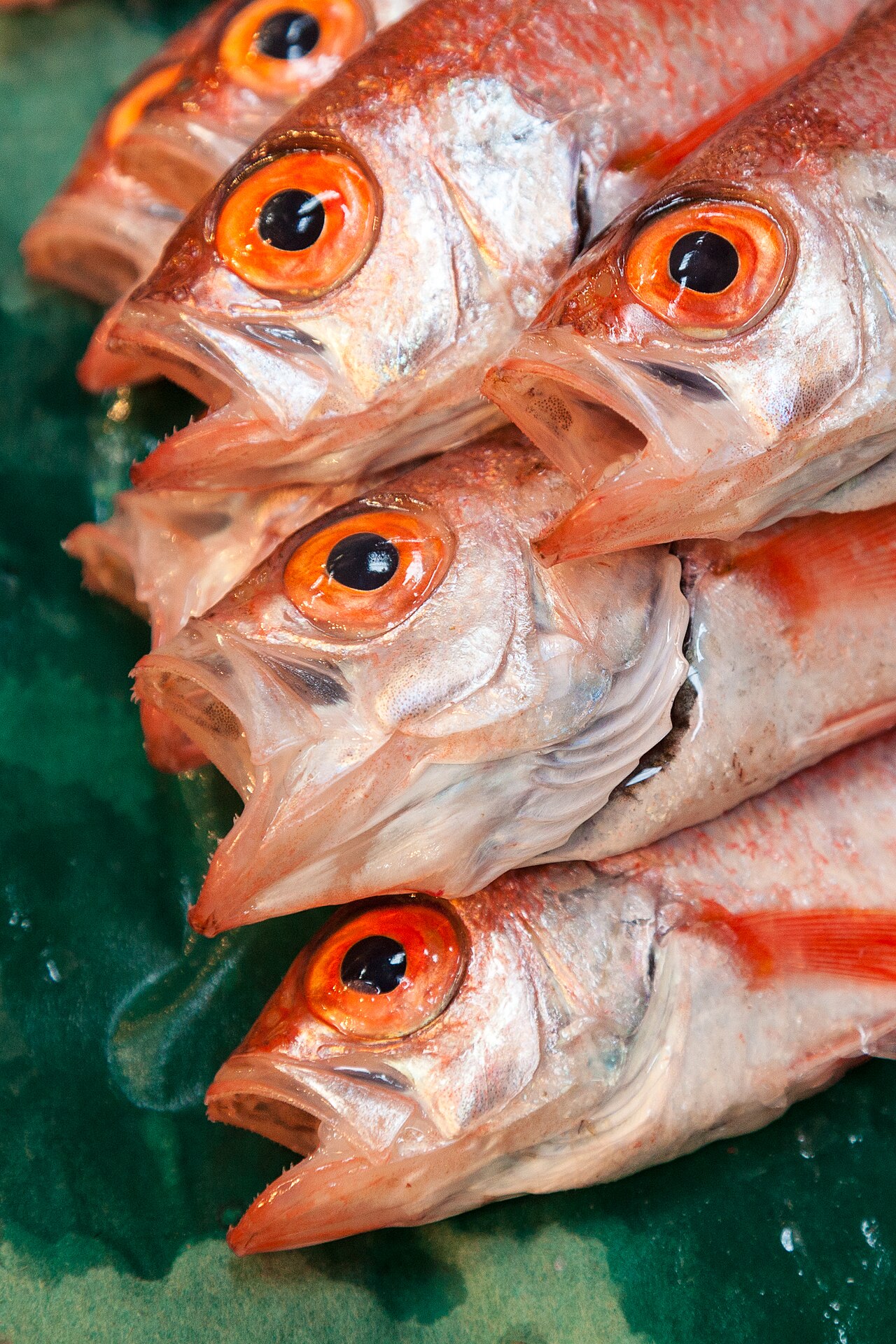
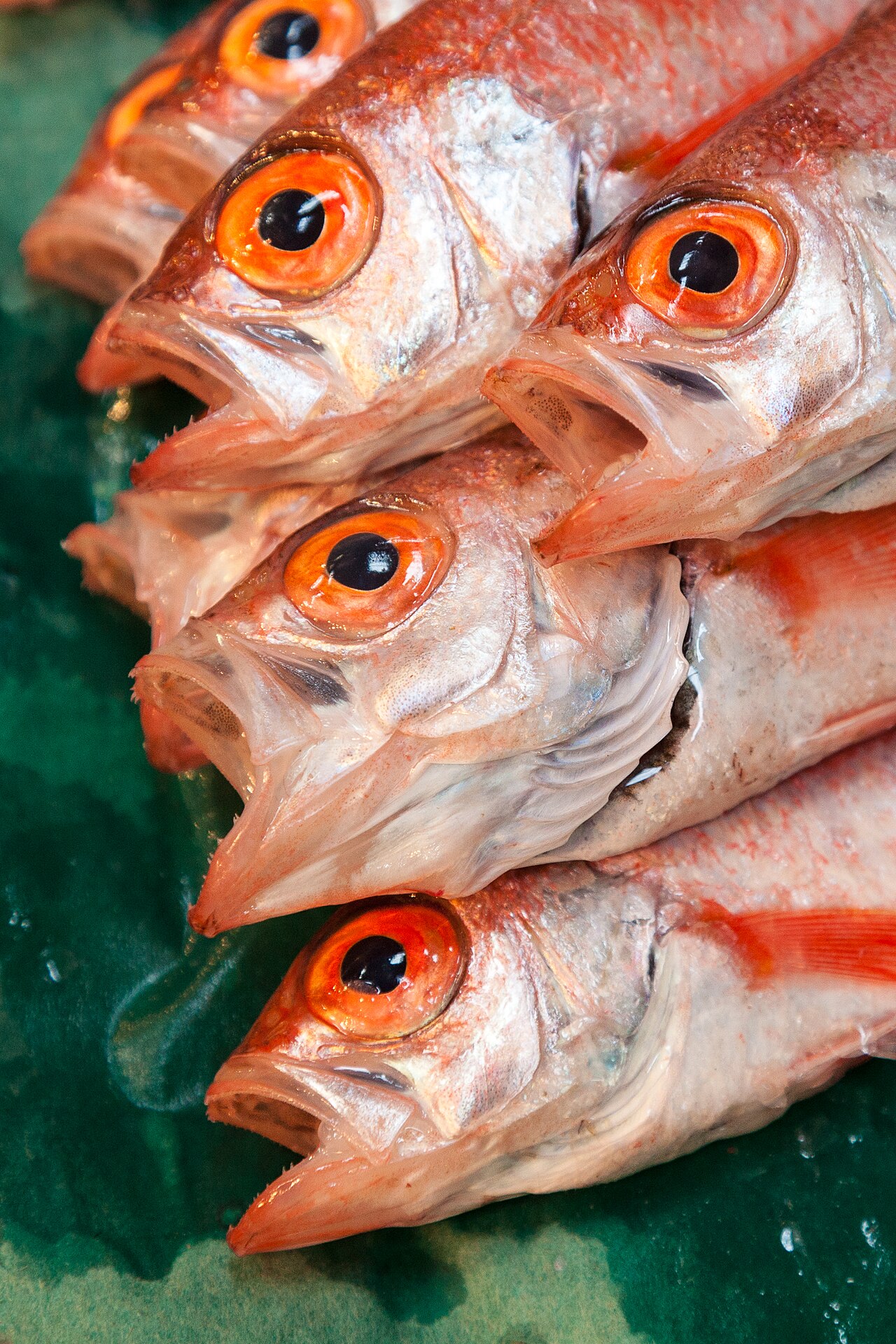
Guide to Tsukiji Outer Market, Tokyo famous seafood and food market.
Quick Facts
- Best for: Fresh seafood, sushi breakfast, food exploration
- Time needed: 2-3 hours
- Station: Tsukiji Station
Overview
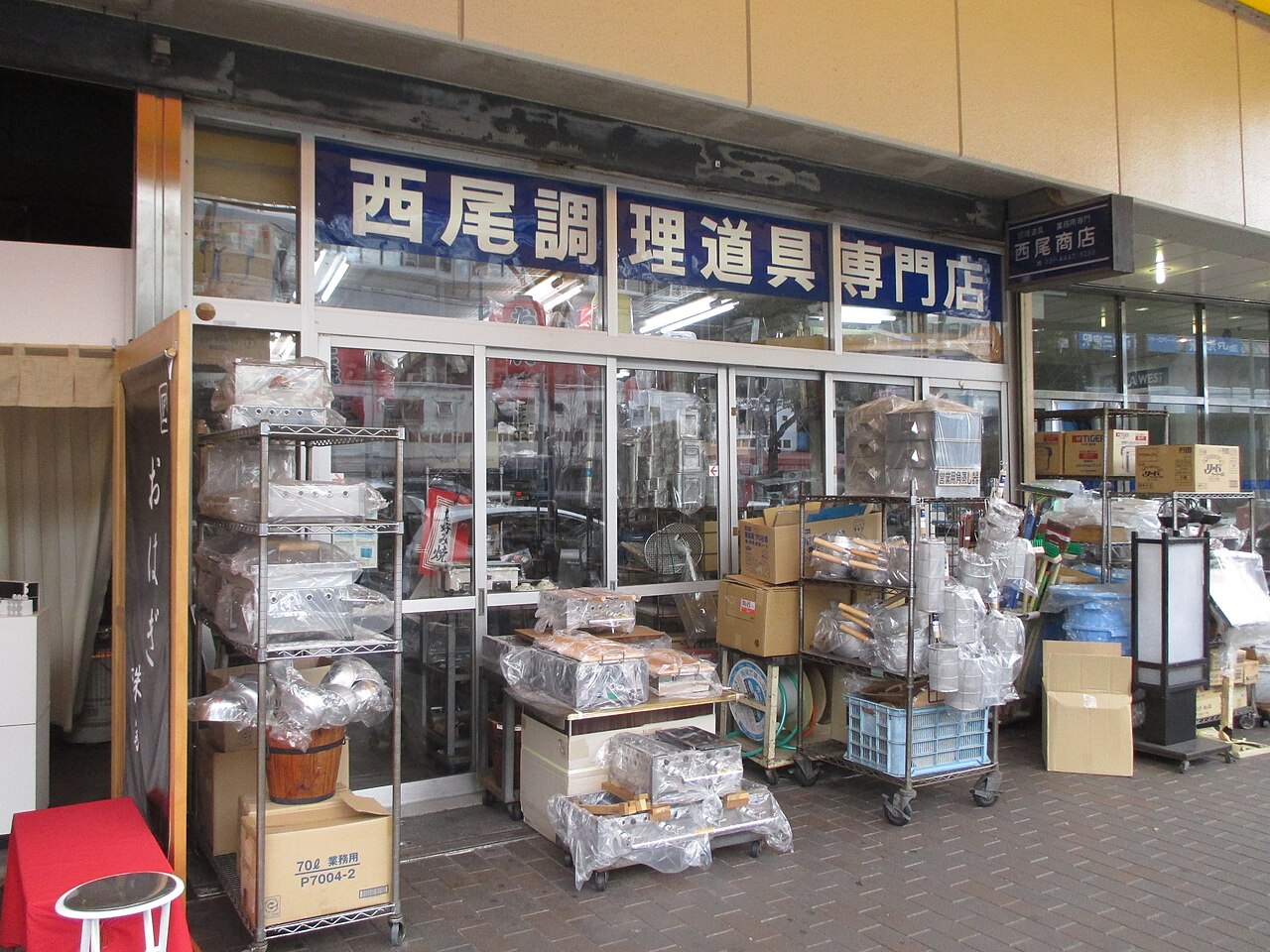
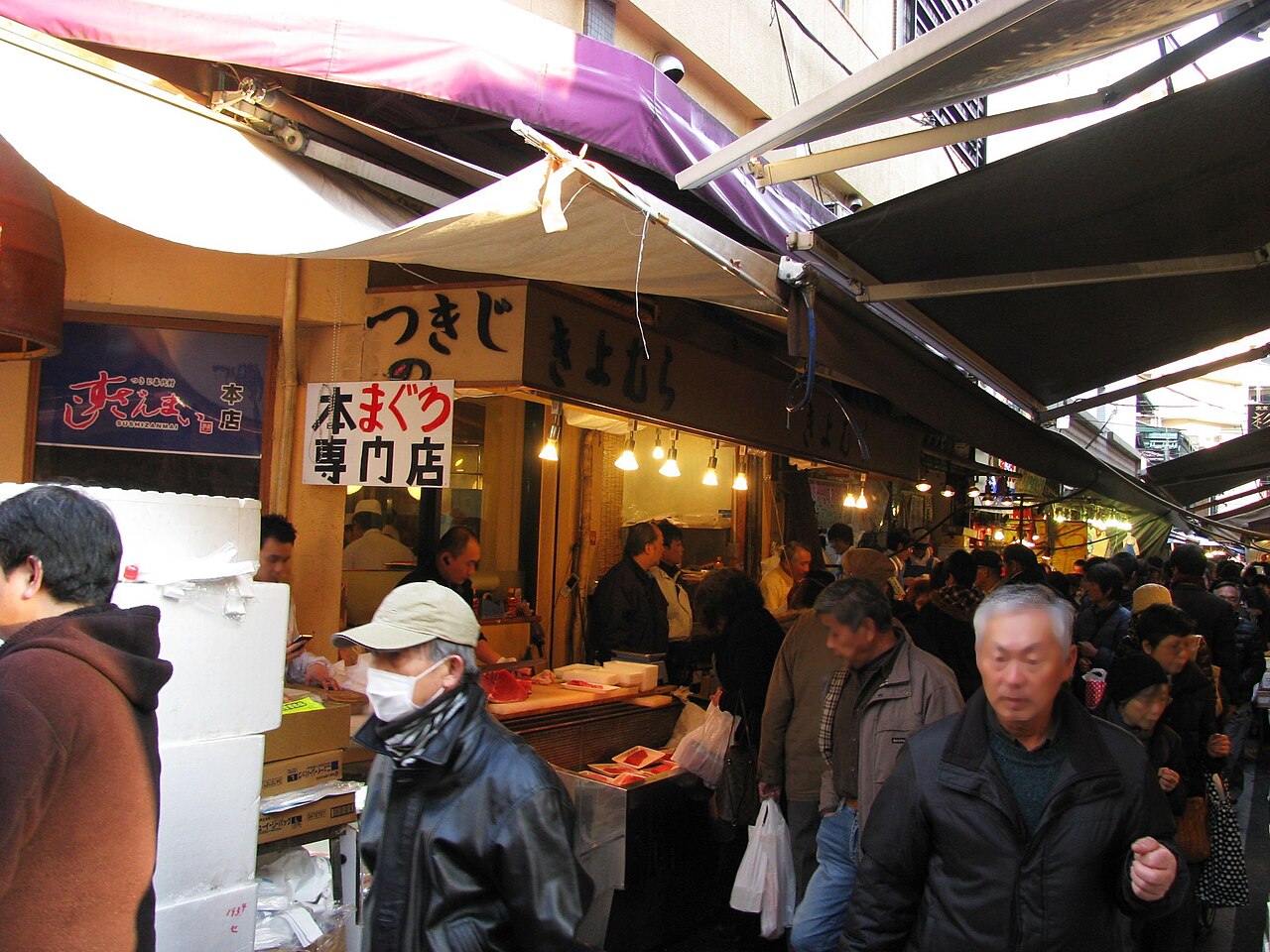
While the inner wholesale market moved to Toyosu, the Outer Market remains with restaurants, food stalls, and kitchen supply shops.
How to Enjoy
Sushi Breakfast
Multiple sushi restaurants serve fresh morning meals. Arrive early for popular spots.
Street Food
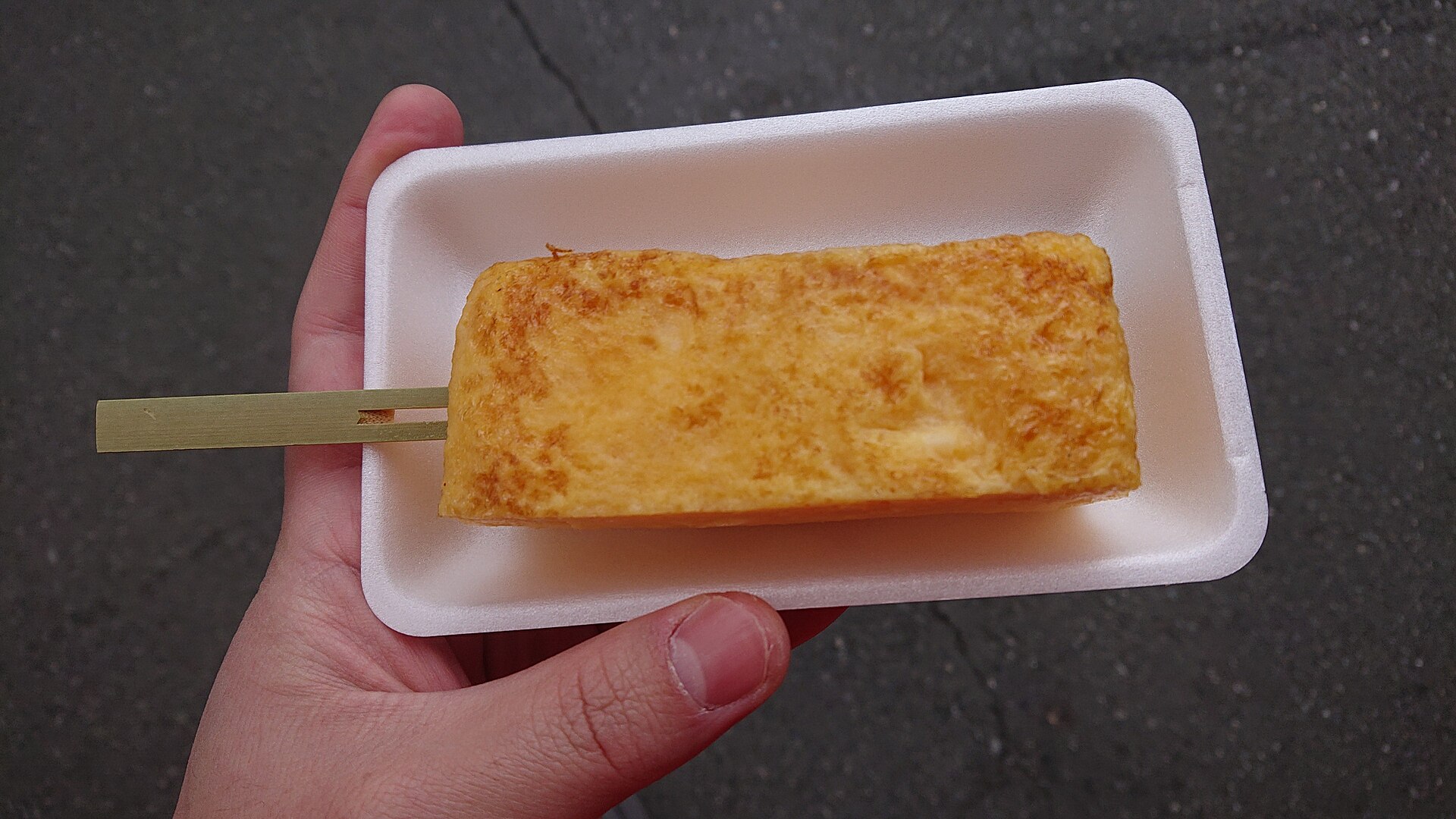
Tamagoyaki (egg omelet), fresh oysters, grilled seafood on sticks.
Getting There
From Narita Airport (NRT)
Recommended (Mid-range): Take the 🟠 Keisei Access Express from Terminal 1 or 2. Look for a train bound for Haneda Airport, which runs through to the 🩷 Toei Asakusa Line. Disembark at Higashi-ginza Station in approximately 70–80 minutes, then walk 5 minutes to the market. Terminal 3 passengers should take the shuttle to Terminal 2 first. Premium: Take the 🔵 Keisei Skyliner to Ueno Station, then transfer to the Tokyo Metro Hibiya Line to Tsukiji Station (approximately 60–70 minutes total).
From Haneda Airport (HND)
Recommended (Mid-range): Take the 🔴 Keikyu Line (Airport Express) from any terminal (T1, T2, T3). This line connects directly to the 🩷 Toei Asakusa Line. Get off at Higashi-ginza Station in approximately 30–40 minutes. Budget: The 🔵 Tokyo Monorail to Hamamatsucho Station, followed by a transfer to the 🟣 Toei Oedo Line (to Tsukiji Shijo Station), takes approximately 45–50 minutes.
Shibuya to Tsukiji
Take the 🟠 Tokyo Metro Ginza Line from Shibuya to Ginza (about 15 minutes), then change to the Tokyo Metro Hibiya Line for two stops to Tsukiji. Allow 25–30 minutes door to door. Ginza is a large interchange — follow the Hibiya Line signs before you pass through any ticket gates.
Akihabara to Tsukiji
The simplest route in this guide: the Tokyo Metro Hibiya Line runs straight through from Akihabara (H-16) to Tsukiji (H-11). Five stops, no transfer, around 10 minutes. You pass Kodemmacho, Ningyocho, Kayabacho and Hatchobori on the way.
Tokyo Station to Tsukiji
One stop on the 🔴 Tokyo Metro Marunouchi Line to Ginza, then two stops on the Tokyo Metro Hibiya Line to Tsukiji — about 15 minutes in total. A taxi covers the same ground in roughly 10 minutes.
Shinjuku to Tsukiji
The 🟣 Toei Oedo Line runs directly from Shinjuku to Tsukiji Shijo Station, about 20–25 minutes with no transfer.
Ueno to Tsukiji
Also direct on the Tokyo Metro Hibiya Line — seven stops south from Ueno (H-18) to Tsukiji (H-11), roughly 15 minutes.
More point-to-point routes across Tokyo, Kyoto and Osaka are collected in our station-to-station guide.
Local Access
The market is served by two main stations: Tsukiji Shijo Station on the 🟣 Toei Oedo Line (Exit A1) and Tsukiji Station on the Tokyo Metro Hibiya Line (Exit 1 or 2). Both are approximately a 1–3 minute walk from the shops. Higashi-ginza Station (🩷 Toei Asakusa Line) is also walkable in approximately 5 minutes. IC cards (Suica, PASMO) are accepted on all lines.
🎫 Guided food experiences at Tsukiji Outer Market
Small-group walks fill up, so book ahead if your dates are fixed. Ratings shown are Klook’s as of August 2026.
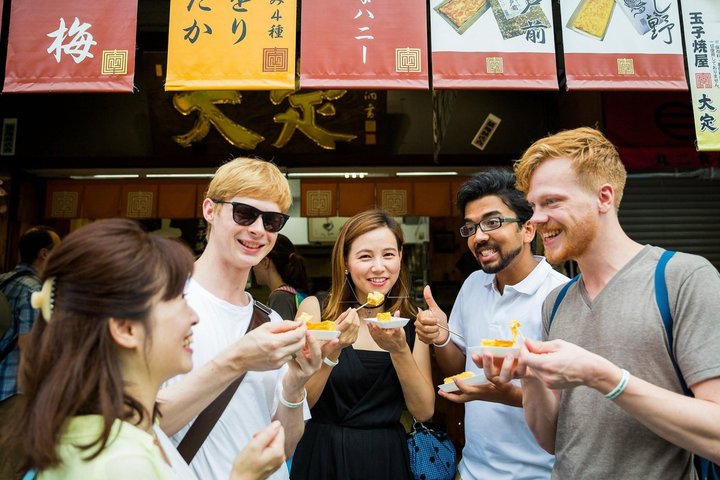
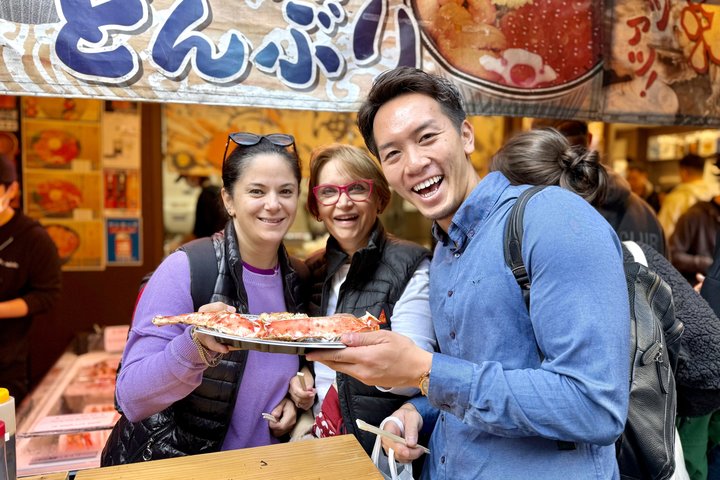
Affiliate links — we may earn a commission at no extra cost to you.
The wholesale fish market moved to Toyosu in 2018, but the Outer Market that grew up around it stayed exactly where it was. Roughly 460 shops selling seafood, kitchenware, dried goods and ready-to-eat food still fill a grid of narrow streets a few minutes’ walk from Ginza (as of August 2026). Several of the vendors traded in the old inner market and now sell the same professional-grade product in retail portions, which is why the area is still worth a morning rather than a quick detour.
What people come here to eat
Tamagoyaki on a stick. Tsukiji Yamachou, on Namiyoke-dori, has been hand-grilling sweet rolled omelet since 1949, and Tokyo’s official tourism guide flags it as worth the queue.
Tuna rice bowls. Tekkaya Hiei, in the food court on the third floor of the Tsukiji Uogashi building, came out of the old wholesale market in 2020. Its signature bowl puts lean tuna, medium fatty tuna and fatty tuna in the same dish.
Shellfish. Watanabe, on the ground floor of the same Uogashi building at the back of the Outer Market, deals in shellfish. Some of the staff speak English, and the rest are happy to work it out by gesture.
Market rules that catch visitors out
Bring cash. Most stores here are cash only, even though the rest of Tokyo has largely gone cashless. Withdraw before you arrive rather than hunting for an ATM in the alleys.
Do not eat while walking. Buy, then eat in the shop or in a designated area, and use the bins the stalls provide. The third-floor food court in the Uogashi building exists for exactly this.
The early hours belong to the trade. The first part of the morning is reserved for professional buyers, and parts of the Uogashi building stay closed to visitors until later. Mid-morning is when the market is at its busiest.
Check the calendar. The Outer Market follows the closure days of the city wholesale market, so many shops shut on Wednesdays, Sundays and national holidays (as of August 2026).
Leave the suitcase behind. Wheeled luggage blocks the passages, so use a coin locker. Strollers can be left at the information centre, Plat Tsukiji.
Do not haggle, and ask before you photograph. Goods are already priced at wholesale level and bargaining is not a local custom. Some shops post no-photography notices on their displays.
Getting your bearings
The information centre inside the market hands out shop-location maps and pamphlets in several languages, which is the fastest way to find a specific stall in a grid that is not signposted in English throughout. If this style of food street appeals, Nishiki Market in Kyoto and Kuromon Market in Osaka are the closest equivalents elsewhere in the country.
If you would rather be guided
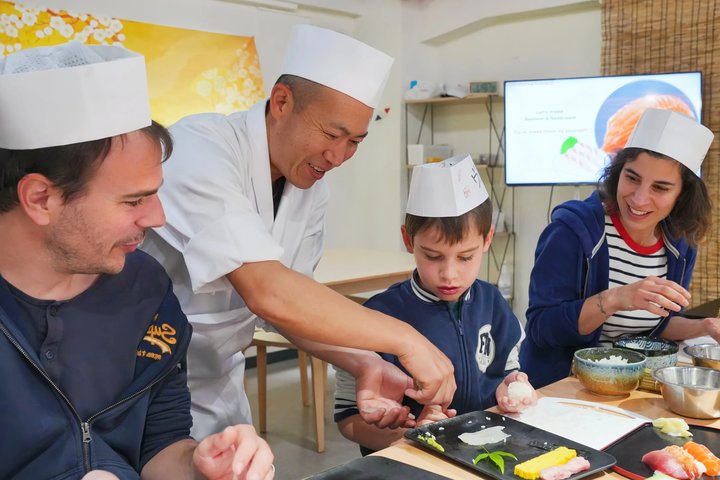
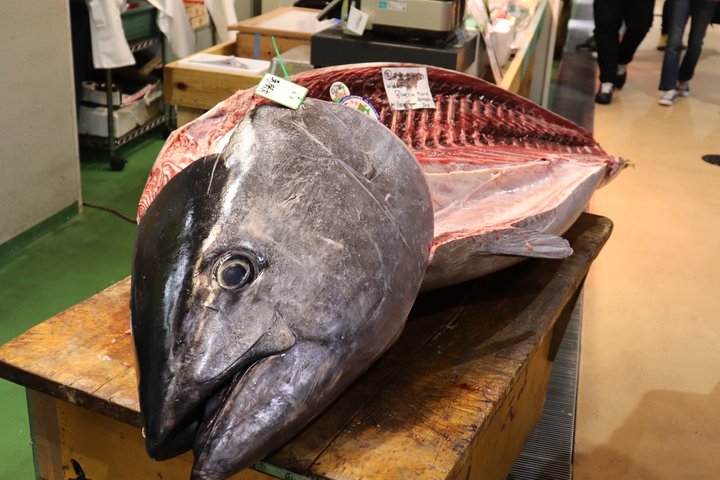
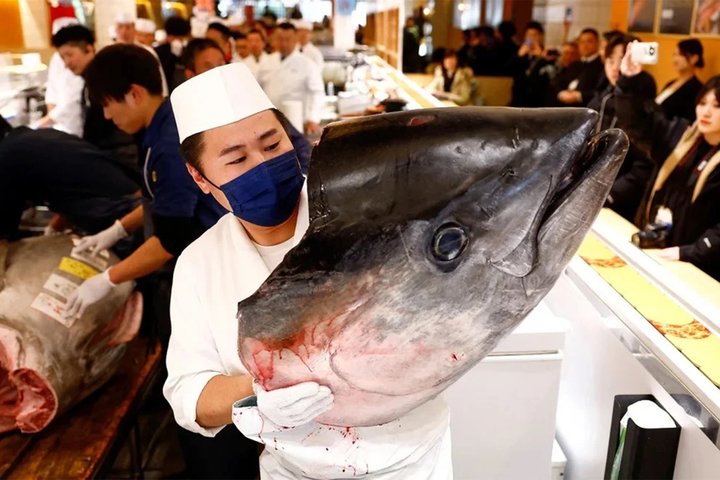
Several operators run English-language walks of the Outer Market: half-day small-group food tours, shorter two- to three-hour street-food walks, and sushi-making classes held at the market itself. There are also combined tours that pair the Outer Market with the tuna auction at Toyosu, which is the simplest way to see both halves of the story in one morning.
Details above reflect the market’s official guidance and Tokyo’s official tourism information as of August 2026. Shop line-ups and closure days change, so check before making a special trip.
Sources
Last updated: 2026-08-22