
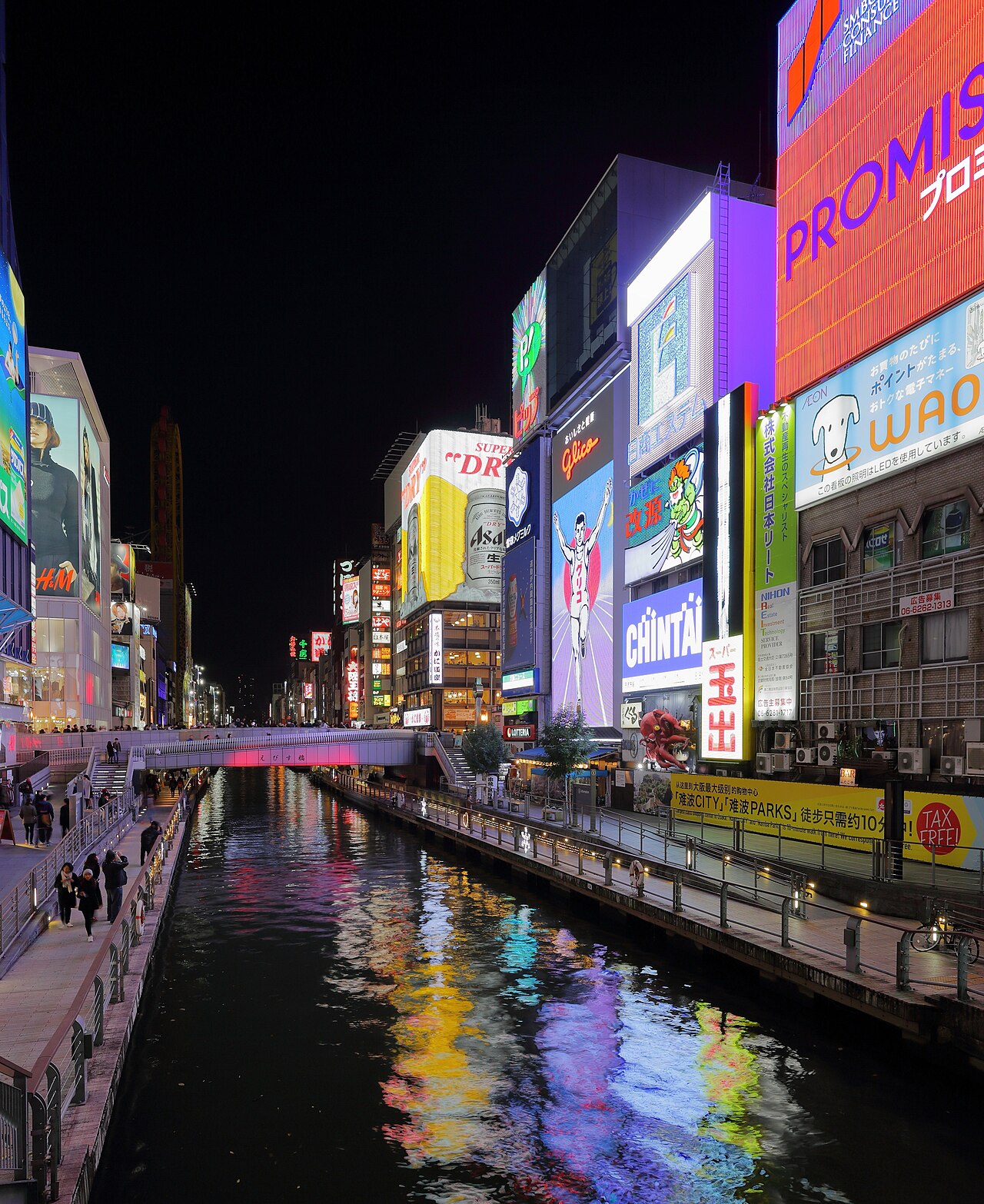
This guide is for travelers seeking neon lights and street food. It answers: “What to do in Dotonbori?”
Quick Facts
- Best for: Foodies, nightlife seekers, first-time visitors
- Time needed: 2-4 hours
- Access: Namba Station (multiple lines)
- Best time: Evening for neon lights
Overview
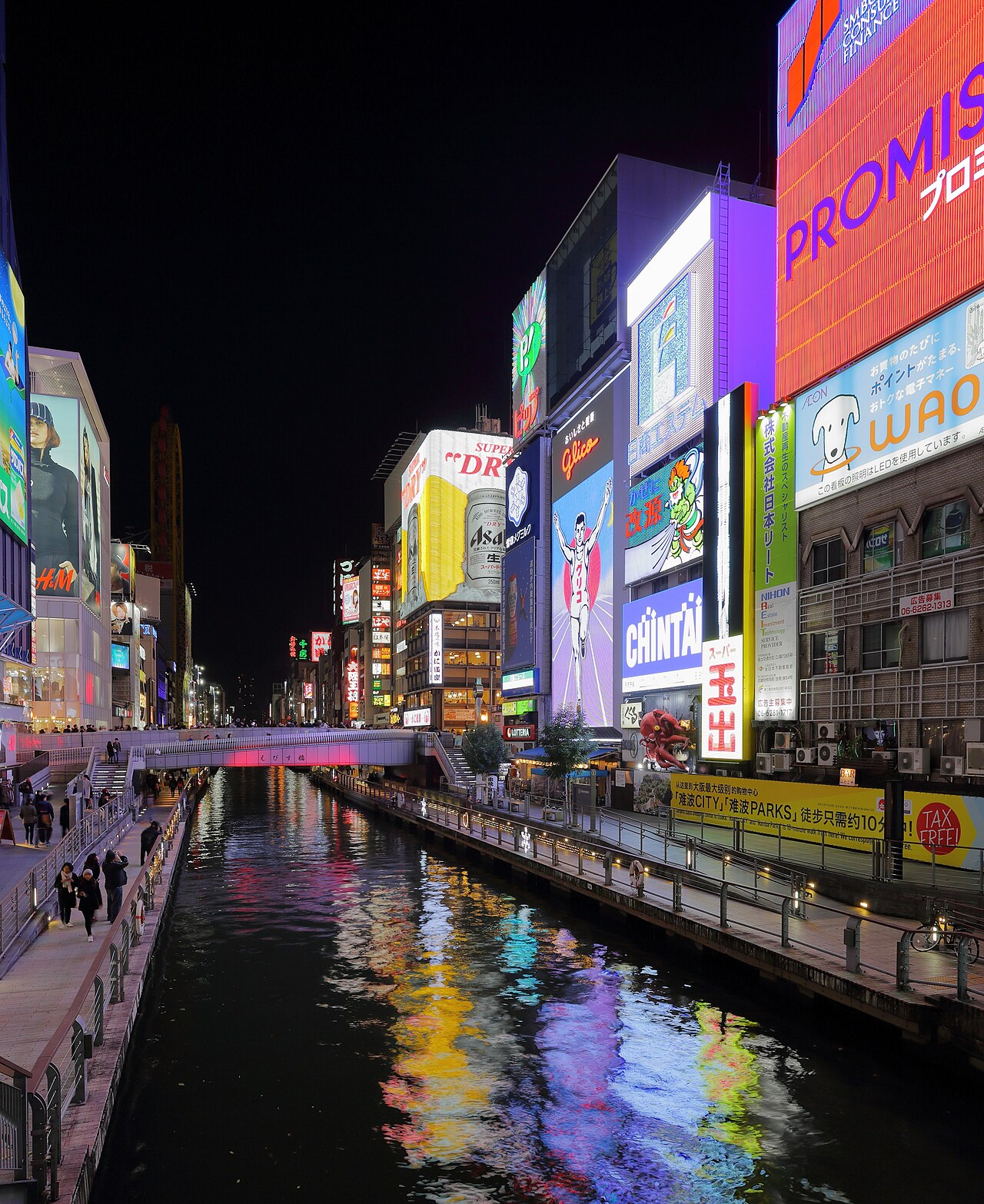
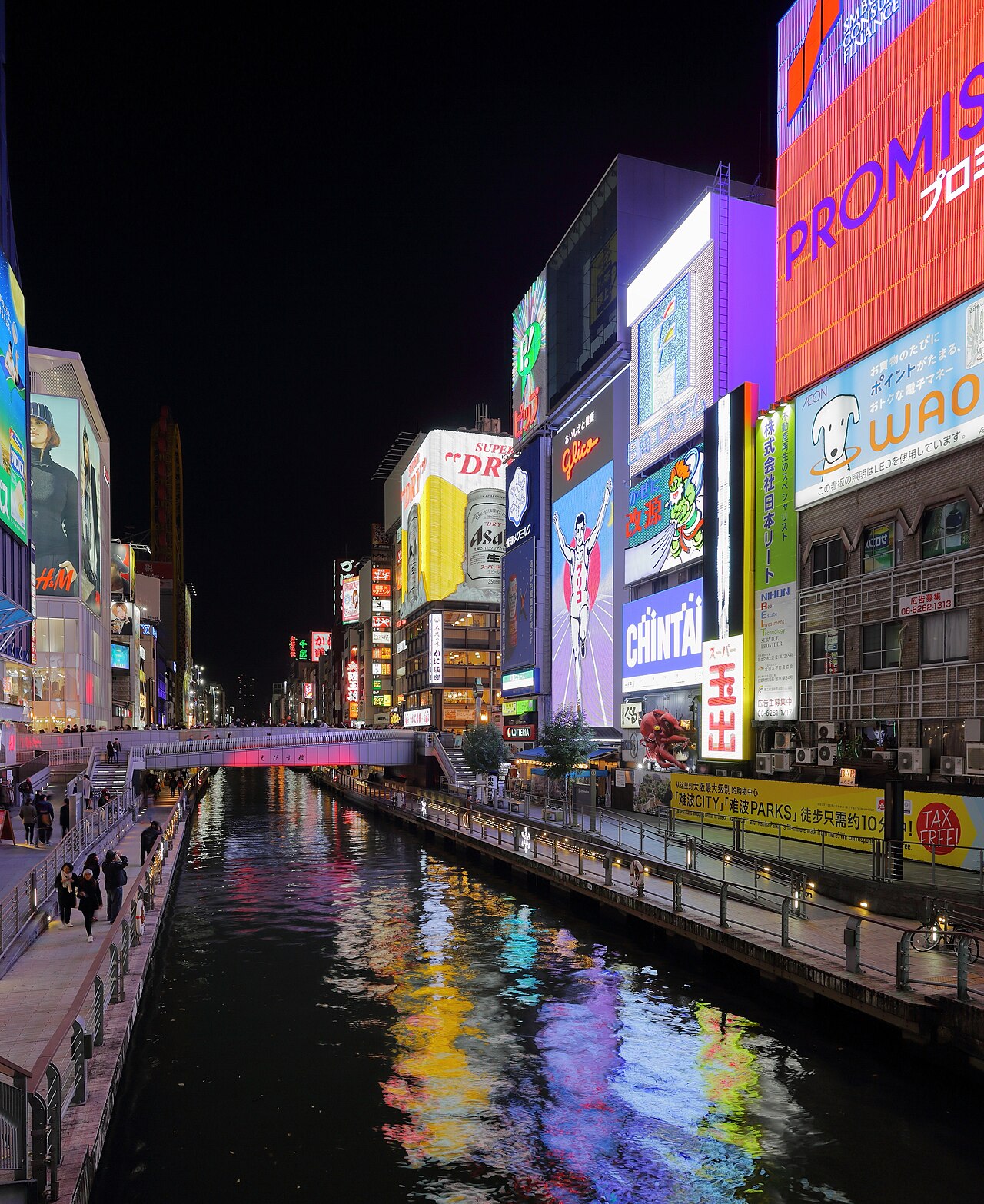
Dotonbori is Osaka’s most famous entertainment district. The canal-side area is known for giant neon signs (including the iconic Glico Running Man), bustling food stalls, and energetic atmosphere. Peak Osaka experience.
What to Do
Eat Everything
Takoyaki – Octopus balls from countless vendors. Okonomiyaki – Savory pancake, Osaka style. Kani Doraku – Famous crab restaurant with giant moving crab sign.
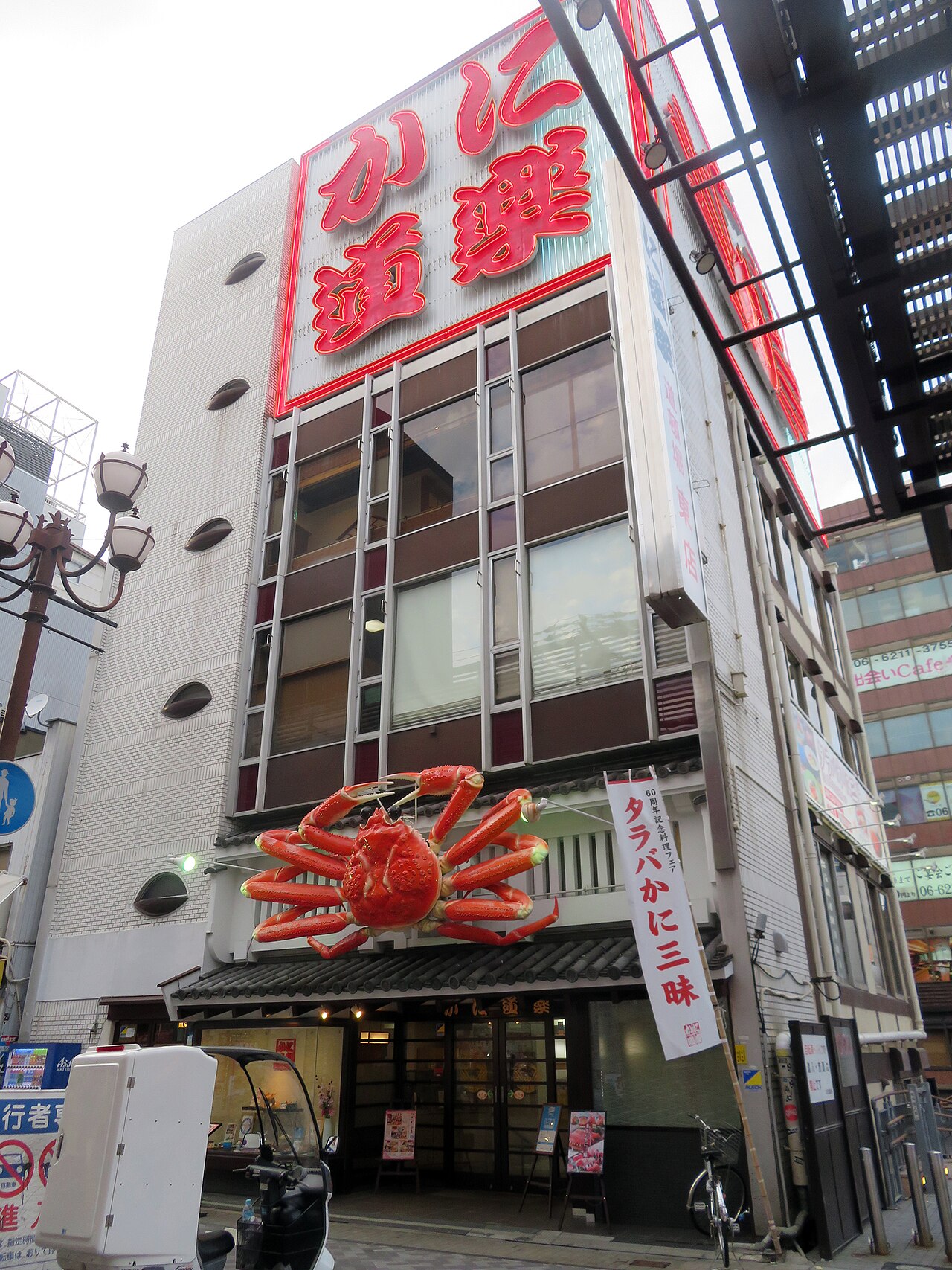
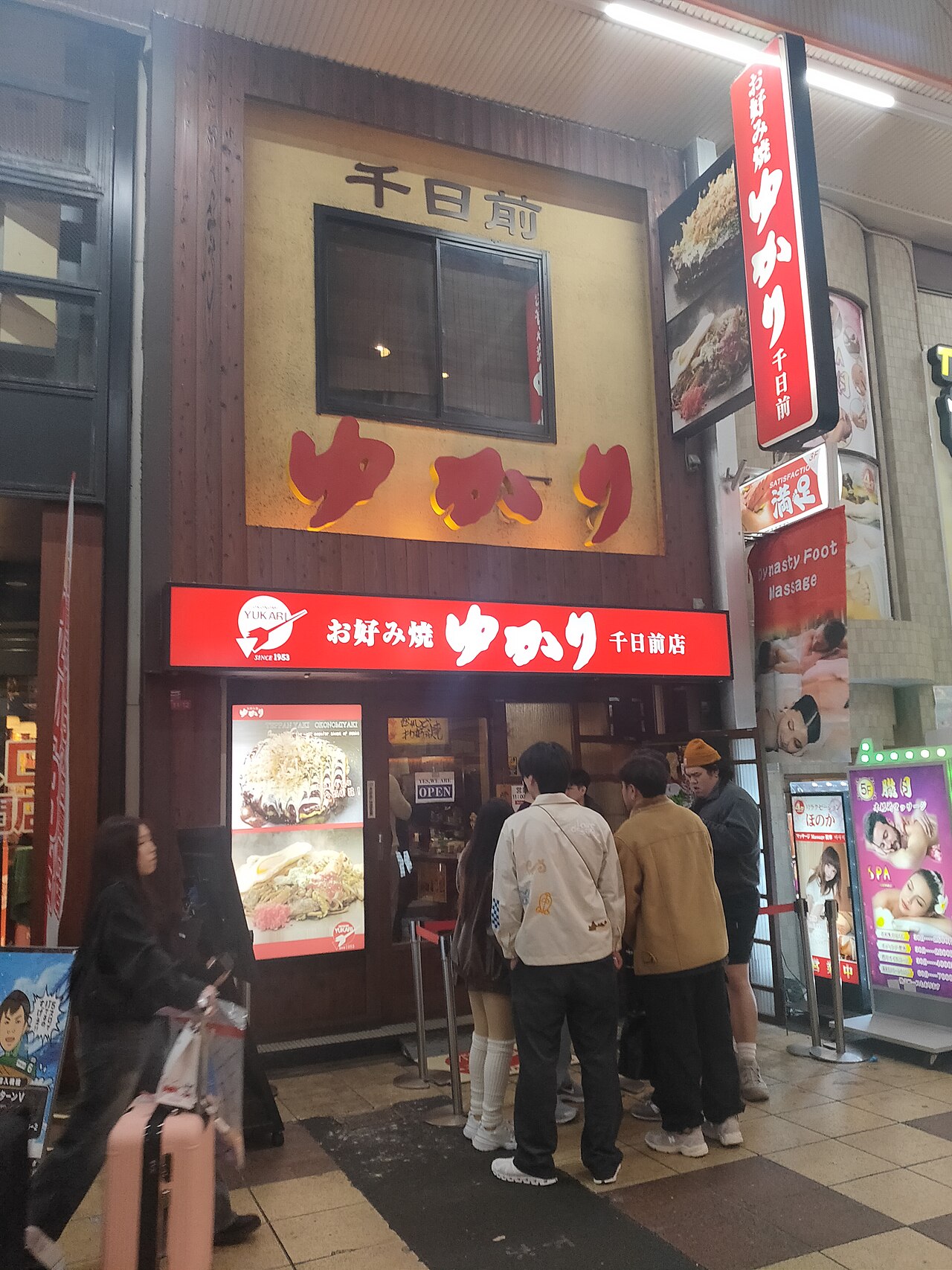
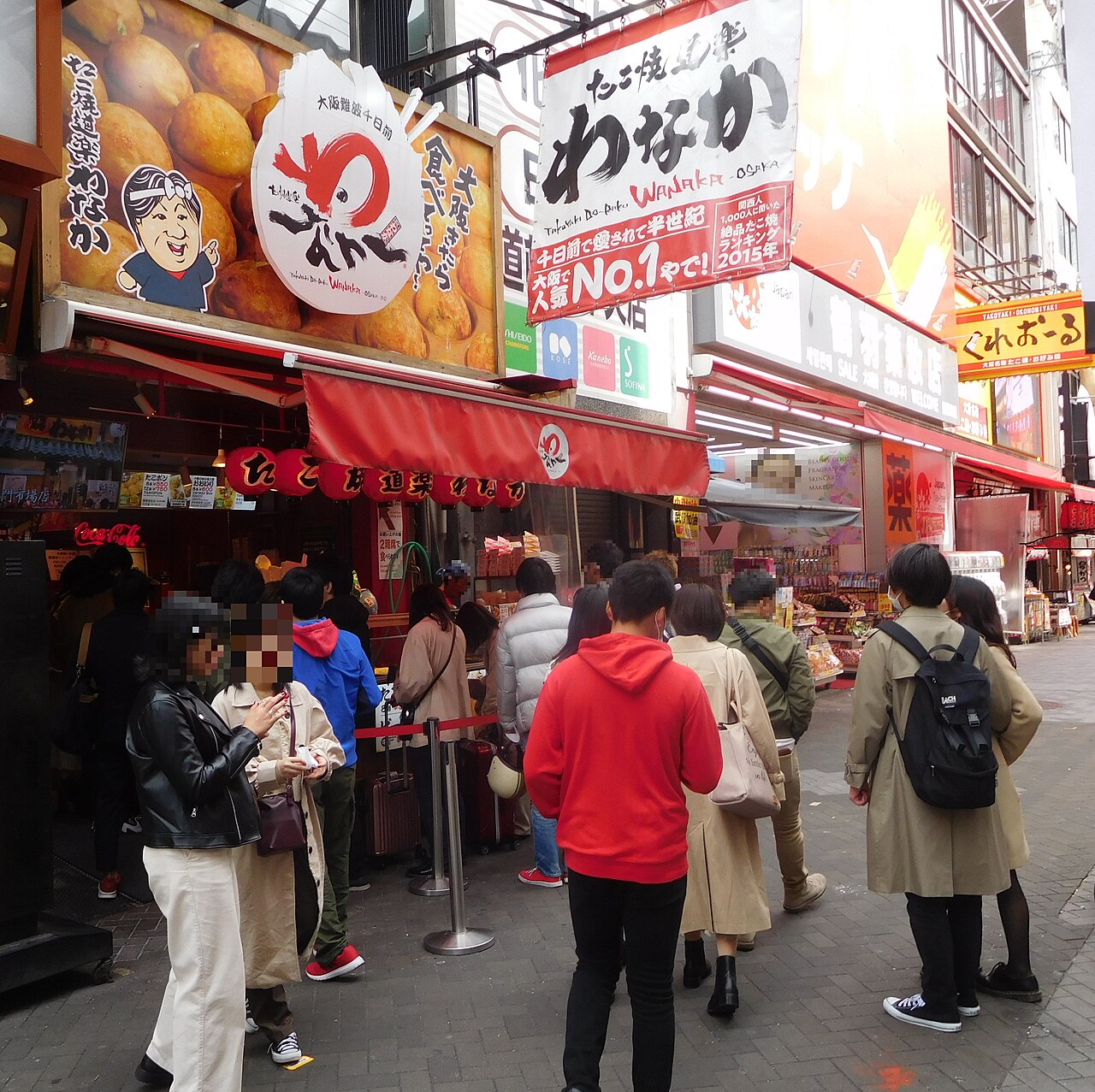
Photo Spots
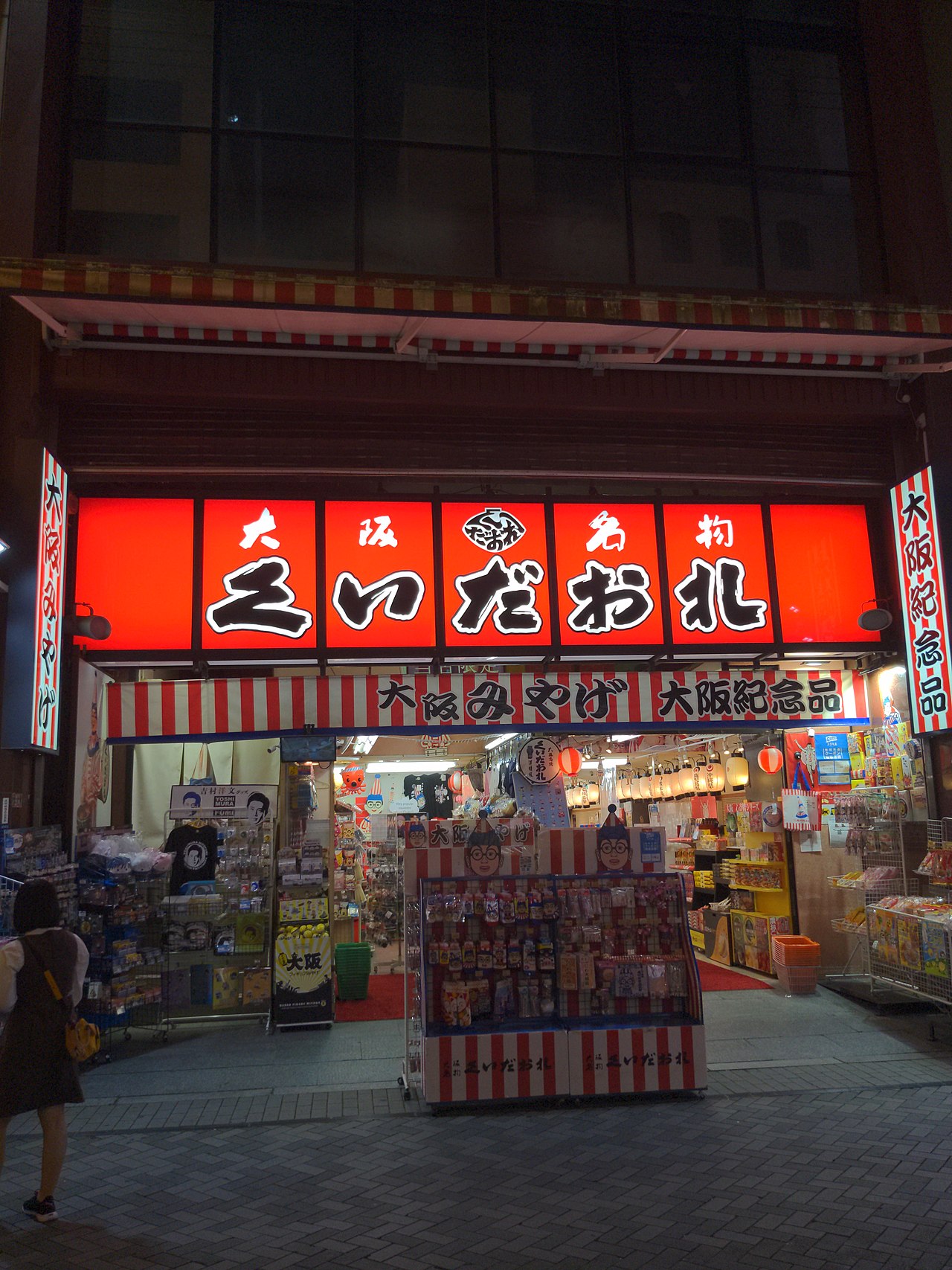
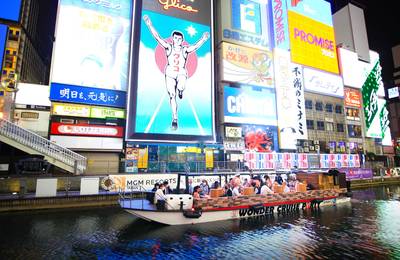
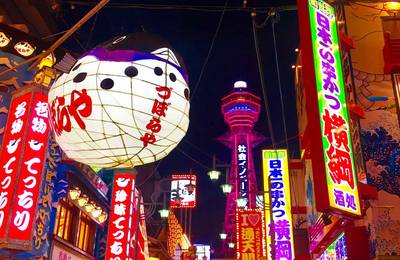
Glico Running Man sign on Ebisu Bridge. Kani Doraku crab. Kuidaore Taro drum-playing clown. Best after dark when neon is brightest.
Shopping
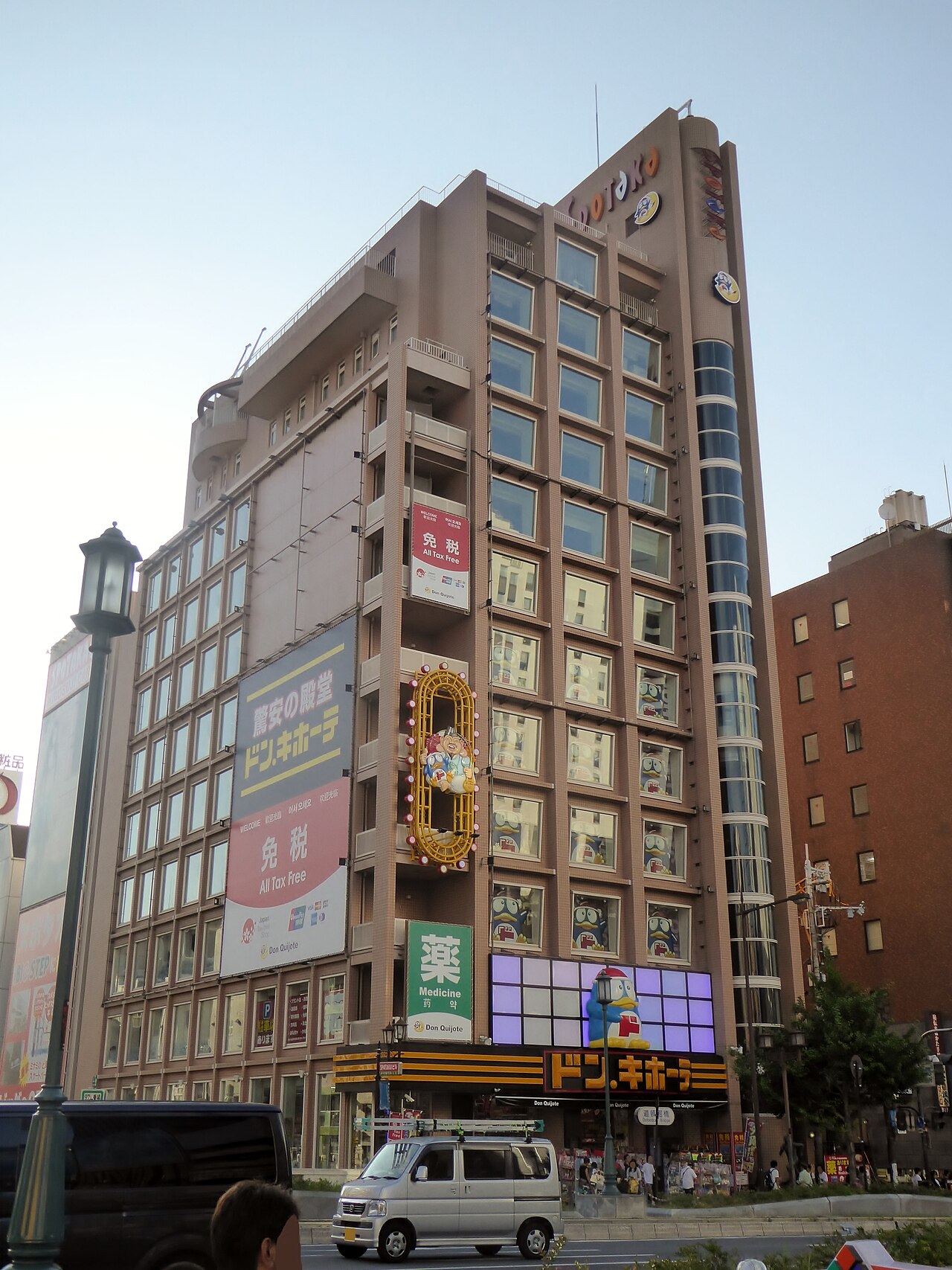
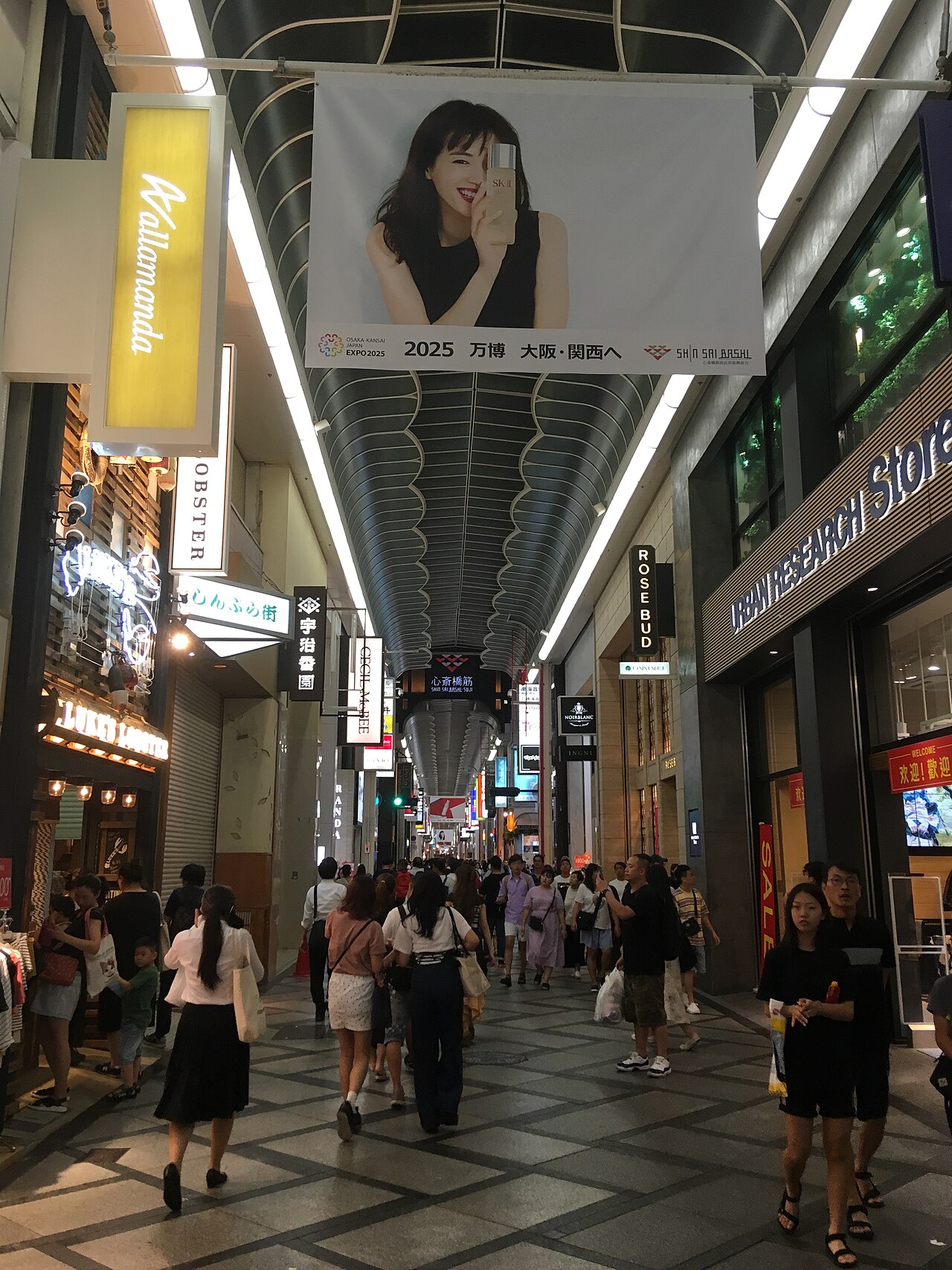
Don Quijote (24-hour discount store). Shinsaibashi shopping arcade extends north. Mix of chain stores and local shops.
🎫 Things to do in Dotonbori
Reserve online ahead of time — popular slots sell out, and you skip the ticket line. Prices are a guide (from, USD); check the current price on Klook.
Affiliate links — we may earn a commission at no extra cost to you.
Tips
- Crowds: Very busy evenings and weekends.
- Eating: Standing and walking while eating is acceptable here (unlike most of Japan).
Getting There
From Kansai International Airport (KIX)
Recommended (Mid-range/Premium): Take the 🔵 Nankai Line from Terminal 1 directly to Nankai Namba Station. The limited express “Rapi:t” takes approximately 35–40 minutes (Premium), while the Airport Express takes approximately 45 minutes (Mid-range). Terminal 2 users (Peach/LCC) must take the free shuttle bus to Terminal 1 to access the train station. Budget: JR trains serve the airport but generally require a transfer at Tennoji to reach the Namba area, making the Nankai Line the preferred route for Dotonbori.
From Osaka Itami Airport (ITM)
Recommended (Mid-range): Take the Airport Limousine Bus directly to Namba Station in approximately 30–40 minutes. This is significantly more convenient than train options, which require multiple transfers involving the Osaka Monorail and Hankyu lines.
Namba Station to Dotonbori
Dotonbori is directly above the Namba interchange — Osaka’s official tourism site describes it as right outside the station. Come up on the north side and walk a few minutes along Midosuji or through the Namba Walk underground arcade and you reach Ebisubashi, the bridge in front of the Glico sign. Namba is served by the 🟠 Osaka Metro Midosuji, Sennichimae and Yotsubashi Lines as well as the Nankai and Kintetsu railways.
Nipponbashi to Dotonbori
Nipponbashi Station sits at the eastern end of Dotonbori-dori. Walk west along the street and you are in the middle of the neon in about five minutes, passing Hozenji Yokocho on the way if you take the side lanes.
Osaka Station (Umeda) to Dotonbori
Walk through to Umeda Station and take the 🟠 Osaka Metro Midosuji Line south to Namba — about eight minutes, no transfer.
Shin-Osaka to Dotonbori
The 🟠 Osaka Metro Midosuji Line runs directly from Shin-Osaka to Namba in about 15 minutes, which makes Dotonbori an easy first stop straight off the Shinkansen.
Does Dotonbori have opening hours?
No. Dotonbori is a public street rather than a facility, so there is no opening or closing time and no admission fee — Osaka’s official tourism site simply lists the area’s business hours as varying by store. The neon signs, including the Glico running man, come on after dark, and the street is at its busiest in the evening, when Ebisubashi is shoulder to shoulder. Early morning is the quiet window if you want photographs without the crowds.
More point-to-point routes across Tokyo, Kyoto and Osaka are collected in our station-to-station guide.
Local Access
Dotonbori is located immediately north of the Namba transport hub. The area is served by Namba Station (🟠 Osaka Metro Midosuji Line, Sennichimae Line, Yotsubashi Line), Osaka-Namba Station (🔴 Kintetsu Line, Hanshin Line), and Nankai Namba Station (🔵 Nankai Line). The main canal area and Glico Man sign are approximately a 3–5 minute walk from Exit 14 or Exit 15B. ICOCA cards are accepted on all trains and subways in the Kansai region.
Sources
- Tourism board: Osaka Info
Last updated: 2026-02-03
Why the street looks like this
The canal is older than anything on its banks. It is named after Yasui Doton, who put his own fortune into digging it and saw it completed in 1612, roughly a decade after Sekigahara. Theatres moved onto the new waterfront, restaurants grew up around the audiences, and the street has been feeding people leaving performances ever since. That lineage is still visible: kabuki at Shochikuza, bunraku puppet theatre at the National Bunraku Theatre, and stand-up comedy at Namba Grand Kagetsu and the Kadoza.
The signs come from the same competitive instinct. Kuidaore Taro, the drumming mechanical figure, was built by a bunraku puppeteer — which is a neater explanation of Dotonbori’s aesthetic than any guidebook line about neon.
Beyond takoyaki and okonomiyaki
Kushikatsu is the third dish the street is built on and the one visitors most often miss. Deep-fried skewers, eaten standing, closely associated with Daruma and its rotating figure mounted on the roof. The no-double-dipping rule for the communal sauce is real and taken seriously.
For sit-down crab, Kani Doraku sits under the animated crab that half of Osaka’s postcards use. Osaka street food covers the wider dish list.
Shops on the main stretch
Names are useful here because the frontages blur together after dark. These sit in Dotonbori 1-chome and the Namba 1-chome side of the canal, close enough to walk between.
- Creo-Ru Dotonbori — takoyaki and okonomiyaki counter, 1-chome.
- Honke Ootako Dotonbori Honten — takoyaki with seating inside, so you are not eating in the crowd.
- Namba Okonomiyaki Ajinoya Honten — okonomiyaki, just across in Namba 1-chome.
- BOTEJYU Dotonbori — flagship okonomiyaki store on the main street.
- OKO takoyaki — about eight minutes away in Higashi-Shinsaibashi, and one of the few places nearby that advertises vegan, vegetarian and gluten-free versions. Confirm with the shop before making it your plan.
Practical notes
Opening hours are genuinely inconsistent. Osaka’s official tourist guide records the district’s hours as varying by store rather than publishing a range, so if one particular shop is the reason you are going, check that shop rather than the district (as of August 2026).
The canal boat is the crowd shortcut. A short sightseeing cruise along the river passes the whole run of signs in one go, which beats pushing along the walkway to photograph them one at a time.
Pair it, don’t isolate it. Dotonbori is compact and works best attached to something else — Kuromon Market in the morning, Shinsekai for a rougher, older version of the same idea, or the wider Osaka nightlife once the signs come on.
History and district information above follow Osaka’s official tourism guidance as of August 2026. Individual shop hours and menus change — check before a special trip.