
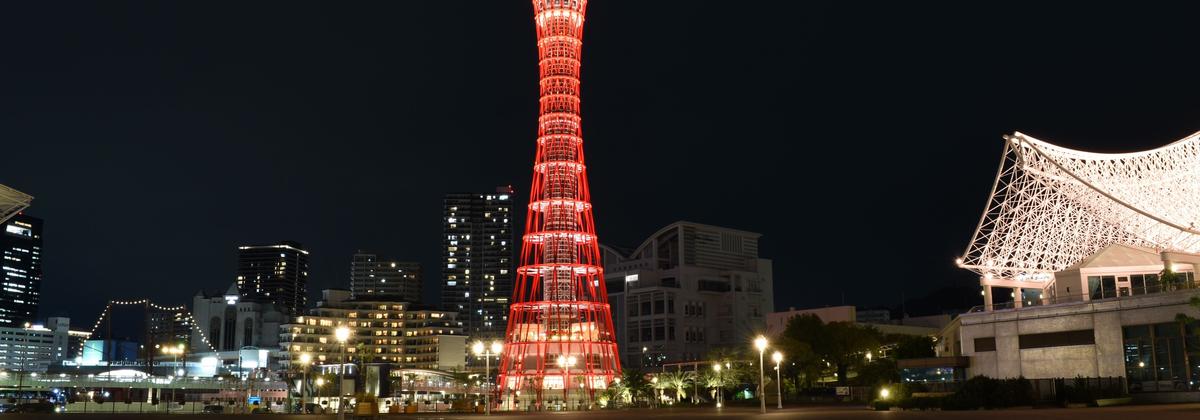
Kobe is squeezed into a narrow strip between the Rokko mountains and the Seto Inland Sea, and that constraint has made it one of the more walkable large cities in Japan — the sea is downhill, the mountains are uphill, and it is difficult to get lost. Like Yokohama it was a treaty port opened to foreign trade in the nineteenth century, and it kept the results: a hillside of European merchant houses, a small Chinatown, and a cosmopolitan food culture that runs well beyond the beef the city is famous for. It is around half an hour from Osaka and under an hour from Kyoto, which makes it an easy addition to a Kansai itinerary and a viable base in its own right.
Kobe is a stylish port city between the mountains and the sea, famous for Kobe beef and Nada sake. Ride up to the Nunobiki herb gardens and Mt Rokko, soak at Arima Onsen, and it’s a short hop to Himeji Castle and Awaji Island.
Some links below are affiliate links — we may earn a small commission at no cost to you. Prices are a guide (from USD); check the latest on Klook.
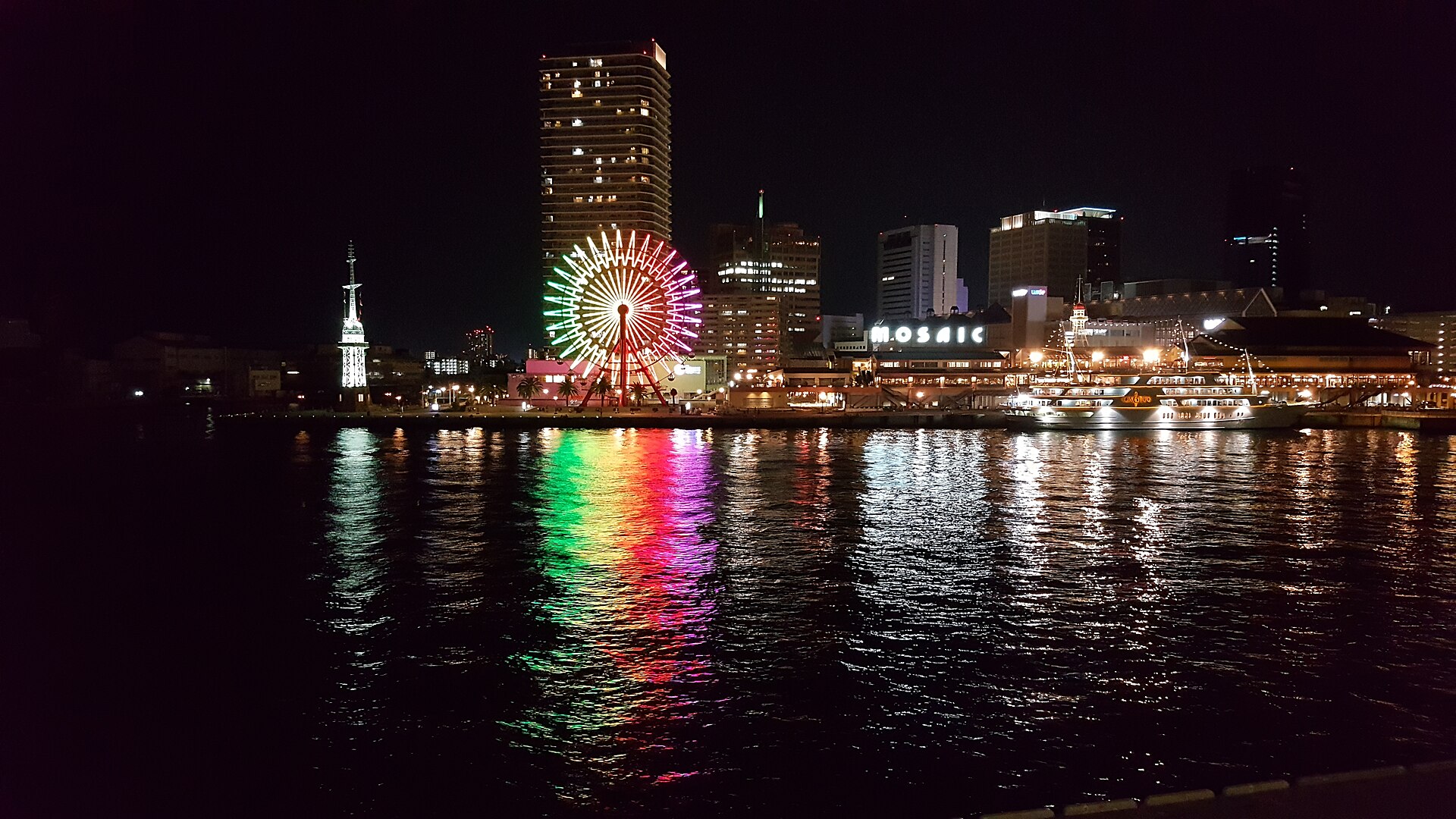
Top things to do in Kobe
Kitano-cho, the hillside district above Sannomiya, holds the ijinkan — Western-style residences built for foreign traders from the 1880s onward, several of which are open to visitors. Downhill, Meriken Park and the Harborland waterfront hold the red Port Tower and the Maritime Museum, along with a preserved section of quay left deliberately as it was after the 1995 earthquake, which is a quietly effective memorial. Nankinmachi, Kobe’s Chinatown, is compact but lively, and the Nunobiki Herb Garden is reached by ropeway from near Shin-Kobe Station for a wide view over the bay. Most of this fits in a single day on foot. Individual houses and museums keep their own closing days, so check ahead if one is a priority.
Kobe beef & Nada sake
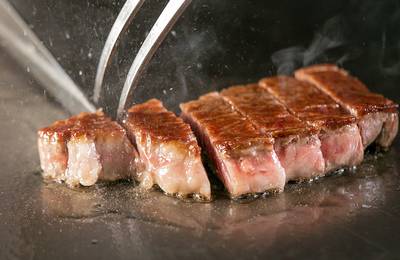
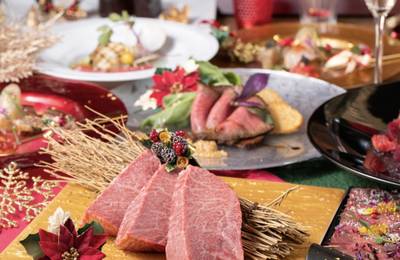
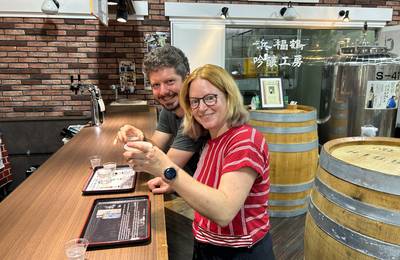
Kobe beef is a specific certified grade of Tajima-strain wagyu raised in Hyogo Prefecture, and the certification is what separates the real thing from the name used loosely abroad; restaurants serving it usually display the certificate and the individual animal’s identification number. Teppanyaki, cooked on an iron griddle in front of you, is the standard presentation, and a steak lunch is typically far less expensive than the same cut at dinner. The other local product is sake: the Nada district east of the centre has been Japan’s largest brewing area for centuries, thanks to hard local water and cold winter winds off the mountains, and several breweries there run free or low-cost museums with tastings. Reservations are advisable for the better-known beef restaurants.
Himeji Castle
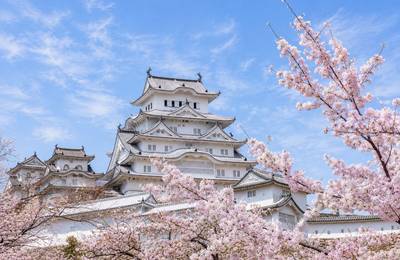
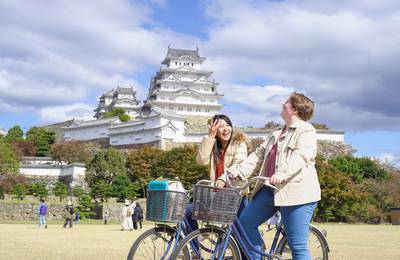
Himeji Castle is about forty minutes west of Kobe by rapid train and is the single most complete surviving castle in Japan — never destroyed by war, fire or earthquake, and a UNESCO World Heritage site since 1993. Its white plastered walls give it the nickname White Heron Castle, and a major restoration completed in the mid-2010s returned the roofline to its original brightness. The interior climb through the main keep is steep and involves ladder-like stairs, which is worth knowing in advance. Koko-en, a set of reconstructed Edo-period gardens, sits next door and is usually sold as a combined ticket. The castle is a straight walk from Himeji Station, and entry numbers are sometimes capped during cherry blossom season.
Arima Onsen & Mt Rokko
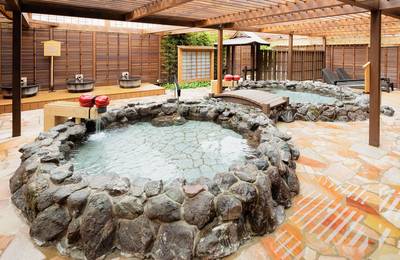
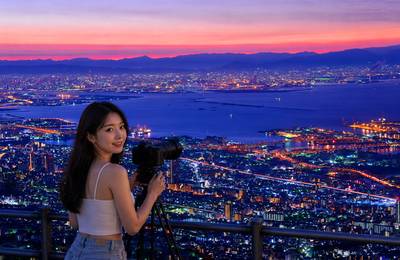
Arima, on the far side of the Rokko range, is one of the oldest recorded hot-spring towns in Japan and is reachable from central Kobe in around half an hour. It is known for two distinct waters: kinsen, an iron-rich spring that oxidises to a rusty gold, and ginsen, a clear carbonated and radium spring. Several inns open their baths to day visitors, and there are public bathhouses for those not staying overnight. Getting there over Mt Rokko rather than through the tunnel is the more scenic option, combining a cable car up from the Kobe side with a ropeway down to Arima; the summit has observation points that are a standard stop for the night view over the bay. Ropeway operation depends on weather and on seasonal maintenance.
Awaji Island & theme parks
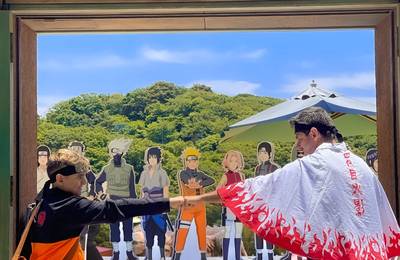
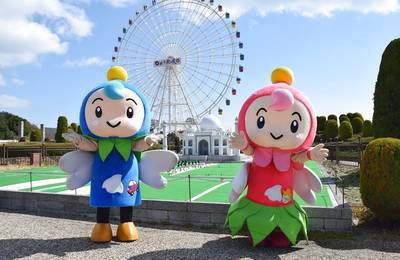
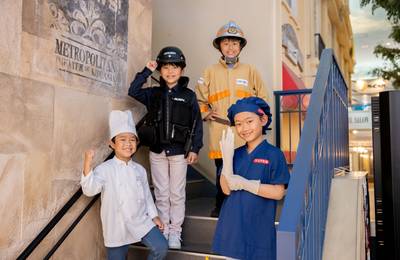
Awaji Island lies across the Akashi Strait, connected to Kobe by the Akashi Kaikyo Bridge, which was for many years the longest suspension bridge in the world and can be toured on a walkway beneath the deck. The island itself is rural and agricultural, known for onions, and now also for a cluster of built attractions including flower parks, an anime-themed park and several architect-designed buildings. Closer to the city, Kobe Animal Kingdom near the port combines a greenhouse of hanging flowers with free-roaming birds and animals, and the Kobe Port Museum aquarium sits beside it. Buses to Awaji run frequently from Sannomiya, though a car makes the island far easier to explore. Check individual park calendars, as several close on fixed weekdays.
Good to know
Sannomiya is the practical centre of Kobe and the best area for hotels; Shin-Kobe, one stop north, is where the Shinkansen stops and is connected by a short subway ride. The city is long and thin, so almost everything runs east to west along a handful of parallel rail lines — JR, Hankyu and Hanshin — and any of them will get you to Osaka. The climate is mild by Japanese standards, though summer is still humid and the mountain routes can close in winter weather. Kobe’s night view from Mt Rokko is a genuine draw and worth planning an evening around. January 17 is marked locally as the anniversary of the 1995 earthquake, which is worth being aware of if you are visiting then.
- Kobe, Osaka and Kyoto are all close — easy to combine in one trip.
- Book Kobe beef teppanyaki ahead; the best counters fill up.
- Himeji Castle and Awaji Island are short train or bus rides away.
Related guides
The guides below cover the rest of Kansai, most of which is within an hour of Kobe by train.
Last updated: 2026-08-08