
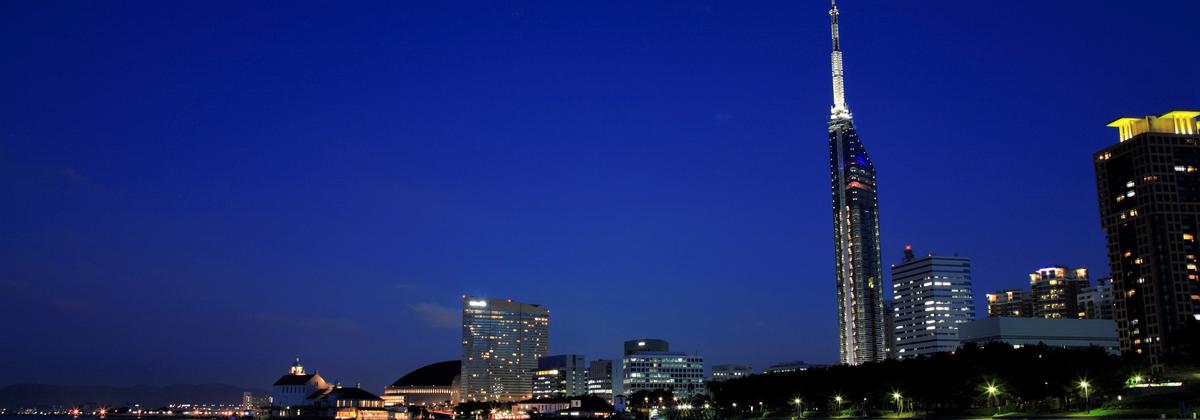
Fukuoka sits at the northern tip of Kyushu, closer to Seoul than to Tokyo, and that geography shapes almost everything about the city. It is compact enough that the airport is roughly five minutes by subway from the Hakata station area — unusually convenient by international standards — yet it opens directly onto mountains, coastline and hot-spring country. Most visitors come for the food first, since Fukuoka is the home of tonkotsu ramen and of the yatai street-food stalls that appear along the riverbank after dark, and then stay for the day trips: the shrine town of Dazaifu, the beaches of Itoshima, and the volcanic interior of Kyushu beyond. This guide covers what there is to do in the city itself and within an easy radius of it.
Fukuoka is Kyushu’s largest city and its gateway — an easy, food-loving base for exploring southern Japan. It’s famous for Hakata ramen and open-air yatai food stalls, with Dazaifu shrine, the Itoshima coast and hot-spring towns like Yufuin all within a day trip. Below are the most popular things to do, plus tours and tickets you can book ahead.
Some links below are affiliate links — we may earn a small commission at no cost to you. Prices are a guide (from USD); check the latest on Klook.
Top things to do in Fukuoka
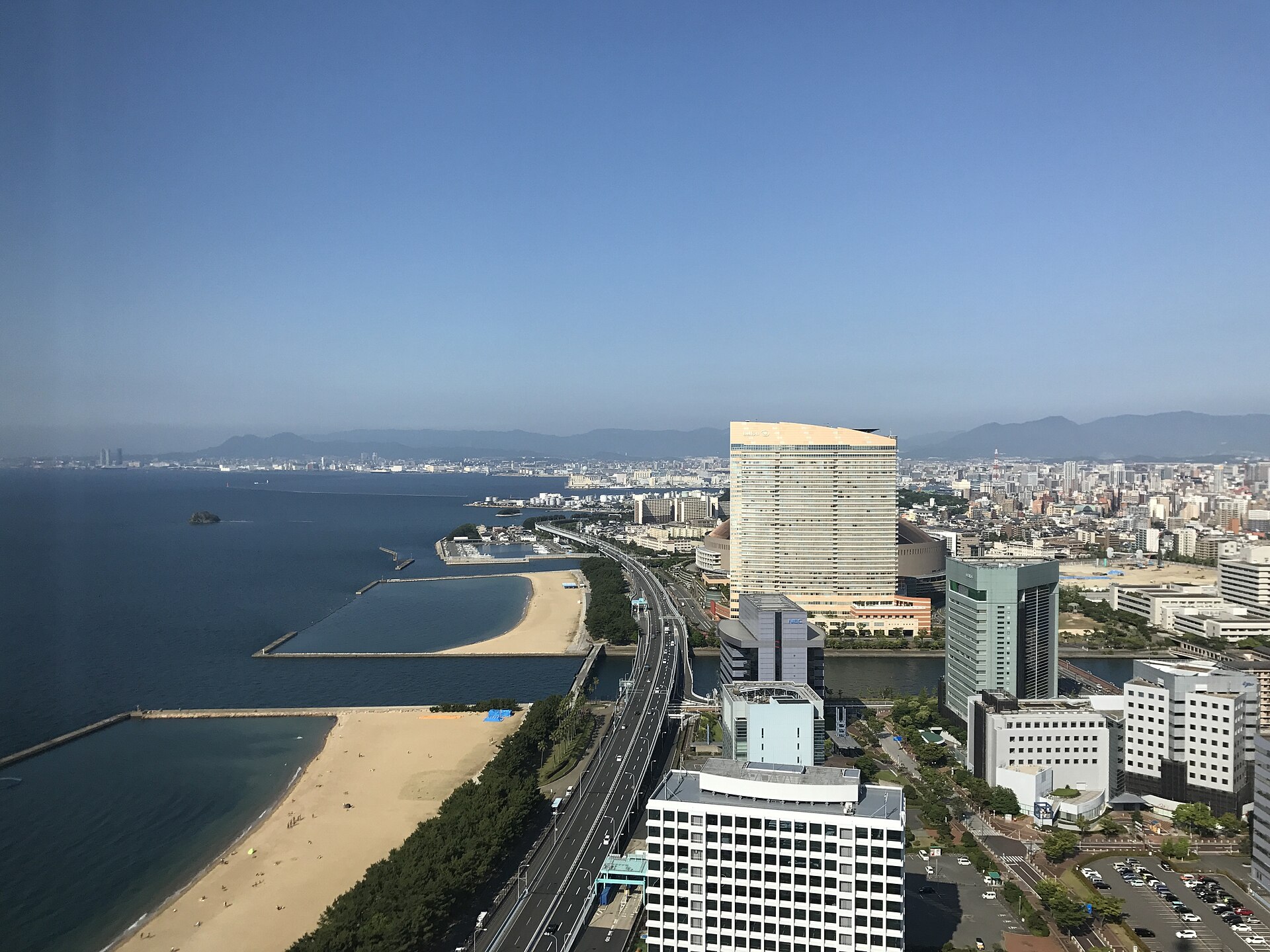
Fukuoka’s sights are spread across two historic halves — Hakata on the east side of the Naka River and Fukuoka proper on the west — which were separate towns until the late nineteenth century. Ohori Park, built around a former castle moat, and the neighbouring ruins of Fukuoka Castle make up the green centre of the city, while Canal City and the Tenjin district handle shopping and nightlife. Kushida Shrine, the spiritual home of the Hakata Gion Yamakasa festival, keeps one of the enormous parade floats on display year-round. Most of these sit within a short subway ride of one another, so a first day in the city rarely needs more than a transit pass and comfortable shoes. Opening days and hours vary by season, so check each site’s official page before setting out.
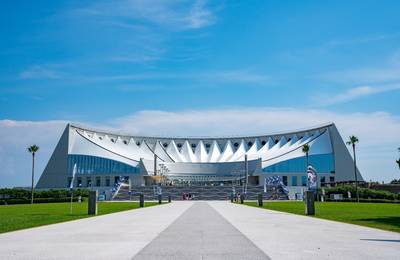
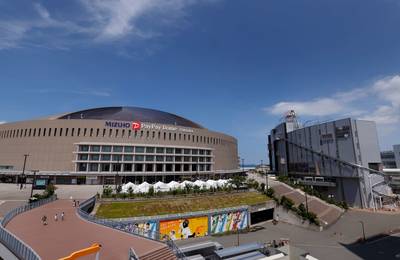
Food & Hakata culture
Hakata ramen — thin straight noodles in a long-simmered pork-bone broth — was born here, and the local custom of ordering kaedama, a second portion of noodles dropped into the remaining soup, is worth knowing before you sit down. Just as characteristic are the yatai, the small mobile stalls that set up in the evening around Nakasu island and Tenjin; they seat perhaps eight people, serve ramen, grilled skewers and tempura, and close when the night does. Beyond ramen the local specialities include motsunabe, an offal hotpot usually shared by the table, mentaiko, spiced pollock roe, and goma saba, raw mackerel dressed with sesame. Which stalls open depends on the weather and on the individual owner, and many are cash-only, so it helps to carry some.
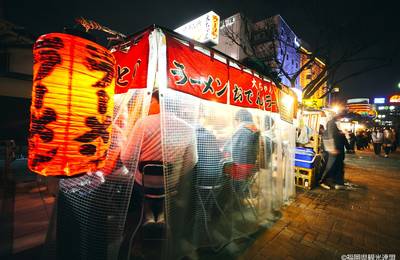
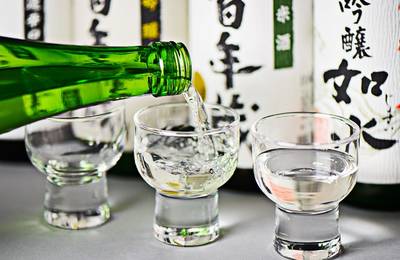
Dazaifu
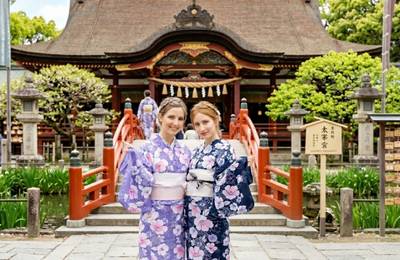
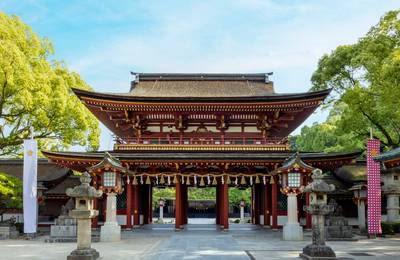
Dazaifu, roughly half an hour by train from central Fukuoka, was the administrative capital of Kyushu for several centuries and is now best known for Dazaifu Tenmangu, the shrine dedicated to Sugawara no Michizane, the deified scholar of learning. Students arrive year-round to pray before examinations, and the approach road is lined with shops selling umegae mochi, a grilled rice cake stamped with a plum blossom. The Kyushu National Museum sits directly behind the shrine and is reached by a covered escalator through the hillside; it is one of only a handful of national museums in Japan. Plum trees around the grounds typically flower from late February into March, which is both the busiest and arguably the best time to come. The main hall has been under phased restoration in recent years, so check the current arrangement before visiting.
Itoshima coast
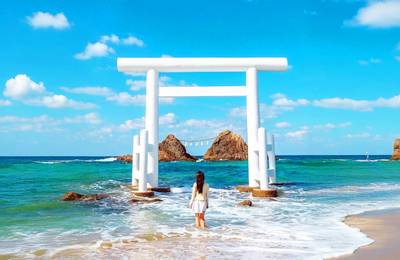
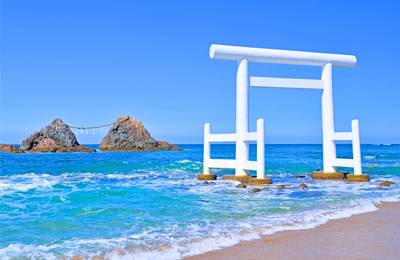
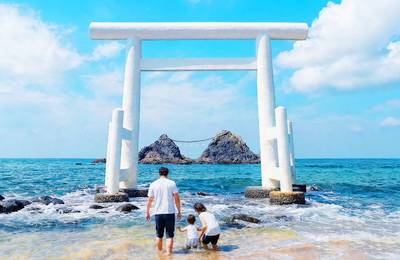
Itoshima is the peninsula immediately west of the city, and it has become the standard escape for a clear day. The coast road passes Sakurai Futamigaura, where a pair of wedded rocks stand offshore beneath a white torii gate, and continues through a string of cafes, pottery studios and small farm shops. Beaches such as Nogita and Keya stay quiet outside midsummer, and Keya no Oto — a basalt sea cave on the western tip — can be viewed by sightseeing boat when sea conditions allow. Public buses reach parts of the peninsula but run infrequently; most visitors rent a car or join a guided tour, and cycling the full loop is realistic only for the reasonably fit. Sunset over the wedded rocks is the reason to time an afternoon here rather than a morning.
Day trips from Fukuoka
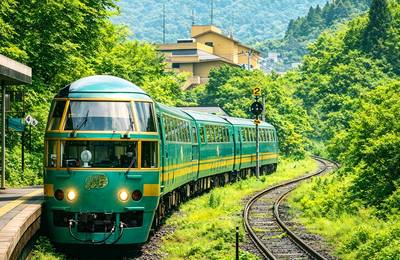
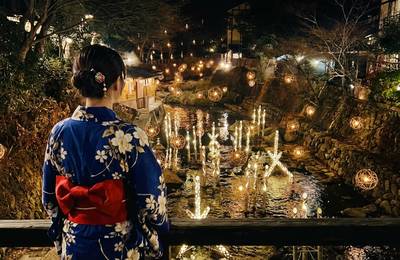
Fukuoka works well as a base for the whole northern half of Kyushu. Beppu and Yufuin, the hot-spring towns on the east coast, are reachable in roughly two hours by limited express, while Nagasaki, with its Dutch trading history and its peace memorials, sits a similar distance away by Shinkansen and connecting train. Closer in, Karatsu and Arita in Saga Prefecture cover castle towns and four centuries of porcelain, and Mojiko Retro at the northern tip of Kyushu preserves a harbour district of early-twentieth-century Western-style buildings. Kumamoto and its castle are around forty minutes by Shinkansen. Journey times shift with the timetable and with ongoing rail works, so confirm connections on the day rather than relying on a fixed plan made months ahead.
Getting around & passes
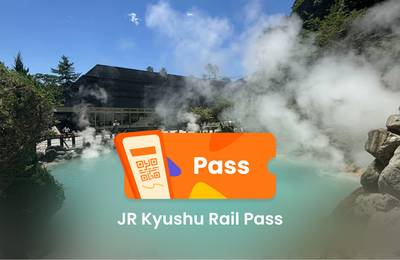
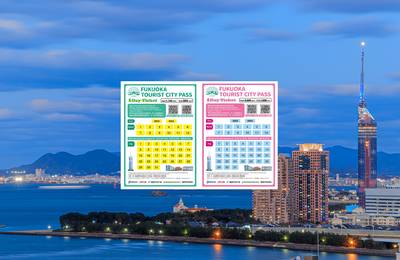
The city subway has three lines and covers most of what a visitor needs, with Hakata, Tenjin and Ohori Koen all on the same Kuko line that runs out to the airport. Buses fill the gaps and are extensive, though English signage is thinner than on the subway. IC cards such as Suica, ICOCA and the local Hayakaken work interchangeably on both. For travel further afield, JR issues regional passes covering northern Kyushu or the whole island; these usually make sense only if you plan two or more long-distance journeys, and a single return to Nagasaki or Kagoshima rarely justifies one. Coverage, price and eligibility change from year to year, so check the current terms on the official JR Kyushu site before buying anything.
Good to know
Fukuoka’s summers are hot and humid, with a rainy season that typically runs from June into mid-July and a typhoon risk from late summer into autumn; spring and the October-to-November window are more comfortable. The city is small enough that a hotel near Hakata Station or Tenjin puts you within walking distance of most evenings out. Cash remains useful for yatai, smaller restaurants and rural bus fares, even as card and IC payment spread. If you are arriving from Korea, the ferry from Busan is a genuine alternative to flying. Note also that the Hakata Gion Yamakasa festival in early July and the Hakata Dontaku parade in early May fill the city’s hotels months in advance, so book early if your dates overlap with either.
- Hakata Station and Fukuoka Airport are minutes from the centre — a convenient base for all of Kyushu.
- Eat Hakata ramen and browse the night yatai stalls around Nakasu and Tenjin.
- Dazaifu, Itoshima and Yufuin all work as easy half- or full-day trips.
- A JR Kyushu Rail Pass pays off if you’re combining Fukuoka with other cities.
Related guides
The guides below cover the regions most often combined with a Fukuoka trip, whether you are continuing south through Kyushu or heading back east along the Shinkansen.
Last updated: 2026-08-08