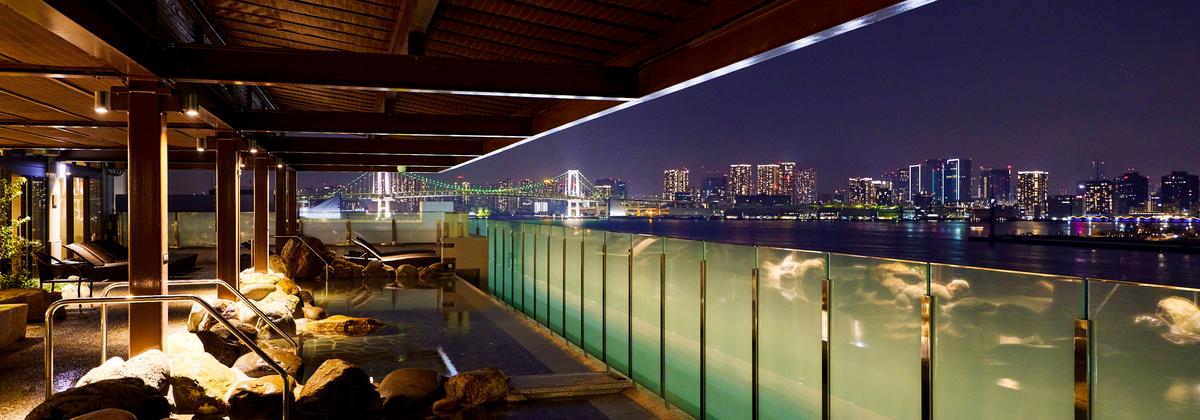
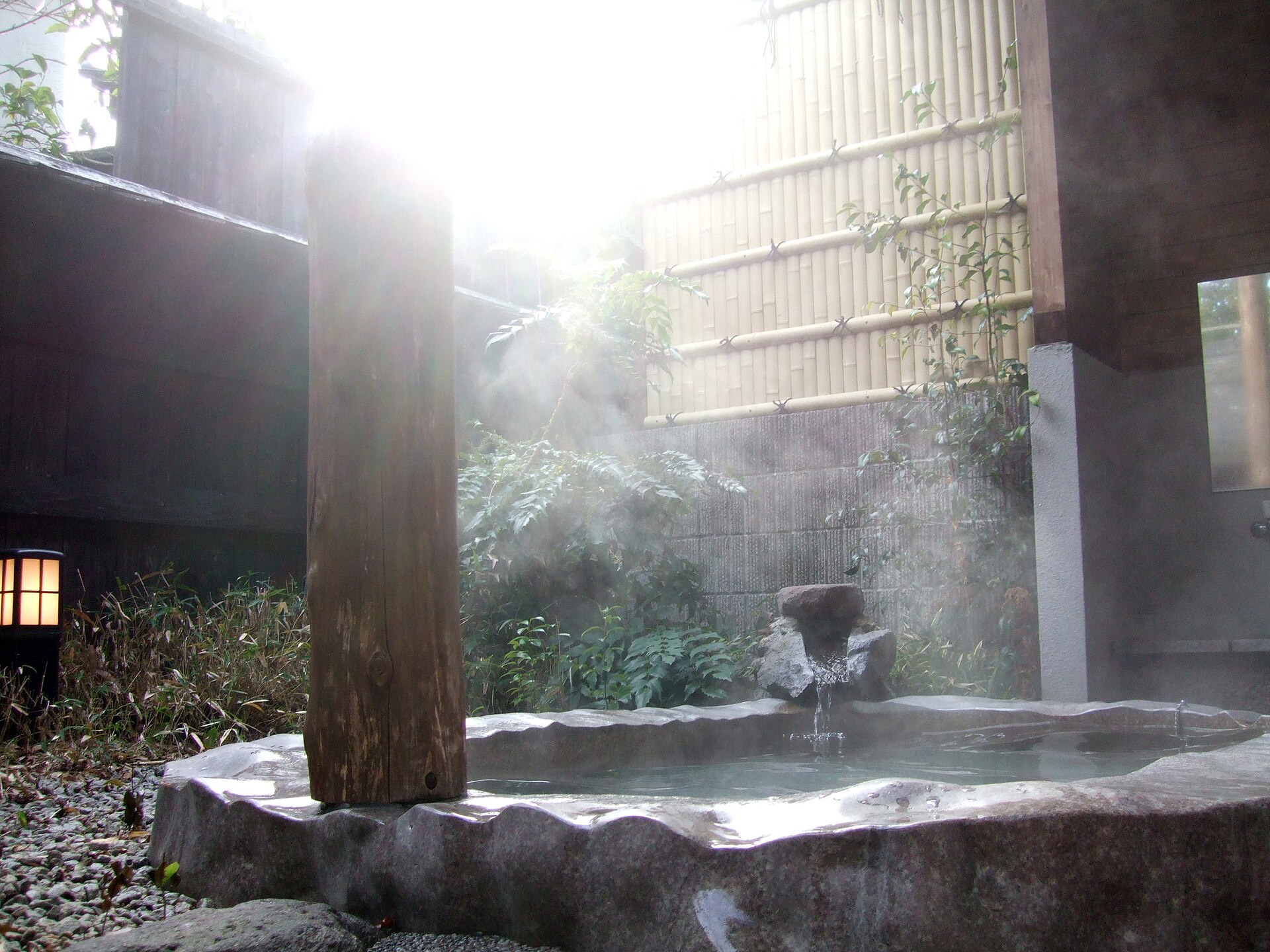
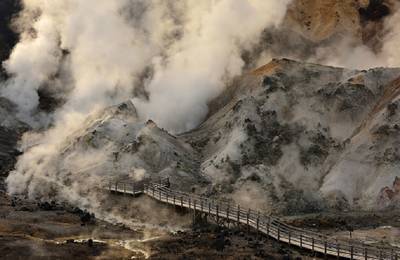
From standalone hot spring facilities in Tokyo and Osaka to day trips built around Hokkaido’s Noboribetsu Jigokudani (Hell Valley) and Mt. Fuji-area baths near Fujinomiya, onsen bathing is one of Japan’s most accessible traditional experiences for visitors. These options suit both first-timers wanting a simple soak in the city and travelers looking to pair a hot spring stop with sightseeing in places like Nara, Lake Toya, or the Fuji Five Lakes region.
Book online
Reserve ahead to secure your slot. Prices are a guide (from, USD); check the current price on Klook.
Tokyo
Osaka
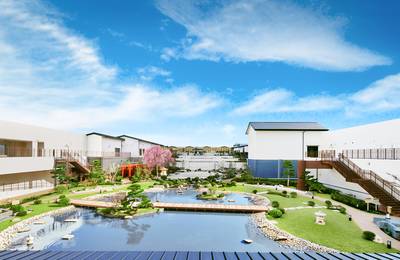
Nara
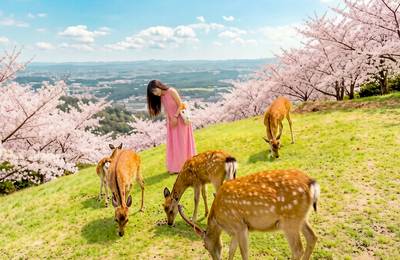
Hokkaido
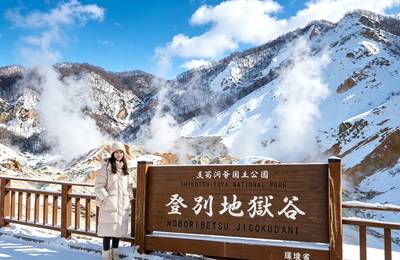
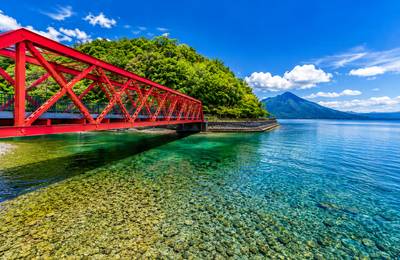
Mt. Fuji & Hakone
Affiliate links — we may earn a commission at no extra cost to you.
Good to know
- Facilities like Tokyo’s Solaniwa or Osaka’s onsen tickets are standalone soaks, while listings tied to Noboribetsu, Fuji, or Nara combine bathing with a broader day tour, so check whether you want a dedicated onsen visit or a hot spring stop within a longer itinerary.
- Noboribetsu’s Jigokudani (Hell Valley) is one of Japan’s best-known volcanic hot spring sources and a common highlight on Hokkaido day trips from Sapporo, so winter visitors should expect these tours to run alongside snow and lake sightseeing.
- Most public onsen facilities require guests to bathe nude and separate by gender, and visible tattoos can be restricted at some locations, so it’s worth confirming a facility’s policy before booking if this applies to you.
- Day trips that bundle onsen time with stops like Lake Toya, Showa Shinzan, or Gotemba Premium Outlets tend to allow limited soaking time, so travelers wanting a longer, unhurried bath are better served by a standalone facility ticket.
Related guides
Last updated: 2026-08-07
Tattoos: the question that decides where you can go
This is the single thing most worth checking before you book, and there is no national answer — policy is set facility by facility, and the listing you book through does not always match the operator’s own page (as of August 2026).
One Tokyo facility illustrates the problem: its booking listing states flatly that guests with tattoos are not admitted, while the operator’s own site says guests with tattoos, tattoo stickers or body paint are refused by default but that those able to follow the house rules may be allowed in. Two sources, one facility, different answers. Among day tours to the Fuji area, one operator notes that the bath it uses began admitting tattooed guests in April 2026 while its fallback venue still does not; another simply says tattooed guests cannot bathe.
Japan’s national tourism guidance describes restrictions as still common but loosening, and points visitors toward tattoo-friendly facilities or a private bath. That last option is the reliable one. A kashikiri (private, reserved) bath removes the question entirely, and larger facilities increasingly offer several. If you have visible tattoos and only one evening, book a private bath rather than gambling on a policy page.
How the bathing actually works
The etiquette is consistent across the country, and it is short.
- Wash before you get in. Scrub and rinse completely at the seated showers first. The bath is for soaking, not cleaning.
- Nothing goes in the water but you. The small towel rests on your head or the edge; long hair is tied up.
- Bathing is nude. Swimwear stays in the changing room. This is not negotiable and not optional.
- Keep it quiet. No swimming, no splashing, phones stay in the lockers.
Foot baths are the exception worth knowing: those are done clothed, often in a provided yukata, and they are the easy entry point if full nude bathing is a step too far on a first trip.
Not every onsen has a spring underneath it
Worth knowing before you pay for one in central Tokyo. Some urban facilities sit on genuine springs; others truck the water in daily by tanker from established hot spring towns and heat it on site. One Toyosu facility brings its water from the Hakone and Yugawara areas each day. You still get the outdoor bath and, in that case, a rooftop foot bath over the skyline — the water simply commuted. Neither model is wrong, but if soaking in water that surfaced where you are standing is the point, check the source before booking, or go to Hakone or Beppu instead.
A soak, or a stop on a tour
These are different products and people book the wrong one.
Standalone city facilities let you set the pace — two to four hours is a normal visit, and one Tokyo facility runs around the clock. Multiple bath types, sauna zones, somewhere to eat, and a private bath if you need one.
Bundled day tours put the bath at the end of a full-day sightseeing route. On a ten-hour run from Sapporo to Noboribetsu and Lake Toya, or from Tokyo out to the Fuji Five Lakes, the hot spring is one stop — often a foot bath in an onsen town rather than a long soak. Excellent if the bath is a bonus. Frustrating if it was the reason you came.
Decide which one you are buying before you look at prices. Our onsen rankings cover where to go when the bath itself is the trip.
Small practical notes
- Bring or rent a small towel. It does the washing and the modesty work, and it stays out of the water.
- Some booking-site tickets are sold to overseas visitors only, and some require the voucher on a phone with a working connection at the door. Check both before you arrive.
- Tattoo cover stickers are accepted at some facilities and explicitly refused at others. Do not assume they solve it.
Etiquette follows Japan’s national tourism guidance; facility policies above were taken from operator pages as of August 2026. Tattoo rules in particular are being revised — confirm with the specific facility.