
Overview
Japan has one of the world’s most efficient and punctual rail networks. Understanding the basics of how trains work here will make your trip much smoother. This guide covers the essentials: how to identify train lines by color, which IC cards to use, and tips for navigating stations.
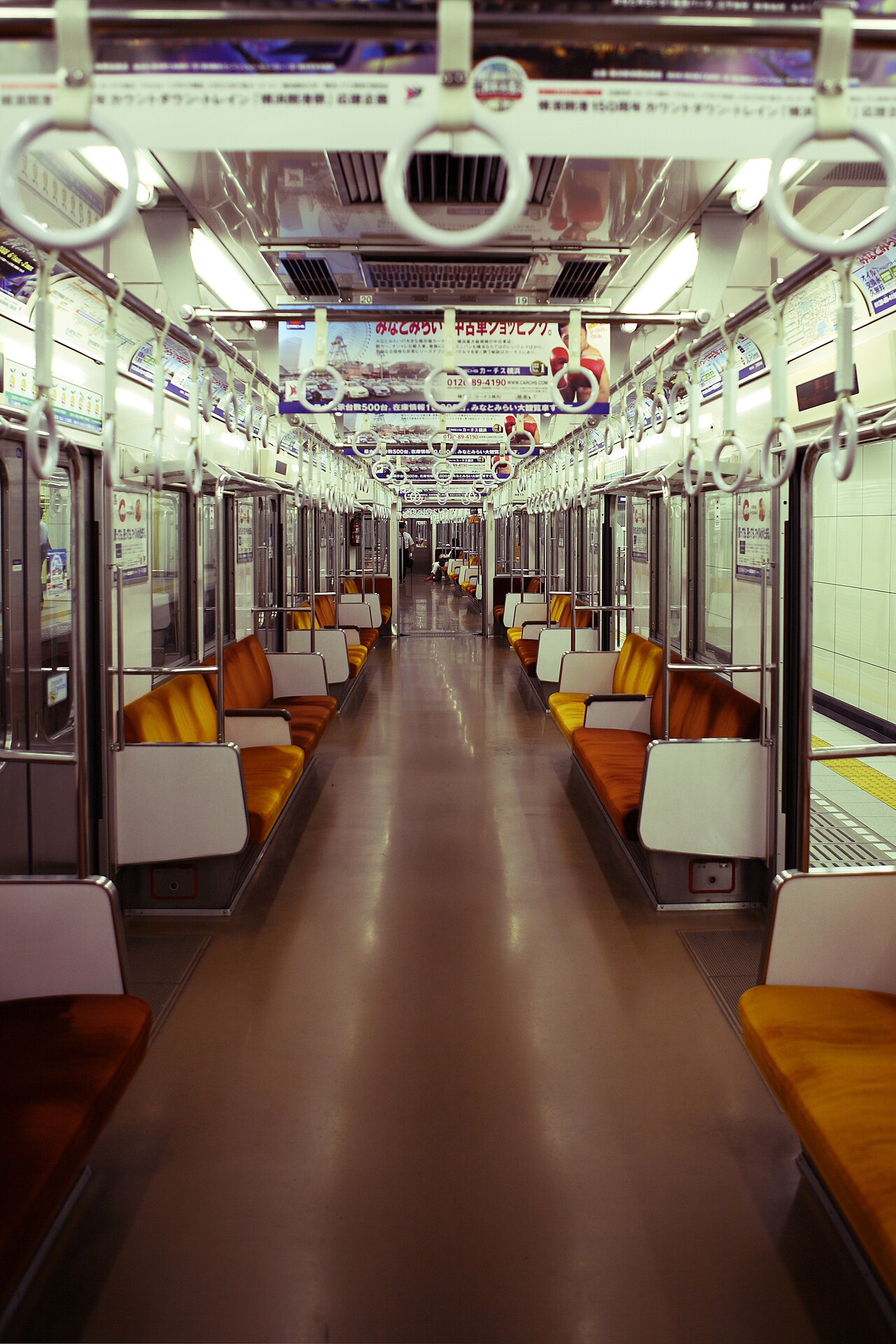
Train Line Colors
Japanese train lines are color-coded for easy identification. Signs, maps, and platform indicators all use consistent colors. Look for these colors when navigating stations:
How to Use This Guide
Throughout TripJapan, we use emoji swatches to indicate line colors:
- 🔴 Red lines (Keikyu, Marunouchi, N’EX, etc.)
- 🟢 Green lines (Yamanote, Saikyo, etc.)
- 🔵 Blue lines (Monorail, Skyliner, Nankai, etc.)
- 🟠 Orange lines (Ginza, Chuo Rapid, etc.)
- 🟣 Purple lines (Hanzomon, Oedo, etc.)
- 🩷 Pink/Rose lines (Toei Asakusa, etc.)
- 🟤 Brown lines (Fukutoshin, Hankyu, etc.)
IC Cards (Suica, PASMO, ICOCA)
Rechargeable IC cards are the easiest way to pay for trains, buses, and even convenience store purchases across Japan.
Which Card to Get?
- Suica — Available at JR East stations (Tokyo, Sendai, Niigata). Green penguin logo.
- PASMO — Available at Tokyo Metro and private railway stations. Pink robot logo.
- ICOCA — Available at JR West stations (Osaka, Kyoto, Hiroshima). Blue platypus logo.
- Kitaca — JR Hokkaido (Sapporo). Flying squirrel logo.
- SUGOCA — JR Kyushu (Fukuoka). Clock and frog logo.
Good news: All major IC cards are interchangeable nationwide. A Suica bought in Tokyo works on Osaka Metro, and vice versa.
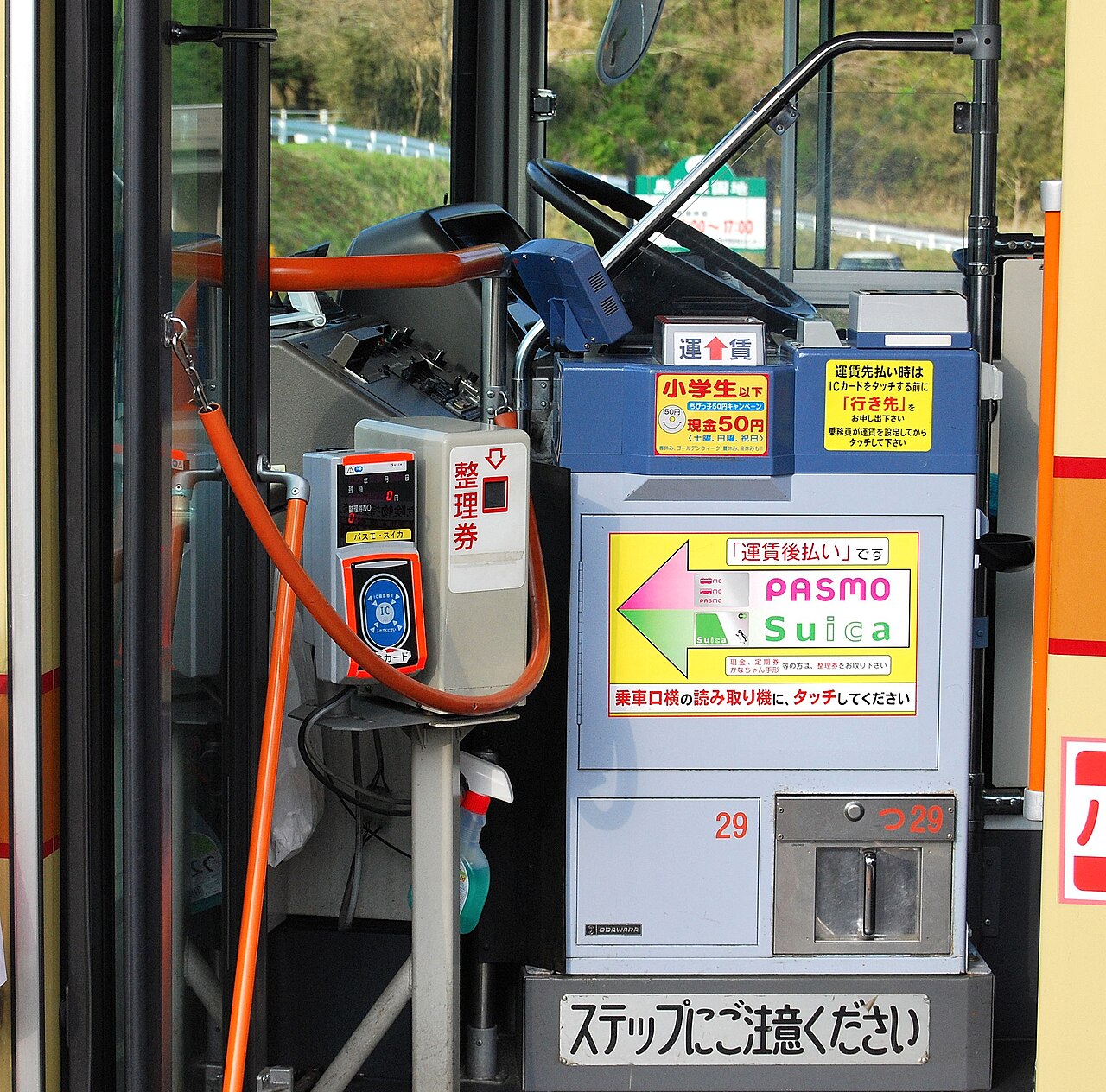
How to Use
- Buy a card at any station ticket machine (¥500 deposit + initial charge)
- Tap the card on the reader when entering and exiting gates
- Recharge (チャージ / charge) at any ticket machine or convenience store
- Get your ¥500 deposit back when returning the card
Train Types
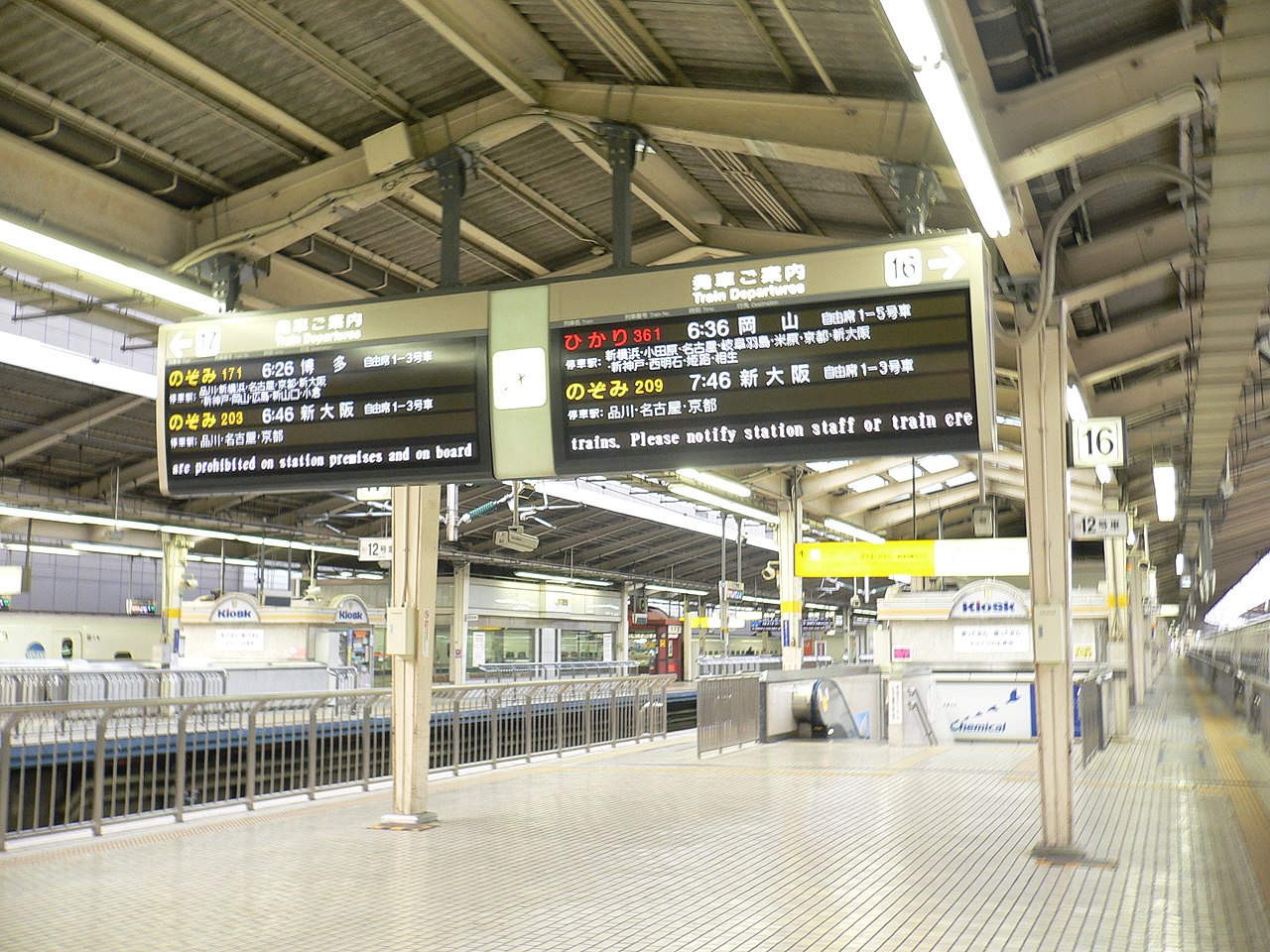
Trains are categorized by speed and stopping pattern. Faster trains skip more stations:
- Local (各停 / 普通) — Stops at every station. Slowest but always included in basic fare.
- Rapid (快速) — Skips some smaller stations. No extra charge.
- Express (急行) — Fewer stops than Rapid. May require extra fare on some lines.
- Limited Express (特急) — Major stations only. Usually requires extra fare + reserved seat.
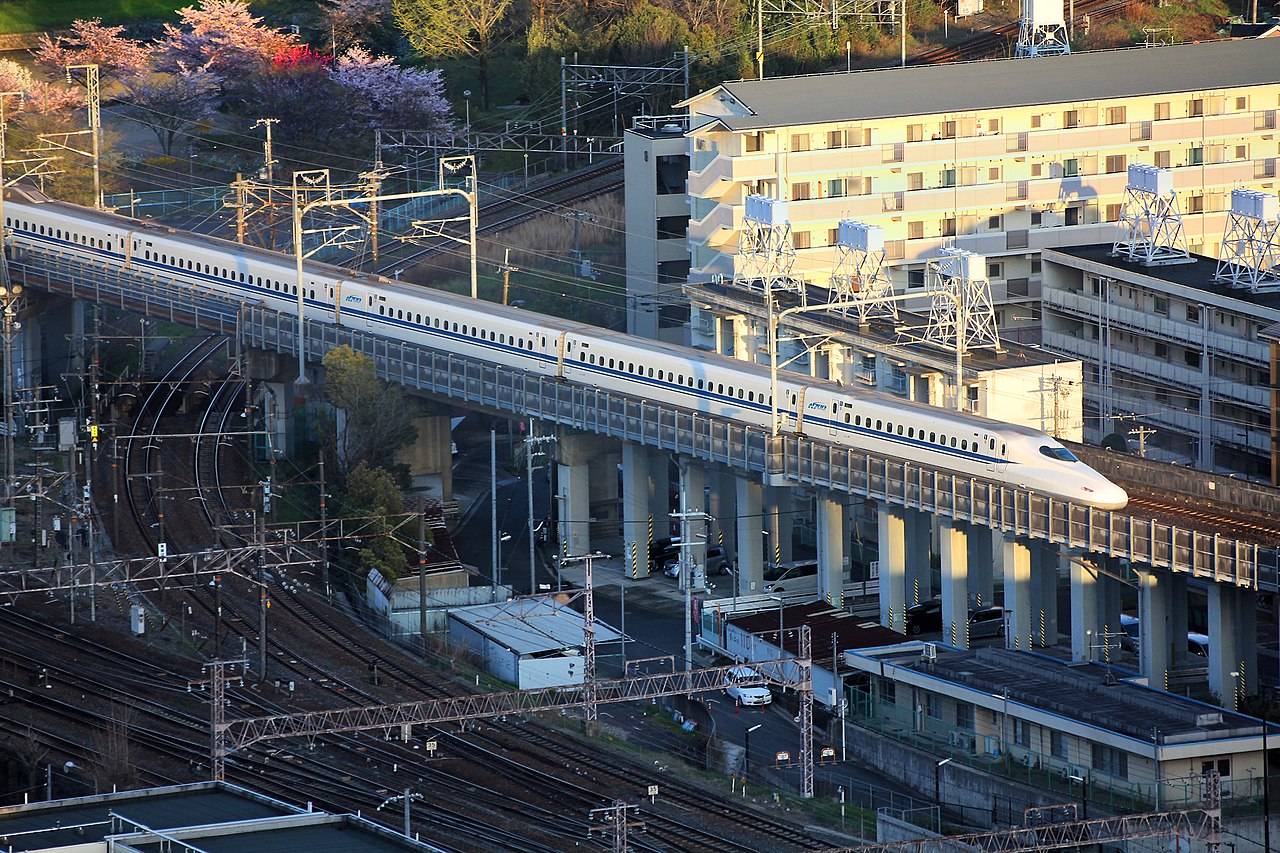
- Shinkansen (新幹線) — Bullet trains. Separate ticket required (or JR Pass).
Station Tips
- Follow the colors — Platform signs, floor markings, and digital displays all use line colors.
- Check the train type — Make sure you’re on a train that stops at your destination.
- Rush hour — Avoid 7:30-9:30 AM and 5:30-8:00 PM if possible. Trains are extremely crowded.
- Last train — Most trains stop running between midnight and 1 AM. Check the timetable!
- Women-only cars — Some trains have women-only cars during rush hours (usually the first or last car).
Regional Guides
For detailed line-by-line information, see our regional train guides:
- Tokyo Train Guide — JR, Metro, Toei, and private railways in the capital
- Osaka & Kansai Train Guide — JR West, Osaka Metro, Hankyu, Hanshin, Keihan, Kintetsu, Nankai
- Hokkaido Train Guide — JR Hokkaido, Sapporo Subway, Shinkansen to Hakodate
- Kyushu Train Guide — JR Kyushu, Shinkansen, D&S sightseeing trains, Fukuoka Subway
Useful Apps
- Google Maps — Excellent for route planning with real-time schedules
- Navitime — Popular in Japan, includes fare and transfer details
- Japan Transit Planner — JR Pass compatible route planning
🚆 Popular rail & transit passes for Japan (nationwide)
If you plan several train trips, a pass is often cheaper than single tickets. Buy online in advance and activate on arrival:
This section contains affiliate links. We may earn a commission at no extra cost to you. Coverage and validity vary — check each pass before buying.