

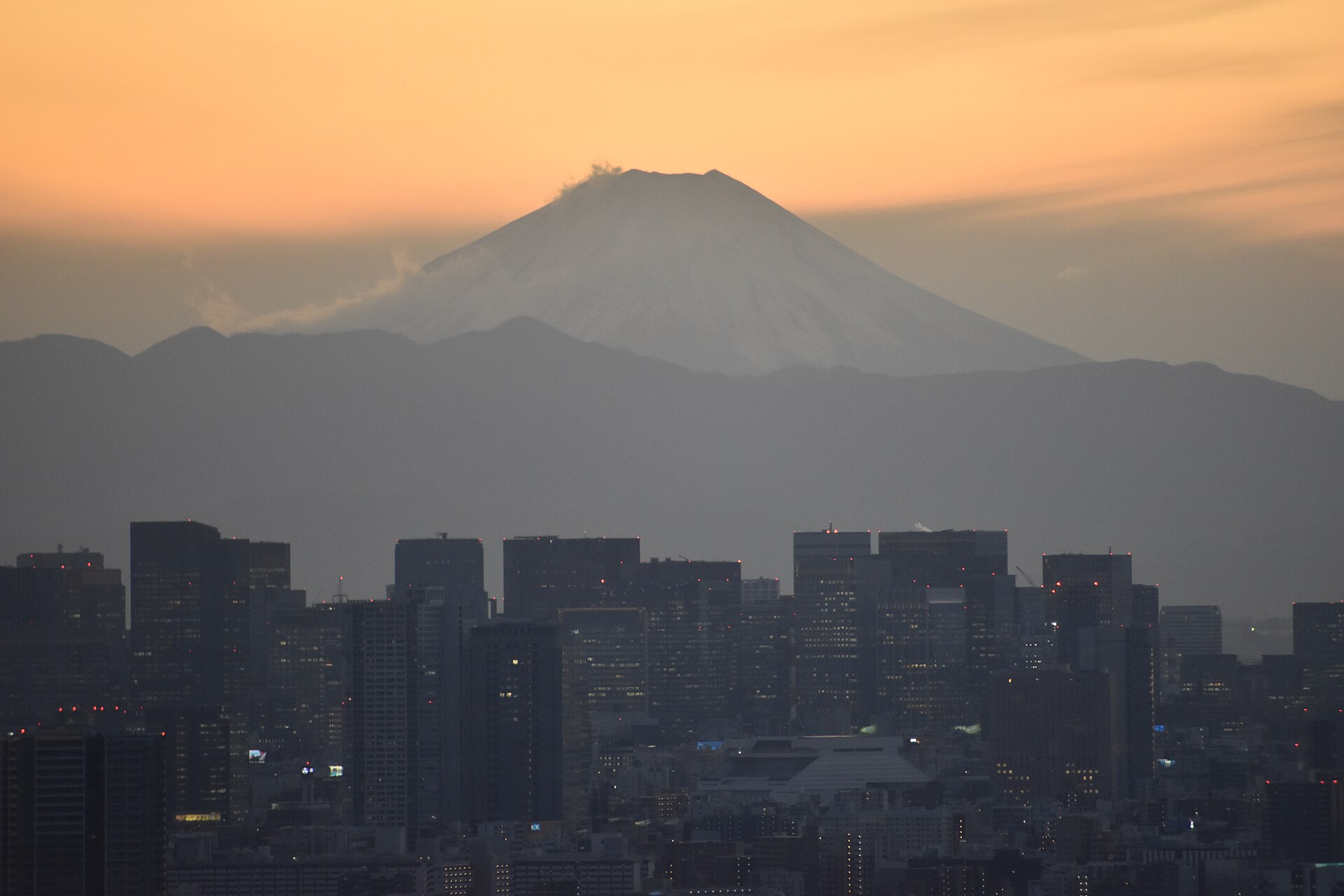
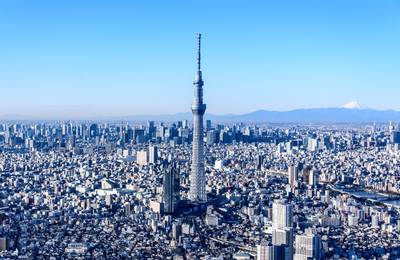
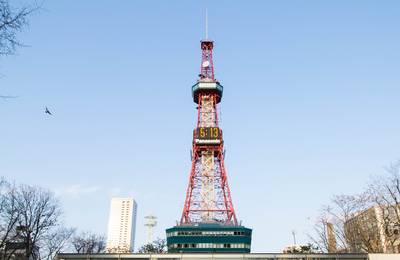
From Tokyo Skytree and Shibuya Sky to Osaka’s Umeda Sky Building and HARUKAS 300, and up to Mt. Moiwa and the JR Tower in Sapporo, this collection covers the tallest towers and rooftop observatories across Kyoto, Osaka, Sapporo and Tokyo. It suits travelers who want a quick, reliable way to take in a city’s layout and skyline, whether for a first orientation or a sunset view.
Book online
Reserve ahead to secure your slot. Prices are a guide (from, USD); check the current price on Klook.
Tokyo
Kyoto
Osaka
Hokkaido
Affiliate links — we may earn a commission at no extra cost to you.
Good to know
- Tokyo offers the widest range, from long-standing towers like Tokyo Tower and Kyoto Tower to newer glass-floor decks such as Shibuya Sky, so pick based on the landmark or view angle you want.
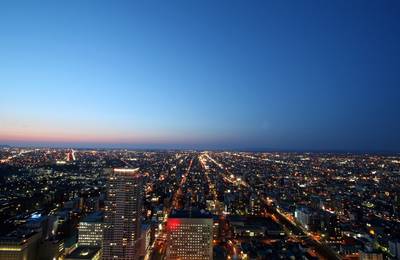
- Sunset and evening are popular times to go up, since decks like SHIBUYA SKY and HARUKAS 300 show both daytime skylines and night illumination from the same spot.
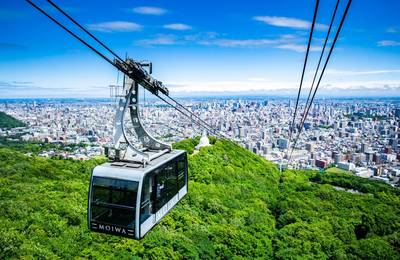
- Sapporo’s Mt. Moiwa Ropeway and JR Tower T38 give a different perspective, taking in surrounding hills and the Hokkaido landscape rather than just downtown streets.
- Booking a timed ticket ahead can help avoid queues at the more visited spots, such as Tokyo Skytree and Osaka’s HARUKAS 300.
Enclosed decks and open-air decks are different products
Japan’s city-view decks split into two families, and the split decides your bad-weather plan more than the height does. Enclosed decks — Tokyo Skytree, HARUKAS 300 in Tennoji, Nidec Kyoto Tower, JR Tower T38 in Sapporo — work in rain exactly as they work in sun. Open-air decks — SHIBUYA SKY’s roof, the Kuchu Teien sky garden on Umeda Sky Building, the summit at Mount Moiwa — are the ones that can close on you, or simply hand you cloud instead of a view.
If the forecast is uncertain and you only have one evening, book an enclosed deck. If you specifically want the open-air experience, build in a fallback.
Booking: which decks need it and which don’t
This varies more than people expect, and it is the main thing worth checking before you leave the hotel (as of August 2026).
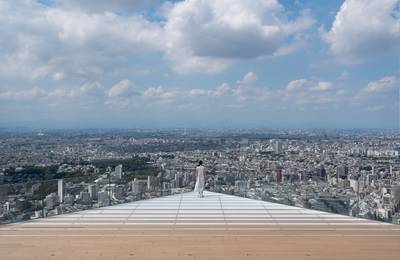
SHIBUYA SKY publishes sold-out dates on its own booking page, so treat an advance ticket as the normal route rather than an optimisation. It sits inside Shibuya Scramble Square directly above the crossing, so you come out of Shibuya station and go straight up.
HARUKAS 300 still sells same-day tickets at a counter partway up the building, but they are first-come-first-served and the queue grows when the city is busy. The advance e-ticket is what skips it.
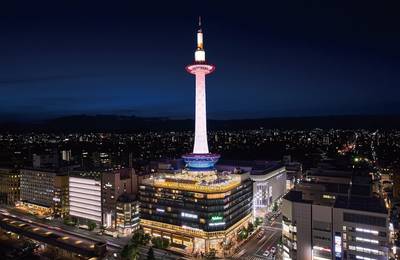
Nidec Kyoto Tower sells same-day tickets at the ticket counter on the first floor of Kyoto Tower Building, with cash, cards and mobile payment all accepted, and also sells online. The tower stands directly across from the north side of Kyoto Station, which makes it the easiest deck in the country to fit into a travel day — arrive, leave the bags, go up.
Tokyo Tower sells same-day tickets through its own web shop as well as on site, so it is the reliable walk-up option in the city.
Weather rules that are written down
Each operator publishes what happens when conditions turn, and the policies are not the same.
SHIBUYA SKY closes its open-air roof and the rooftop bar when thunder or lightning is near, and carries live status on its site — check it before you set out rather than after you arrive. Tokyo Tower suspends its open-air outer staircase in bad weather, though the enclosed main deck stays open. Kuchu Teien’s rooftop can close in heavy rain, while the indoor observation level below it continues. Mount Moiwa’s summit is regularly lost to fog or low cloud, and the operator runs a live camera from the top — the fastest way to decide whether tonight is worth the trip.
Mount Moiwa is also the one that needs a transport plan. You reach the ropeway base by tram plus the free shuttle bus, or by subway and bus — it is not a walk from Sapporo Station, and the last services back matter more than the first ones out.
Small things that cost people time
- Luggage. SHIBUYA SKY does not allow carry-on luggage up to the open-air roof. There are lockers around the square — leave the bag, go up, collect it after.
- Special event days. Kuchu Teien designates occasional special business days — around a fireworks festival, for example — when entry during set hours needs a special ticket rather than the standard one. It is worth a look at the official page if your date is near a city event.
- Warm layers up north. The winter night view from Mount Moiwa is the reason to go in the cold months, and the summit is meaningfully colder than the city below.
- Sunset is the crowd. Every open-air deck peaks as the lights come on. If a timed entry system exists, the first slots after sunset are calmer than the last ones before it.
Ticketing routes, weather policies and event days above follow each operator’s own published pages as of August 2026. These change, particularly around city events — check the official site for the deck you are visiting.
Related guides
Last updated: 2026-08-07