
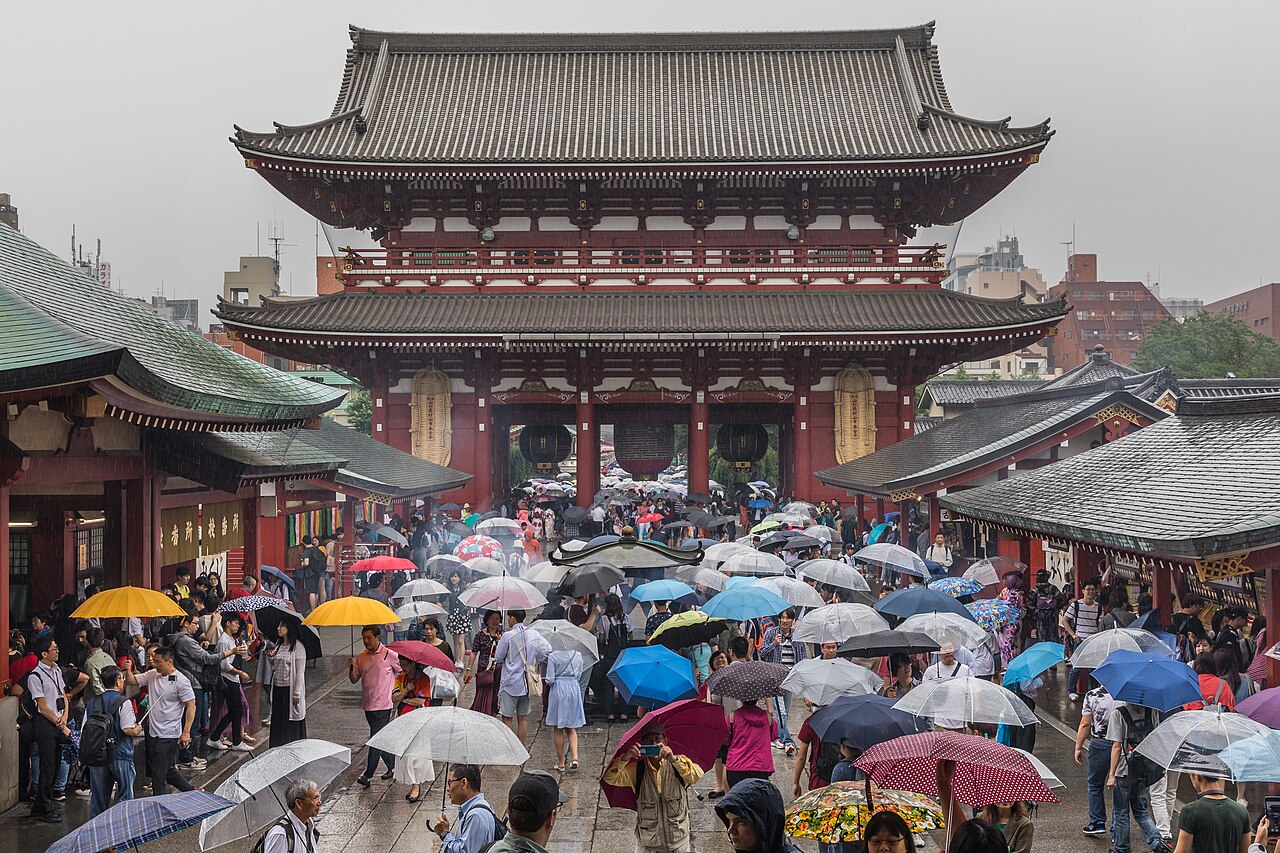
Indoor activities and rainy day options in Tokyo.
Quick Facts
- Best for: Weather backup plans
- Rainy season: June-July (tsuyu)
Indoor Options
Museums
Tokyo National Museum. Mori Art Museum. teamLab museums.
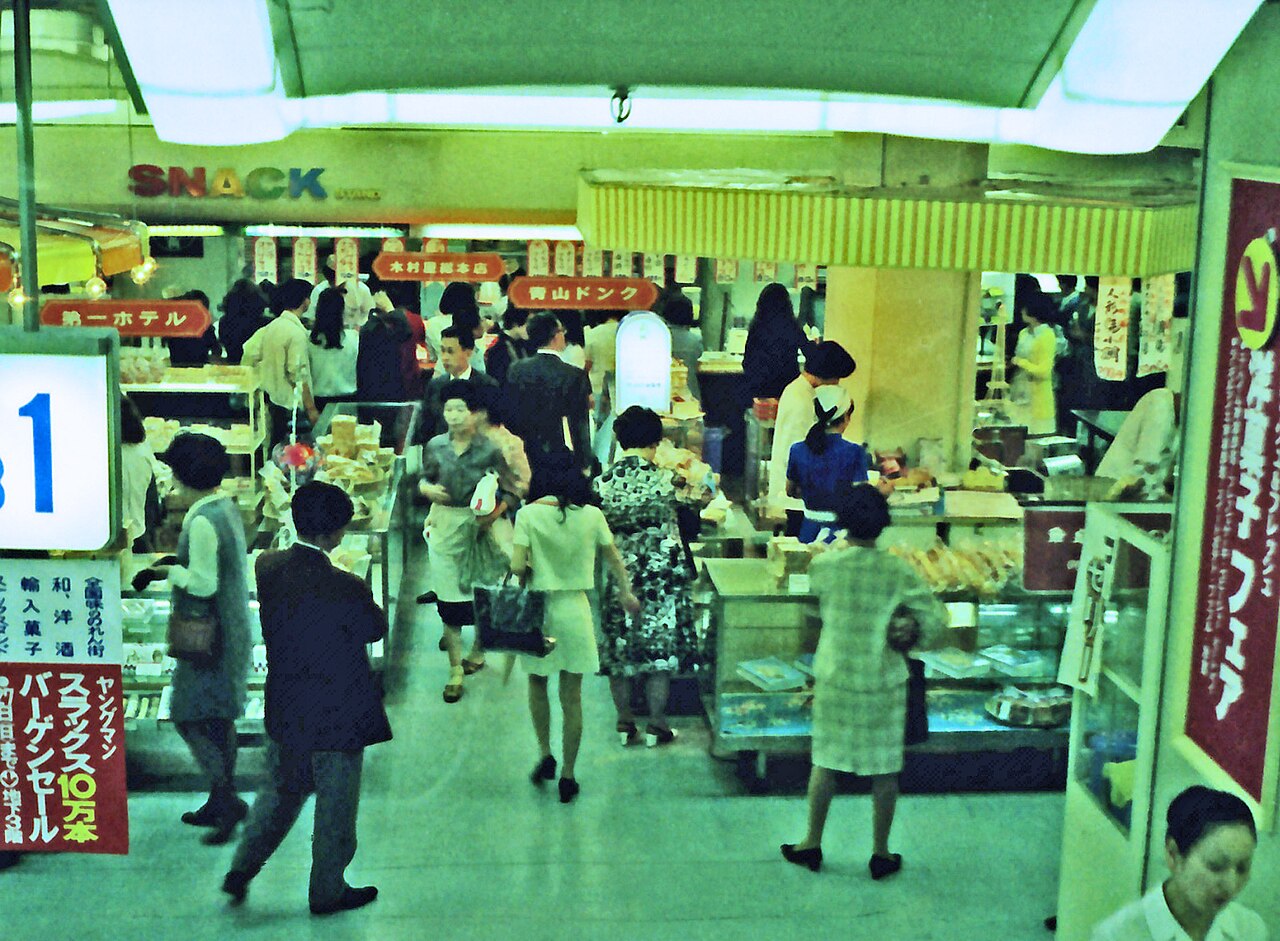

Shopping
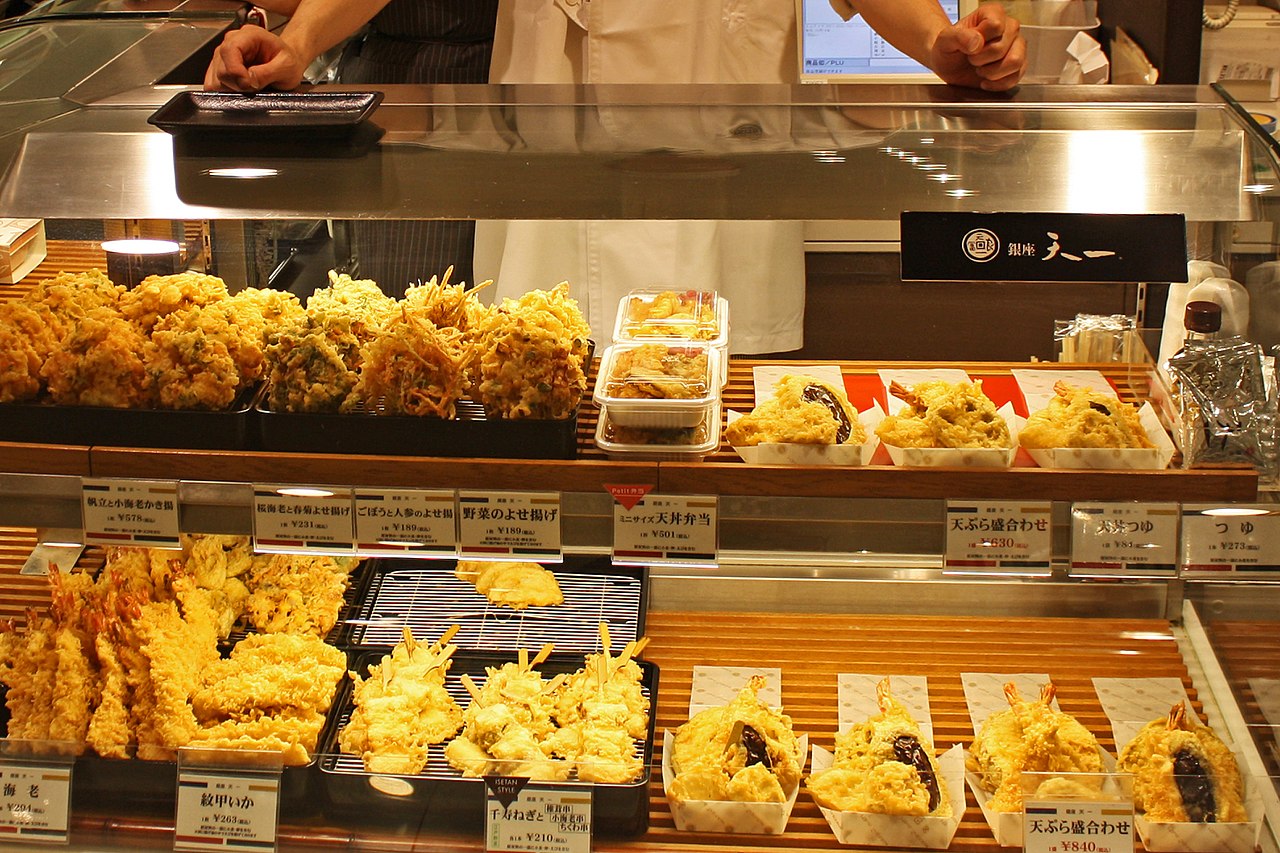
Underground malls at major stations. Department store basements (depachika).
Entertainment
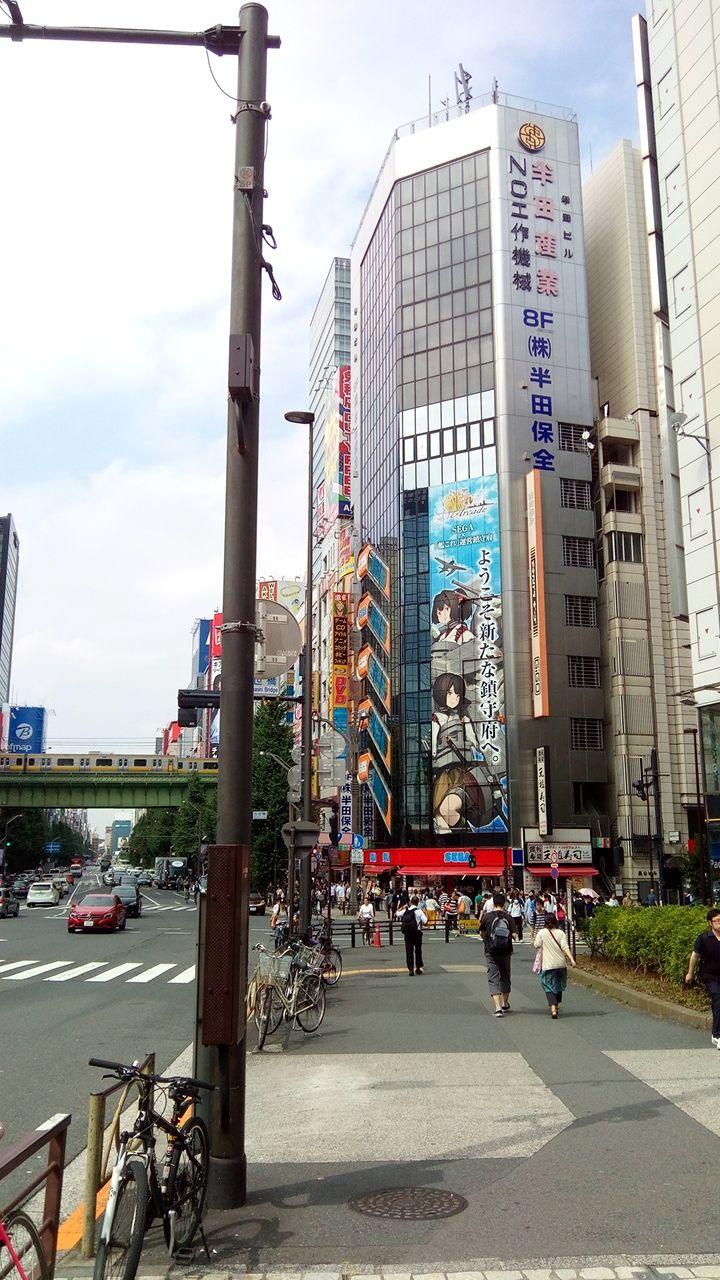
Karaoke. Arcades in Akihabara and Ikebukuro. Themed cafes.
Covered Areas
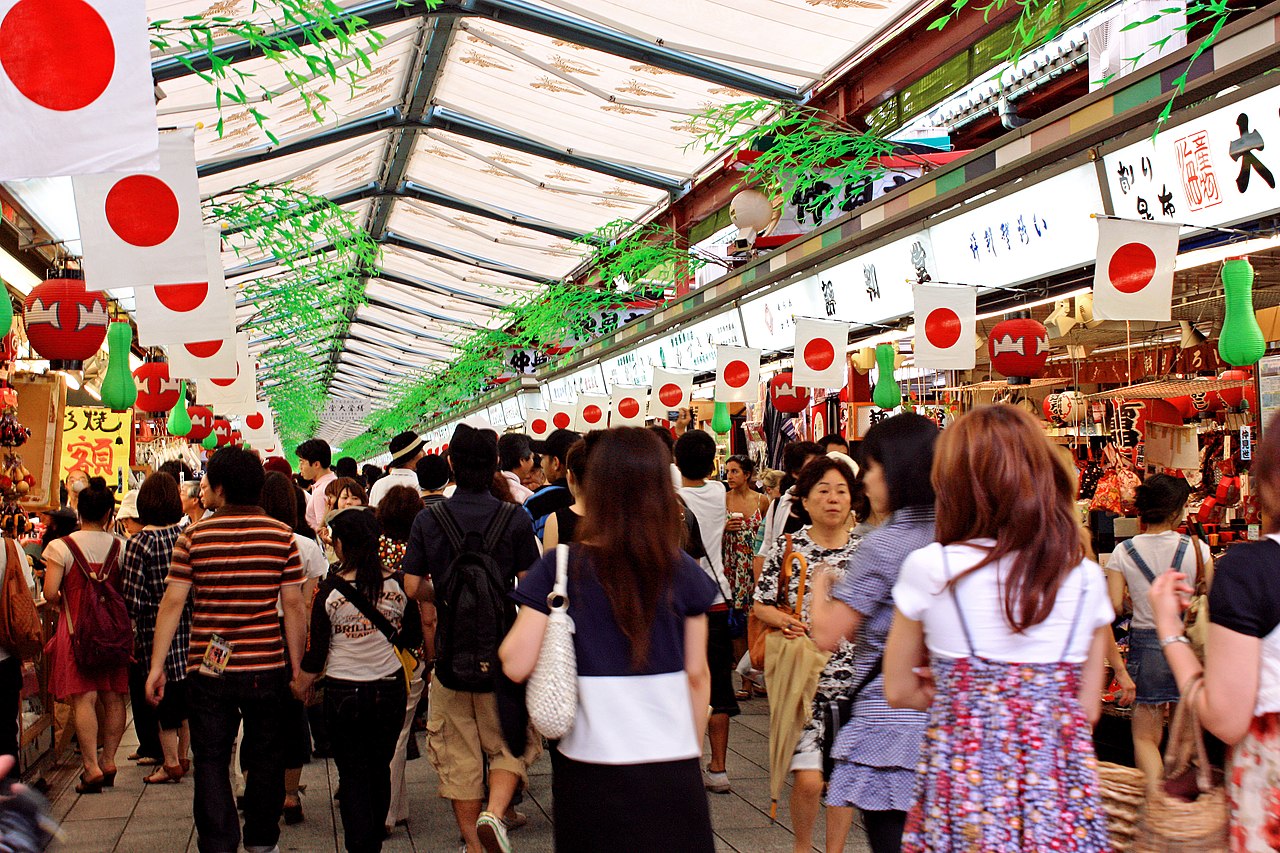
Nakamise-dori in Asakusa. Station shopping complexes. Ameyoko market (partially covered).
Last updated: 2026-02-03
Getting There
Arriving in Tokyo
From Narita Airport (NRT): Recommended (Premium): Take the Narita Express (N’EX) (red & white) from Terminal 1 or 2 directly to major hubs like Tokyo Station, Shinjuku Station, or Shibuya Station in approximately 60–90 minutes. Terminal 3 users should take the shuttle or walk to Terminal 2. Alternatively, the Keisei Skyliner (blue stripe) reaches Ueno Station in approximately 40 minutes. Budget: The Keisei Access Express (orange stripe) offers a lower-cost route to Asakusa and Nihombashi.
From Haneda Airport (HND): Recommended (Mid-range): Take the Keikyu Line (red) from any terminal (T1, T2, T3) to Shinagawa Station in approximately 15–20 minutes for easy transfers to the JR Yamanote Line (light green). Alternatively, the Tokyo Monorail (light blue) connects to Hamamatsucho Station in approximately 20 minutes. Taxis are available but significantly more expensive.
Getting Around in the Rain
Tokyo is exceptionally navigable during bad weather thanks to extensive underground networks. Recommended: Prioritize the Tokyo Metro and Toei Subway lines over surface trains, as many stations connect directly to shopping complexes, museums, and hotels via underground passageways (“chika”). Major hubs like Tokyo Station (Marunouchi side), Shinjuku Station, and Shibuya Station have vast subterranean networks that allow you to move between lines and attractions without stepping outside.
Using an IC card (Suica or PASMO) is highly recommended to tap through gates quickly without fumbling for paper tickets in the rain. For tourists planning multiple stops, the Tokyo Subway Ticket (24, 48, or 72 hours) offers unlimited rides on all subway lines.
Getting There
Arriving in Tokyo
From Narita Airport (NRT): Recommended (Premium): Take the 🔴 Narita Express (N’EX) from Terminal 1 or 2 directly to major hubs like Tokyo, Shinjuku, or Shibuya in approximately 60–90 minutes. This direct service minimizes transfers, which is ideal during rainy weather. Fastest: The 🔵 Keisei Skyliner reaches Ueno Station in approximately 40–45 minutes. Terminal 3 passengers must take a shuttle bus or walk to Terminal 2 to access these trains.
From Haneda Airport (HND): Recommended (Mid-range): Take the 🔴 Keikyu Line from any terminal (T1, T2, T3) to Shinagawa Station in approximately 15–20 minutes. Alternatively, the 🔵 Tokyo Monorail connects to Hamamatsucho Station in approximately 20 minutes. Premium: Airport Limousine Buses offer door-to-door service to many major hotels, providing the best protection from the elements when traveling with luggage.
Getting Around in the Rain
Tokyo is well-equipped for wet weather with an extensive underground network. Major hubs like Tokyo Station, Shinjuku Station, and Shibuya Station feature massive subterranean concourses that connect directly to department stores, restaurants, and subway lines, allowing you to move between attractions without stepping outside.
Subway lines, such as the 🟠 Tokyo Metro Ginza Line or 🔴 Tokyo Metro Marunouchi Line, are often preferable to the surface-level 🟢 JR Yamanote Line during heavy rain, as stations are fully enclosed. IC cards (Suica or PASMO) are accepted on all trains and buses. For complete protection from the rain, taxis are easily hailable or bookable via apps like GO and Uber.
🎫 Indoor things to do in Tokyo on a rainy day
Reserve online ahead of time — popular slots sell out, and you skip the ticket line. Prices are a guide (from, USD); check the current price on Klook.




Affiliate links — we may earn a commission at no extra cost to you.