Nagoya is Japan’s fourth-largest city and the centre of its manufacturing heartland, which has given it a reputation among travellers as a place to change trains rather than stop. That reputation is out of date. The city has a rebuilt castle with a meticulously reconstructed palace interior, a shrine said to hold one of the imperial regalia, two of the best industrial museums in the country, and a food culture distinctive enough to have its own name — Nagoya meshi. It also sits at the junction of the Tokaido Shinkansen and the routes north into the Japan Alps, which makes it an unusually efficient base for day trips in three directions.
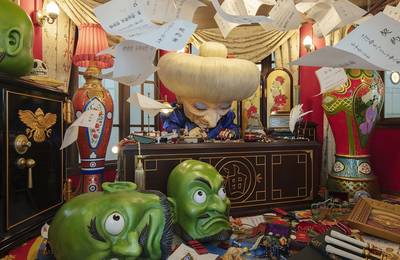
Nagoya is central Japan’s largest city and a springboard to the Japan Alps. It has LEGOLAND and Ghibli Park, a historic castle and Osu’s food and shopping — and it’s the easiest gateway to Takayama, Shirakawa-go and the Ise shrines.
Some links below are affiliate links — we may earn a small commission at no cost to you. Prices are a guide (from USD); check the latest on Klook.
Top things to do in Nagoya
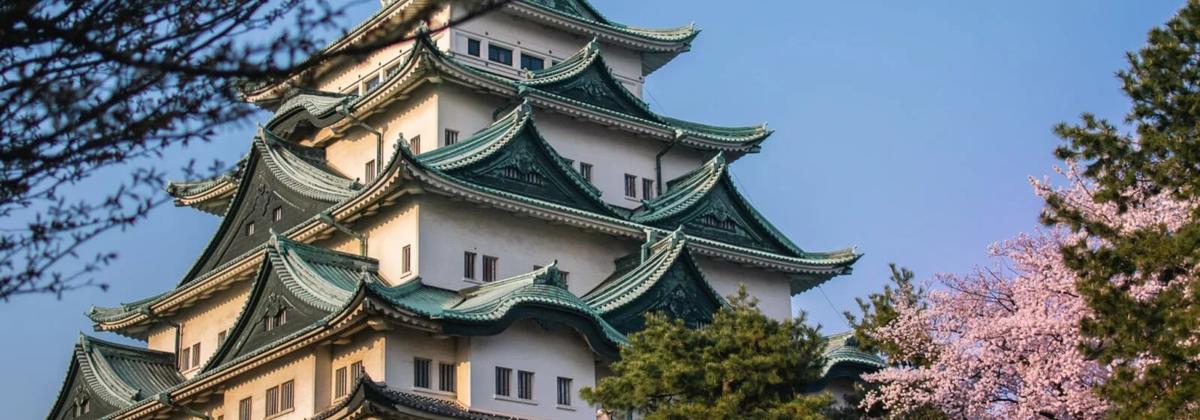
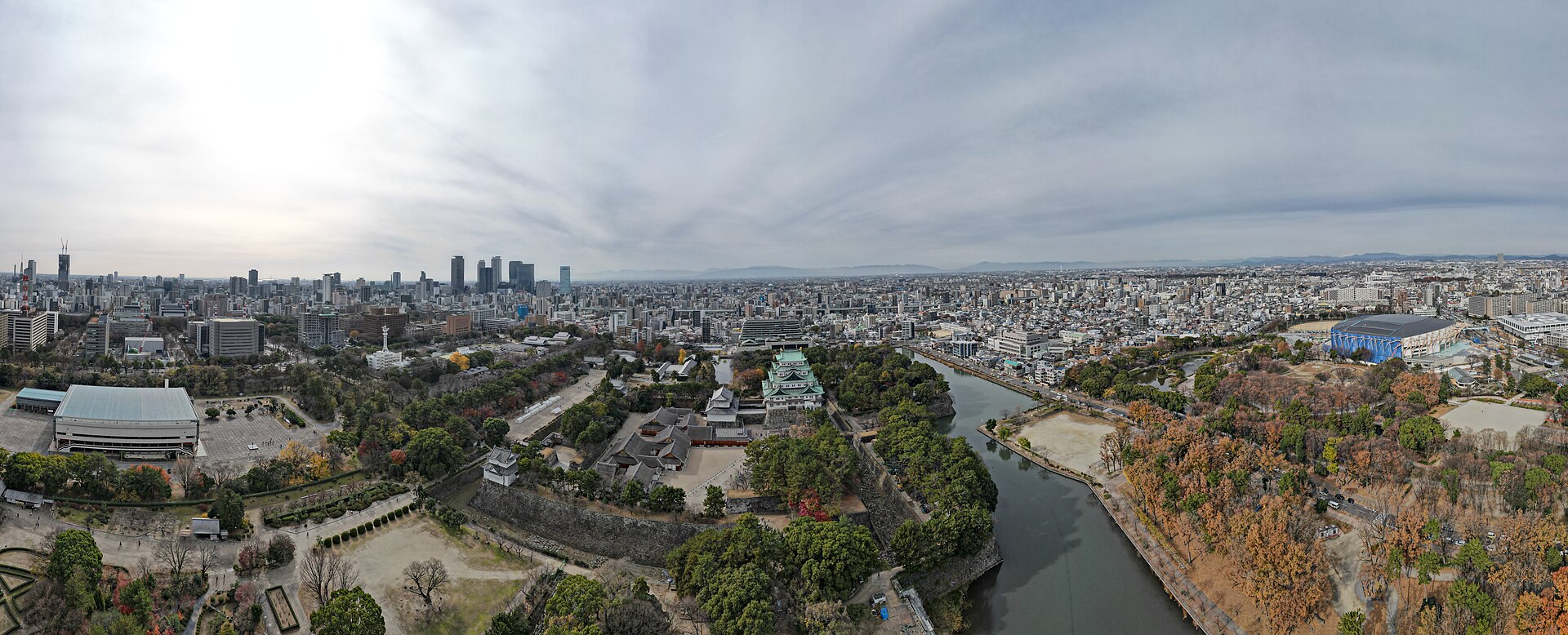
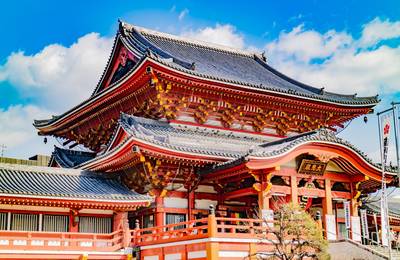
The obvious first stop is Nagoya Castle, whose Hommaru Palace has been rebuilt using traditional methods with painted screens reproduced from the originals. Atsuta Shrine, set in a wooded precinct in the south of the city, is among the most important Shinto sites in Japan and is said to enshrine the sacred sword Kusanagi. For a different register, the Toyota Commemorative Museum of Industry and Technology traces the company’s origins in textile looms before it made cars, and the SCMaglev and Railway Park displays a full line of Shinkansen rolling stock. Osu Kannon and the covered arcades around it cover temples, second-hand shops and street food in one compact block. Several of these close one day a week, so check before planning a tight itinerary.
Food & culture
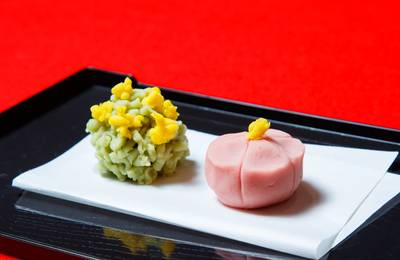
Nagoya meshi is a genuine regional cuisine rather than a marketing label. Hitsumabushi is grilled eel over rice, eaten in three stages — plain, then with condiments, then with broth poured over. Miso katsu is a pork cutlet under a dark red hatcho miso sauce, and miso nikomi udon is that same miso as a thick stew with firm noodles. Tebasaki are peppery fried chicken wings, best with beer. Ogura toast, thick buttered toast with sweet red bean paste, belongs to the local morning service, where ordering a coffee before roughly eleven typically brings food alongside it at no extra charge. Popular specialist restaurants queue at peak times, and going slightly early or late usually avoids the worst of it.
Nagoya Castle & Inuyama
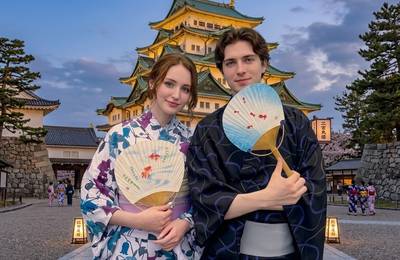
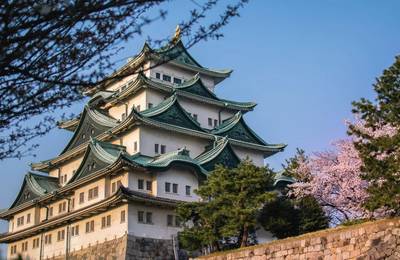
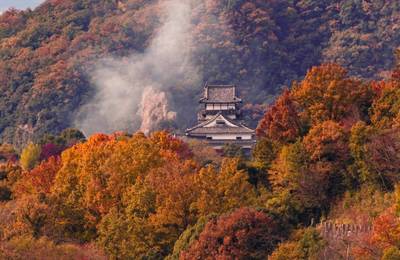
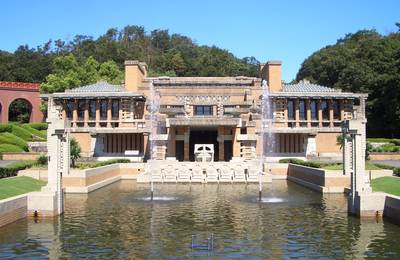
Nagoya Castle was built by Tokugawa Ieyasu in the early seventeenth century, destroyed in the 1945 air raids, and rebuilt in stages since; the concrete main keep has been closed to visitors for some years pending a decision on reconstruction in wood, though the palace and grounds remain open. For an original structure, Inuyama Castle sits about half an hour north on the Meitetsu line and is one of only a handful of keeps in Japan surviving from the feudal period, with a small top-floor balcony overlooking the Kiso River. The castle town below it has been restored for walking, and Meiji Mura, an open-air museum of relocated Meiji-era buildings, is nearby. Access and opening arrangements change, so check the official sites before travelling.
Day trips: Takayama, Ise & the Kiso Valley
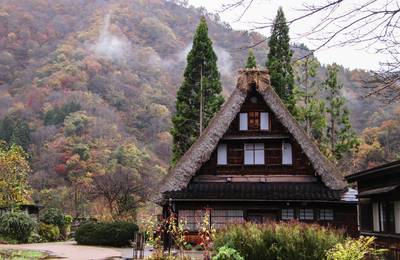
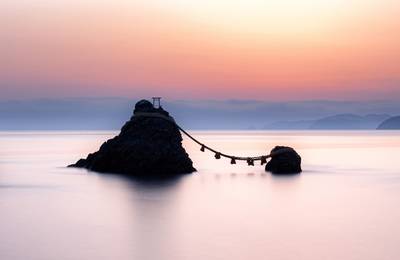
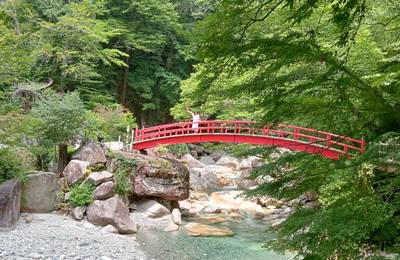
Nagoya’s rail position is its underrated asset. The Hida limited express runs north through the mountains to Takayama in around two and a half hours, and the Kiso Valley — where the preserved post towns of Magome and Tsumago are linked by a walkable stretch of the old Nakasendo highway — lies along the same corridor. To the south-east, the Kintetsu line reaches Ise in under two hours for Ise Jingu, the most sacred shrine complex in Shinto, and continues to the pearl-diving coast at Toba. Kyoto is roughly thirty-five minutes away by Shinkansen, which makes a half-day there realistic. Seat reservations matter on the scenic routes in autumn, so book ahead if your dates fall in peak colour season.
Getting around & passes
Nagoya’s subway covers the city well, with the Higashiyama and Meijo lines reaching most sights, while the Meitetsu and Kintetsu private railways handle the surrounding prefectures. The airport, Chubu Centrair, connects to Meitetsu Nagoya Station by direct train in roughly half an hour. IC cards including Suica and ICOCA are accepted, and the city sells a one-day ticket covering subway and bus that pays for itself after about three rides. For wider travel, JR Central and the private railways each offer regional passes aimed at the Takayama, Ise and Kiso routes; which one makes sense depends entirely on your itinerary. Check current pricing and eligibility on the operators’ official sites before buying.
Good to know
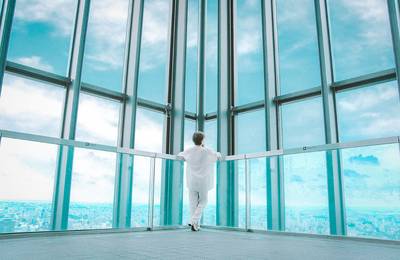
Nagoya’s summers are notably hot, often among the warmest in the country, and the humidity lingers into September; spring and late autumn are far more comfortable. The station area, Meieki, has the densest concentration of hotels and puts you one escalator from the Shinkansen, while Sakae is the better base if you want evenings out. Nagoya is often cheaper than Tokyo or Kyoto for the same standard of room, which is one reason to consider it as a base rather than a stopover. English signage is good on the subway and at major sights, thinner in neighbourhood restaurants. Coin lockers at the station fill up on weekends, so store bags early if you are only passing through.
- Nagoya Station is a major shinkansen hub — handy between Tokyo and Kyoto/Osaka.
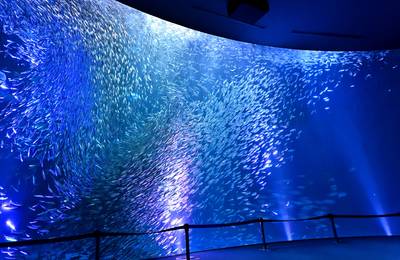
- LEGOLAND, SEA LIFE and the Port of Nagoya aquarium cluster near the waterfront.
- Takayama, Shirakawa-go and Ise all make comfortable day trips.
Related guides
The guides below cover the mountain and coastal regions most easily reached from Nagoya.
Last updated: 2026-08-08