
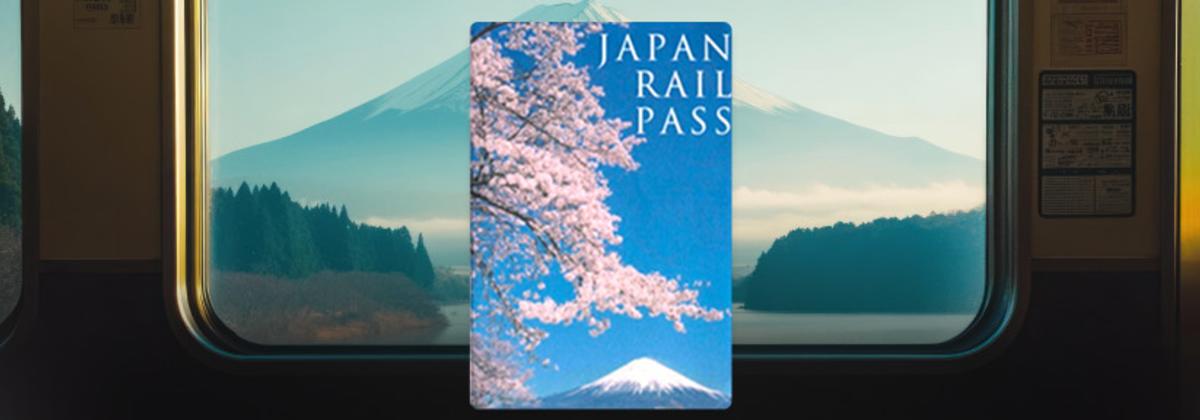
Japan’s trains are superb, but the nationwide Japan Rail Pass is no longer the automatic deal it once was — after a roughly 70% price rise in 2023 (now about ¥50,000 for 7 days), it only pays off if you cover a lot of long-distance ground. For a typical Tokyo–Kyoto–Osaka loop, buying individual tickets is usually cheaper, and if you’re staying in one region a regional pass almost always wins.
How to choose
- Do the math first. Add up the long-distance fares you’d actually pay; buy the nationwide pass only if the total beats its price. For most trips it won’t.
- Staying in one region? A regional JR pass (JR East, JR West Kansai, JR Hokkaido) or a city pass is usually far better value.
- The nationwide pass shines only on wide, multi-region routes with several shinkansen round-trips (e.g., Tokyo ⇄ Kyoto ⇄ Hiroshima and back).
- City passes are different — they cover local subways, buses and attractions, not the shinkansen.
Compare the main passes
| Pass | Covers | Best for |
|---|---|---|
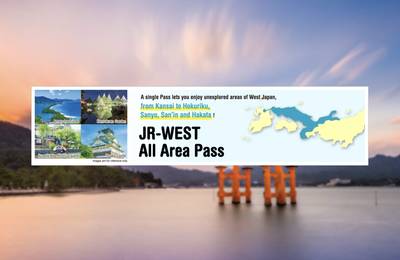
| Japan Rail Pass (nationwide) | Almost all JR trains nationwide, incl. most shinkansen (Nozomi/Mizuho need a supplement) | Long trips crossing several regions. Often not worth it for a single region since the 2023 price rise. |
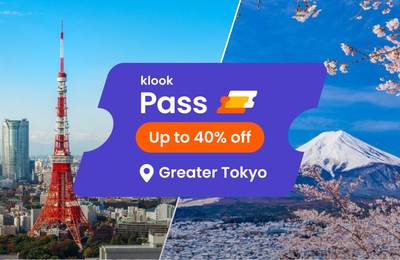
| JR Tokyo Wide Pass | JR across the greater Tokyo / Kanto area (3 days) | Day trips from Tokyo (Mt. Fuji area, Nikko, GALA, etc.) |
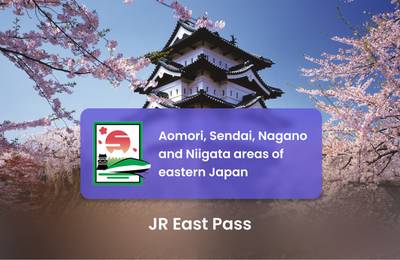
| JR East Pass | JR East lines (Tohoku, or Nagano & Niigata areas) | Travel north/east of Tokyo |
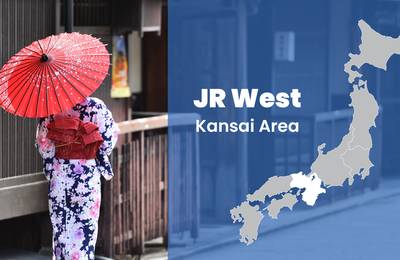
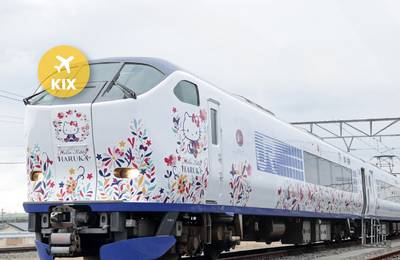
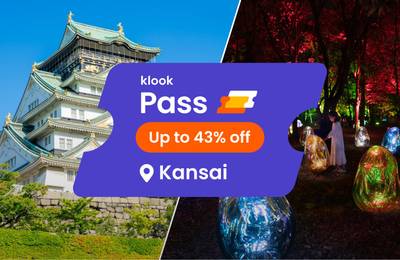
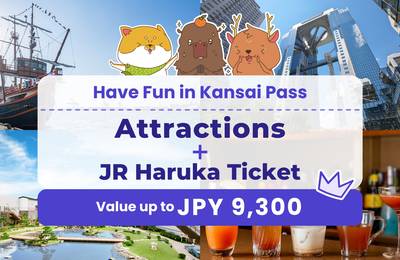
| JR West Kansai Area Pass | JR around Kyoto, Osaka, Nara, Kobe, Himeji + Haruka to Kansai Airport | A Kansai-focused trip |
| JR West Kansai WIDE Pass | Kansai plus Okayama / Sanyo shinkansen (toward Hiroshima) | Kansai + a Hiroshima/Okayama side trip |
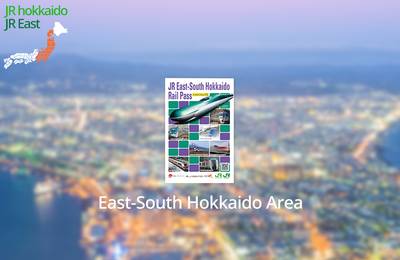
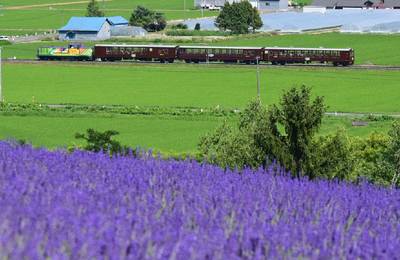
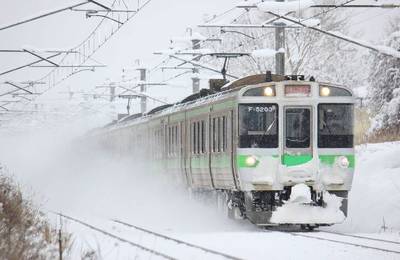
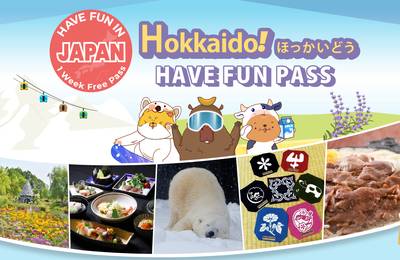
| JR Hokkaido passes | JR within Hokkaido (area-specific) | Getting around Hokkaido by train |
| City passes (Osaka Amazing, Klook Pass…) | Local subways/buses + attraction entry — not shinkansen | Sightseeing within one city |
Buy a rail pass
Reserve online before you travel and collect/activate on arrival. Prices are a guide (from, USD); check the current price and exact coverage on Klook.
Nationwide
Tokyo & eastern Japan
Kansai (Kyoto, Osaka, Nara)
Hokkaido
City & attraction passes (not shinkansen)

Affiliate links — we may earn a commission at no extra cost to you.
Good to know
- Most tourist passes require you to collect or activate them at a station on arrival, using your passport.
- The nationwide Japan Rail Pass is for temporary visitors (tourist entry) only.
- Seat reservations on the shinkansen are free with a pass — reserve popular routes ahead.
- Coverage, validity and prices change; always check the official pass page or the listing before buying.
The nationwide Japan Rail Pass is no longer the automatic saving it once was. It typically pays off only when an itinerary covers a lot of long-distance ground across several JR regions, and a price revision is scheduled to take effect on 1 October 2026 — check the official site for the current price before you commit to one.
Who the nationwide pass suits
The pass works best for a route that crosses regions: Tokyo to Kyoto to Hiroshima in a week, or a loop that reaches Kyushu or Tohoku. If you are staying mainly in one area, a regional JR pass — JR East, JR West Kansai, JR Kyushu, JR Hokkaido — or a city pass usually costs less, because the nationwide pass is priced for cross-region use.
Eligibility is narrower than many travellers expect. Only people entering Japan under “Temporary Visitor” status — the 15-day or 90-day sightseeing category — can exchange and use the pass. It cannot be picked up or exchanged under any other status, including “Trainee”, “Entertainer” or “Reentry Permit”. Passport details are registered at purchase, so the pass is valid only for that person and cannot be shared or transferred.
One detail causes more failed exchanges than any other: automated gates at the airport do not put a stamp or sticker in your passport. Without that “Temporary Visitor” mark you cannot exchange the pass. Use a staffed lane, or ask an officer to add the stamp before you leave the arrivals hall.
What the pass does not cover
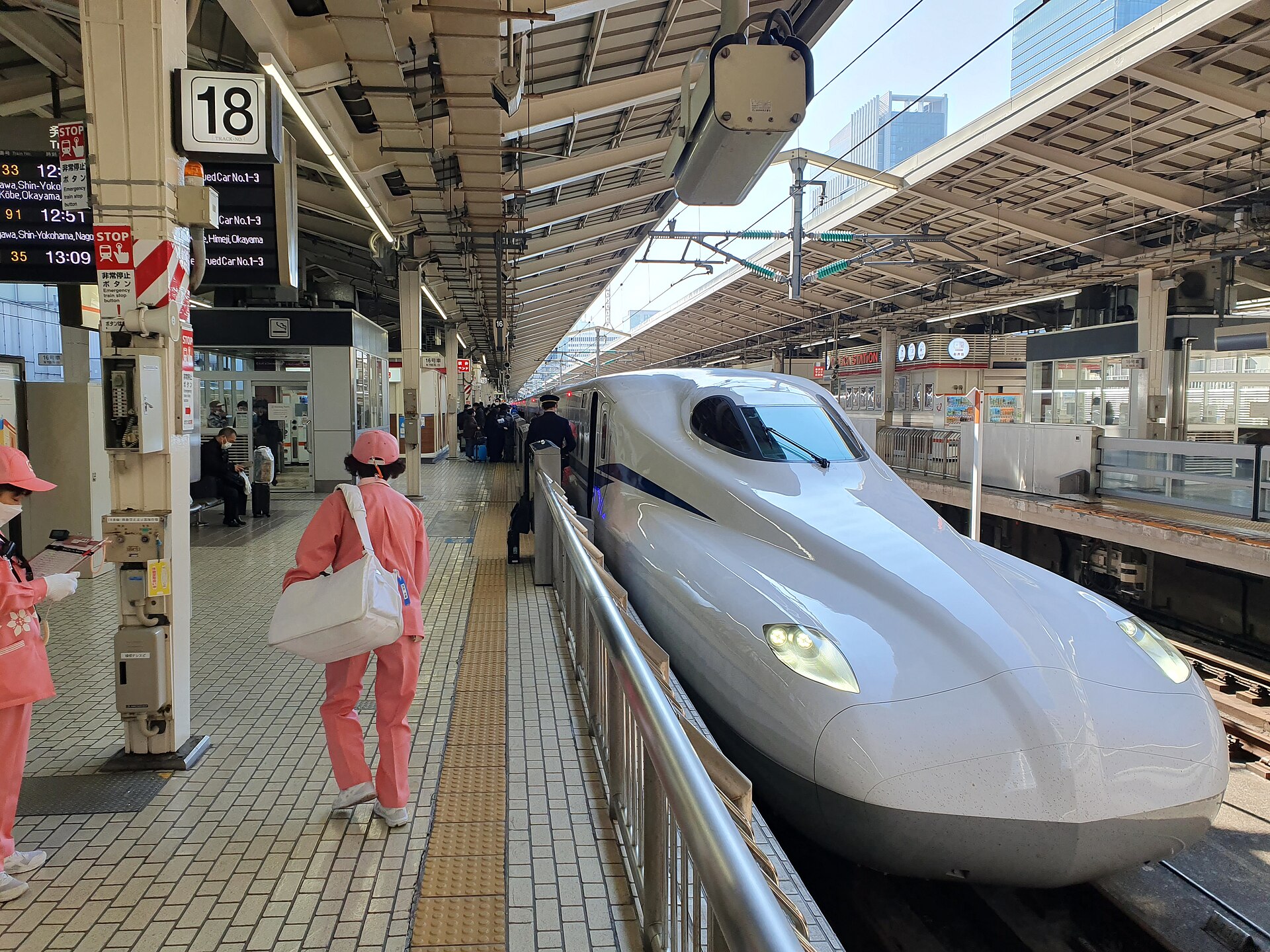
This is where itineraries usually go wrong. Nozomi and Mizuho shinkansen are excluded entirely — the fastest services on the Tokaido, Sanyo and Kyushu lines, reserved and non-reserved alike. The official guidance is to use Hikari, Sakura, Kodama and Tsubame services instead, which cover the same routes with one or two extra stops. If you do want a Nozomi or Mizuho, a separate supplement ticket can be bought for each journey, typically from one month before the boarding date up to the day itself, at reserved-seat machines, JR ticket offices and travel centres.
City subways are not included. Neither are most private railways such as Kintetsu and Hankyu, nor JR express bus routes. On a handful of non-JR lines — the Aoimori Railway, IR Ishikawa Railway, Ainokaze Toyama Railway and Hapi-Line Fukui — the pass works only for the full end-to-end section, with extra fare payable beyond it. Gran Class, sleeping cars, DX Green and Premium Green accommodation all carry additional fees on top of the pass.
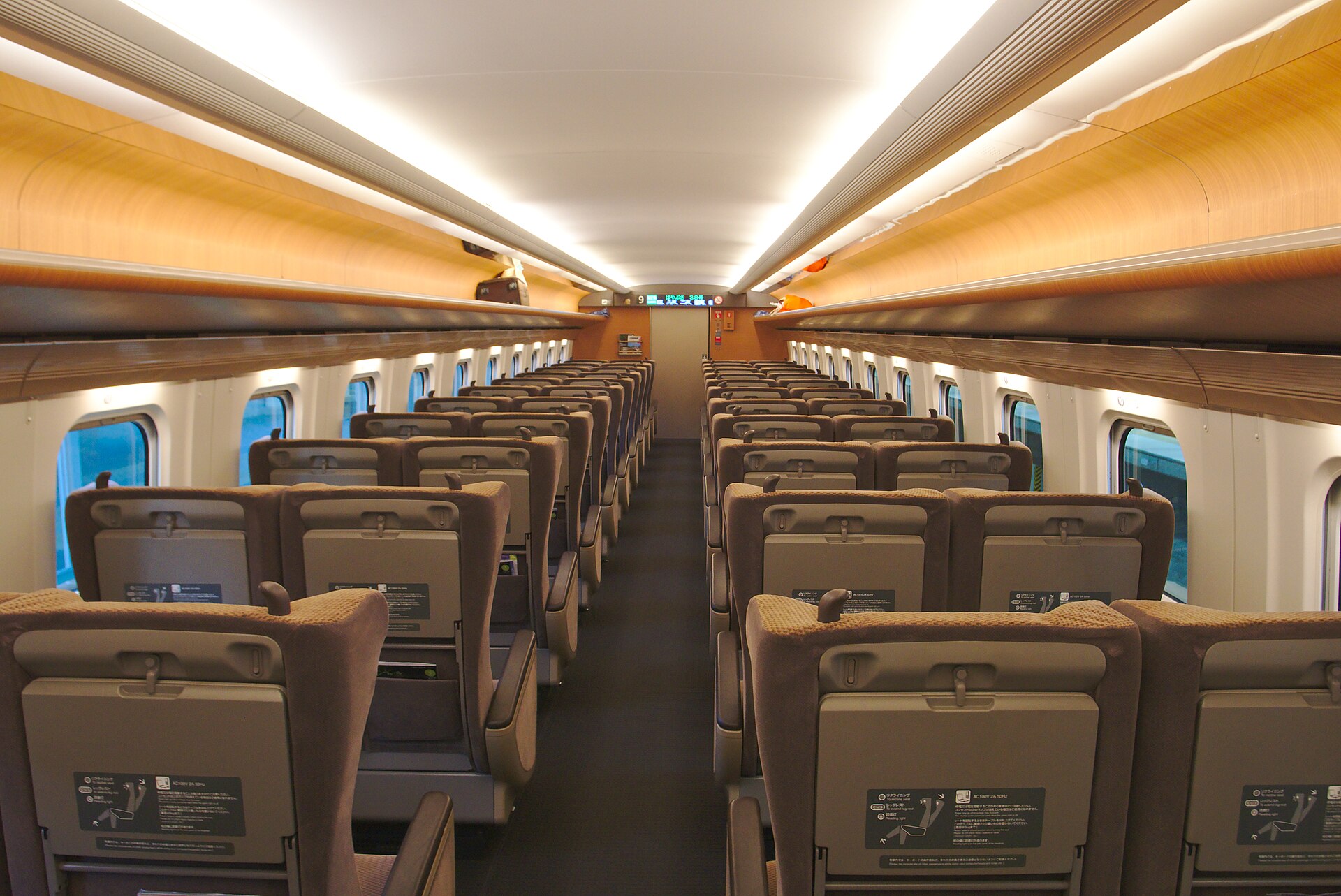
Because subways and local buses sit outside the pass, most travellers carry a separate IC card — Suica, Pasmo, ICOCA or similar — alongside it for city travel.
Getting the pass into your hands
Buy an Exchange Order before you travel, either on the official reservation website using a credit card in the purchaser’s name, or through a JR-designated agency overseas. You then collect the physical pass in Japan at a JR ticket office (look for the green Midori-no-madoguchi sign), at an eligible reserved-seat machine with a passport reader, or at a JR desk in certain airports, presenting the passport with the Temporary Visitor mark.
Buying online has one practical advantage beyond convenience: it is the only route that lets you reserve shinkansen seats before you arrive in Japan. A single online purchase can also cover up to six eligible people travelling together, and child fares apply to ages 6 to 11, with travellers aged 12 and over paying the adult fare.
Reserving seats and carrying luggage
Seat reservations cost nothing extra with the pass, and on popular routes they are worth making rather than relying on non-reserved cars. Reserve online in advance if you bought the pass that way, or at any Midori-no-madoguchi or reserved-seat machine once you are in Japan. During designated peak periods around New Year, Golden Week and mid-August, JR Central runs Nozomi services as all-reserved because of predicted congestion, which tightens availability on the alternatives too.
Large suitcases need planning. On the Tokaido, Sanyo, Kyushu and Nishi Kyushu Shinkansen, baggage with total dimensions between 160 cm and 250 cm requires an advance reservation for a baggage space as well as for your seat. Booking the seat alone is not enough.
Travelling with a wheelchair
Wheelchair-accessible seats are available on most shinkansen and on limited express services on conventional lines. Reserve at a JR ticket office up to one month before travel; boarding may be refused if the accessible spaces on a given train are already taken. Power wheelchairs fitted with steering wheels are generally not permitted. Requirements can change, so confirm with a ticket office when you reserve.
Details above reflect the official JR Group guidance as of August 2026. Fares, peak-period dates and conditions are revised periodically — check the official Japan Rail Pass site before booking.
Related guides
Last updated: 2026-08-07