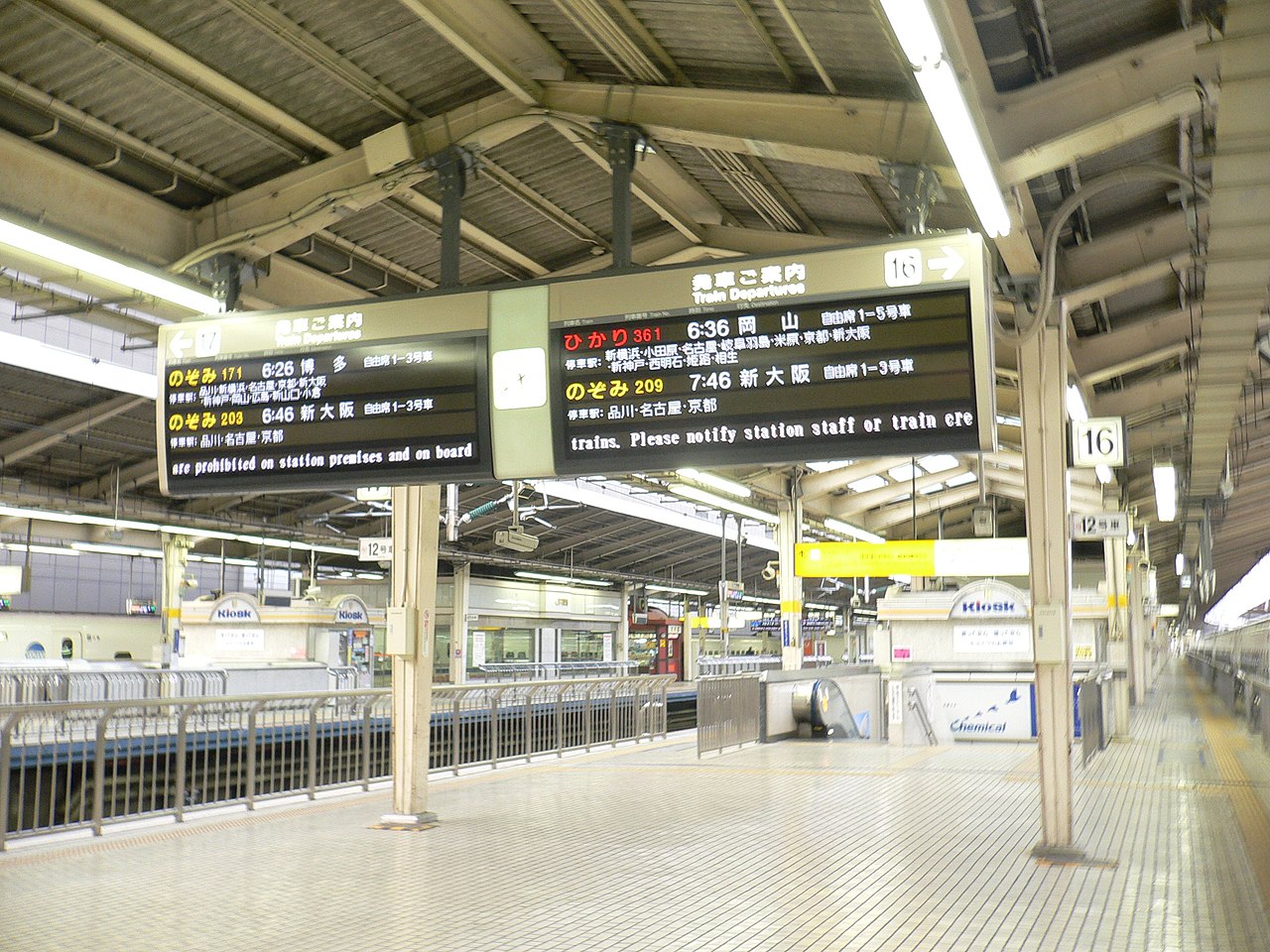
This comprehensive itinerary allows thorough exploration of Tokyo with time for day trips. It answers: “How to spend 5 days in Tokyo?”
Quick Facts
- Best for: In-depth exploration, day trip options
- Pace: Relaxed with flexibility
- Budget: ¥20,000-30,000 (excluding accommodation and meals)
Day 1: East Tokyo Classics
Morning: Tsukiji Outer Market breakfast → Hamarikyu Gardens
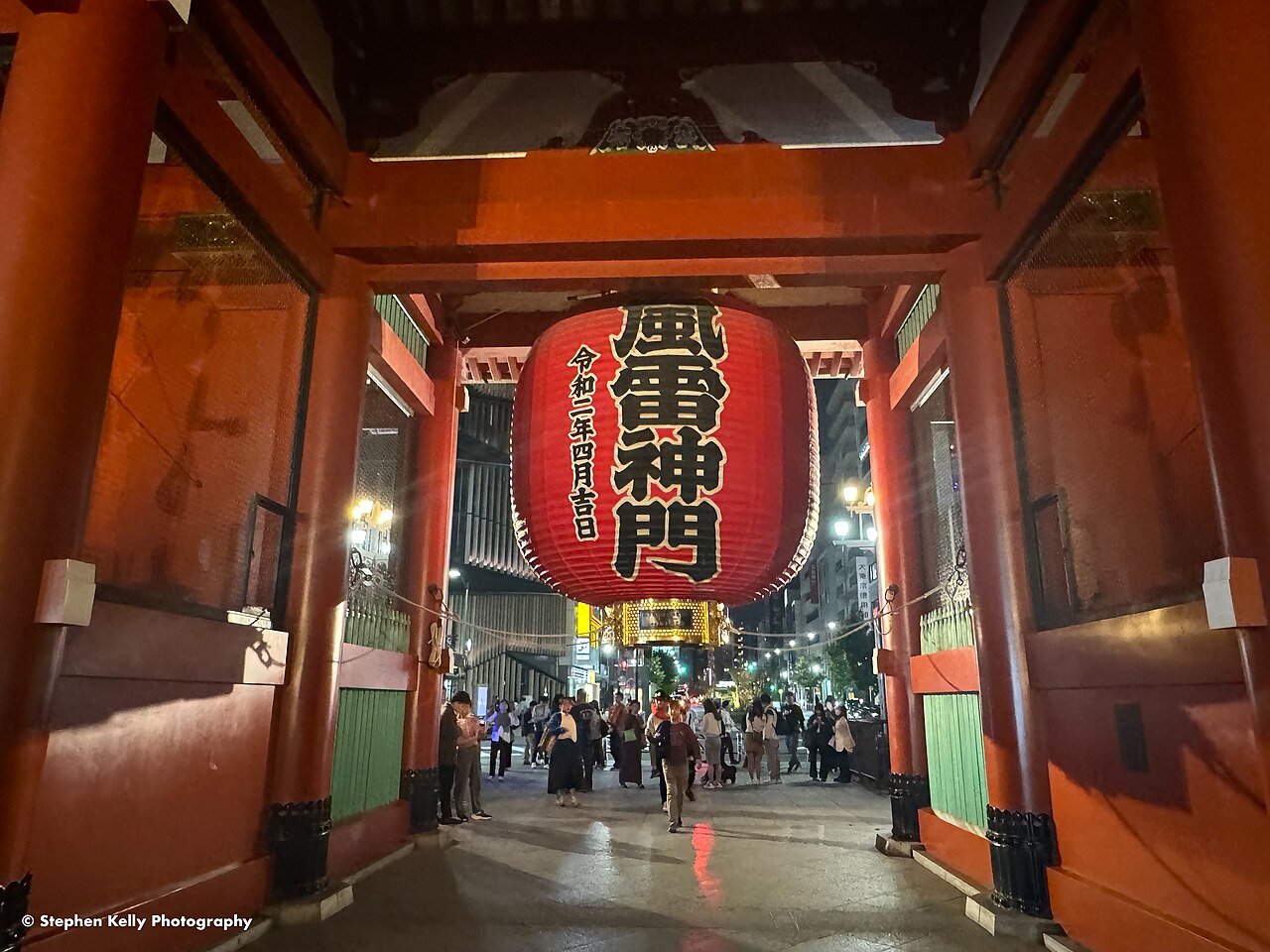
Afternoon: Asakusa (Senso-ji, Nakamise) → Sumida River cruise or walk to Skytree
Evening: Tokyo Skytree observation → dinner in Asakusa
.jpg)
Day 2: Culture & History
Morning: Imperial Palace East Gardens → Marunouchi area
Afternoon: Ueno Park museums (National Museum or Western Art)
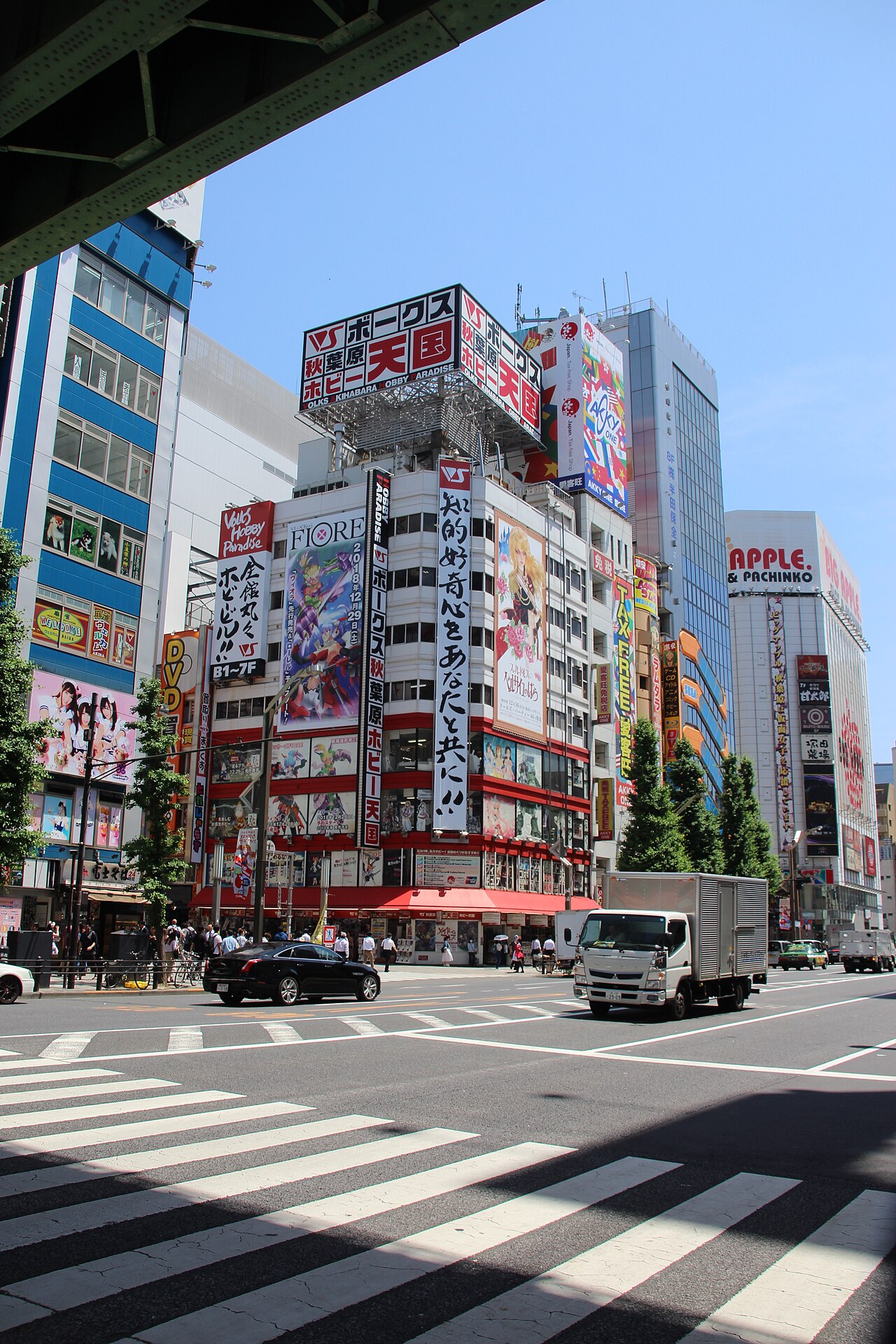
Evening: Akihabara electric town

Day 3: Modern Tokyo
Morning: Meiji Shrine → Harajuku (Takeshita Street, Omotesando)
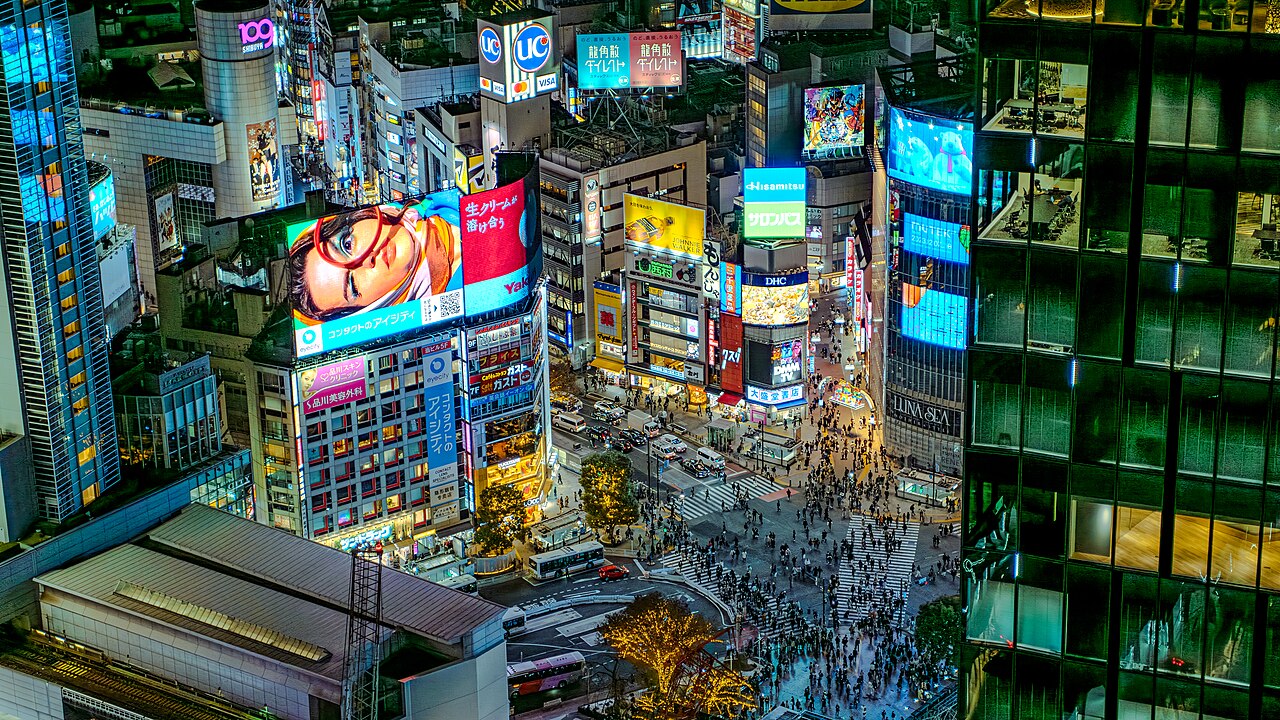
Afternoon: Shibuya (crossing, shopping, Shibuya Sky)
Evening: Shinjuku (Government Building observation, Golden Gai)

Day 4: Day Trip Option
Choose one:
.jpg)
- Nikko – Toshogu Shrine and nature (2 hours from Asakusa)
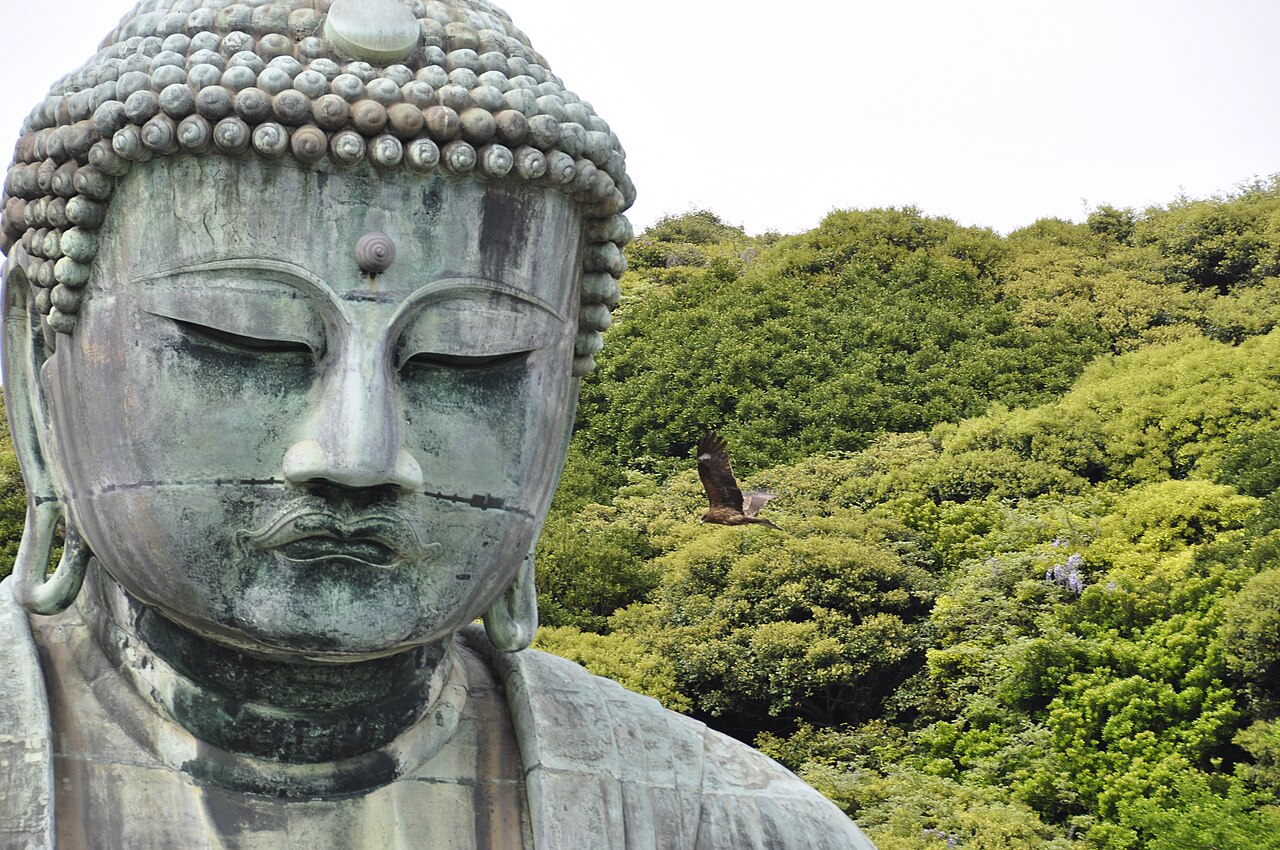
- Kamakura – Great Buddha and temples (1 hour from Tokyo)
- Hakone – Hot springs and Mt. Fuji views (1.5 hours from Shinjuku)
Return to Tokyo for evening at leisure.
Day 5: Waterfront & Wrap-up
Morning: Ginza shopping and Kabukiza Theatre
Afternoon: Odaiba (teamLab, Gundam, waterfront)
Evening: Tokyo Tower or revisit favorite area. Last-minute shopping.
Tips
- JR Pass: If doing day trips, consider a JR Pass or regional passes.
- Flexibility: Swap days based on weather. Save indoor activities for rain.
- Rest: Don’t over-schedule. Tokyo walking is tiring.
Getting There
Starting Point
This 5-day itinerary assumes you are basing yourself in central Tokyo. Most travelers choose accommodation near major transportation hubs like Shinjuku, Shibuya, or Tokyo Station to maximize sightseeing time. Access to these areas is straightforward from both international airports.
From Narita Airport (NRT)
Recommended (Premium): Take the 🔴 Narita Express (N’EX) from Terminal 1 or Terminal 2 directly to Tokyo Station, Shinjuku, or Shibuya in approximately 60–90 minutes. Terminal 3 users must take the shuttle bus or walk to Terminal 2 to board. This is the most convenient option for travelers with luggage. Premium (Fastest to Ueno): The 🔵 Keisei Skyliner reaches Ueno Station in approximately 40–50 minutes. Budget: The 🟠 Keisei Access Express offers a cheaper route to Asakusa and Shinagawa in approximately 60–70 minutes.
From Haneda Airport (HND)
Recommended (Mid-range): Take the 🔴 Keikyu Line from any terminal (T1, T2, T3) to Shinagawa Station in approximately 15–20 minutes. From Shinagawa, you can transfer to the 🟢 JR Yamanote Line to reach Shinjuku, Shibuya, or Tokyo Station. Alternative (Mid-range): The 🔵 Tokyo Monorail connects all terminals to Hamamatsucho Station in approximately 20 minutes. Premium: Airport Limousine Buses provide direct access to major hotels, though travel times vary by traffic.
Useful Passes
For this 5-day itinerary, a Tokyo Subway Ticket (available for 24, 48, or 72 hours) offers great value for unlimited rides on Tokyo Metro and Toei Subway lines. For travel on JR lines (such as the 🟢 JR Yamanote Line), use a rechargeable IC card like Suica or PASMO. These cards allow for seamless tapping at ticket gates and are accepted on virtually all trains and buses in the Kanto region.
Sources
- Official guide: GO TOKYO
Last updated: 2026-02-03