
Guide to Meiji Shrine, Tokyo largest and most famous Shinto shrine.
Quick Facts
- Best for: Cultural experience, peaceful walks, traditional ceremonies
- Time needed: 1-2 hours
- Access: Harajuku or Meiji-jingumae Station
Overview


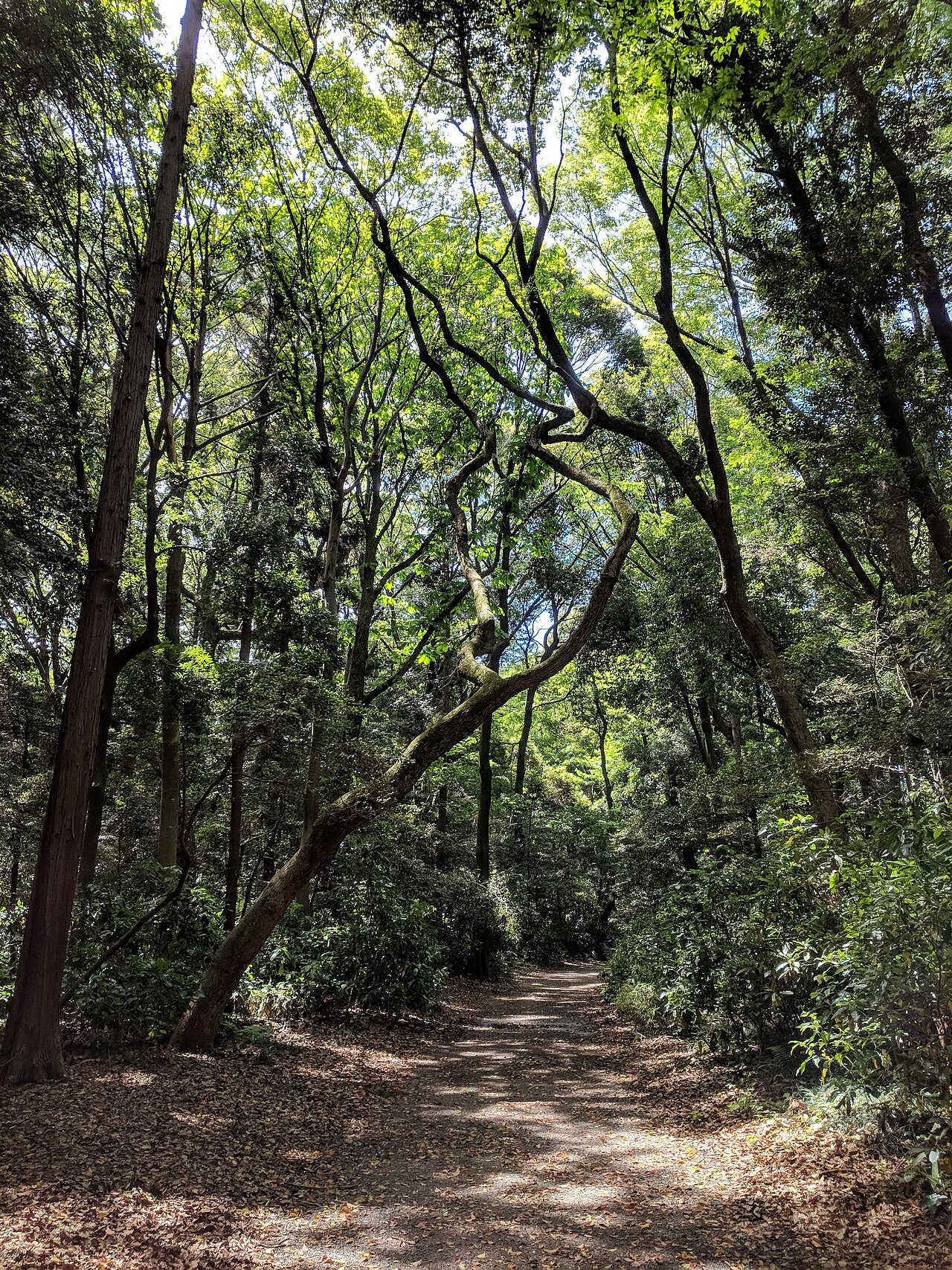
Meiji Shrine is dedicated to Emperor Meiji and Empress Shoken. Set in 170-acre forest, it offers peaceful escape from urban Tokyo.

How to Enjoy
Main Shrine
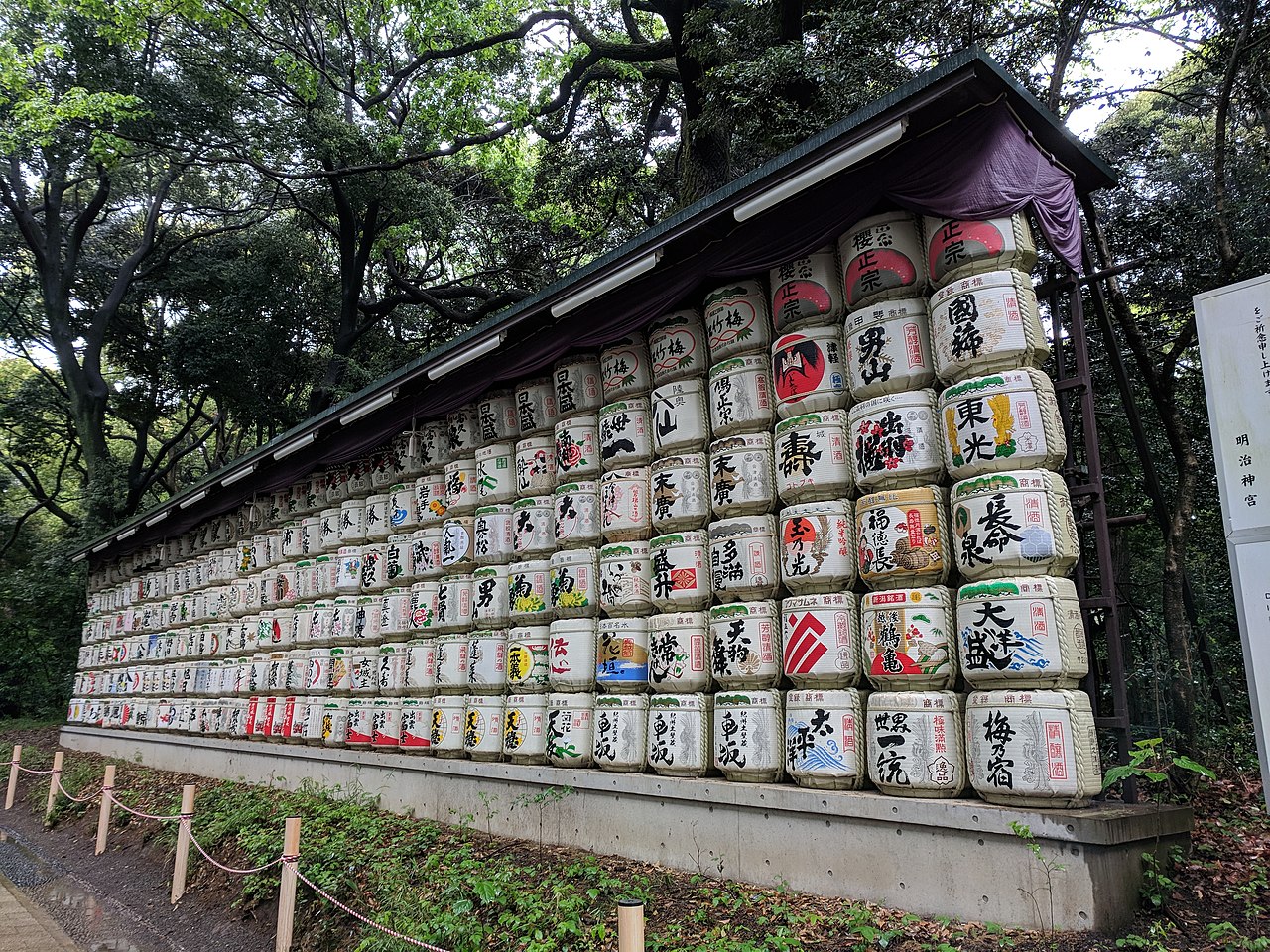
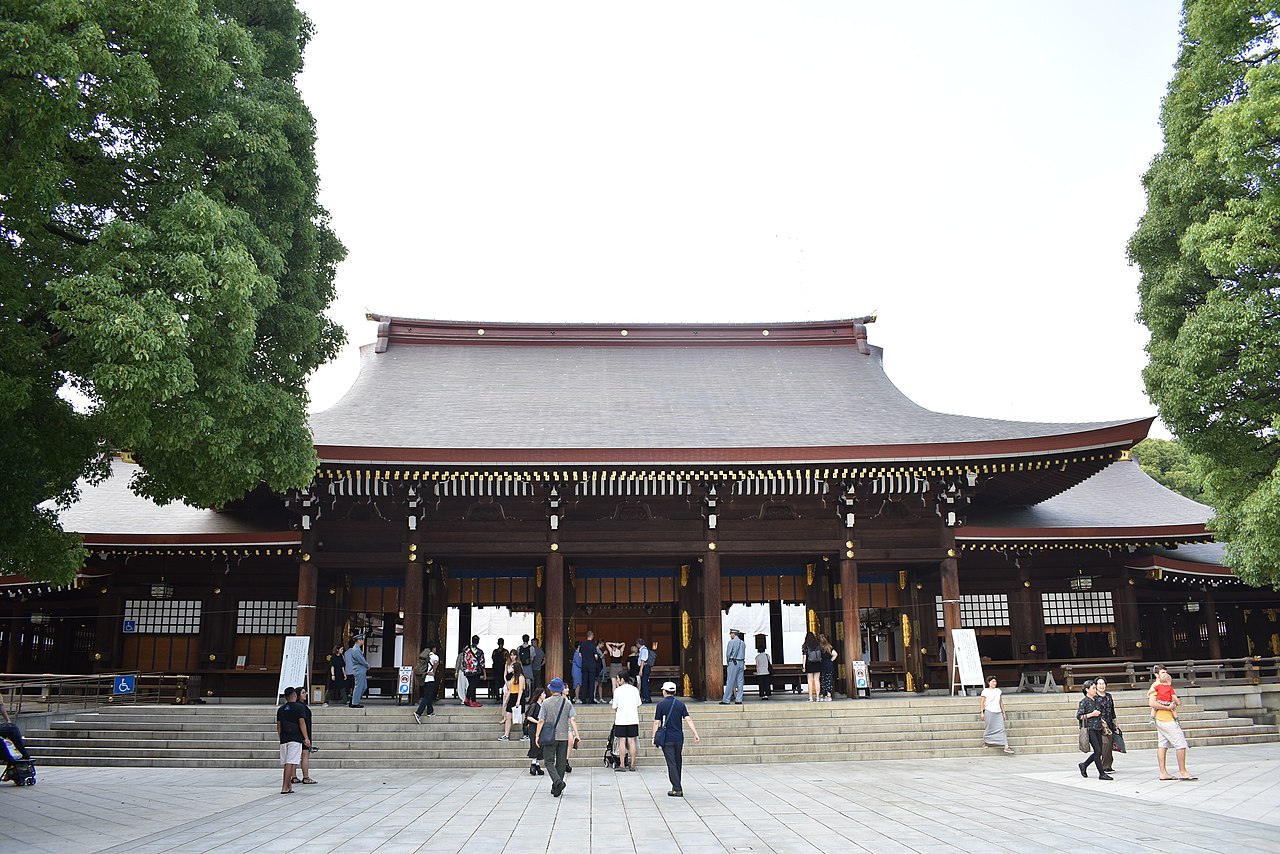
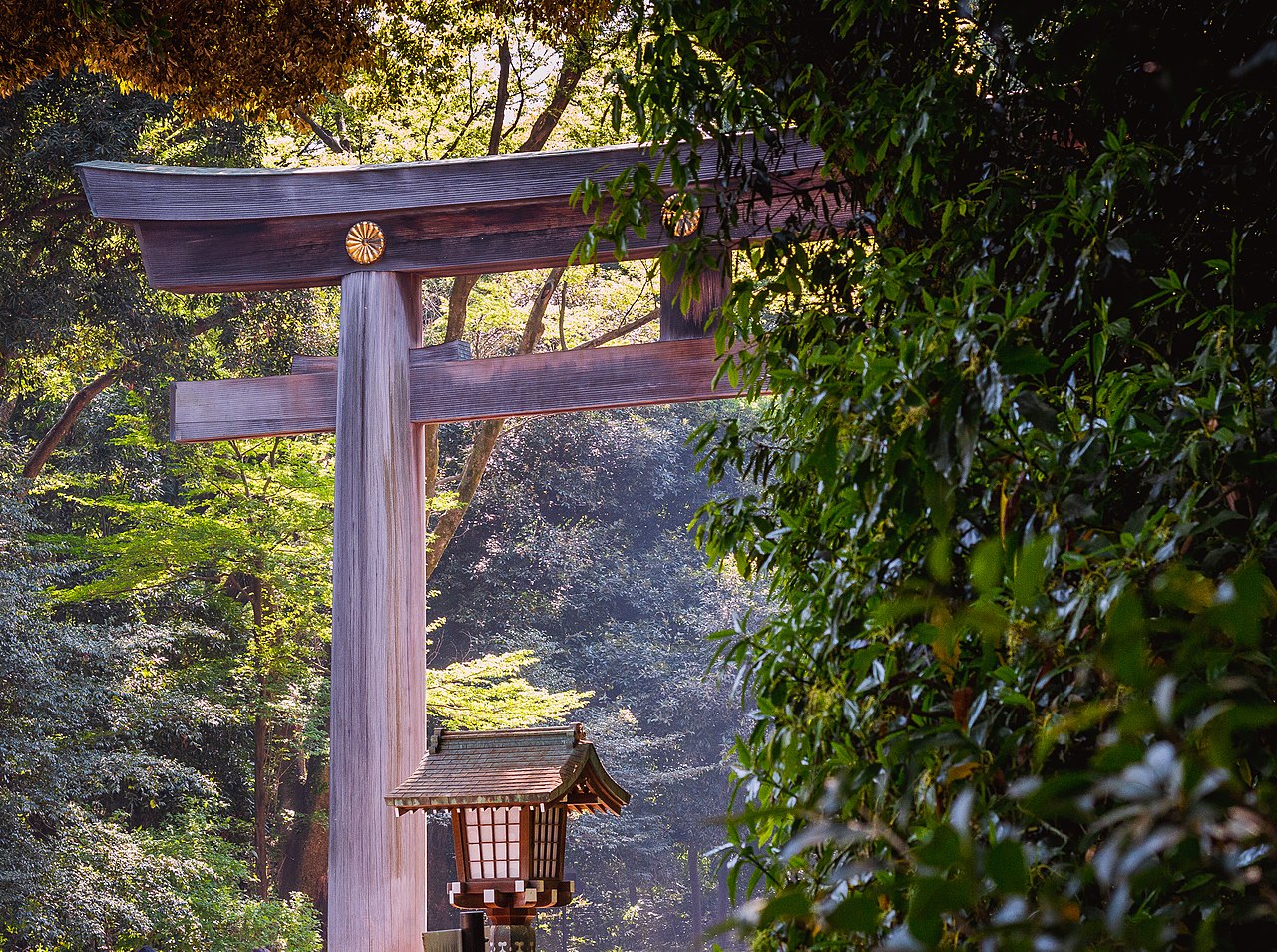
Walk through towering torii gates and forested path to the main shrine buildings.


.jpg)
Traditions

Kikuchi, Dairoku, 1855-1917 / Wikimedia Commons / Public domain
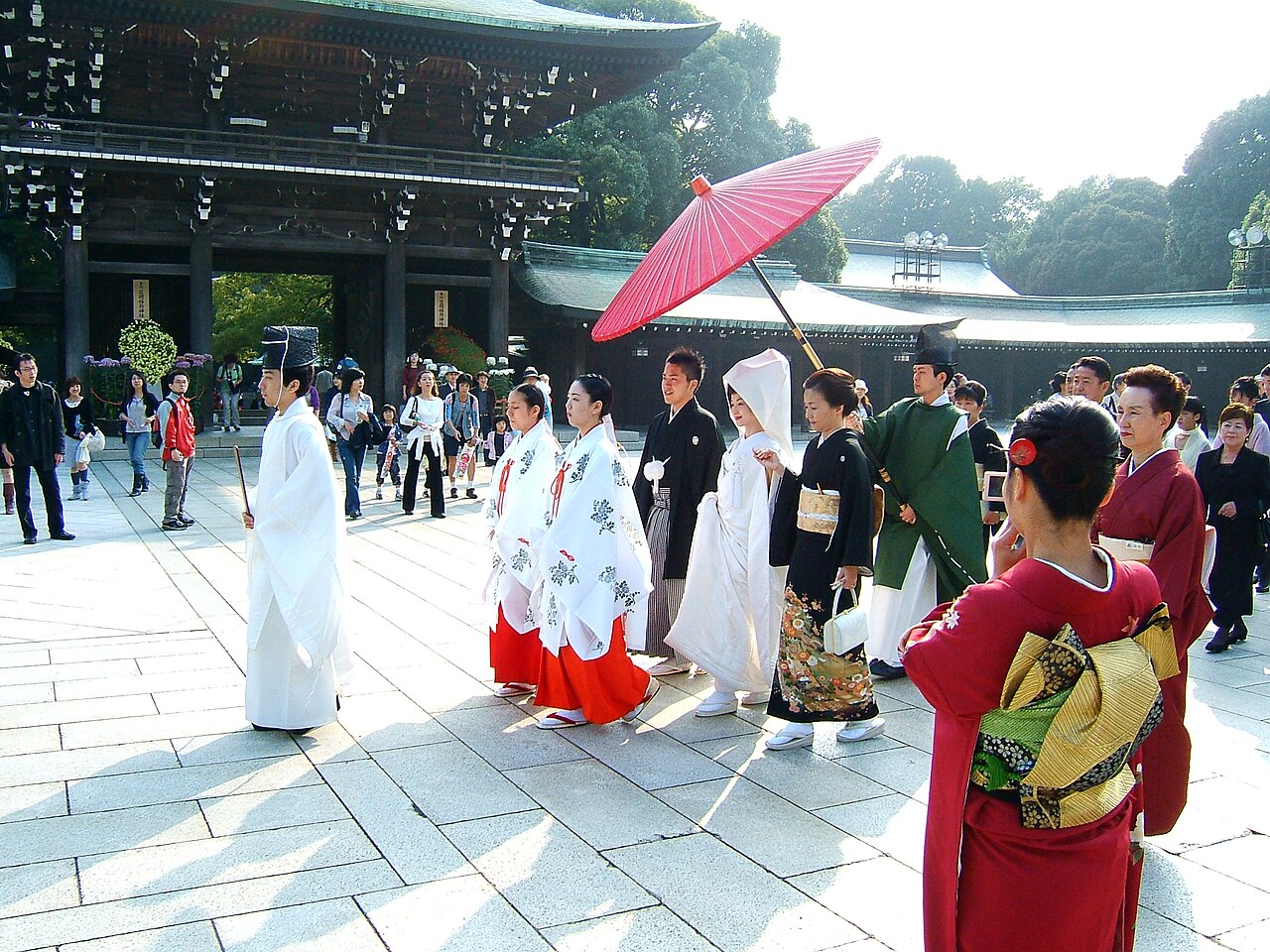
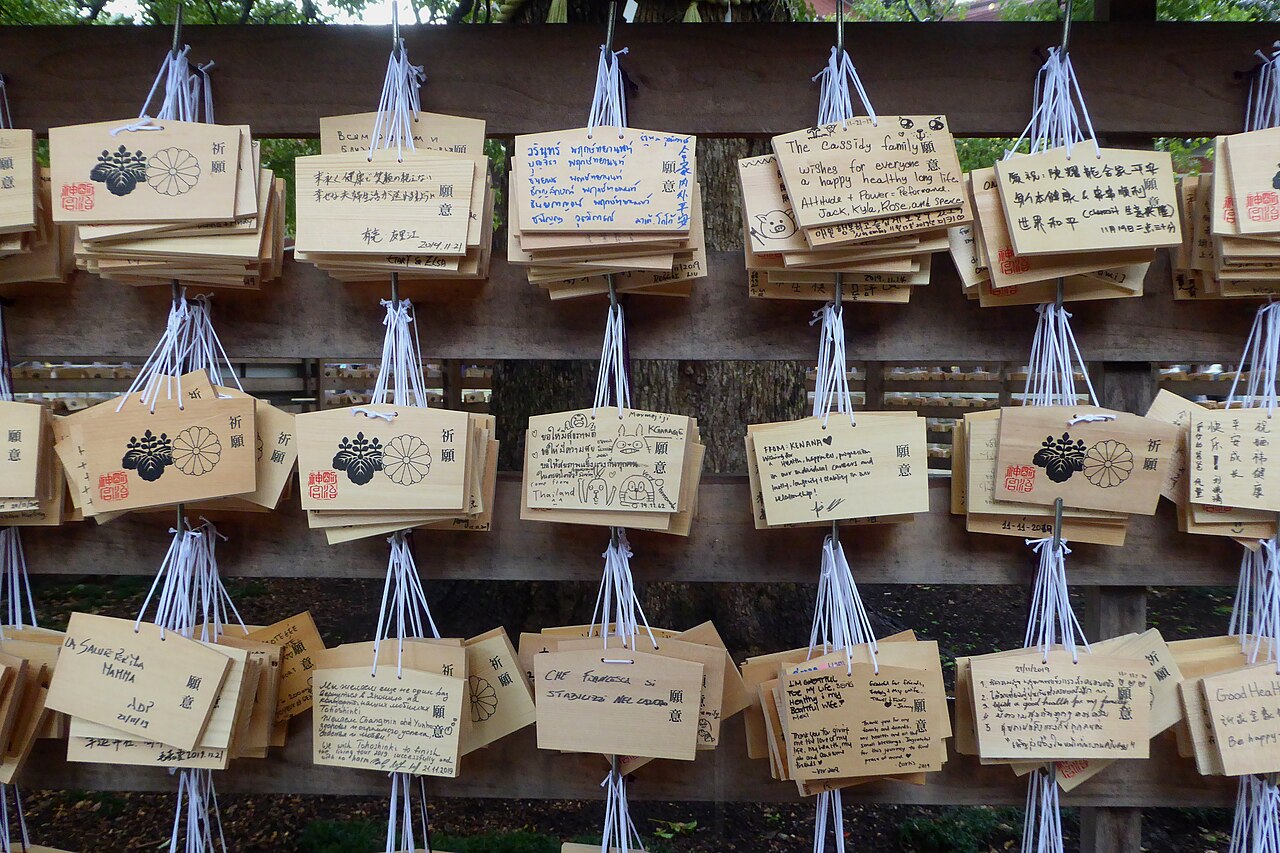
Write wishes on ema (wooden plaques). See traditional weddings on weekends.


Getting There
From Narita Airport (NRT)
Recommended (Premium): Take the 🔴 Narita Express (N’EX) from Terminal 1 or 2 to Shibuya Station or Shinjuku Station, then transfer to the 🟢 JR Yamanote Line to Harajuku Station. The total journey takes approximately 85–95 minutes. Terminal 3 users must take the shuttle bus to Terminal 2 first. Mid-range: Take the 🔵 Keisei Skyliner to Nippori Station, then transfer to the 🟢 JR Yamanote Line to Harajuku Station (approximately 60–70 minutes). This is often faster than the N’EX but requires a transfer at a busy station.
From Haneda Airport (HND)
Recommended (Mid-range): Take the 🔴 Keikyu Line from any terminal (T1, T2, T3) to Shinagawa Station, then transfer to the 🟢 JR Yamanote Line to Harajuku Station. The trip takes approximately 40–50 minutes. Alternative: The 🔵 Tokyo Monorail connects all terminals to Hamamatsucho Station, where you can transfer to the 🟢 JR Yamanote Line to reach Harajuku in approximately 45–55 minutes.
From Major Stations
- From Tokyo Station: Take the 🟢 JR Yamanote Line directly to Harajuku Station (approximately 25–30 minutes). For a slightly faster route, take the 🟠 JR Chuo Line (Rapid) to Shinjuku and transfer to the Yamanote Line.
- From Shinjuku Station: Take the 🟢 JR Yamanote Line (inner loop) directly to Harajuku Station (approximately 4–5 minutes).
- From Shibuya Station: Take the 🟢 JR Yamanote Line (outer loop) directly to Harajuku Station (approximately 2–3 minutes).
Local Access
The main entrance (Omotesando Gate) is located immediately adjacent to Harajuku Station on the 🟢 JR Yamanote Line and Meiji-jingumae ‘Harajuku’ Station on the 🟤 Tokyo Metro Fukutoshin Line and Chiyoda Line. The walk from the station exit to the first torii gate takes approximately 1–2 minutes. IC cards (Suica, PASMO) are accepted on all trains and subways in the Tokyo area.
Sources
Last updated: 2026-02-03