This guide is for travelers seeking Japan’s culinary capital and vibrant nightlife. It answers the search query: “Osaka travel guide” or “things to do in Osaka.”
Quick Facts
- Best for: Food lovers, nightlife seekers, families (theme parks), budget travelers
- Time needed: 2–3 days
- Main stations: Osaka Station/Umeda, Namba Station, Shin-Osaka (shinkansen)
- Area type: Urban
- Rain friendly: Yes (covered shopping arcades and underground malls)
Overview
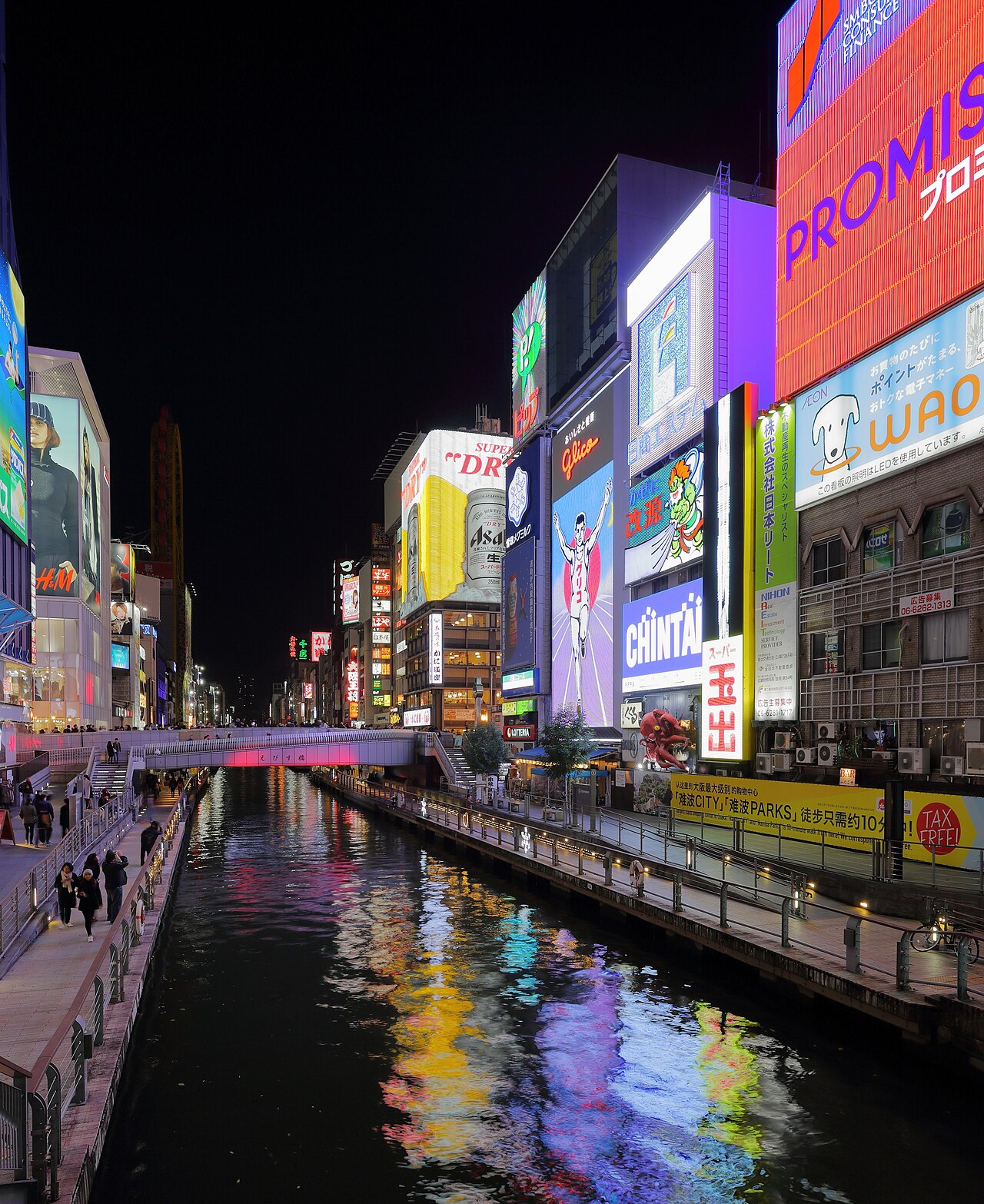

Osaka is Japan’s third-largest city and the commercial center of the Kansai region. Known as “Japan’s Kitchen,” the city has a distinct food culture centered around street food and casual dining. The local motto “kuidaore” means “eat until you drop.”
Unlike Tokyo’s spread-out attractions, Osaka’s main tourist areas concentrate in two hubs: Namba/Dotonbori in the south (entertainment and food) and Umeda in the north (shopping and business). The city has a reputation for friendly, outgoing residents and a more casual atmosphere compared to Tokyo.
Osaka serves as an excellent base for day trips to Kyoto (15–40 minutes), Nara (30–50 minutes), and Kobe (20–30 minutes), making it popular for travelers covering multiple Kansai destinations.
How to Enjoy
Dotonbori and Namba
The Glico Running Man sign marks Osaka’s most famous street. Bright neon signs, mechanical crabs, and giant food displays line the canal. Shinsaibashi shopping arcade extends north with hundreds of shops. Best experienced after dark when lights illuminate.
Street Food Culture
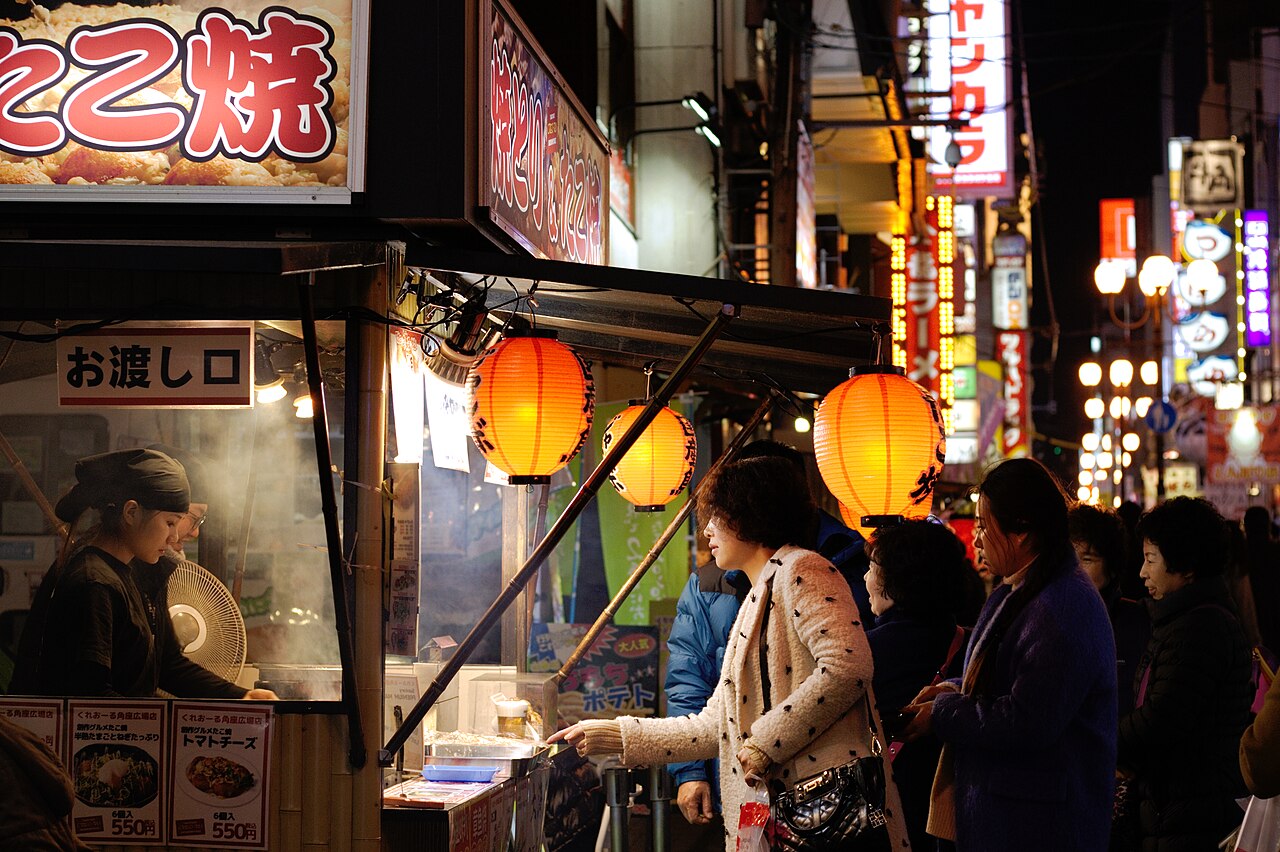

Takoyaki (octopus balls) originated in Osaka. Okonomiyaki (savory pancakes) are prepared on griddles at your table. Kushikatsu (deep-fried skewers) come with strict “no double-dipping” sauce rules. Food stalls cluster around Dotonbori and Shinsekai.
Osaka Castle
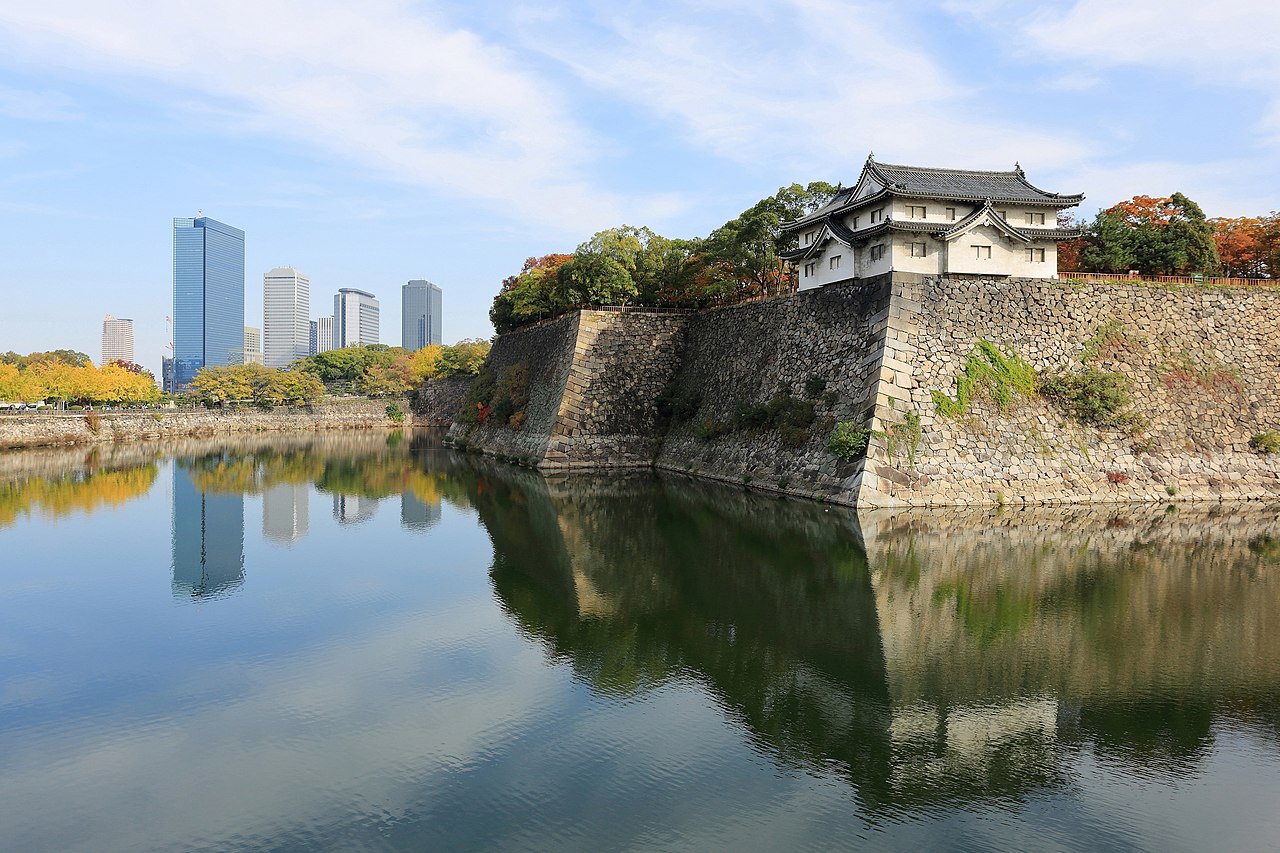

The reconstructed castle sits in a large park popular for cherry blossoms and plum blossoms. The main tower houses a museum of Osaka history. The castle grounds are free; museum admission applies. Illuminated at night during certain seasons.
Shinsekai and Tennoji
.jpg)
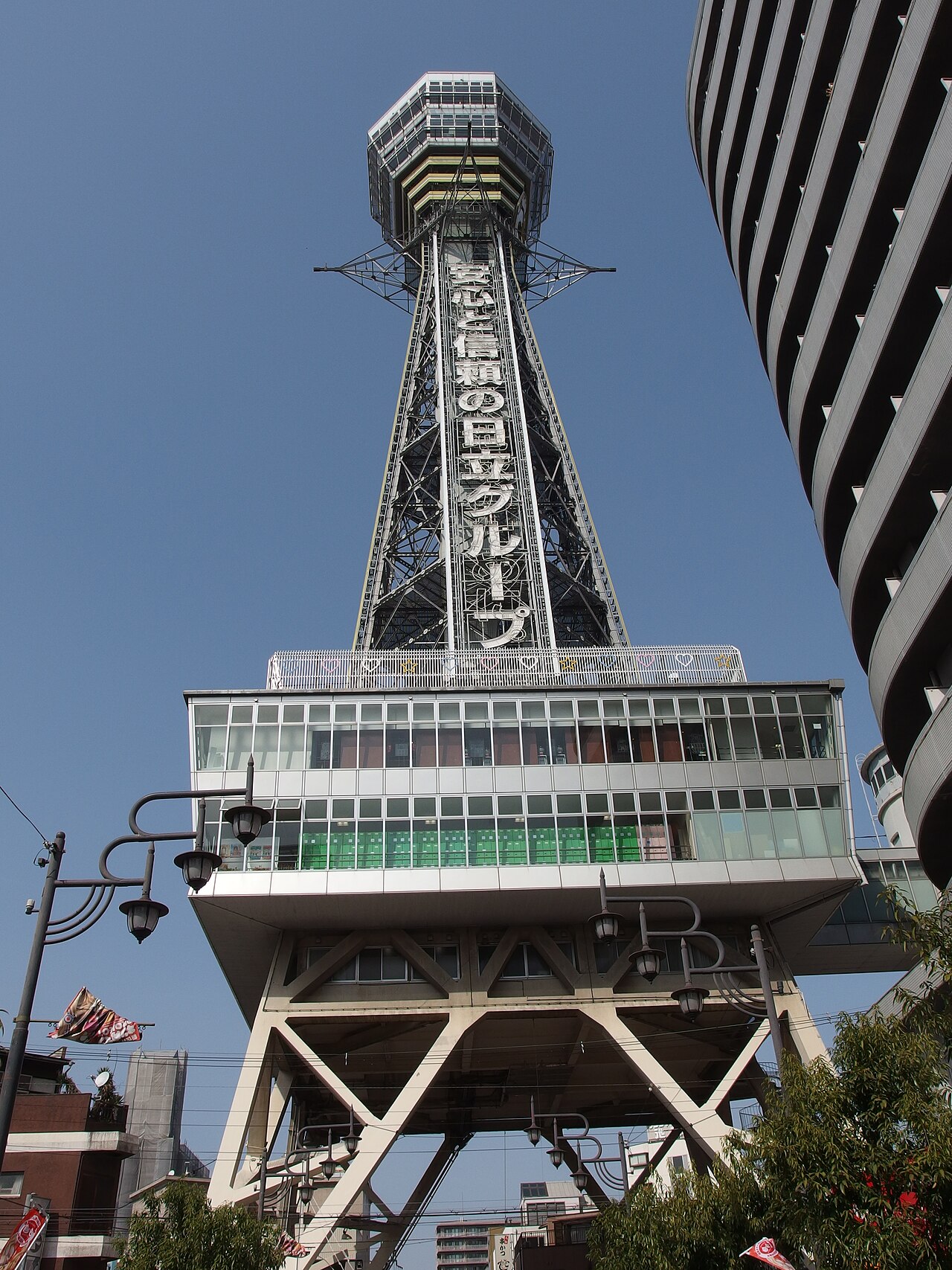
Shinsekai’s retro streets feature the Tsutenkaku Tower and dozens of kushikatsu restaurants. Tennoji area offers Abeno Harukas (Japan’s tallest building), Tennoji Zoo, and traditional shopping. Less tourist-oriented than Namba.
Suggested Itinerary
Day 1: Food and Entertainment
- Afternoon – Kuromon Market for seafood and produce
- Evening – Dotonbori food crawl and Shinsaibashi shopping
- Night – Optional nightlife in Amerika-mura or Namba
Day 2: History and Views
- Morning – Osaka Castle and grounds
- Afternoon – Shinsekai for kushikatsu
- Evening – Abeno Harukas observation deck for sunset views
Day 3 (Optional): Theme Park or Day Trip
- Option A – Universal Studios Japan (full day)
- Option B – Day trip to Kyoto or Nara
Explore Osaka
Areas & Attractions
- Dotonbori Travel Guide
- Kuromon Market Guide
- Namba Travel Guide
- Osaka Castle Visitor Guide
- Shinsekai Travel Guide
- Tennoji Area Travel Guide
- Umeda Travel Guide
- Universal Studios Japan Guide
Travel Guides
- Osaka Budget Travel Guide
- Osaka Nightlife Guide
- Osaka Street Food Guide
- Osaka with Kids: Family Travel Guide
Itineraries & Day Trips
Tips & Cautions
- Escalator etiquette: Stand on the right in Osaka (opposite of Tokyo).
- Food timing: Many restaurants close between lunch and dinner (2:00–5:00 PM). Street food available throughout.
- USJ tickets: Universal Studios Japan requires advance ticket purchase during peak periods. Express passes sell out.
- Cash: More cash-oriented than Tokyo. Carry yen for street food and smaller restaurants.
- Language: Osaka dialect (Osaka-ben) differs from standard Japanese. English is less common than in Tokyo.
- Nightlife: Entertainment districts stay active late. Last trains depart around midnight.
Nearby Alternatives
- Kyoto (Kyoto Prefecture): Temples, traditional culture. 15 minutes by shinkansen, 40 minutes by regular train.
- Nara (Nara Prefecture): Deer park and ancient temples. 30–50 minutes by train.
- Kobe (Hyogo Prefecture): Port city, beef, Chinatown. 20–30 minutes by train.
Sources
- Tourism board: Osaka Info Official
- Transport: Osaka Metro
- USJ: Universal Studios Japan
Last updated: 2026-02-03