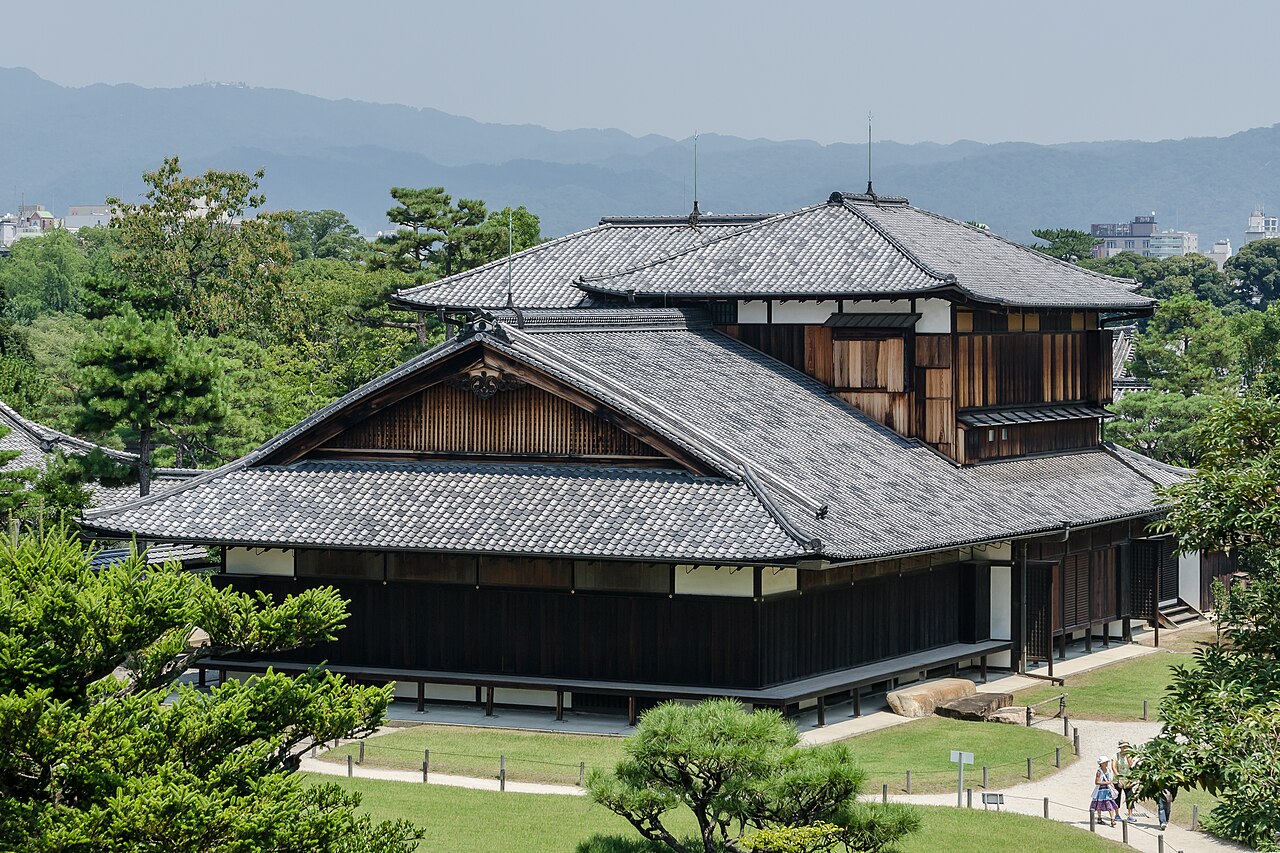
This guide is for travelers seeking samurai-era history and famous nightingale floors. It answers: “How to visit Nijo Castle?”
Quick Facts
- Best for: History buffs, architecture lovers
- Time needed: 1.5-2 hours
- Access: Nijo-jo-mae Station (Tozai Line) or bus
- Admission: ¥800 (castle + Ninomaru Palace)
Overview
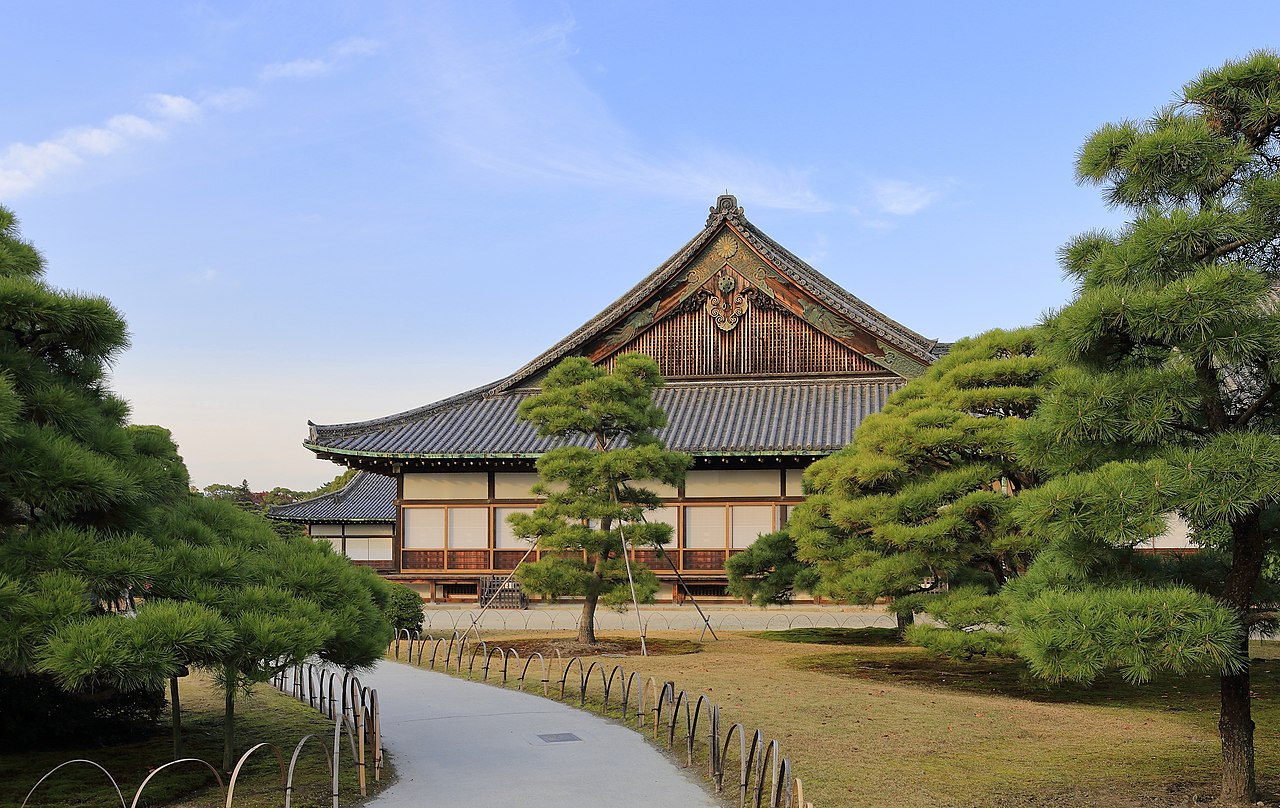

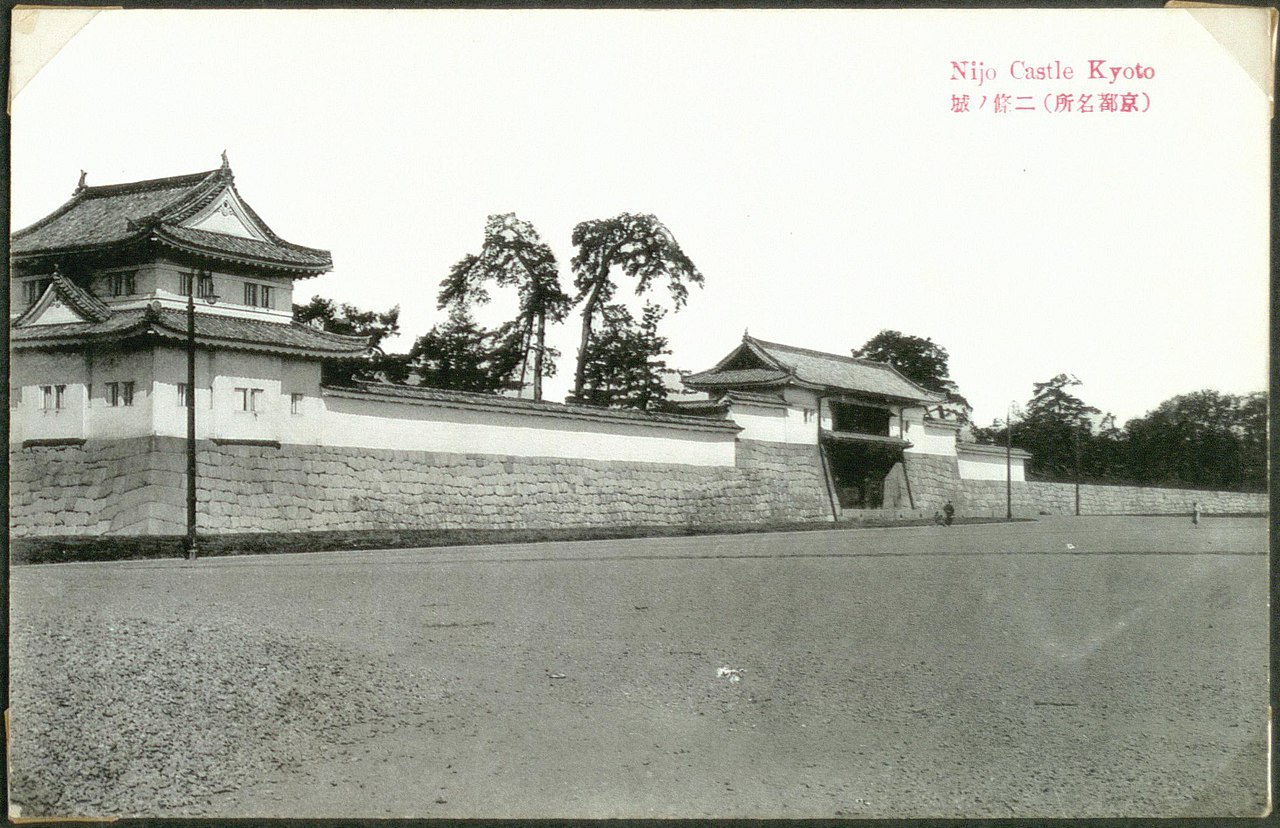
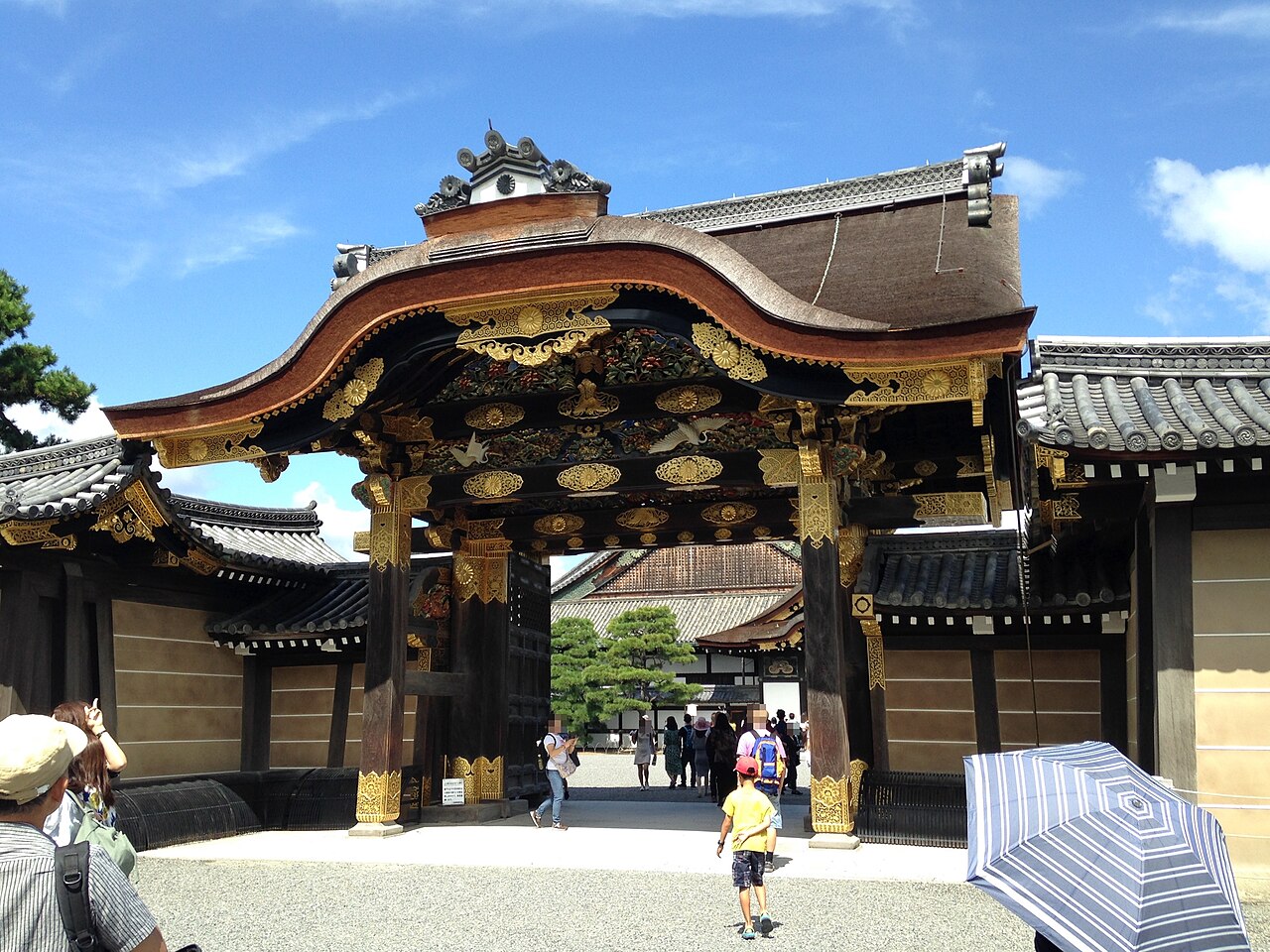
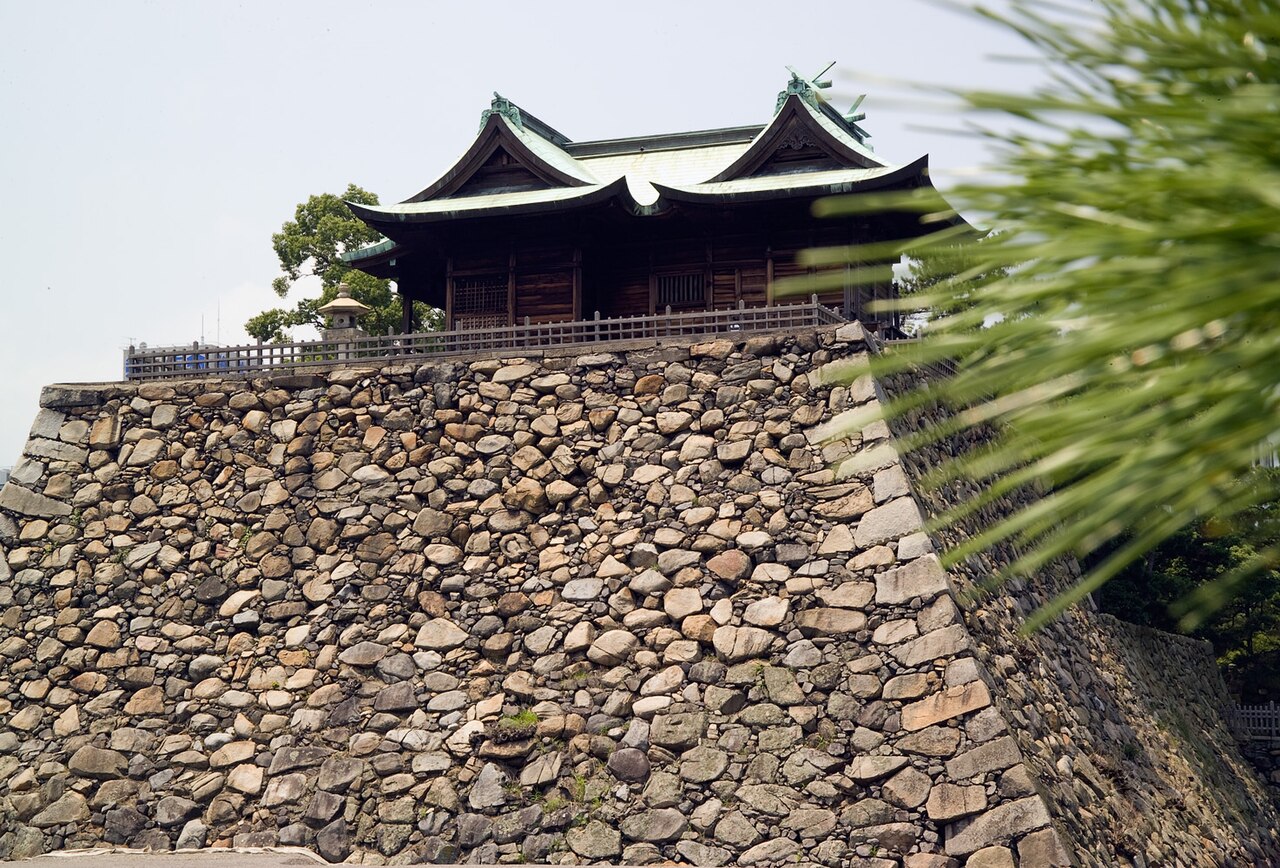
Nijo Castle was built in 1603 as the Kyoto residence of Tokugawa Ieyasu, founder of the Edo shogunate. The UNESCO World Heritage site features ornate interiors and famous nightingale floors.
What to See
Ninomaru Palace
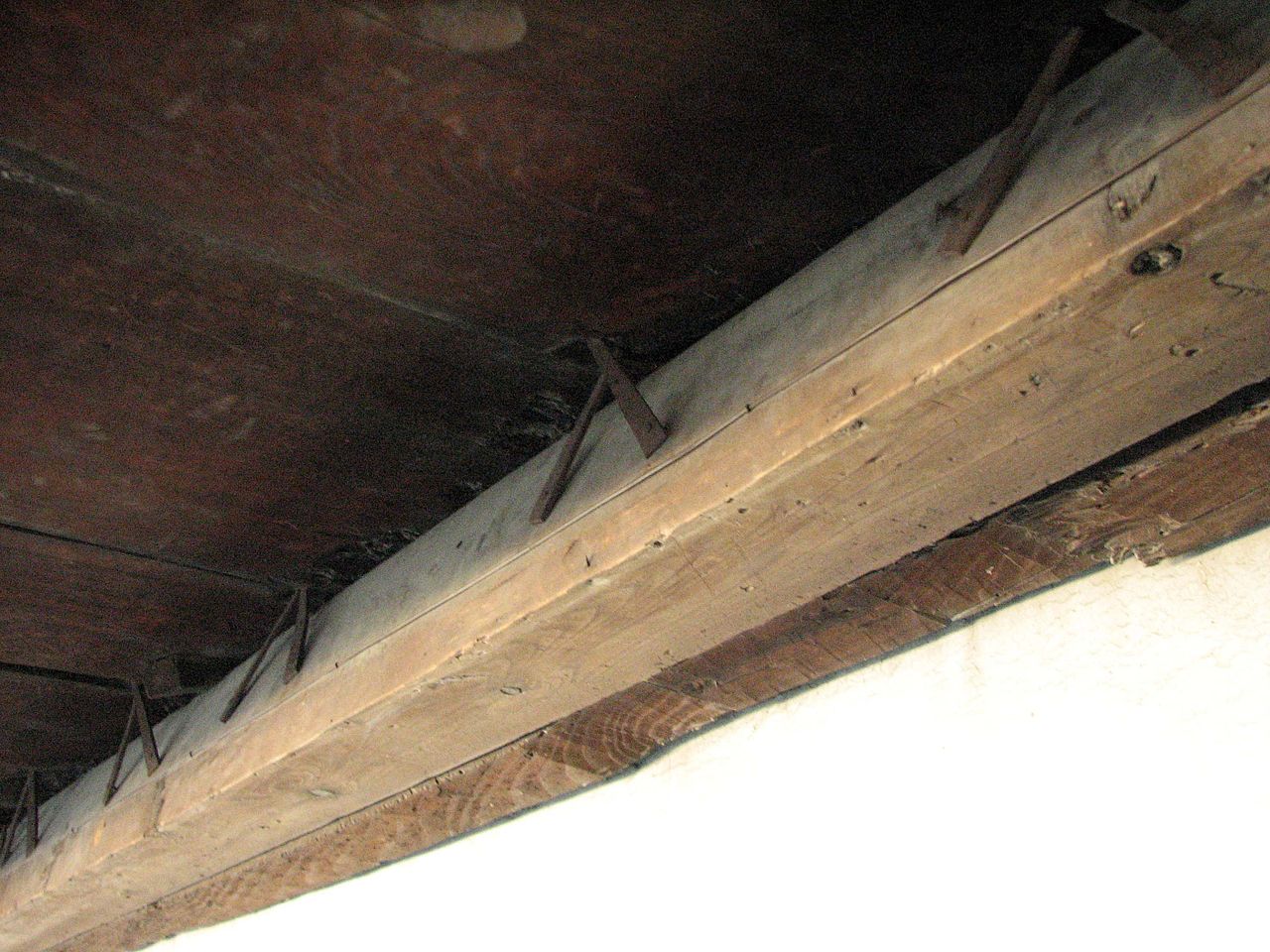
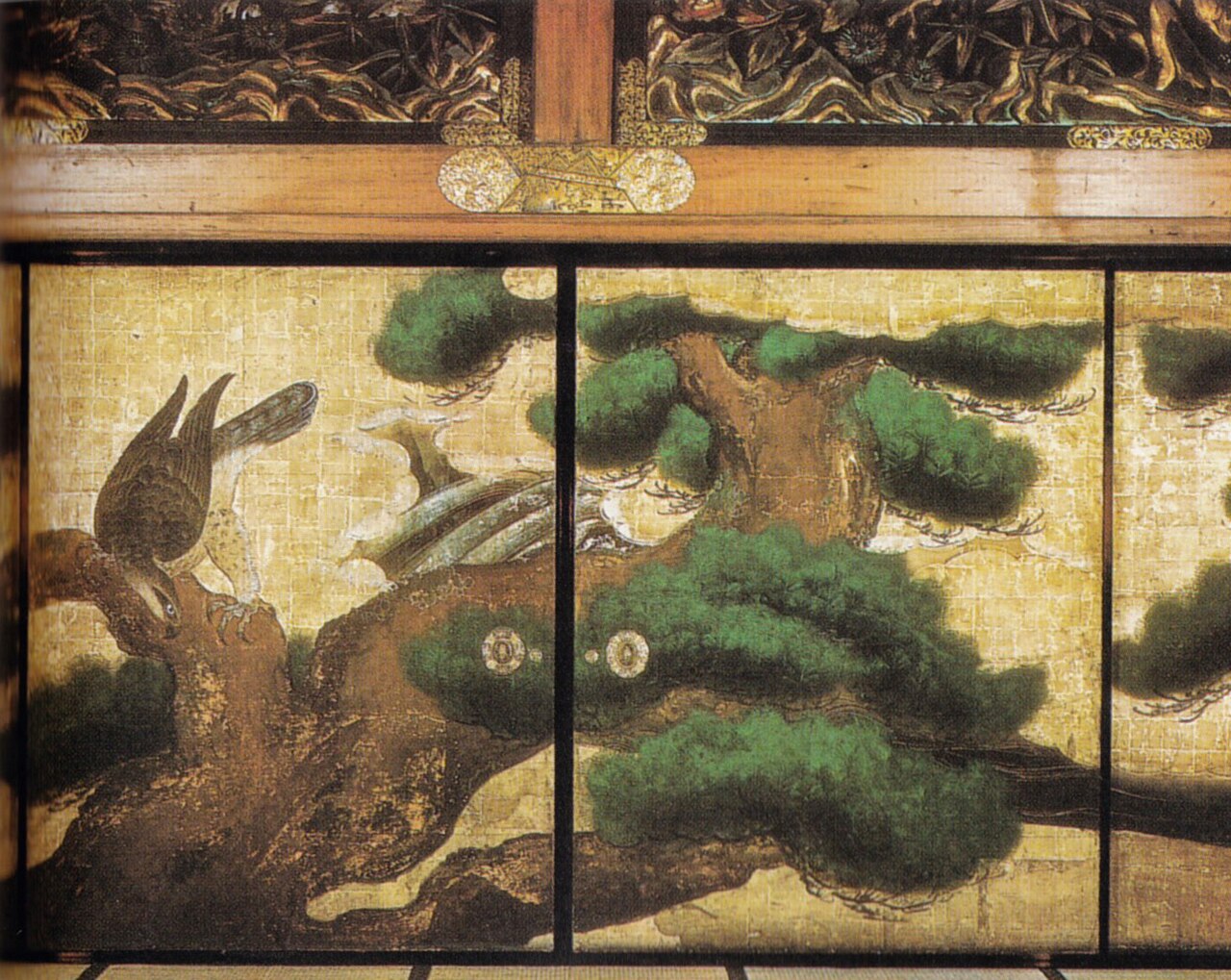
The main attraction with stunning fusuma (sliding door) paintings. The floors chirp like nightingales when walked on – a security measure against intruders.

.jpg)


Gardens
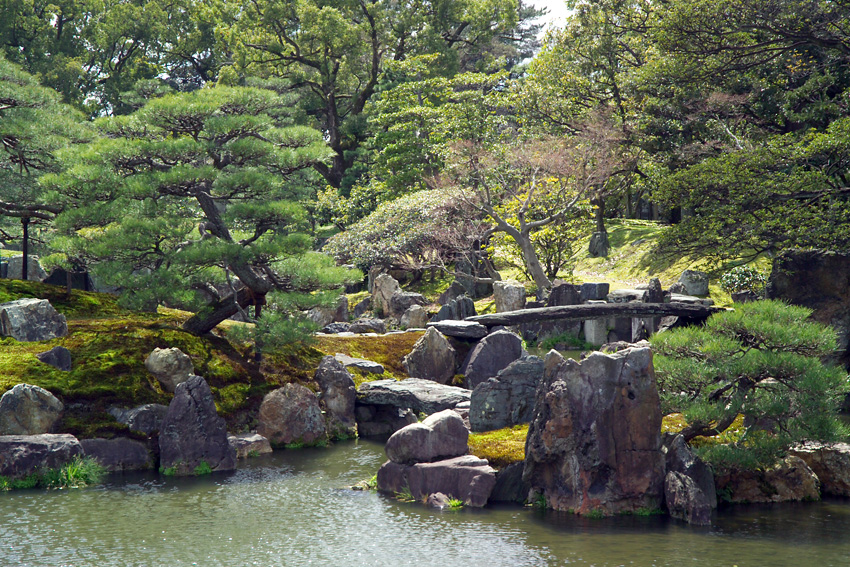
Ninomaru Garden is a classic Japanese strolling garden. Beautiful in spring and autumn.


Tips
- No photos: Photography is not allowed inside Ninomaru Palace.
- Seasonal events: Night illuminations during cherry blossom and autumn.
Getting There
From Kansai International Airport (KIX)
Recommended (Premium): Take the 🔵 JR Haruka Limited Express from Terminal 1 directly to Kyoto Station in approximately 75–80 minutes. This is the fastest and most comfortable option. Mid-range: Airport Limousine Buses depart from both Terminal 1 and Terminal 2, arriving at Kyoto Station (Hachijo Exit) in approximately 85–90 minutes. Budget: Take the JR Kanku Rapid to Osaka Station, then transfer to the JR Kyoto Line (Special Rapid) to Kyoto Station, taking approximately 100–120 minutes total.
From Osaka Itami Airport (ITM)
Recommended (Mid-range): Take the Airport Limousine Bus directly to Kyoto Station in approximately 50–55 minutes. This avoids multiple rail transfers. Alternatively, take the Osaka Monorail to Hotarugaike, transfer to the 🟤 Hankyu Takarazuka Line to Juso, then the 🟤 Hankyu Kyoto Line to Karasuma Station in Kyoto.
From Major Stations
- From Kyoto Station: Take the 🟢 Kyoto Subway Karasuma Line to Karasuma Oike Station, then transfer to the 🔴 Kyoto Subway Tozai Line to Nijojo-mae Station (approximately 15–20 minutes). Alternatively, take the JR San-in Line to Nijo Station and walk approximately 15 minutes.
- From Osaka Station (Umeda): Take the JR Special Rapid Service to Kyoto Station in approximately 29 minutes, then transfer to the subway as described above.
- From Kyoto Kawaramachi: Take the 🟤 Hankyu Kyoto Line to Karasuma Station, walk to the connecting Shijo Subway Station, and take the 🟢 Karasuma Line one stop to Karasuma Oike to transfer to the 🔴 Tozai Line.
Local Access
The castle entrance is located immediately outside Nijojo-mae Station on the 🔴 Kyoto Subway Tozai Line. Visitors arriving via JR Nijo Station should walk east for approximately 15 minutes. ICOCA cards are accepted on all trains, subways, and buses in the Kansai region, as are Suica and PASMO cards.
Sources
- Official site: Nijo Castle
Last updated: 2026-02-03