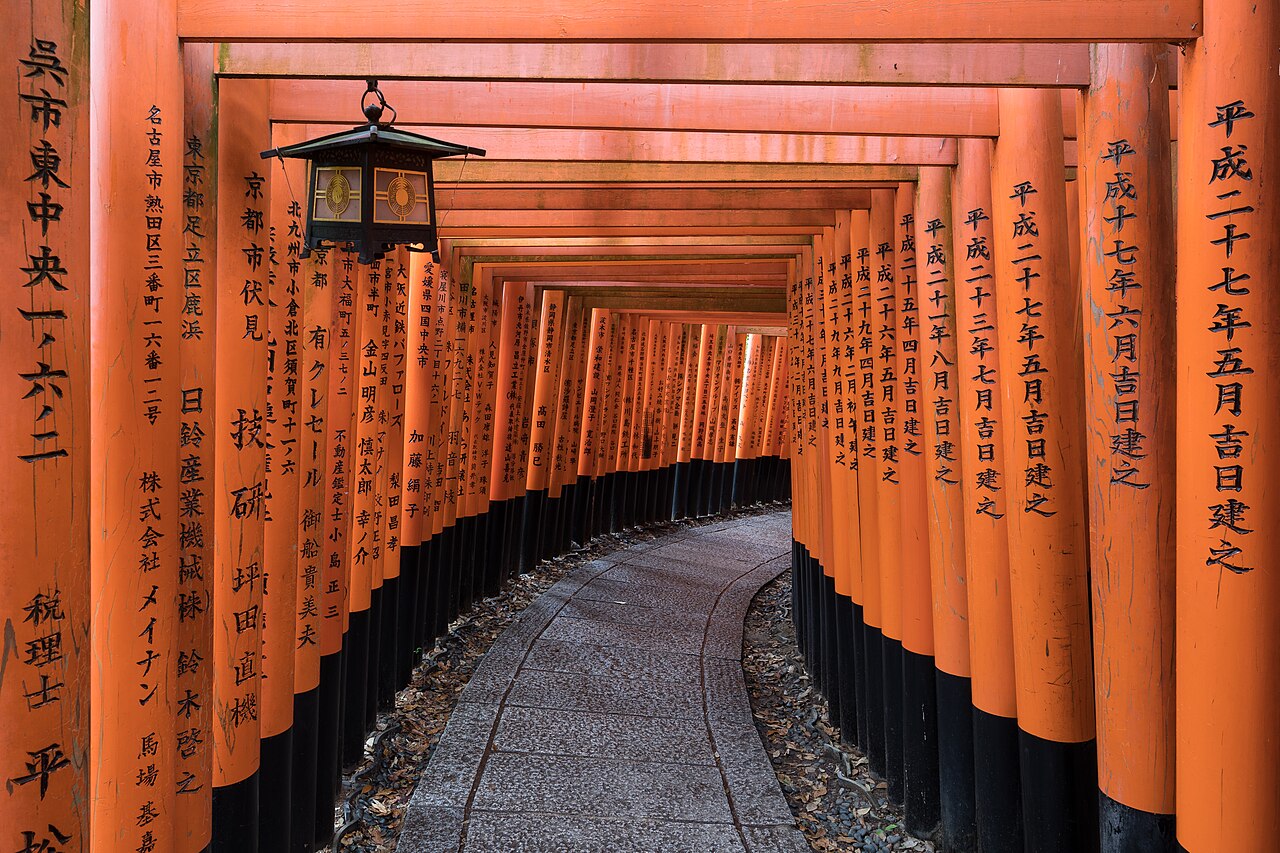
This guide is for travelers seeking the iconic thousand vermilion torii gates. It answers: “How to visit Fushimi Inari Shrine?”
Quick Facts
- Best for: Photographers, hikers, shrine lovers
- Time needed: 2-4 hours (depending on hike length)
- Access: JR Inari Station (direct from Kyoto Station, 5 min)
- Admission: Free, open 24 hours
Overview
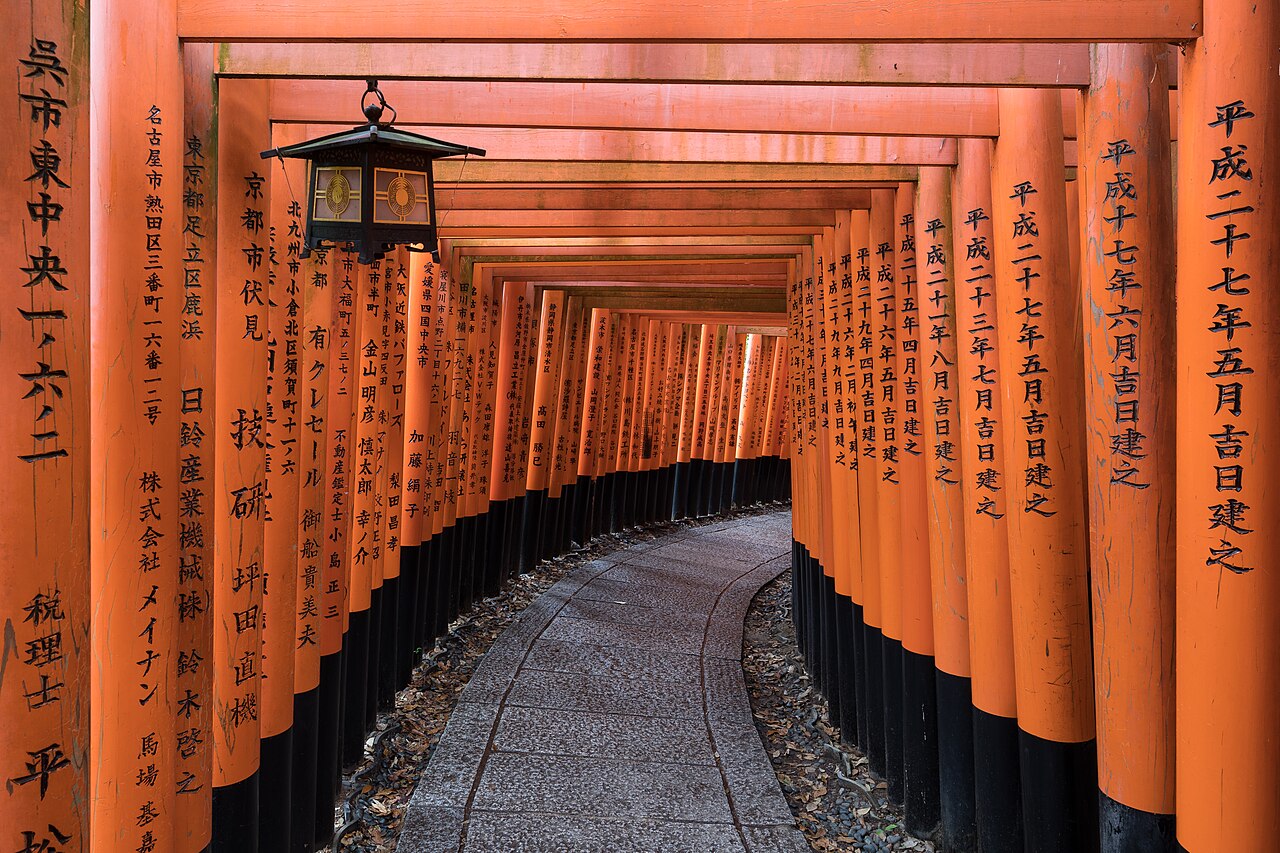

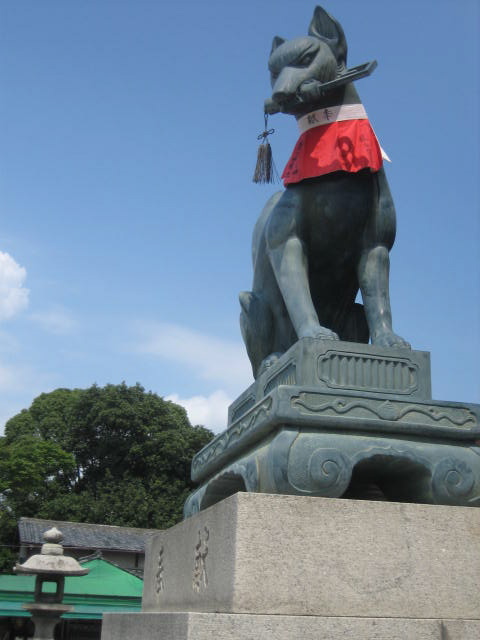
Fushimi Inari Taisha is Japan’s most important Inari shrine, dedicated to the god of rice and prosperity. The thousands of vermilion torii gates winding up Mt. Inari create one of Japan’s most recognizable images.

The Torii Gate Trail
Main Path
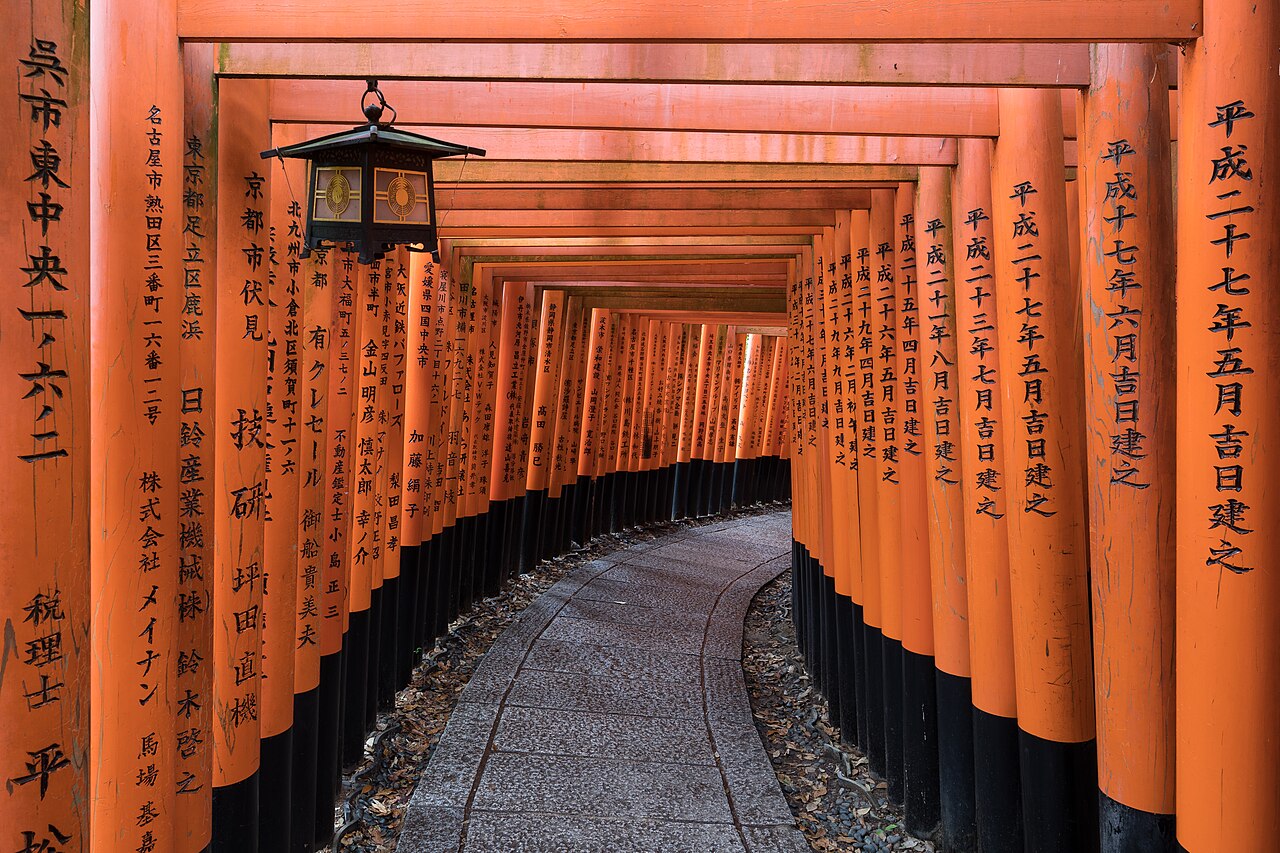
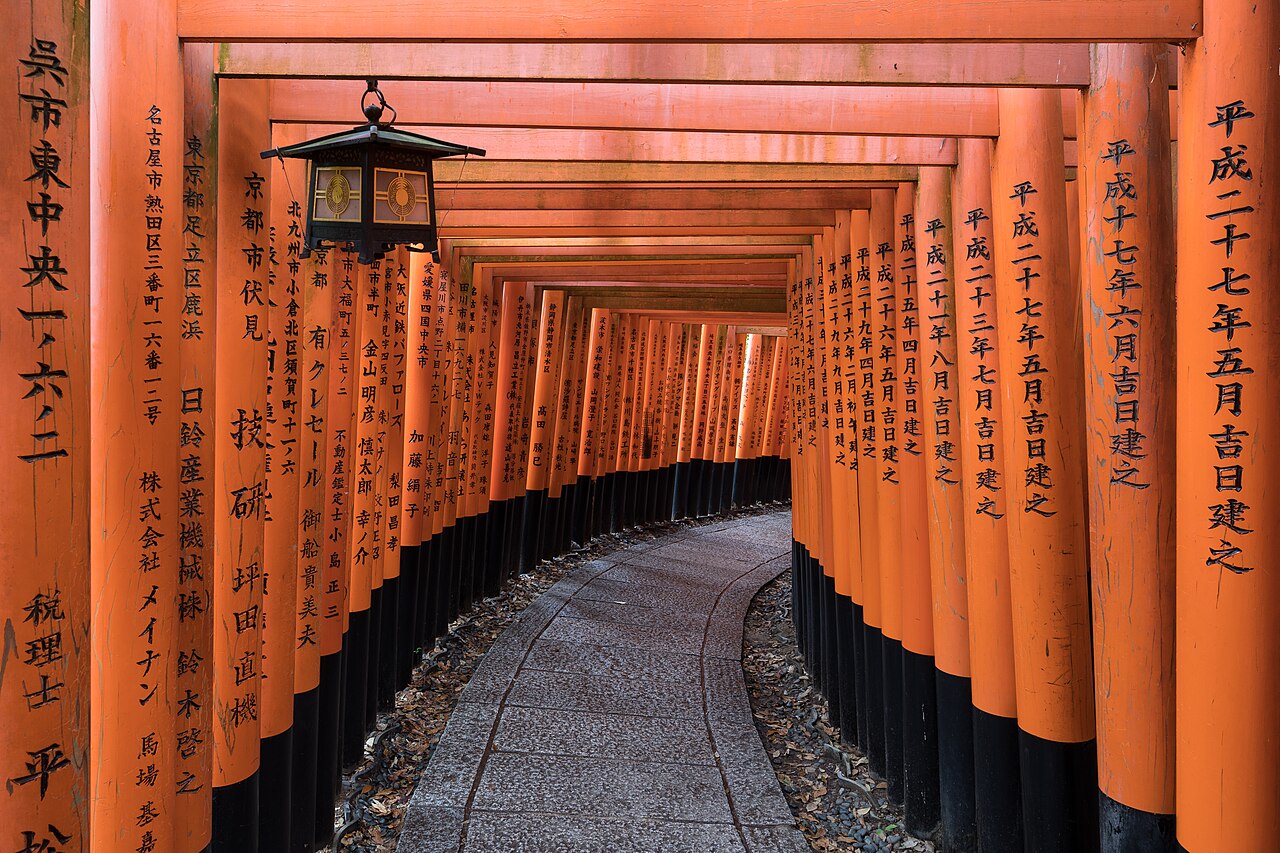
The famous Senbon Torii (thousand gates) starts immediately behind the main shrine. The full loop to the summit and back takes 2-3 hours.

Shorter Options
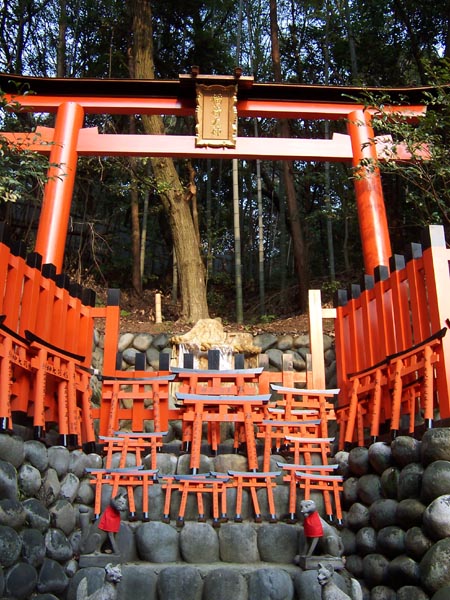
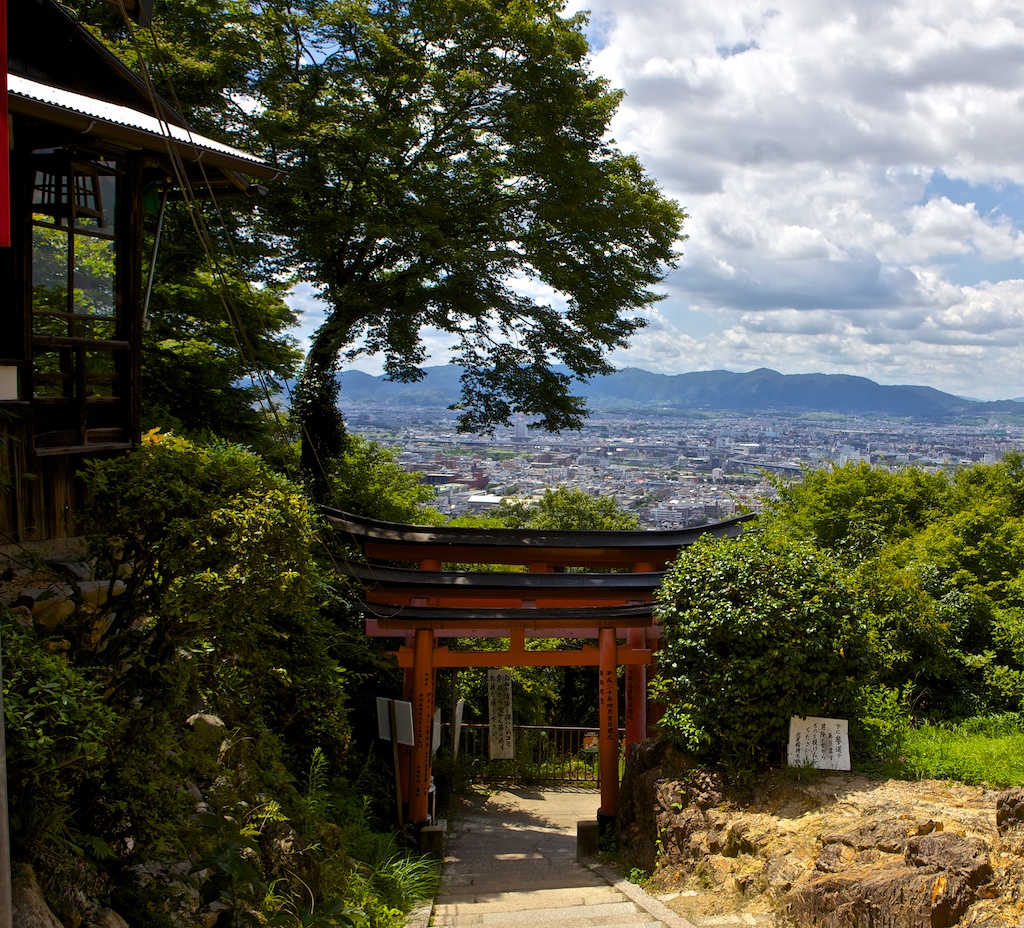
Walk 10 minutes to Yotsutsuji intersection for city views and mini shrines. Many visitors turn back here (about 1 hour round trip).


Tips
- Best time: Early morning or late afternoon for photos without crowds. The shrine is open 24 hours – night visits are atmospheric.
- Food: Try kitsune udon (fox noodles) at the base. Inari sushi available throughout.
Getting There
From Kansai International Airport (KIX)
Recommended (Premium): Take the 🔵 JR Haruka Limited Express from Terminal 1 to Kyoto Station in approximately 75 minutes. From Kyoto Station, transfer to the JR Nara Line (Local) to Inari Station (approximately 5 minutes). This route is fully covered by the Japan Rail Pass. Terminal 2 passengers must take the free shuttle bus to the train station at Terminal 1. Budget: Take the 🔵 Nankai Line Airport Express to Shin-Imamiya, then transfer to the JR Yamatoji Line to Nara, and finally the JR Nara Line to Inari, but this requires multiple transfers and takes approximately 100–120 minutes.
From Osaka Itami Airport (ITM)
Recommended (Mid-range): Take the Airport Limousine Bus to Kyoto Station (Hachijo Exit) in approximately 50–55 minutes. Buses depart from outside the arrival lobbies of both North and South terminals. From Kyoto Station, take the JR Nara Line to Inari Station.
From Major Stations
- From Kyoto Station: Take the JR Nara Line (Local train) from platforms 8–10 to Inari Station (approximately 5 minutes). This is the second stop from Kyoto.
- From Osaka Station: Take the JR Special Rapid Service to Kyoto Station (approximately 30 minutes), then transfer to the JR Nara Line to Inari Station.
- From Gion or Sanjo (Kyoto Center): Take the 🟢 Keihan Line to Fushimi-Inari Station (approximately 10–15 minutes).
Local Access
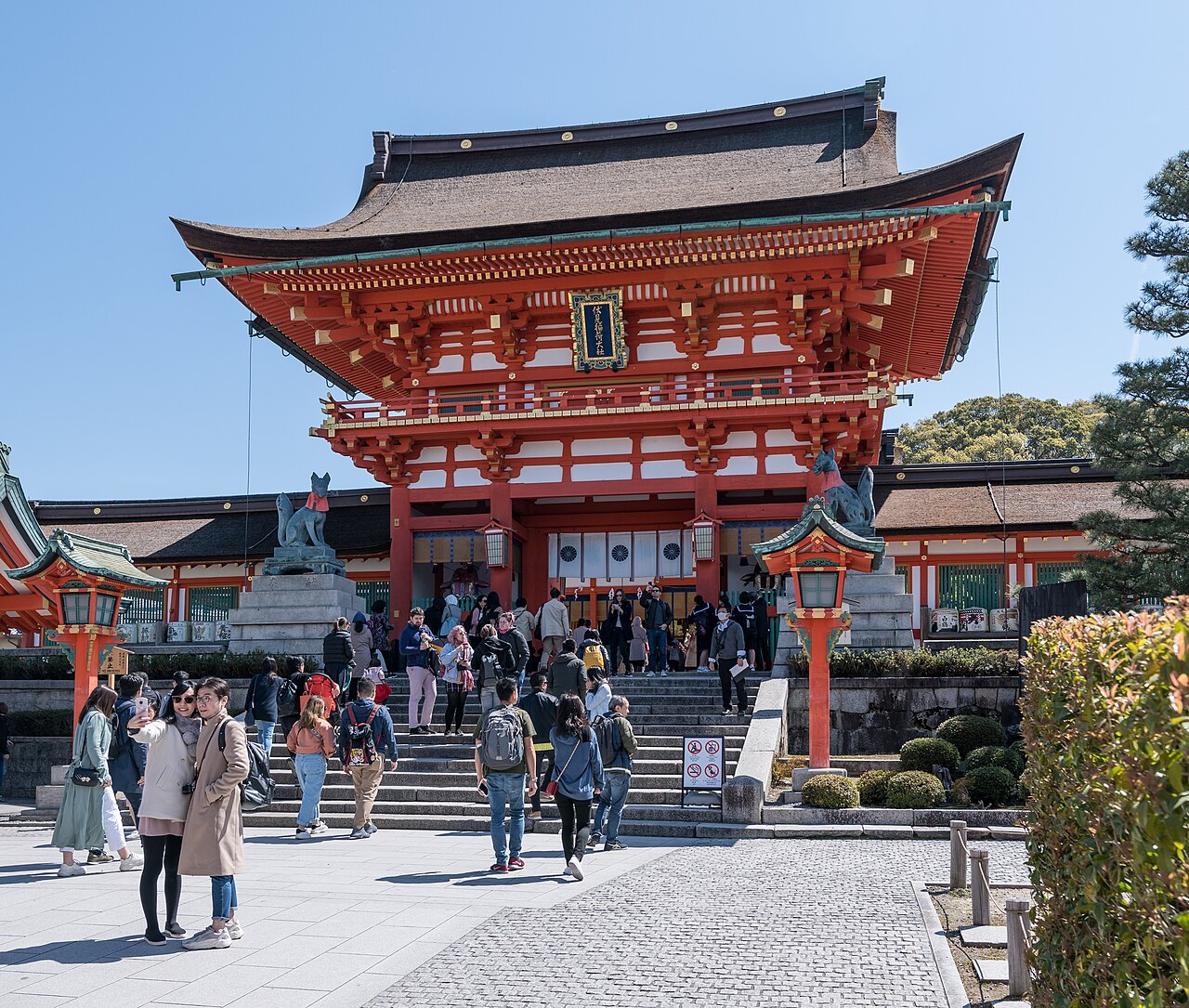
There are two main stations serving the shrine. JR Inari Station (JR Nara Line) is located directly opposite the main gate (Romon Gate). Fushimi-Inari Station (🟢 Keihan Line) is approximately a 5-minute walk from the shrine entrance through a street lined with shops. IC cards such as ICOCA, Suica, and PASMO are accepted on all trains and buses in this region.
Sources
- Official site: Fushimi Inari Taisha
Last updated: 2026-02-03