This guide is for travelers seeking Japan’s cultural heart—ancient temples, traditional gardens, and geisha districts. It answers the search query: “Kyoto travel guide” or “things to do in Kyoto.”
Quick Facts
- Best for: Culture enthusiasts, temple visitors, history buffs, photography lovers
- Time needed: 2–4 days (minimum 2 days for major sites)
- Main station: Kyoto Station (JR lines, Kintetsu Railway, Kyoto Municipal Subway)
- Area type: Urban with mountain surroundings
- Rain friendly: Partially (many outdoor temple grounds; some covered markets)
Overview

Kyoto served as Japan’s imperial capital for over 1,000 years, from 794 to 1868. The city escaped major bombing during World War II, preserving its historic architecture. Today, Kyoto contains 17 UNESCO World Heritage Sites, over 2,000 temples and shrines, and maintains many traditional arts and crafts.
The city is organized into distinct districts: Higashiyama for traditional streetscapes and temples, Arashiyama for bamboo groves and scenic beauty, Gion for geisha culture, and central Kyoto around the station for modern amenities. Mountains surround the city on three sides, creating scenic backdrops visible from many locations.
Kyoto is particularly popular during cherry blossom season (late March–early April) and autumn foliage season (mid-November–early December). These periods bring larger crowds and higher accommodation prices.
How to Enjoy
Temple and Shrine Visits
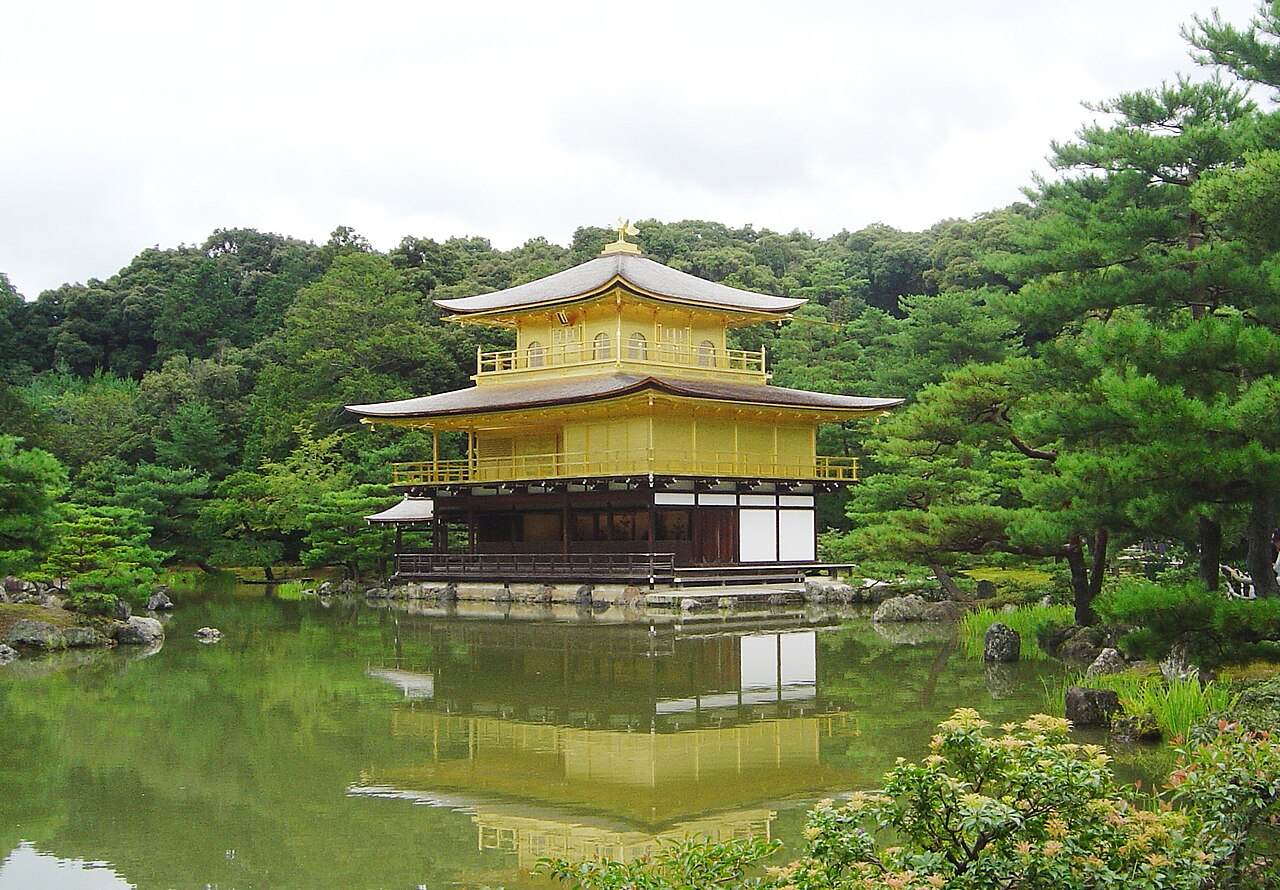
Fushimi Inari Shrine offers thousands of vermillion torii gates. Kinkaku-ji (Golden Pavilion) reflects in its mirror pond. Kiyomizu-dera provides panoramic city views. Most temples open early morning (6:00–8:00 AM) with fewer crowds.
Traditional Districts
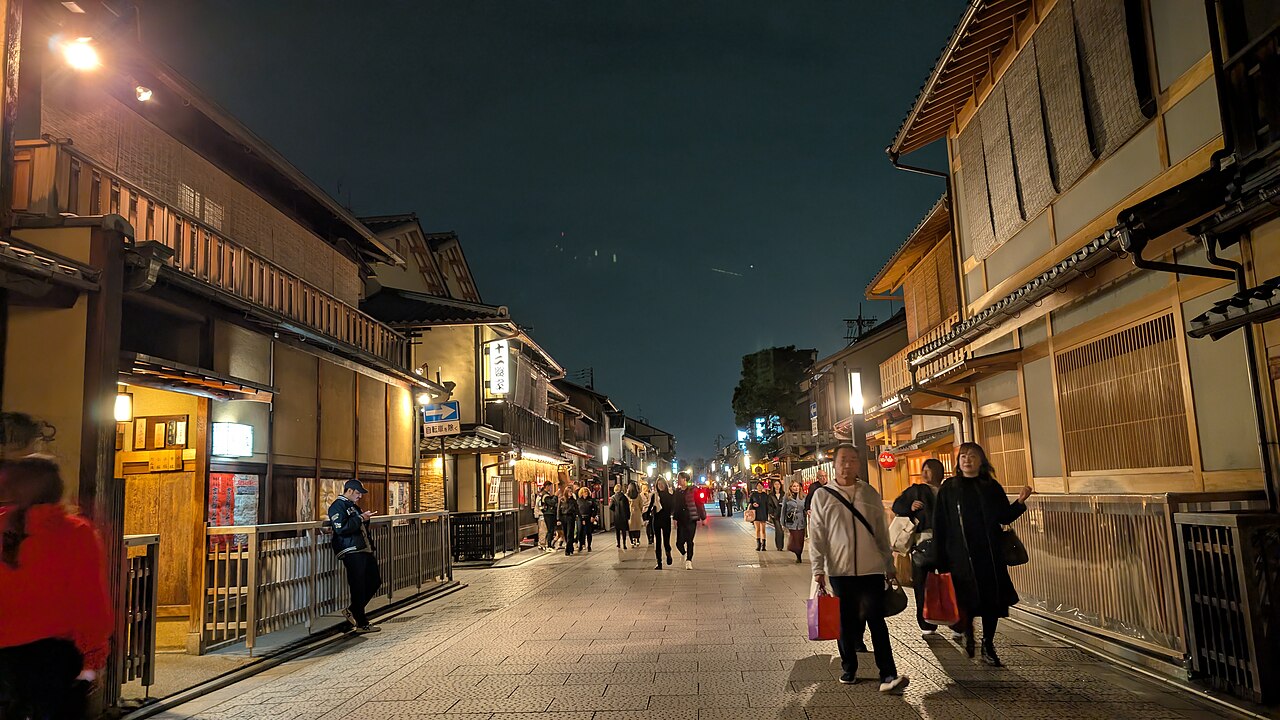

Gion’s wooden machiya townhouses line narrow streets where geiko (Kyoto’s term for geisha) may be spotted in early evening. Higashiyama’s preserved streets connect major temples. Ninen-zaka and Sannen-zaka offer traditional shops.
Arashiyama
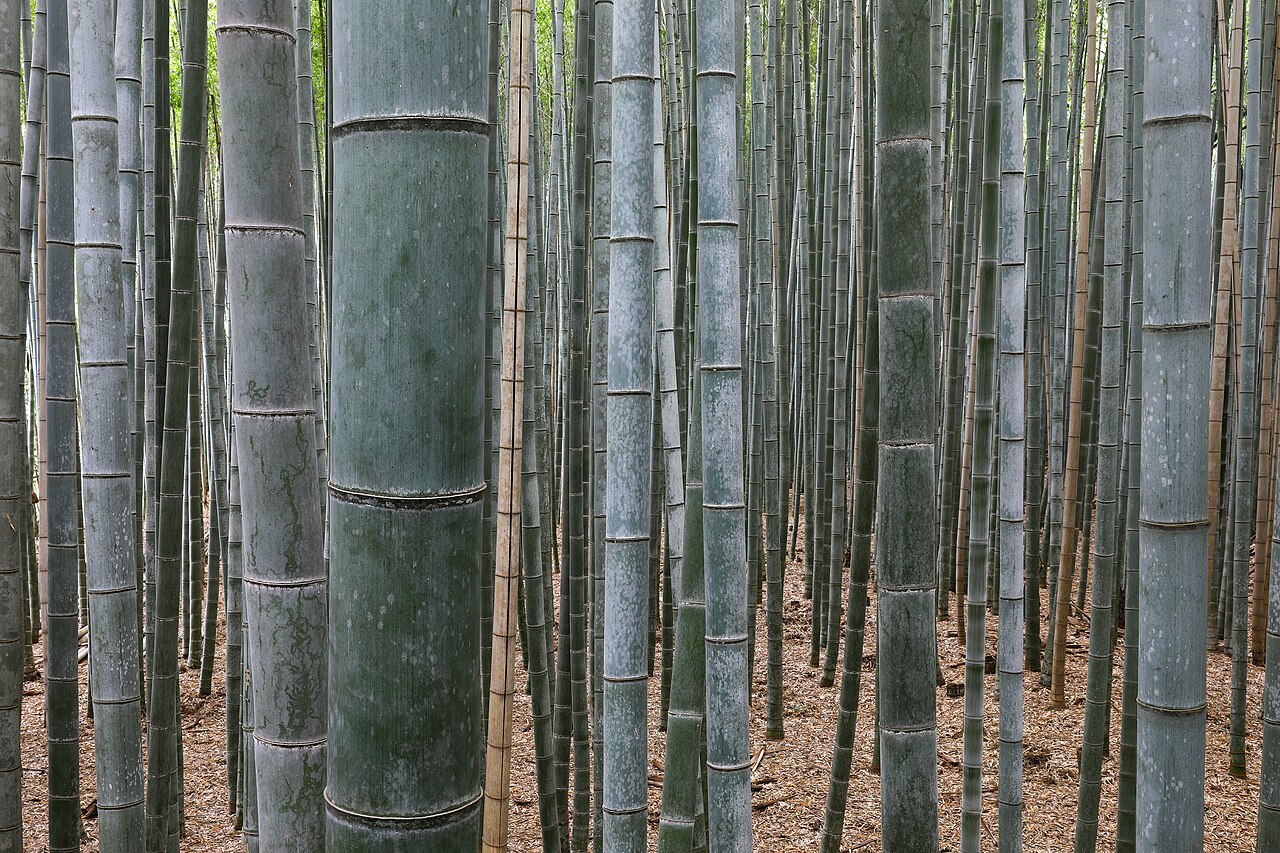

The bamboo grove creates an iconic walking path. Tenryu-ji Temple gardens are UNESCO-listed. The scenic train along the Hozu River offers mountain views. Monkey Park Iwatayama provides city panoramas and wild macaques.
Markets and Food
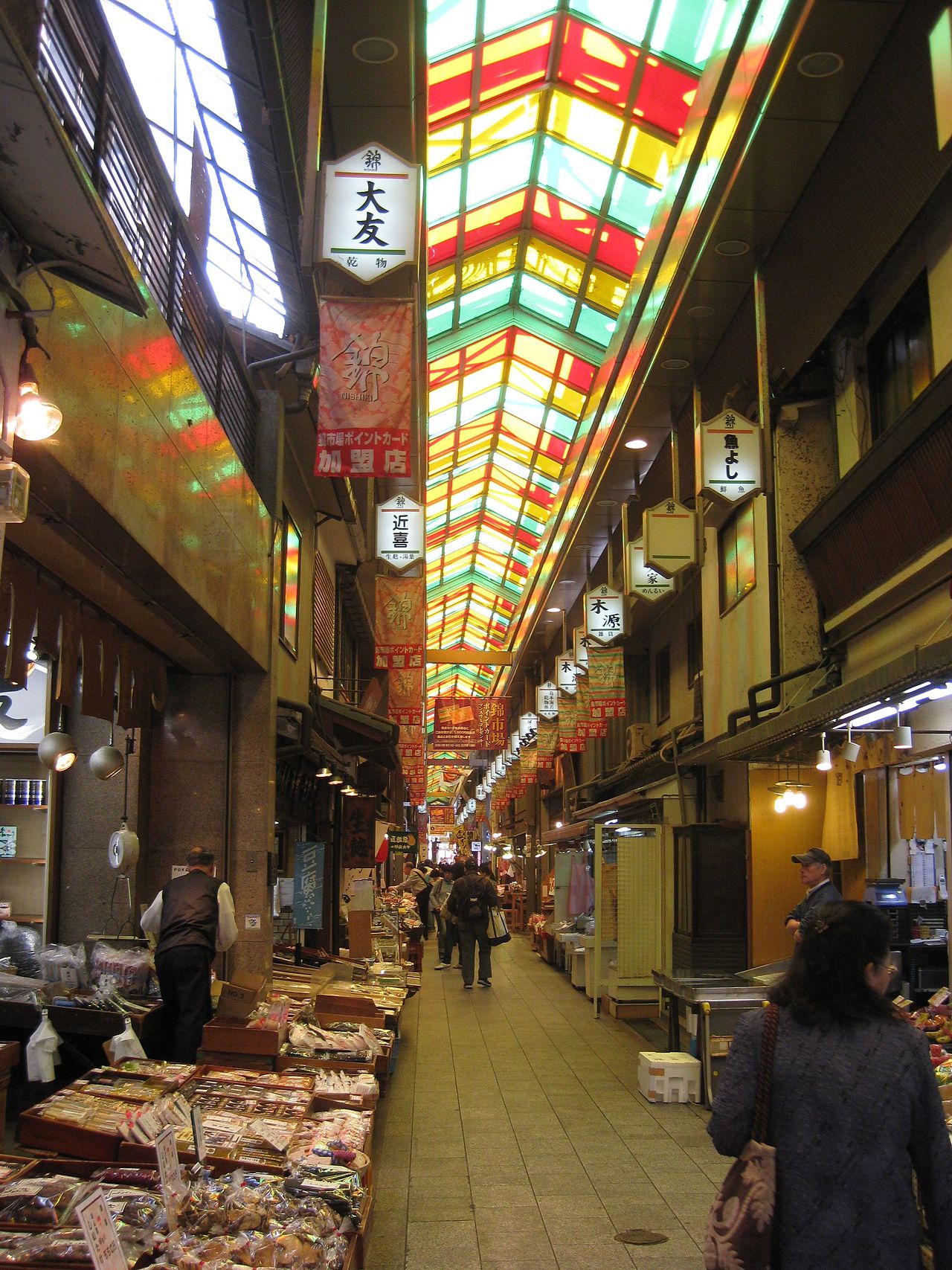

Nishiki Market, known as “Kyoto’s Kitchen,” stretches five blocks with over 100 food vendors. Kyoto cuisine (kaiseki) emphasizes seasonal ingredients and presentation. Local specialties include yudofu (tofu hot pot), matcha sweets, and pickled vegetables.
Suggested Itinerary
Day 1: Eastern Kyoto
- Morning – Fushimi Inari Shrine (arrive early to avoid crowds)
- Afternoon – Kiyomizu-dera and Higashiyama walking
- Evening – Gion district stroll
Day 2: Northern and Western Kyoto
- Morning – Kinkaku-ji (Golden Pavilion)
- Afternoon – Arashiyama bamboo grove and Tenryu-ji
- Evening – Return via scenic train (seasonal)
Day 3 (Optional): Central Kyoto
- Morning – Nijo Castle
- Afternoon – Nishiki Market and downtown shopping
- Evening – Pontocho alley dining
Explore Kyoto
Areas & Attractions
- Arashiyama Bamboo Grove Guide
- Arashiyama Travel Guide
- Fushimi Inari Shrine Guide
- Gion District Travel Guide
- Kinkaku-ji (Golden Pavilion) Guide
- Kiyomizu-dera Temple Guide
- Nijo Castle Visitor Guide
- Nishiki Market Guide
- Philosophers Path Walking Guide
Travel Guides
- Kyoto Temples Guide
- Kyoto in Autumn: Fall Foliage Guide
- Kyoto in Spring: Cherry Blossom Guide
- Kyoto on a Rainy Day
- Kyoto with Kids: Family Travel Guide
Itineraries & Day Trips
Tips & Cautions
- Transport: Buses cover most tourist areas but can be crowded. Consider bicycle rental for central areas. The subway has limited coverage.
- Timing: Popular sites like Fushimi Inari and the bamboo grove are dramatically less crowded before 8:00 AM.
- Geisha etiquette: Do not stop, touch, or chase geiko/maiko for photos. Many areas have posted photography restrictions.
- Temple fees: Most temples charge 400–600 yen admission. No combined passes exist for major sites.
- Seasons: Cherry blossom and autumn foliage periods require advance accommodation booking. Consider visiting shoulder seasons.
- Day trips: Nara is 45 minutes by train. Osaka is 15 minutes by shinkansen or 40 minutes by regular train.
Nearby Alternatives
- Nara (Nara Prefecture): Ancient capital with free-roaming deer and Todai-ji Temple. 45 minutes by JR or Kintetsu lines.
- Uji (Kyoto Prefecture): Famous for matcha tea and Byodo-in Temple. 20 minutes by JR or Keihan lines.
- Osaka (Osaka Prefecture): Food culture, nightlife, and Osaka Castle. 15–40 minutes depending on train type.
Sources
- Tourism board: Kyoto Official Travel Guide
- Transport: Kyoto City Bus
- JR West: JR West Official
Last updated: 2026-02-03