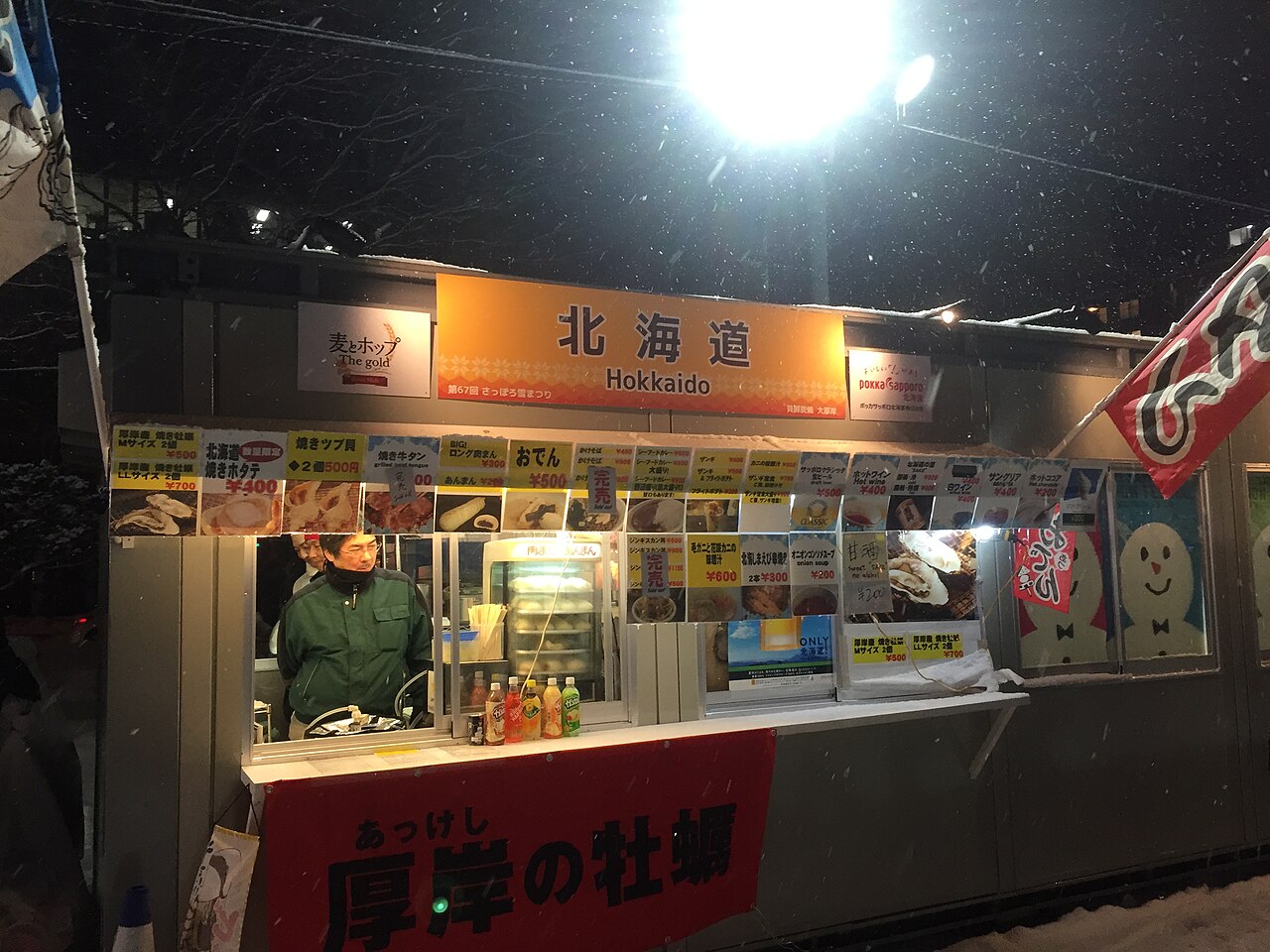
This guide is for food lovers exploring Hokkaidos famous cuisine. It answers: “What food to eat in Hokkaido?”
Quick Facts
- Famous for: Seafood, dairy, ramen, lamb
- Best season: Year-round, peak seafood in winter
- Style: Fresh, local, hearty portions
Must-Try Foods
Seafood
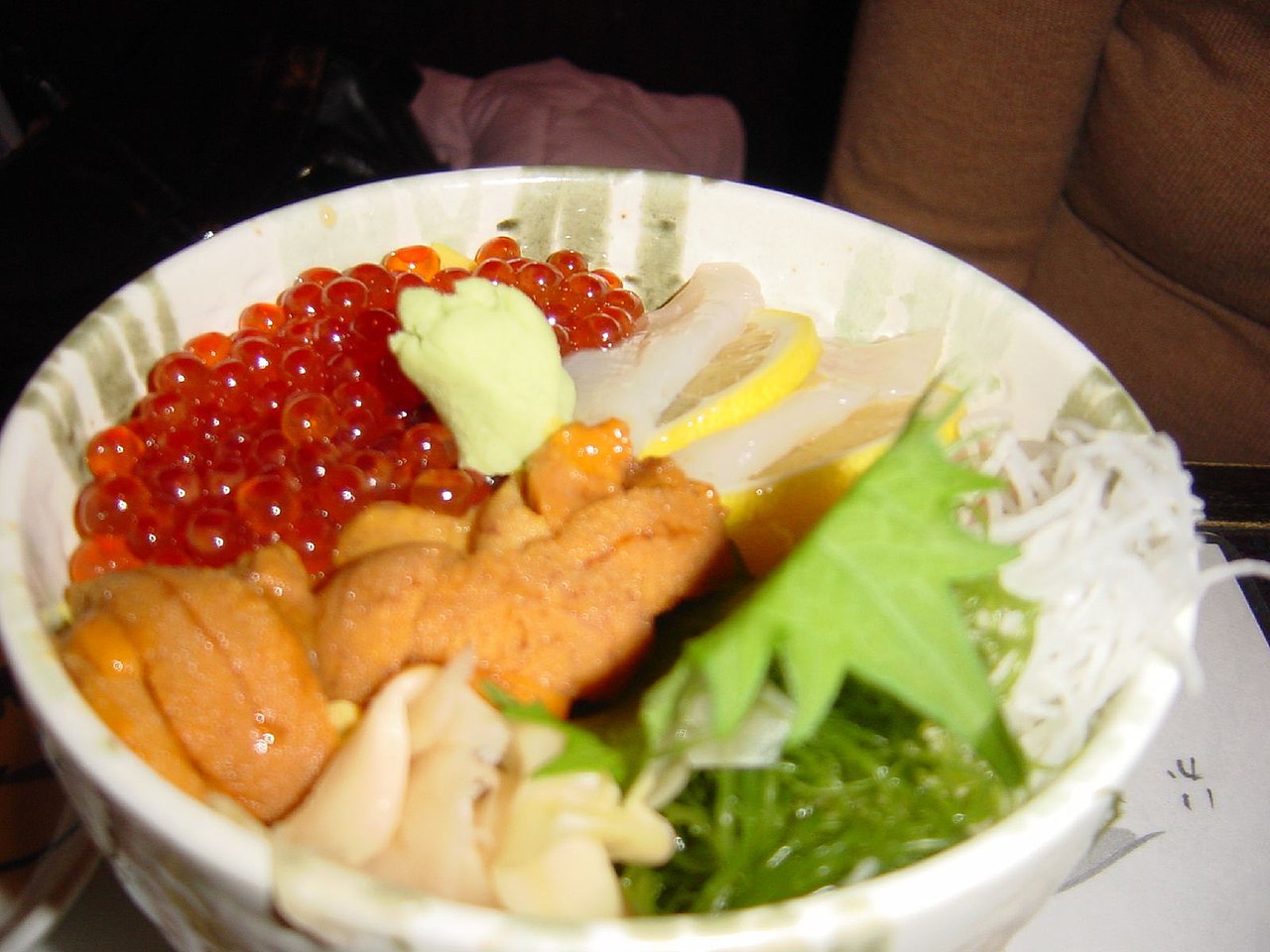
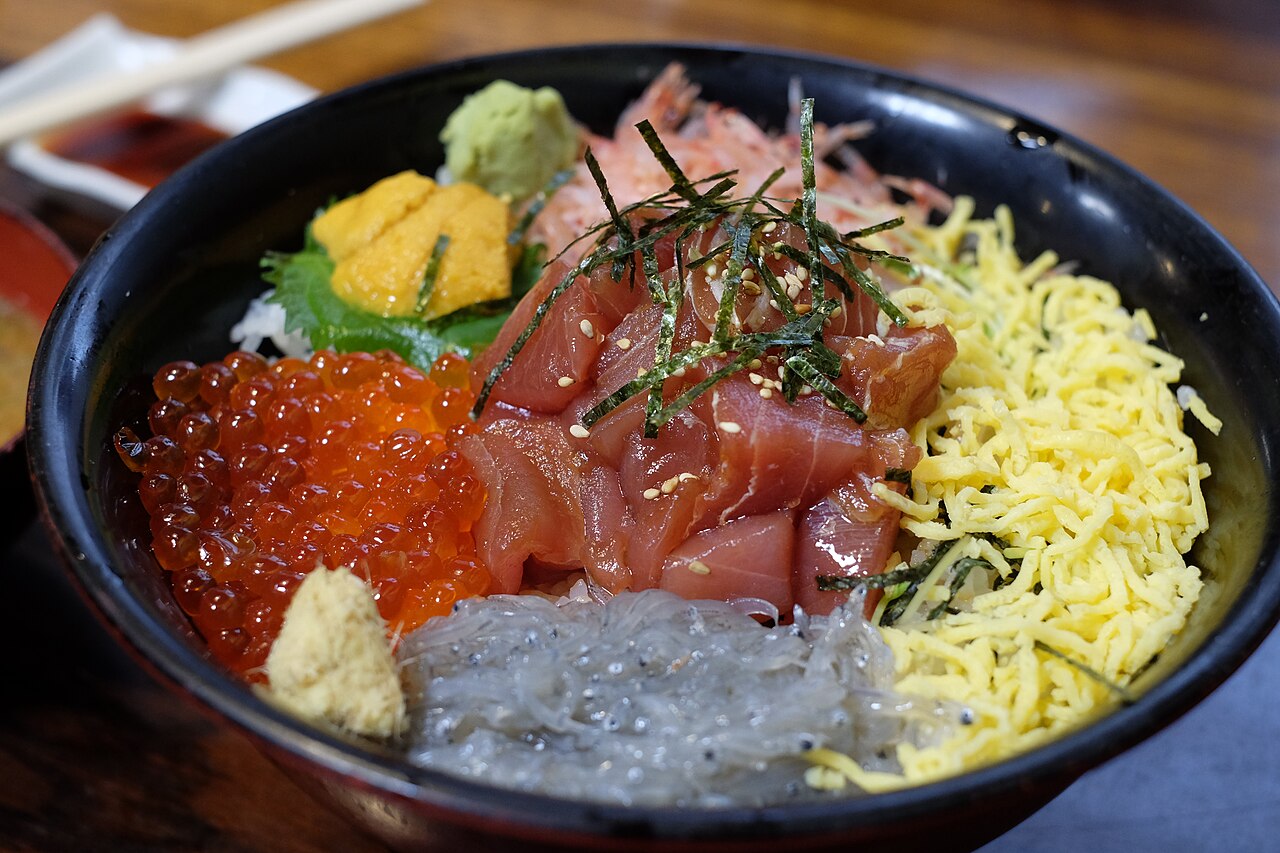
Kaisendon – Fresh seafood rice bowl. Best at morning markets. Uni (sea urchin) – Hokkaido uni is considered Japans best. Kani (crab) – King crab, snow crab, hairy crab. Winter peak season. Ikura – Salmon roe, often in soy marinade.

.jpg)
Ramen
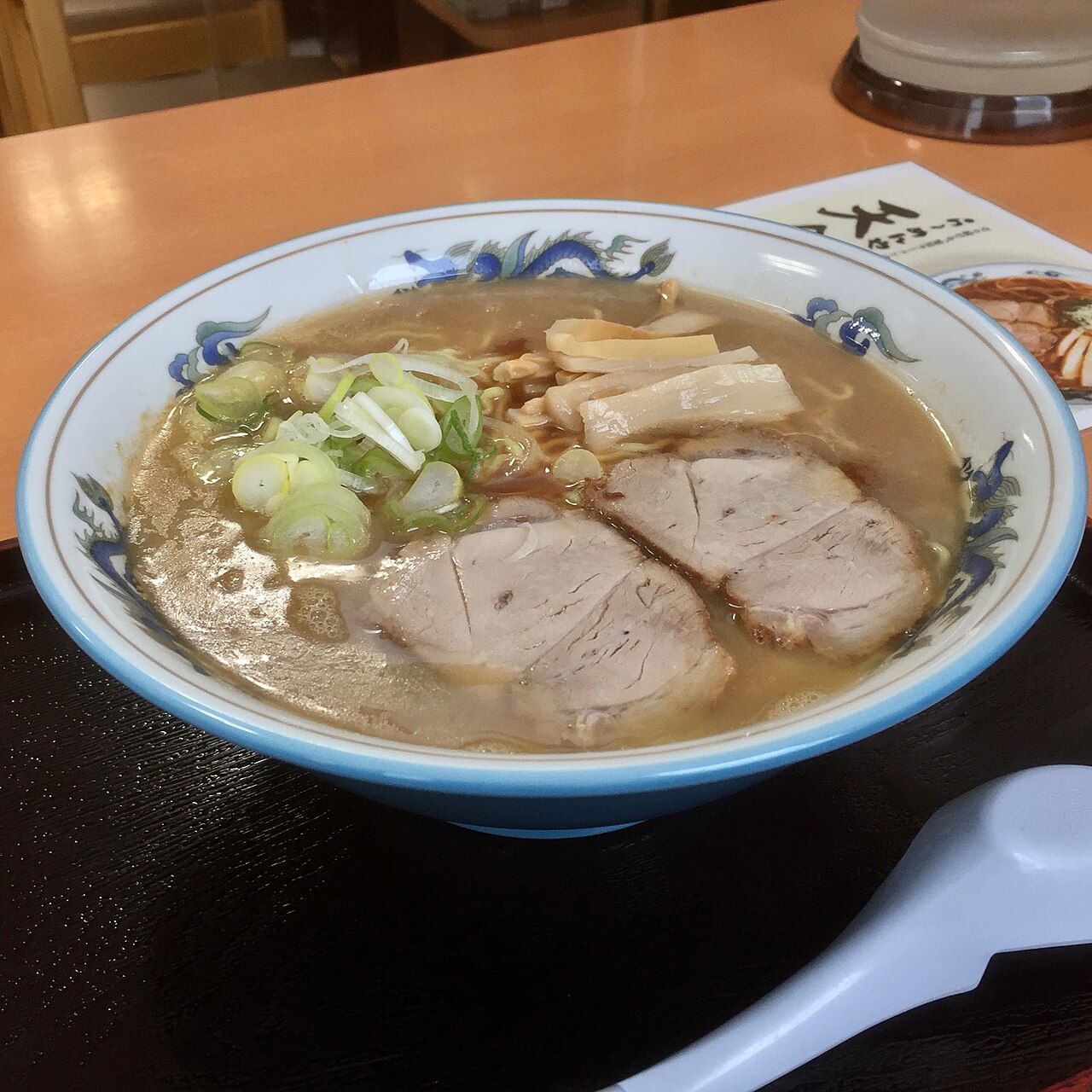
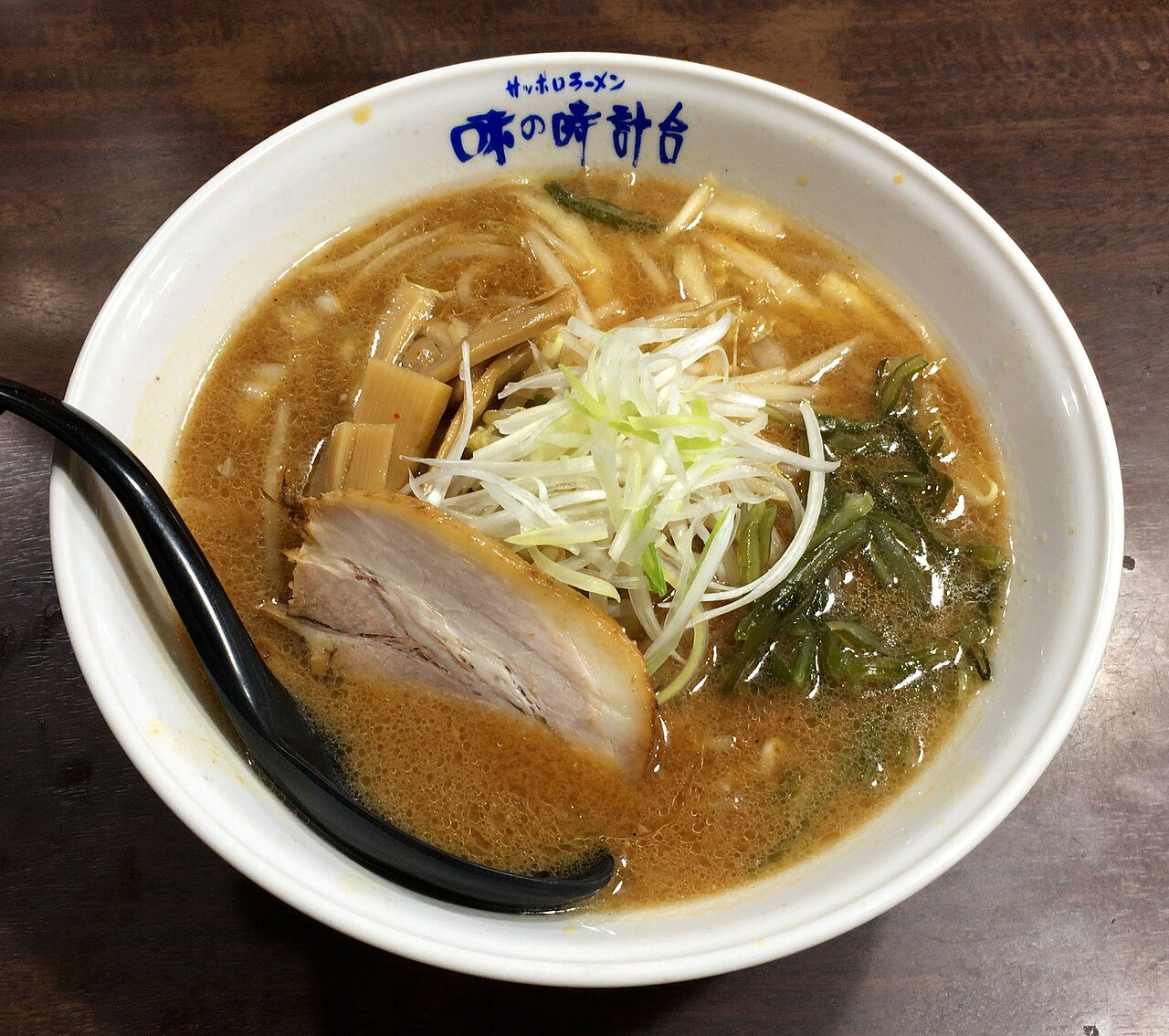
Sapporo miso ramen – Rich miso broth with corn and butter. Asahikawa shoyu ramen – Soy-based, double soup. Hakodate shio ramen – Clear salt broth.


Meat and Dairy
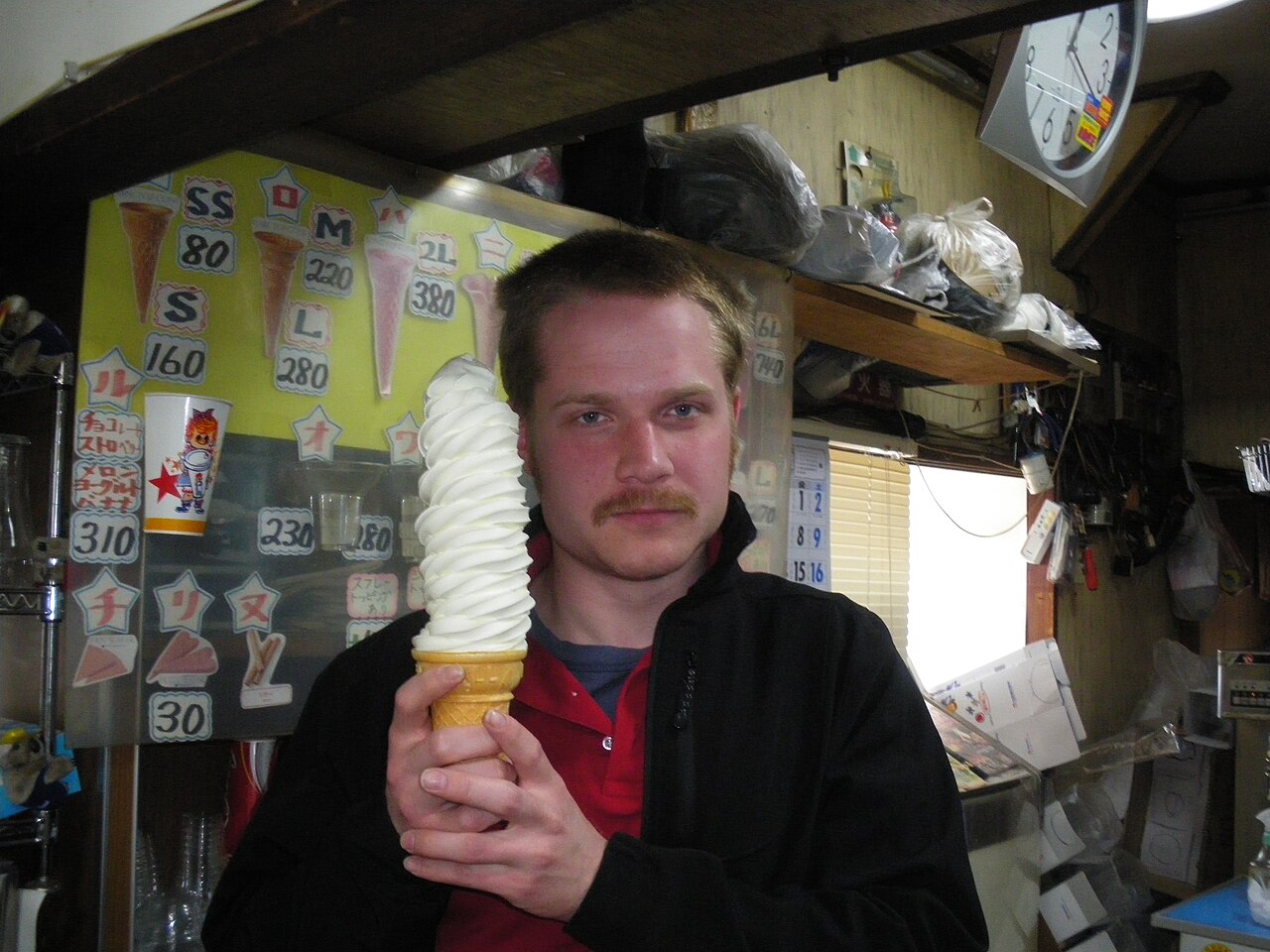
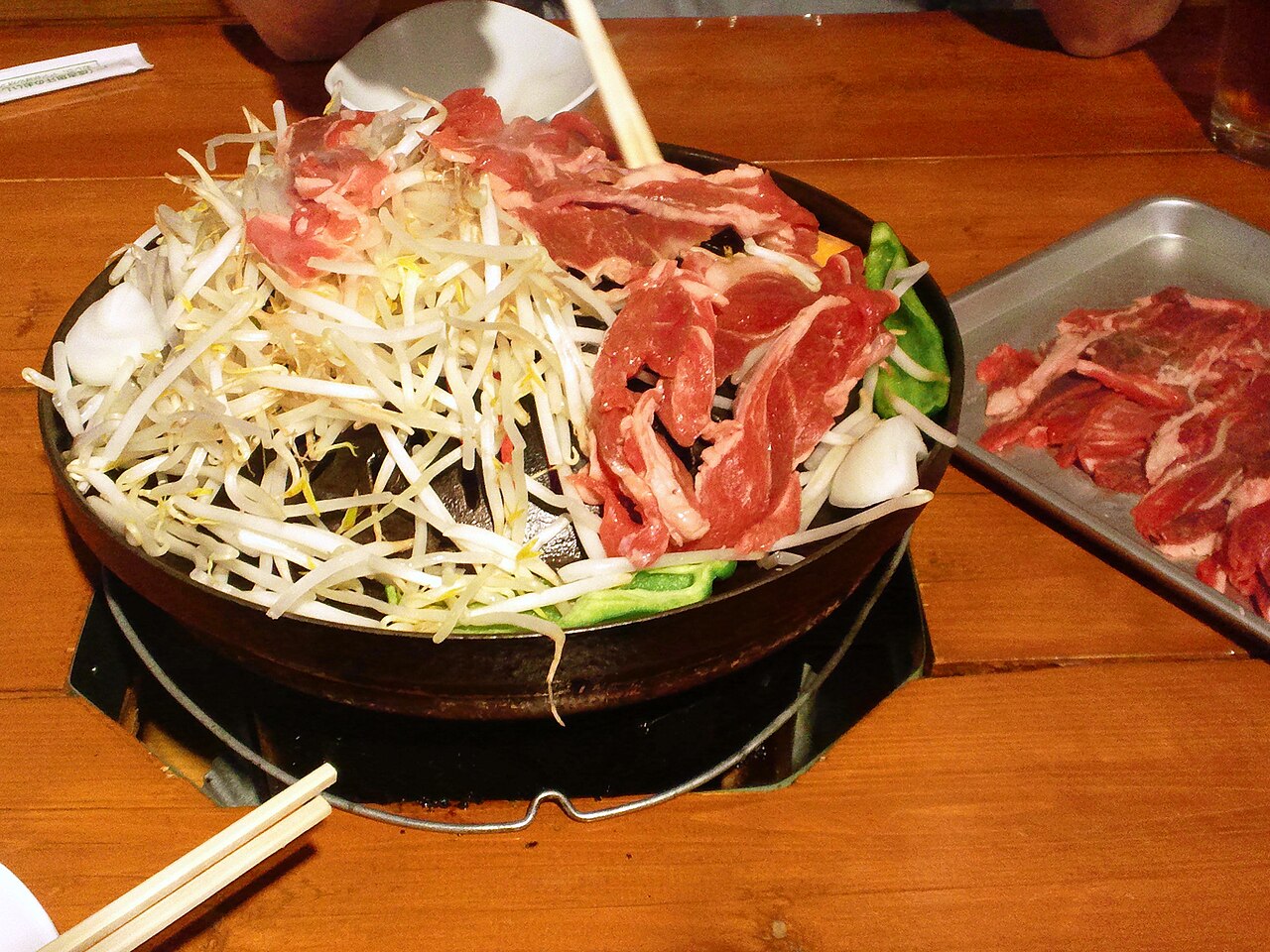
Genghis Khan (jingisukan) – Grilled lamb on dome-shaped grill. Hokkaido specialty. Soft cream – Hokkaido dairy makes Japans best soft serve. Cheese – Local farms produce excellent varieties.
.jpg)

Seasonal
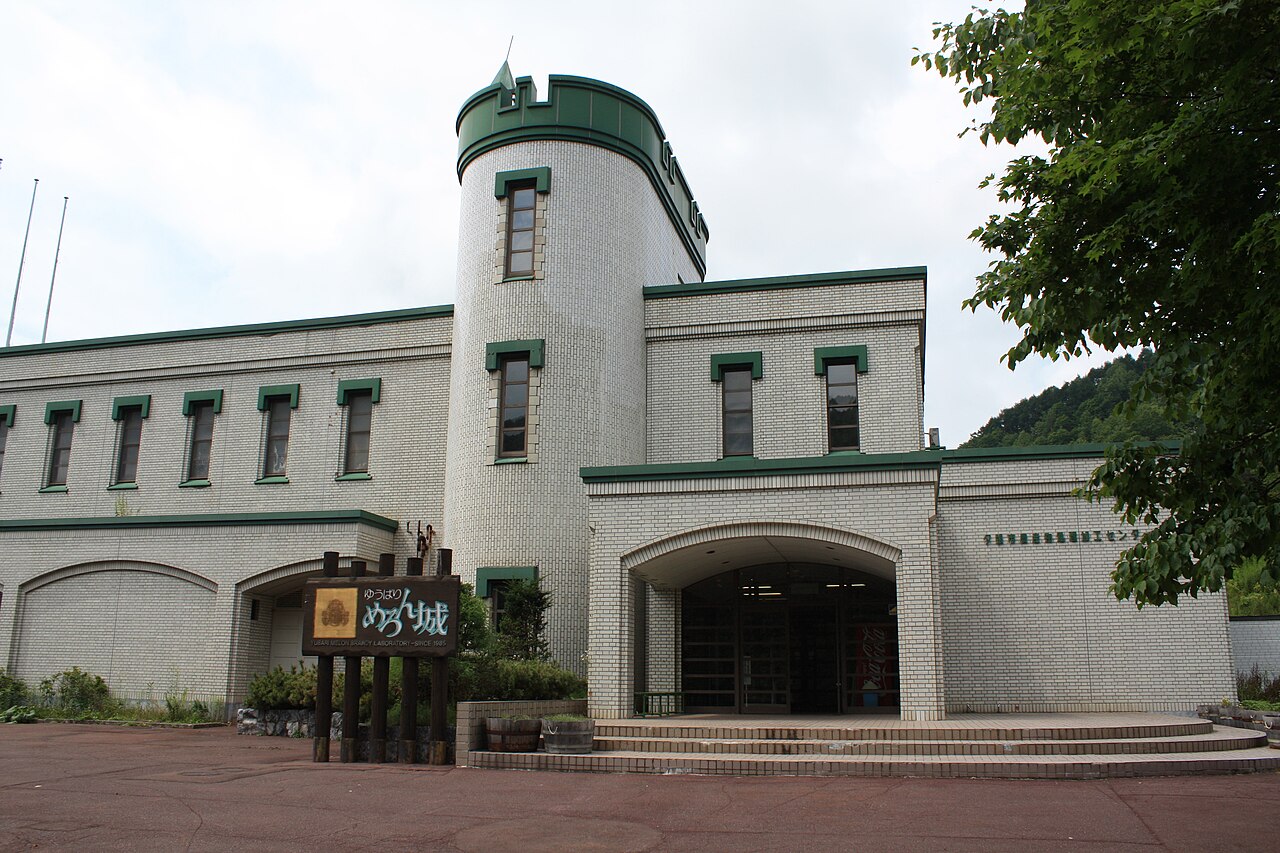
Melon – Yubari melon is world-famous (summer). Corn – Sweet corn (summer). Potatoes – Multiple varieties, often in croquettes.

Tips
- Morning markets: Hakodate and Sapporo Nijo Market for fresh seafood breakfast.
- Farm restaurants: Visit farms for fresh dairy and produce.
Getting There
Arriving in Hokkaido
Recommended (Mid-range): Take the JR Rapid Airport train from New Chitose Airport (CTS) to Sapporo Station in approximately 37–40 minutes. The station is located on the basement floor (B1F) and is easily accessible from both Domestic and International terminals. This is the fastest and most reliable option, particularly during winter months. Budget: Airport Limousine Buses connect the airport to downtown hotels and the Susukino entertainment district in approximately 60–80 minutes, though travel times vary significantly depending on traffic and snow conditions.
Getting Around
Sapporo serves as the primary base for exploring Hokkaido’s culinary scene. Within the city, the Sapporo Municipal Subway is the most convenient way to travel between dining hubs; lines include the Namboku Line 🟢, Tozai Line 🟠, and Toho Line 🔵. The Sapporo Streetcar (loop) is excellent for reaching local restaurants in the western districts. For food trips to markets in Otaru or Hakodate, JR trains are required, and a JR Hokkaido Rail Pass may offer savings for long-distance travel. IC cards like Kitaca, Suica, and PASMO are accepted on all Sapporo subways, streetcars, and JR trains.
Sources
- Tourism board: Visit Hokkaido
Last updated: 2026-02-03