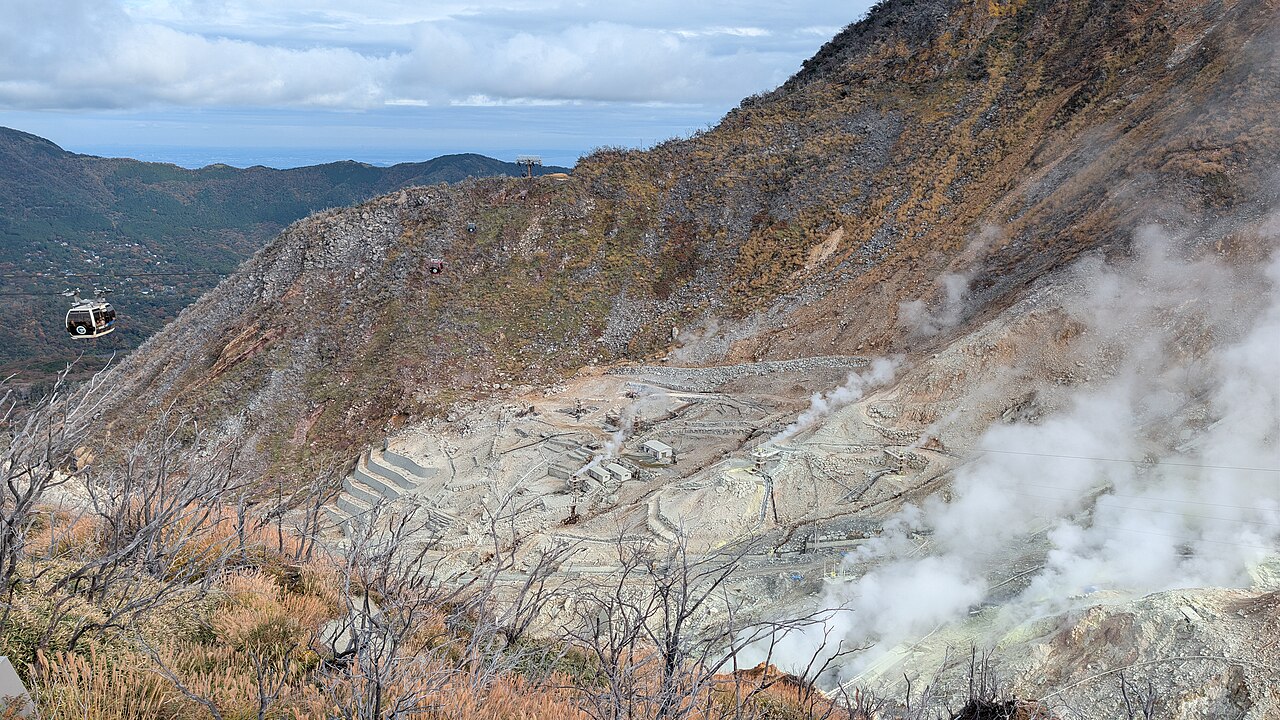
This guide is for travelers seeking volcanic landscapes and black eggs. It answers: “What is Owakudani?”
Quick Facts
- Best for: Nature enthusiasts, unique experiences
- Time needed: 1-2 hours
- Access: Hakone Ropeway from Gora or Togendai
- Famous for: Black eggs (kuro-tamago)
Overview
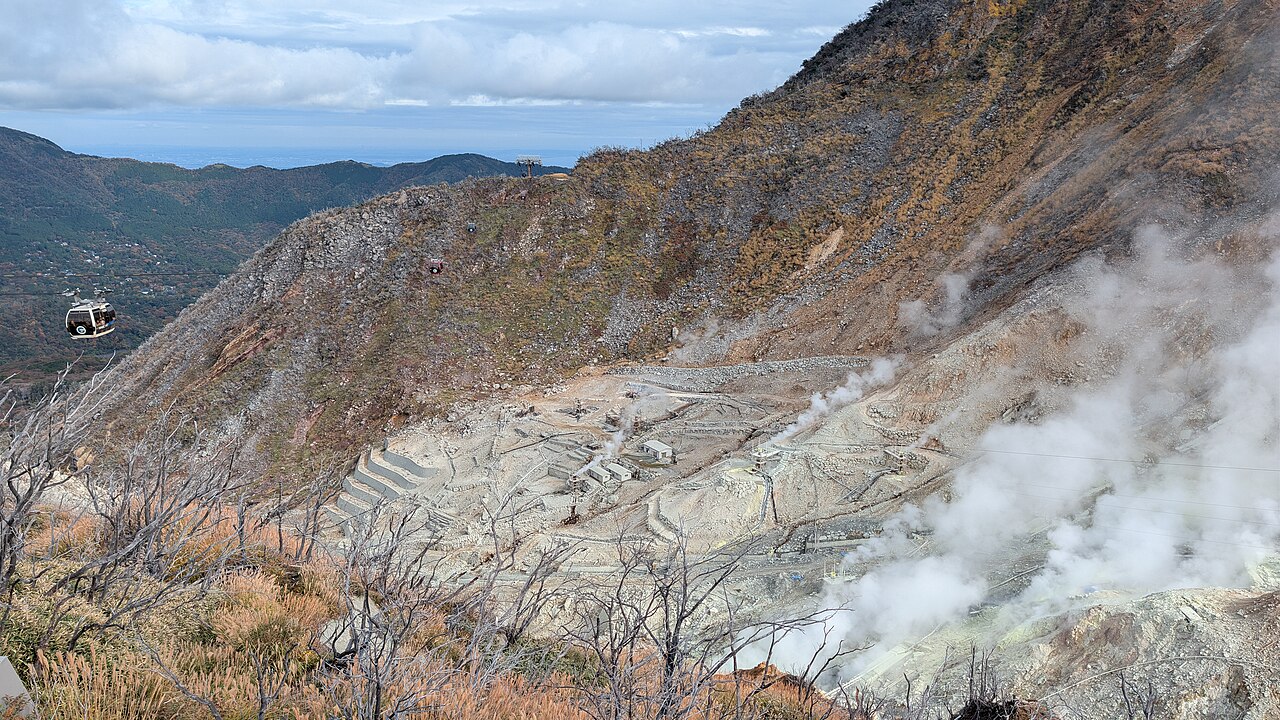

Owakudani (Great Boiling Valley) is a volcanic valley with active sulfur vents and hot springs. The otherworldly landscape of steam, sulfur, and barren rock is a must-see Hakone attraction.
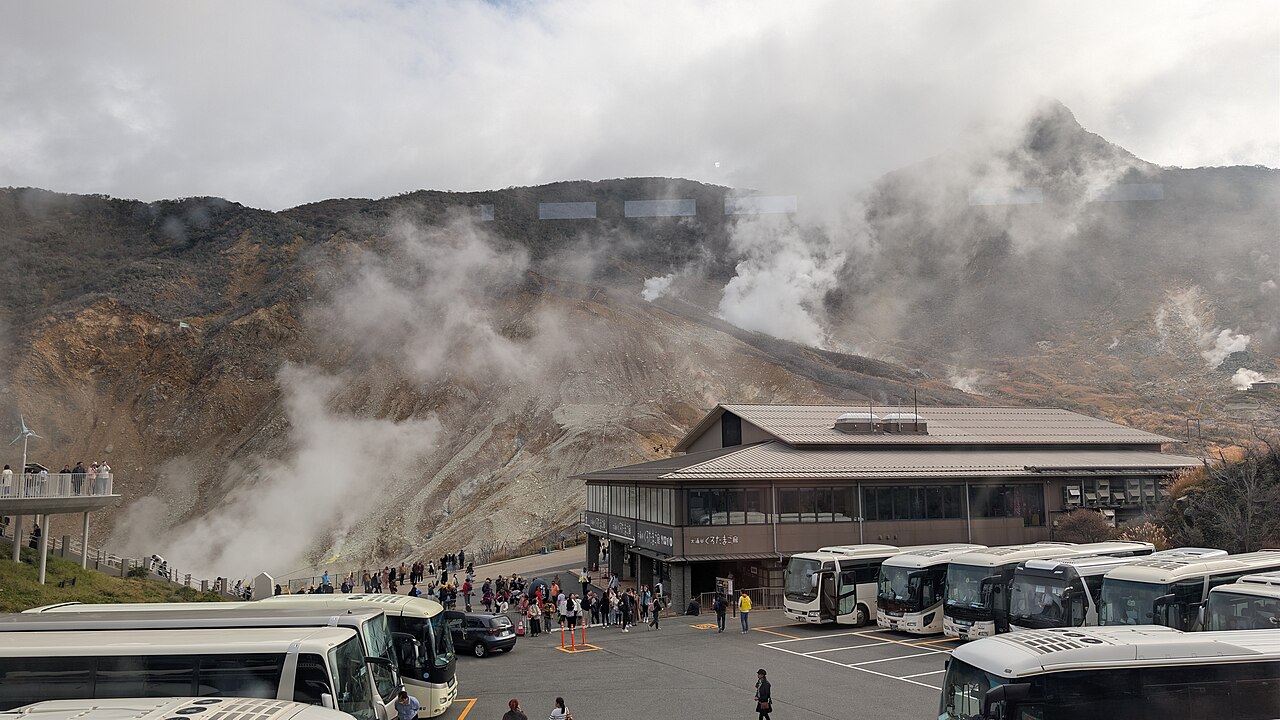

What to Do
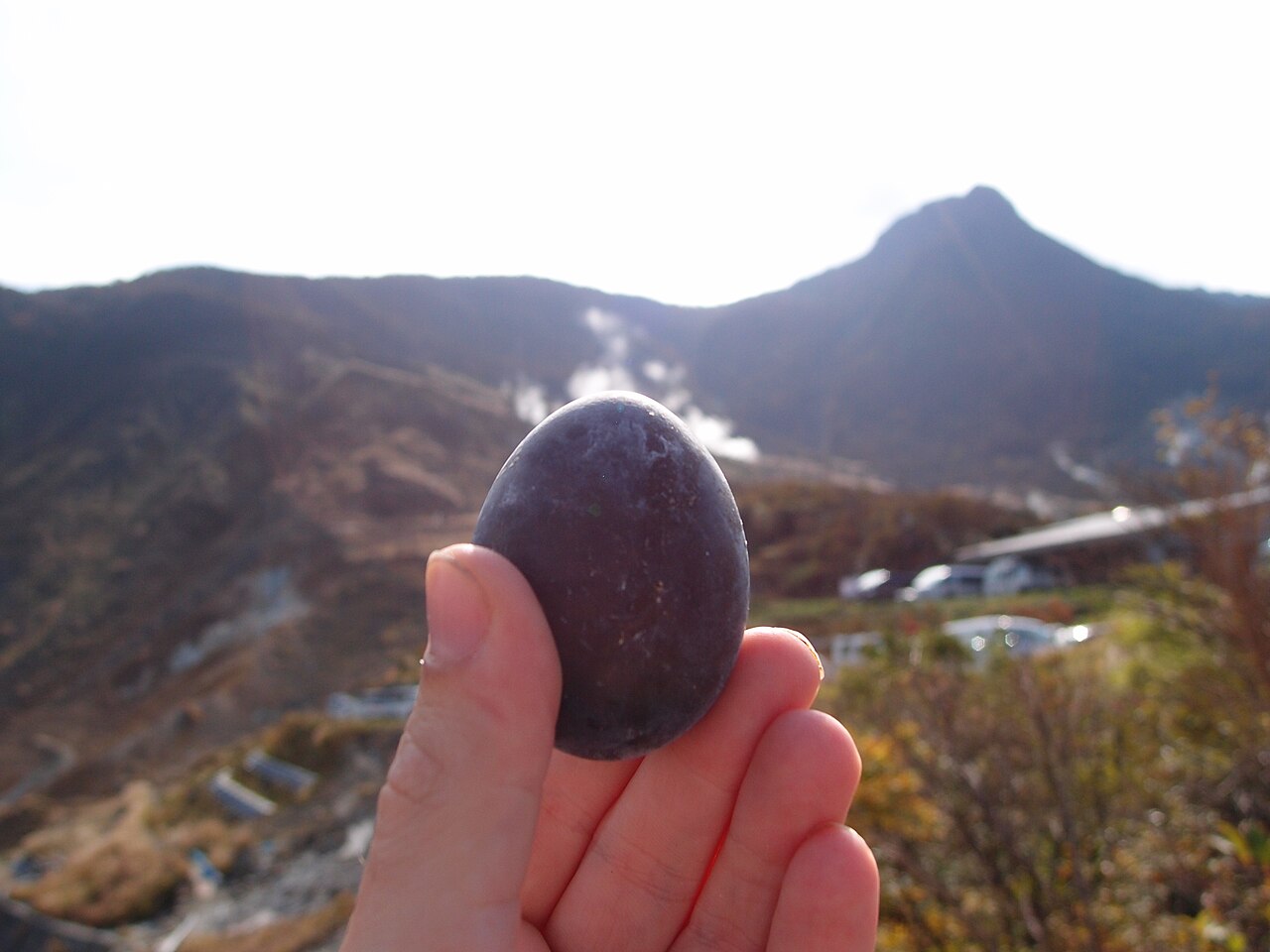
Black Eggs
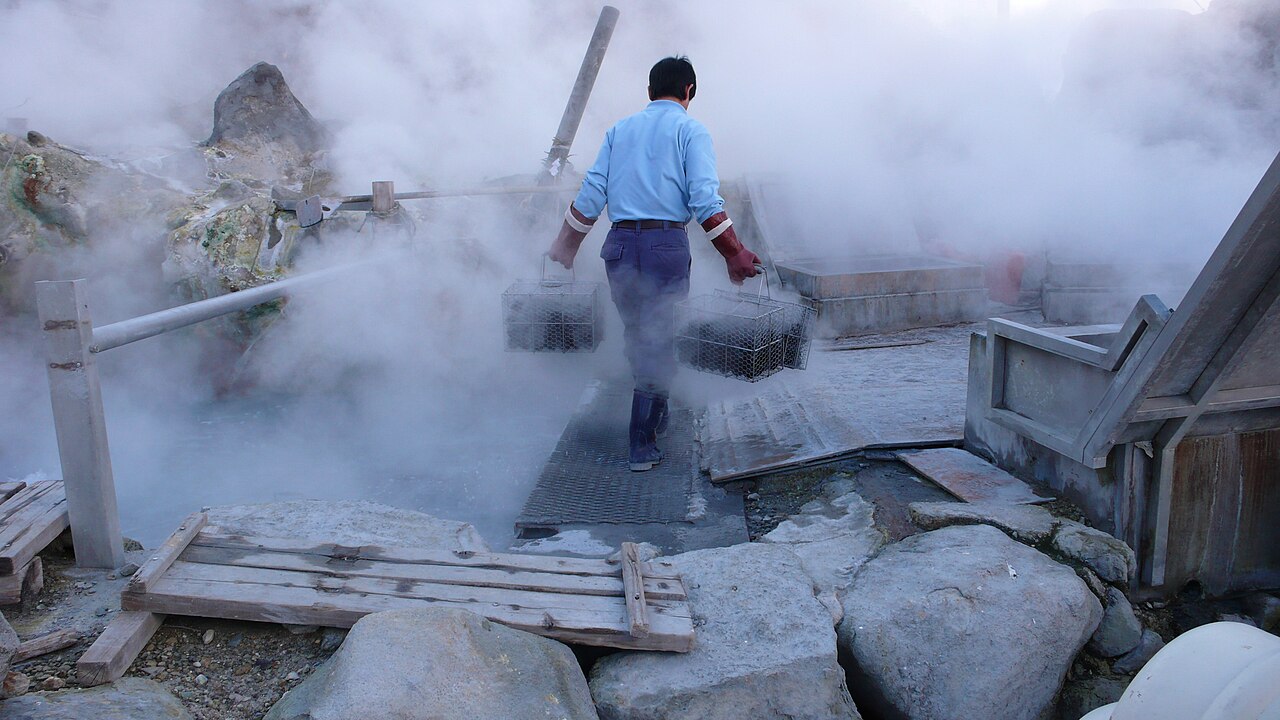
Eggs boiled in the hot springs turn black from sulfur. Said to add 7 years to your life per egg. Sold at the top station (5 eggs for about ¥500).

.jpg)
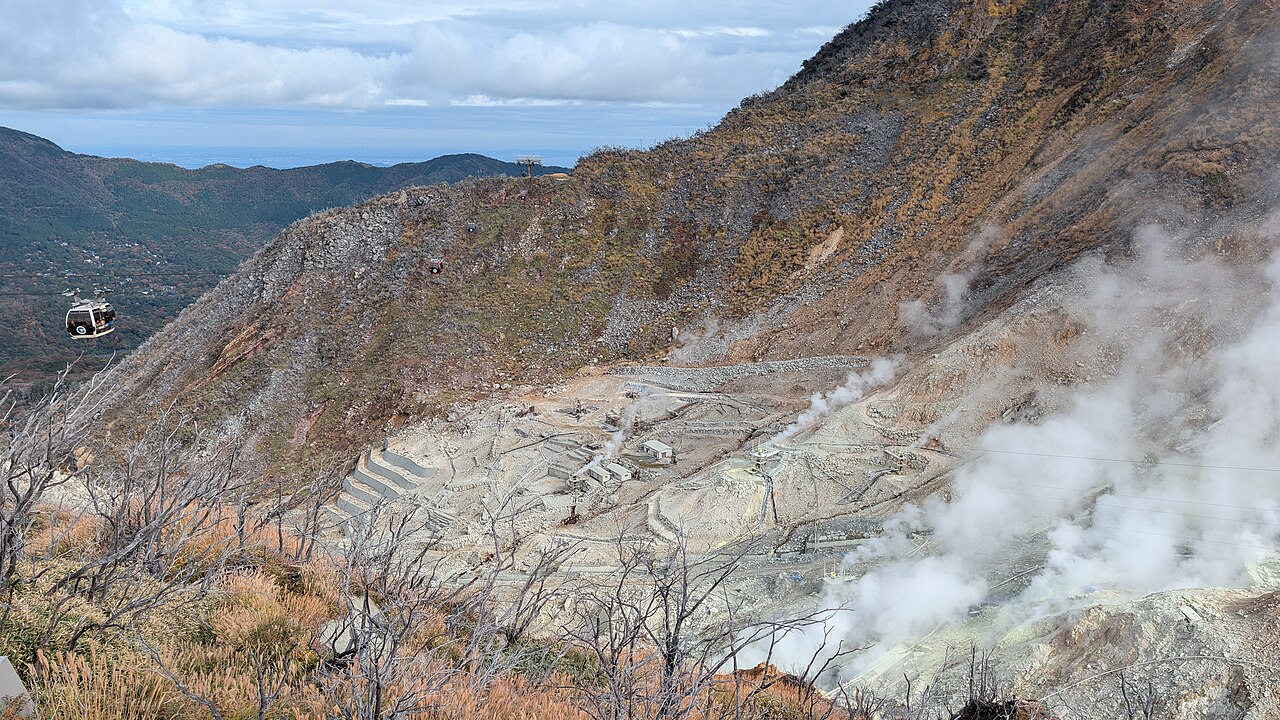
Viewing Area
Walking trail to view active vents (may close during high volcanic activity). Dramatic scenery with steam rising from vents.
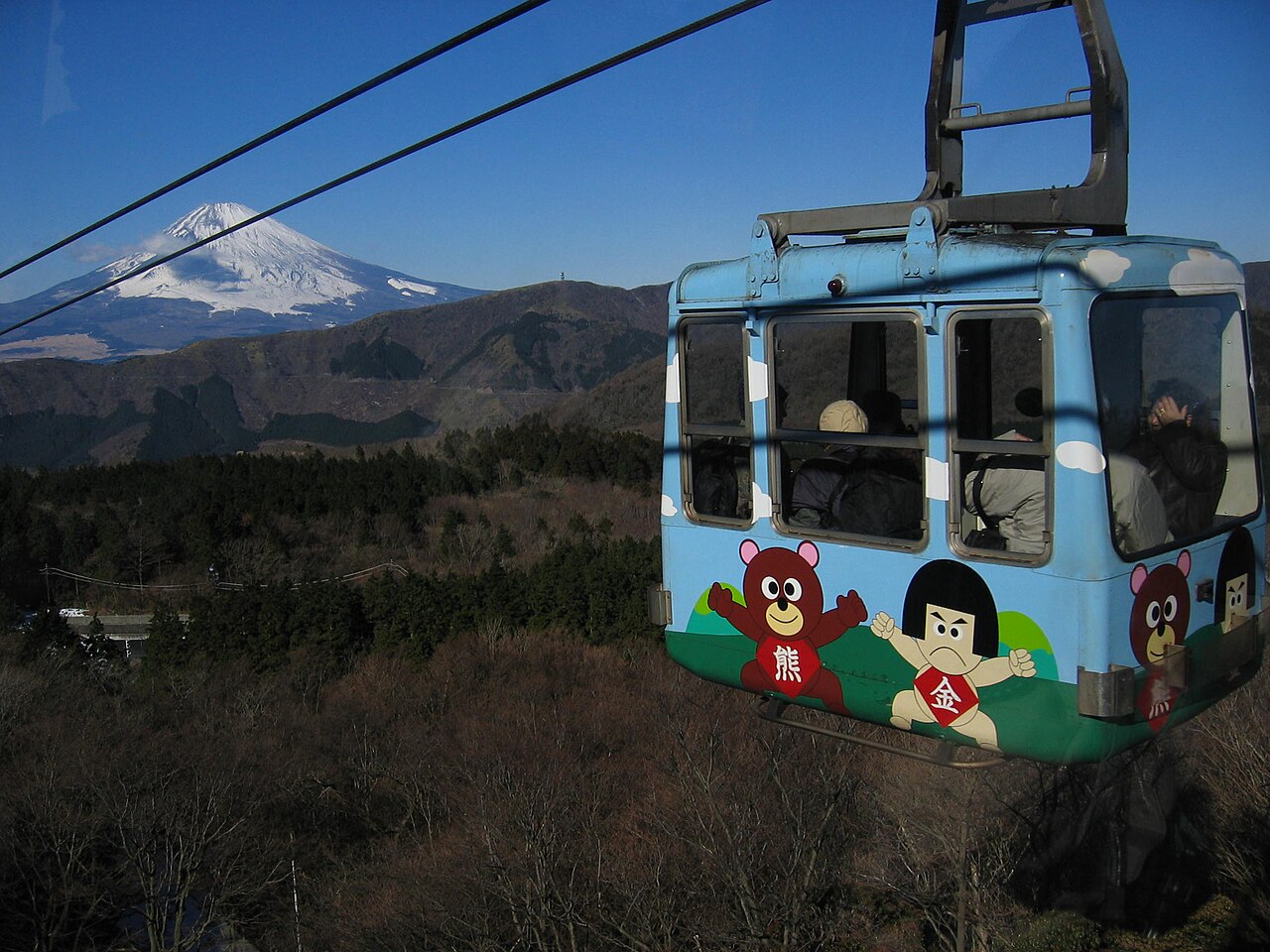
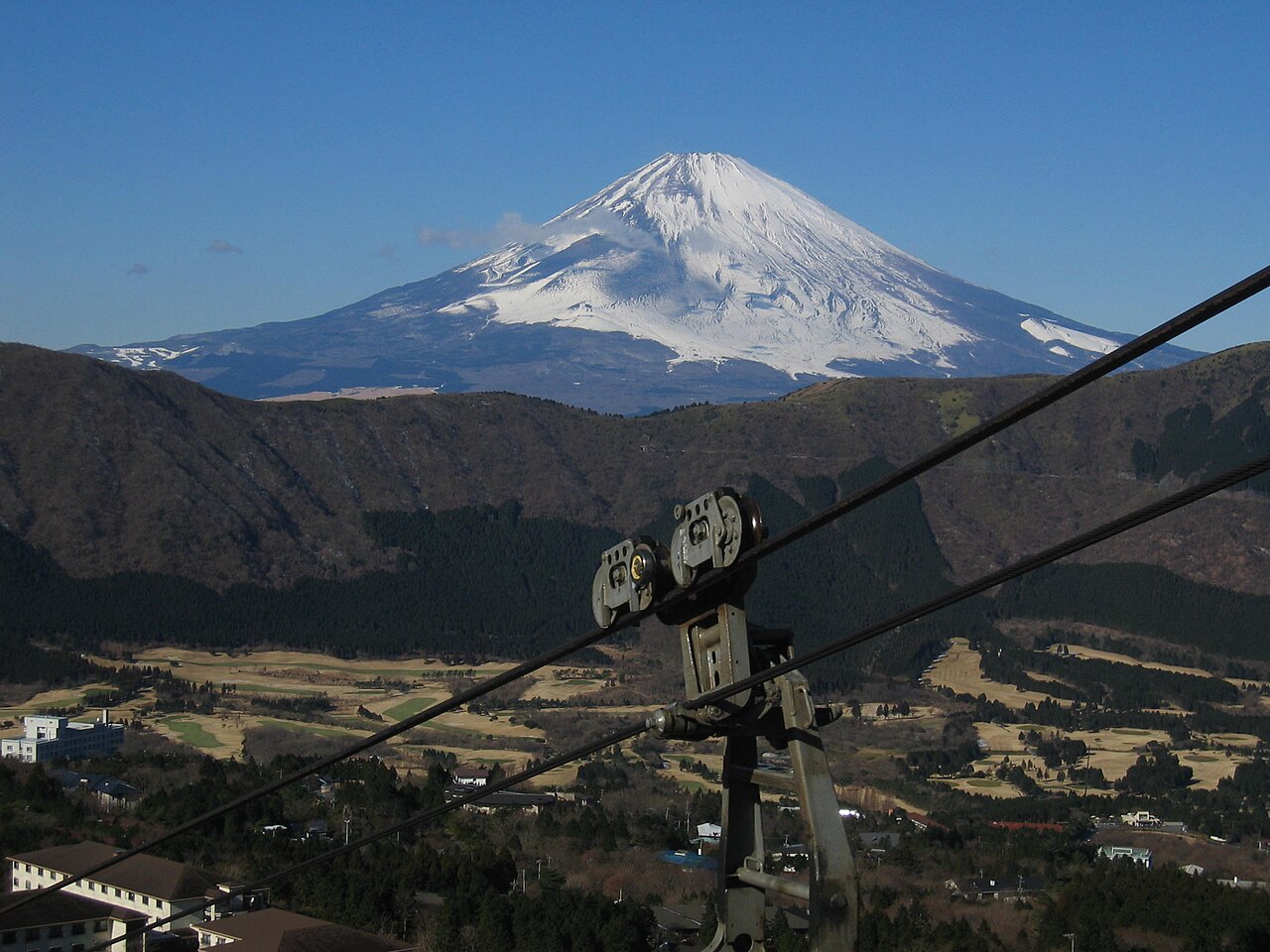
Mt. Fuji Views
On clear days, spectacular views of Mt. Fuji from the ropeway and viewing platforms.


Tips
- Volcanic activity: Area may close temporarily during elevated activity. Check conditions.
- Health warning: Not recommended for those with respiratory or heart conditions due to sulfur gases.
Getting There
From Narita Airport (NRT)
Recommended (Premium): Take the Narita Express (N’EX – red & white) from Terminal 1 or 2 directly to Shinjuku Station in approximately 85–90 minutes. Terminal 3 users should take the shuttle bus to Terminal 2 first. From Shinjuku, transfer to the Odakyu Line to reach the Hakone region. Budget: Take the Keisei Main Line 🔵 to Nippori Station, then transfer to the JR Yamanote Line 🟢 to Shinjuku.
From Haneda Airport (HND)
Recommended (Mid-range): Take the Keikyu Line 🔴 from any terminal (T1, T2, T3) to Shinagawa Station in approximately 15–20 minutes. From Shinagawa, you can take the Tokaido Shinkansen to Odawara Station (fastest) or the JR Yamanote Line 🟢 to Shinjuku Station to connect with the Odakyu Line. Direct highway buses also operate from Haneda Airport to Hakone-Yumoto, taking approximately 140 minutes depending on traffic.
From Major Stations
- From Shinjuku Station: Take the Odakyu “Romancecar” (limited express) directly to Hakone-Yumoto Station in approximately 75–85 minutes (Premium). Alternatively, the Odakyu Rapid Express 🔵 takes approximately 95 minutes (Budget).
- From Tokyo Station: Take the Tokaido Shinkansen (blue/white) to Odawara Station in approximately 35 minutes, then transfer to the Hakone Tozan Railway or bus to reach the Hakone interior.
Local Access
Owakudani is a station on the Hakone Ropeway and requires multiple transfers to reach. From Hakone-Yumoto Station, take the Hakone Tozan Railway to Gora Station (approximately 40 minutes). Transfer to the Hakone Tozan Cable Car to Sounzan Station (approximately 10 minutes), then board the Hakone Ropeway to Owakudani Station (approximately 8–10 minutes). The Hakone Freepass is highly recommended as it covers the round trip from Shinjuku and all local transport (train, cable car, ropeway) in the area. IC cards (Suica, PASMO) are accepted on trains and buses, but the Freepass offers significant savings.
Sources
- Official site: Hakone Ropeway
Last updated: 2026-02-03