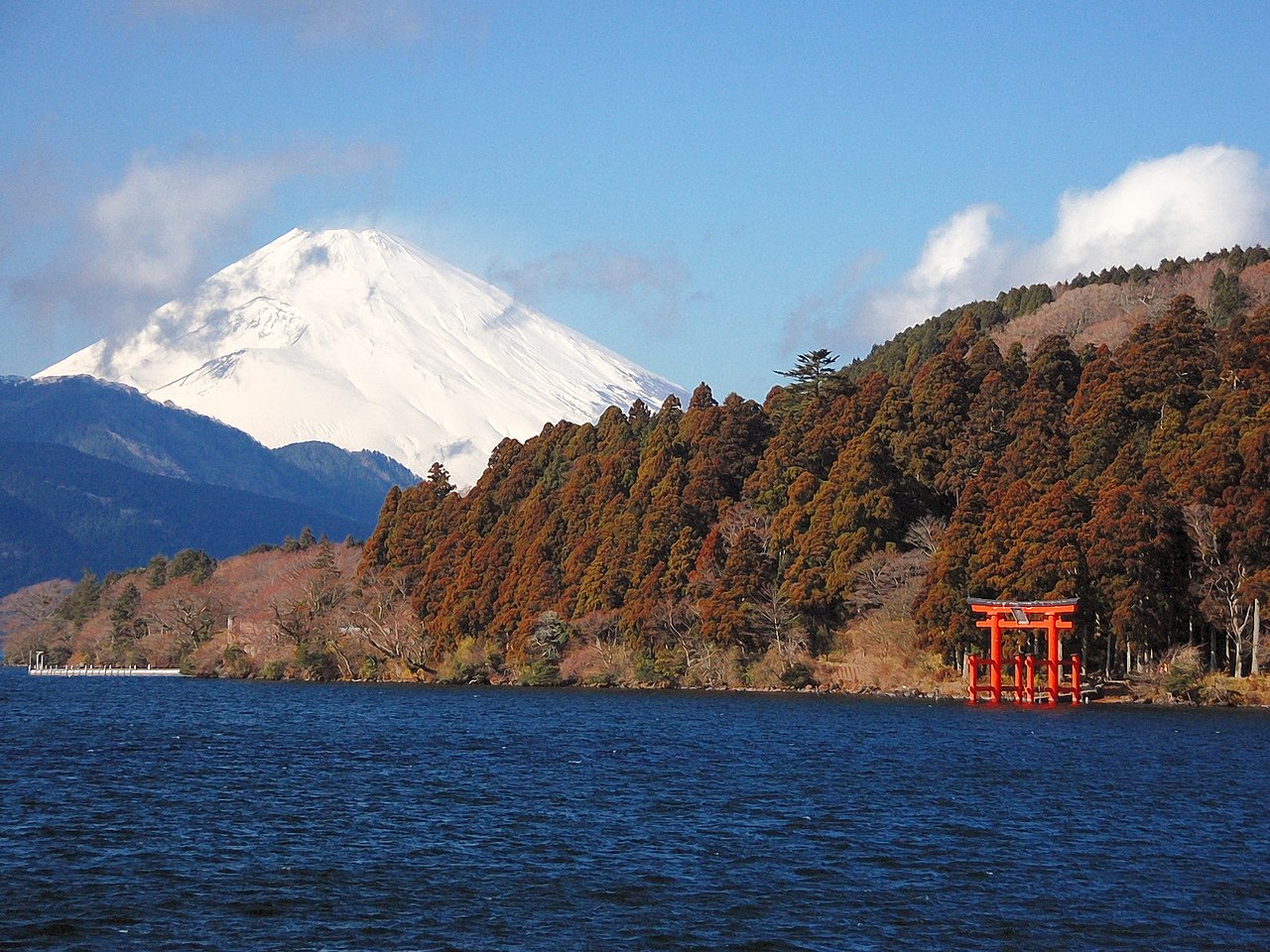
This guide is for travelers seeking Mt. Fuji views and scenic cruises. It answers: “What to do at Lake Ashi?”
Quick Facts
- Best for: Mt. Fuji views, scenic cruises, photographers
- Time needed: 1-2 hours
- Access: Ropeway from Owakudani or bus from Hakone-Yumoto
- Cruise: Covered by Hakone Free Pass
Overview
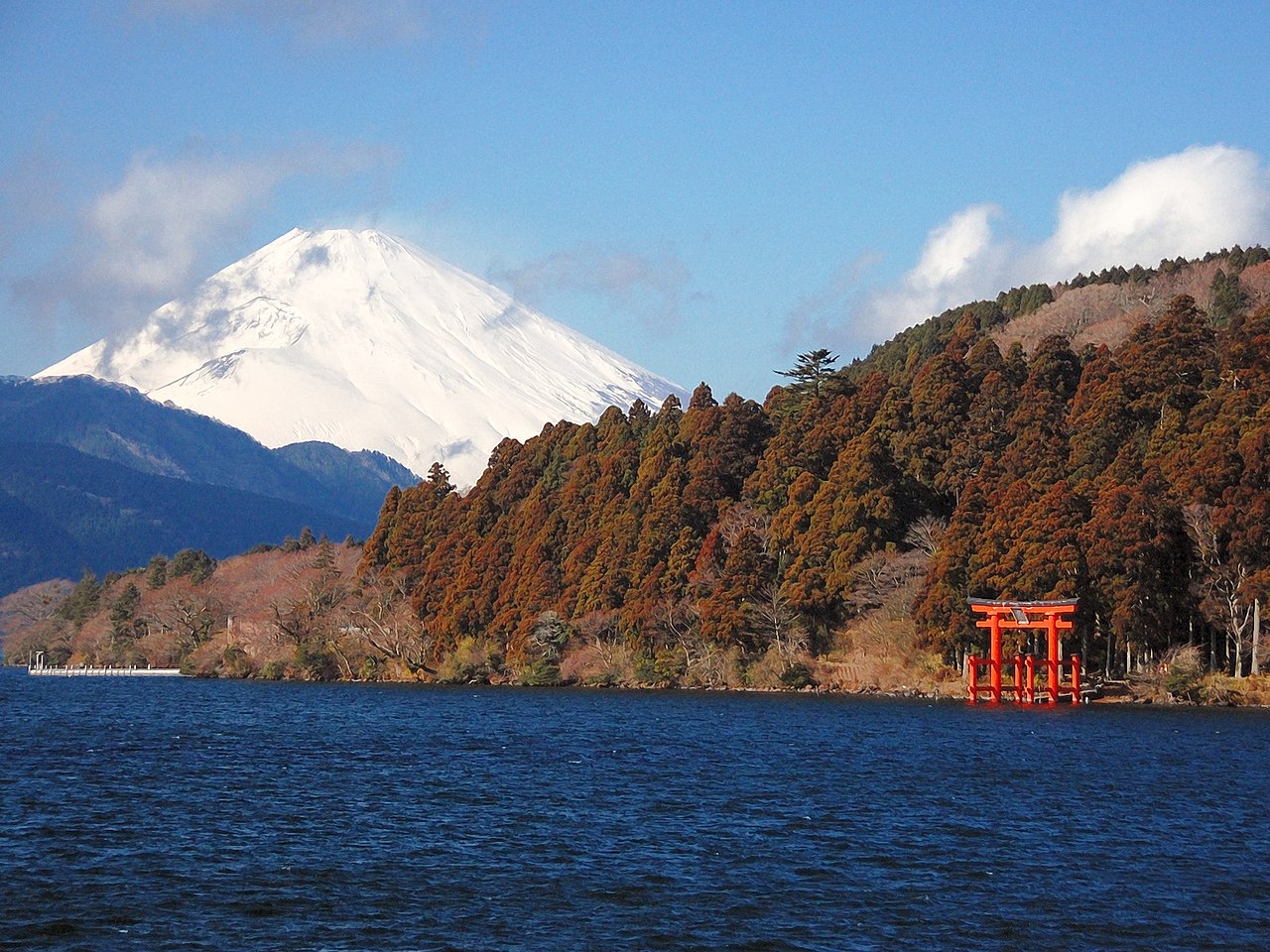

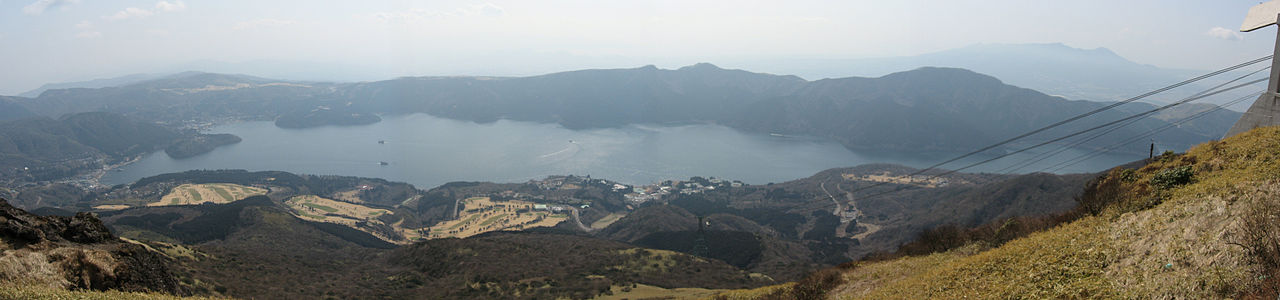
Lake Ashi (Ashinoko) is a scenic crater lake formed 3,000 years ago. Famous for views of Mt. Fuji across the water and the red torii gate of Hakone Shrine. Pirate ship cruises are a Hakone icon.
What to Do
Pirate Ship Cruise
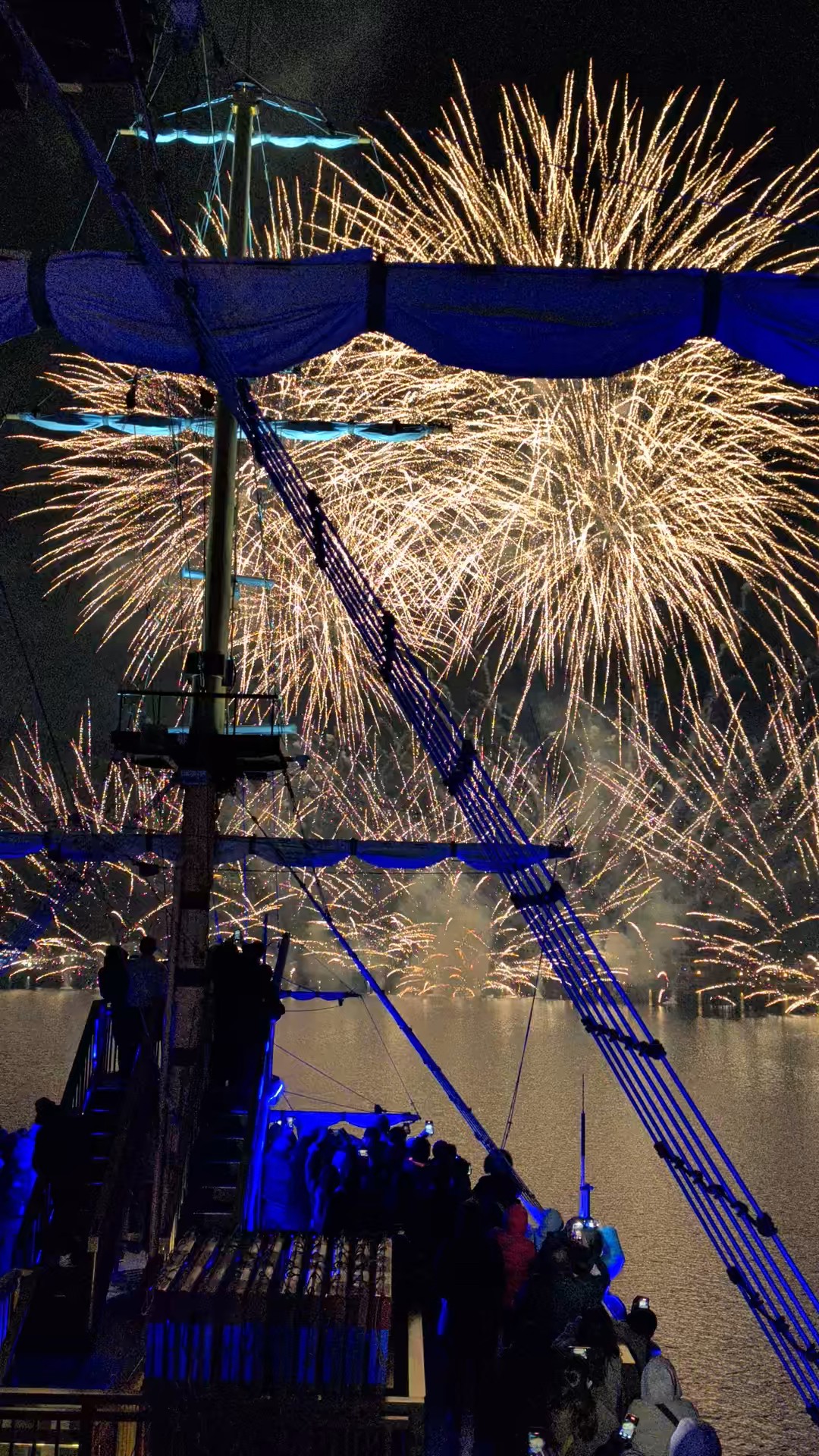
Themed cruise boats connect Togendai, Hakone-machi, and Moto-Hakone. About 30 minutes per leg. Best views from upper deck.


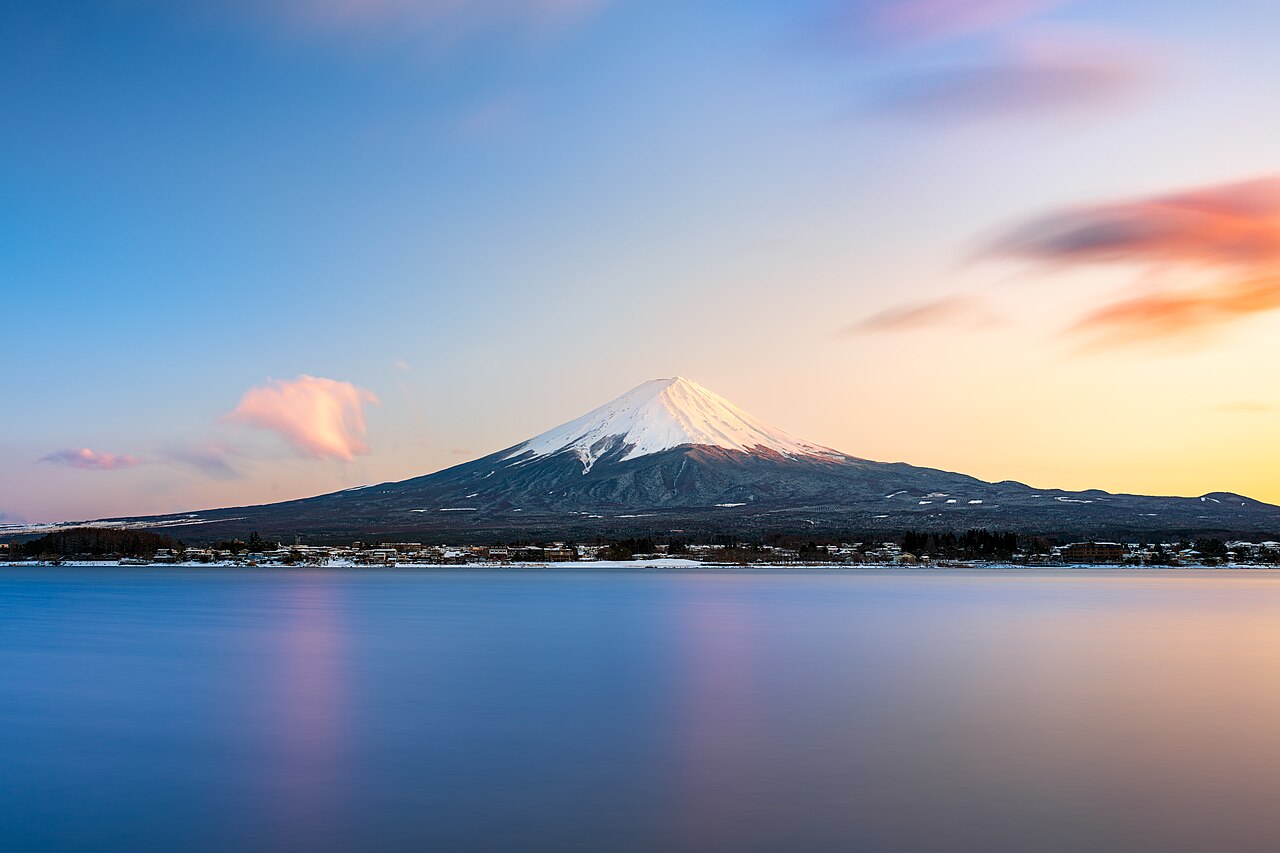
Mt. Fuji Views
Clear days offer perfect Fuji reflections. Best visibility in morning and during winter/spring months.



Hakone Shrine
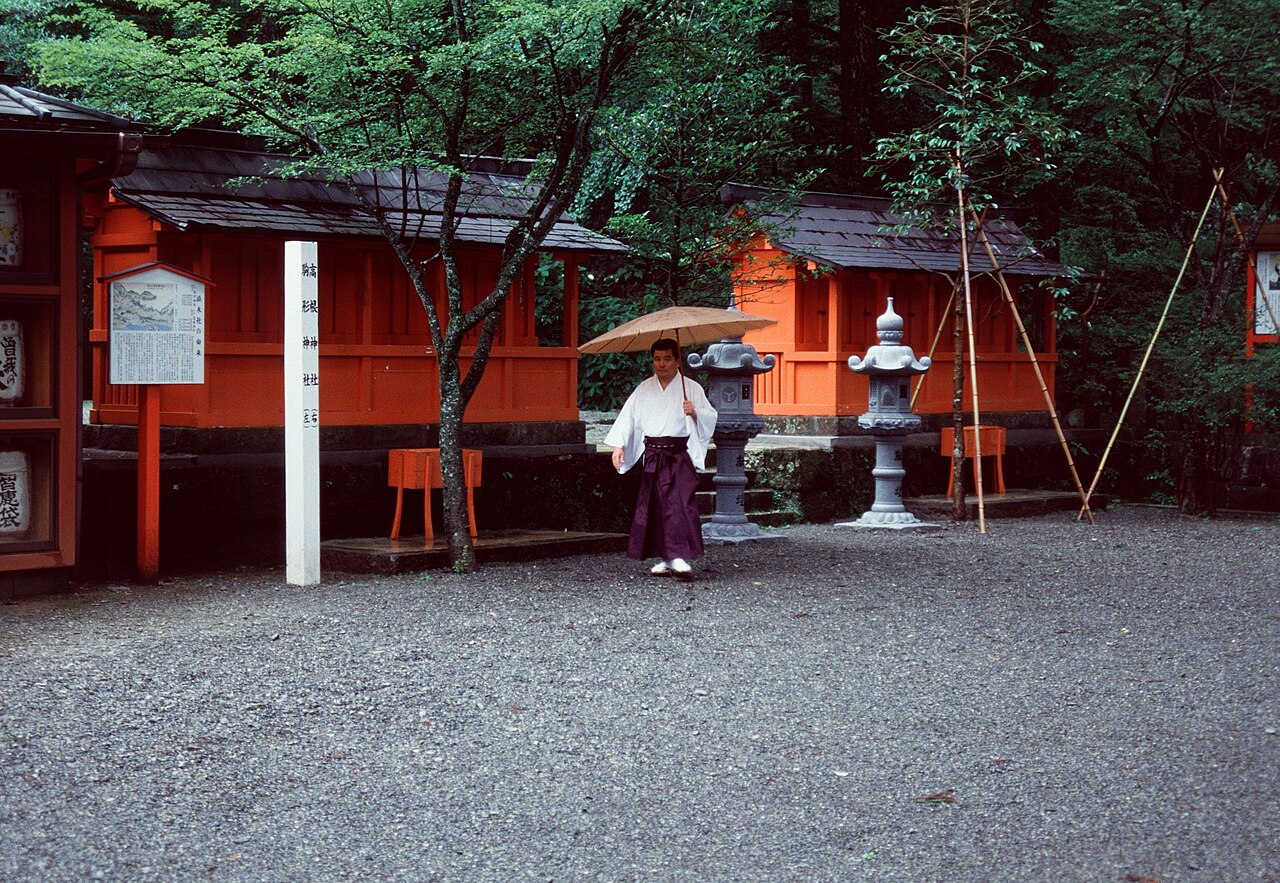
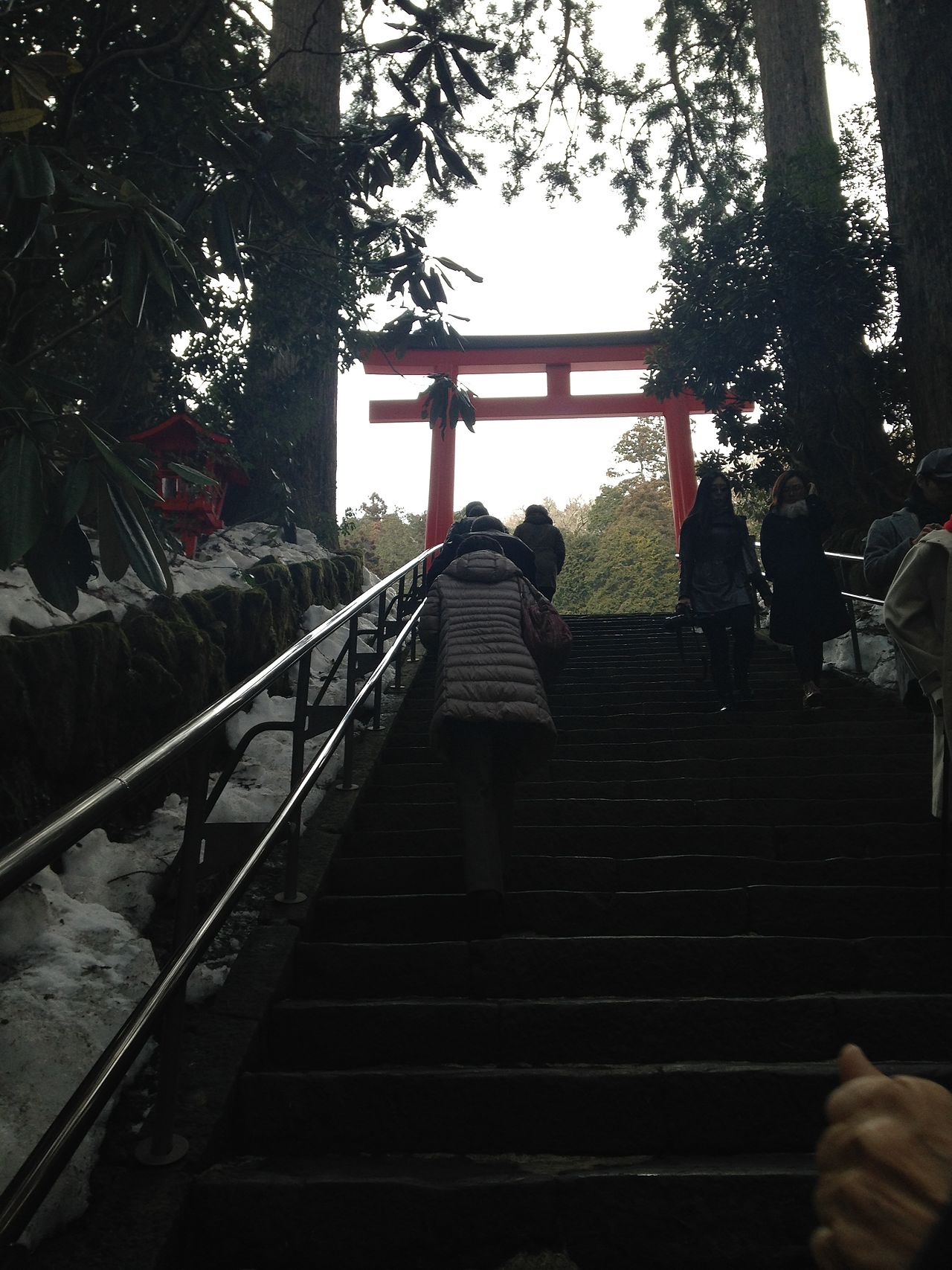
Famous red torii gate stands in the lake. Short walk from Moto-Hakone. Power spot for good fortune.


Tips
- Weather: Mt. Fuji often hidden by clouds. Mornings and clearer seasons are best.
- Photography: Torii gate at sunrise is popular with photographers.
Getting There
From Narita Airport (NRT)
Recommended (Premium): Take the Narita Express (N’EX) 🔴 from Terminal 1 or 2 directly to Shinjuku Station in approximately 85 minutes. From Shinjuku, transfer to the Odakyu “Romancecar” Limited Express to Hakone-Yumoto Station. Budget: Take the Keisei Main Line 🔵 to Nippori Station, transfer to the JR Yamanote Line 🟢 to Shinjuku, and take the regular Odakyu Line express train to Odawara/Hakone-Yumoto. Total travel time is approximately 3 hours.
From Haneda Airport (HND)
Recommended (Mid-range): Take the Keikyu Line 🔴 from any terminal (T1, T2, T3) to Shinagawa Station. From there, transfer to the JR Tokaido Shinkansen (blue and white) to Odawara Station (fastest) or the JR Tokaido Line (orange and green) to Odawara (cheaper). From Odawara, buses connect directly to Lake Ashi. Alternative: Direct highway buses operate from Haneda Airport to Hakone-Yumoto and Lake Ashi locations, though departures are less frequent than trains.
From Major Stations
- From Shinjuku Station: Take the Odakyu “Romancecar” Limited Express directly to Hakone-Yumoto Station in approximately 75–85 minutes. This is the most popular and scenic route.
- From Tokyo Station: Take the JR Tokaido Shinkansen (blue and white) to Odawara Station in approximately 35 minutes. From Odawara, take the Hakone Tozan Bus or Train into the Hakone area.
- From Shibuya Station: Take the JR Yamanote Line 🟢 to Shinjuku Station (approximately 7 minutes) and transfer to the Odakyu Line.
Local Access
The Lake Ashi Cruise (Hakone Sightseeing Cruise) serves three main ports: Togendai-ko, Moto-Hakone-ko, and Hakone-machi-ko. To reach Togendai, take the Hakone Ropeway from Sounzan or the Odakyu Highway Bus. To reach Moto-Hakone or Hakone-machi, take the Hakone Tozan Bus (H Line or R Line) from Hakone-Yumoto Station in approximately 35–45 minutes. The Hakone Freepass is highly recommended for this area, covering the round-trip from Shinjuku, the cruise, ropeway, and local buses. IC cards (Suica/PASMO) are accepted on trains and buses.
Sources
- Cruise info: Hakone Sightseeing Boats
Last updated: 2026-02-03