This guide is for first-time visitors to Tokyo looking to explore one of the city’s most iconic historic districts. It answers the search query: “Asakusa travel guide” or “things to do in Asakusa.”
Quick Facts
- Best for: First-time visitors, culture enthusiasts, families
- Time needed: 3–5 hours (half day)
- Nearest station: Asakusa Station (Tokyo Metro Ginza Line, Toei Asakusa Line, Tobu Skytree Line)
- Area type: Urban
- Rain friendly: Partially (Nakamise-dori is covered; temple grounds are open-air)
Overview
_of_Sensoji_Temple.jpg)
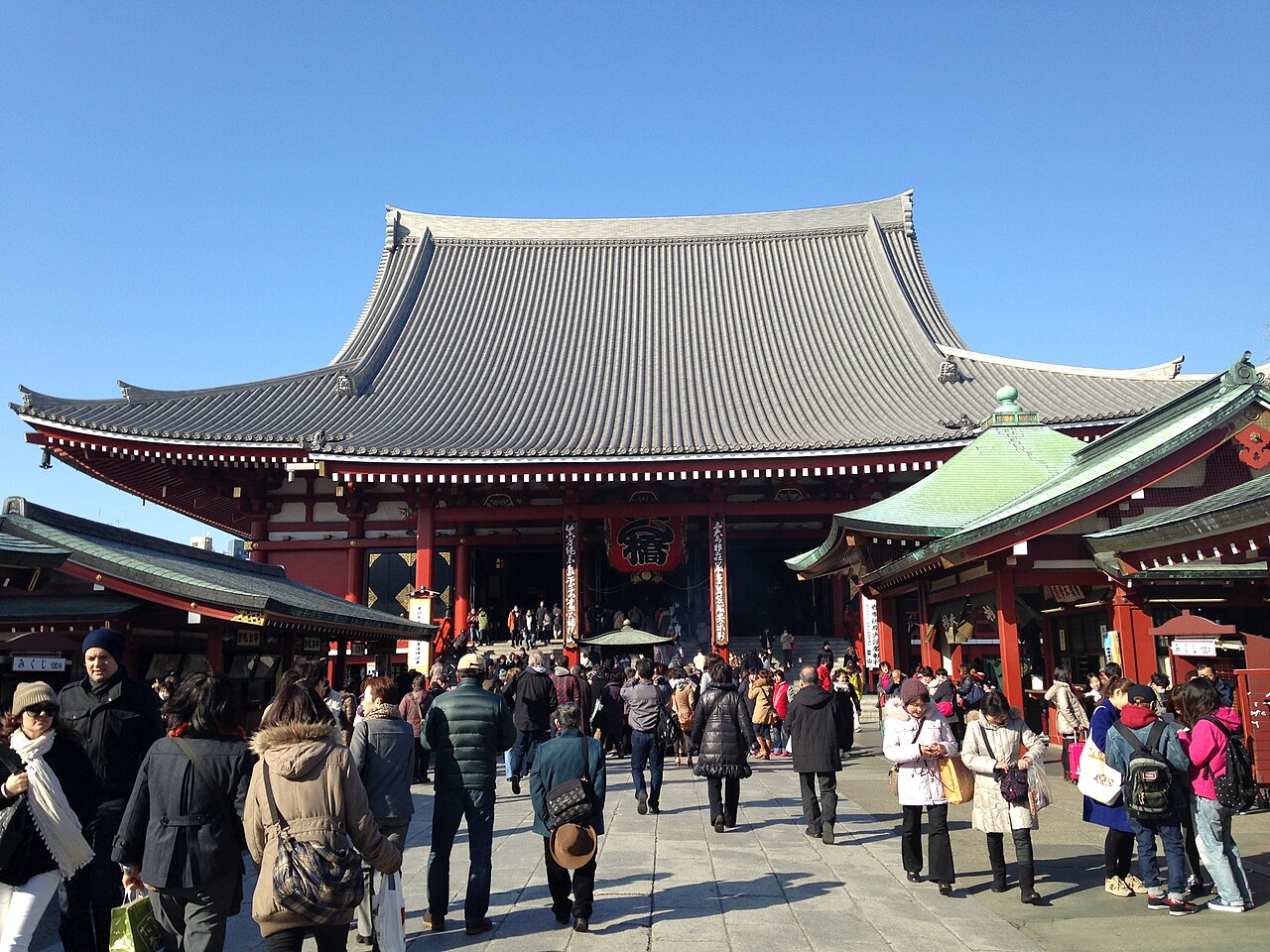
Asakusa is one of Tokyo’s oldest and most well-preserved entertainment districts. The area centers around Senso-ji, a Buddhist temple founded in the 7th century, making it one of Japan’s oldest temples. While much of the original structure was rebuilt after World War II, Asakusa retains a traditional atmosphere that contrasts with Tokyo’s modern skyline.
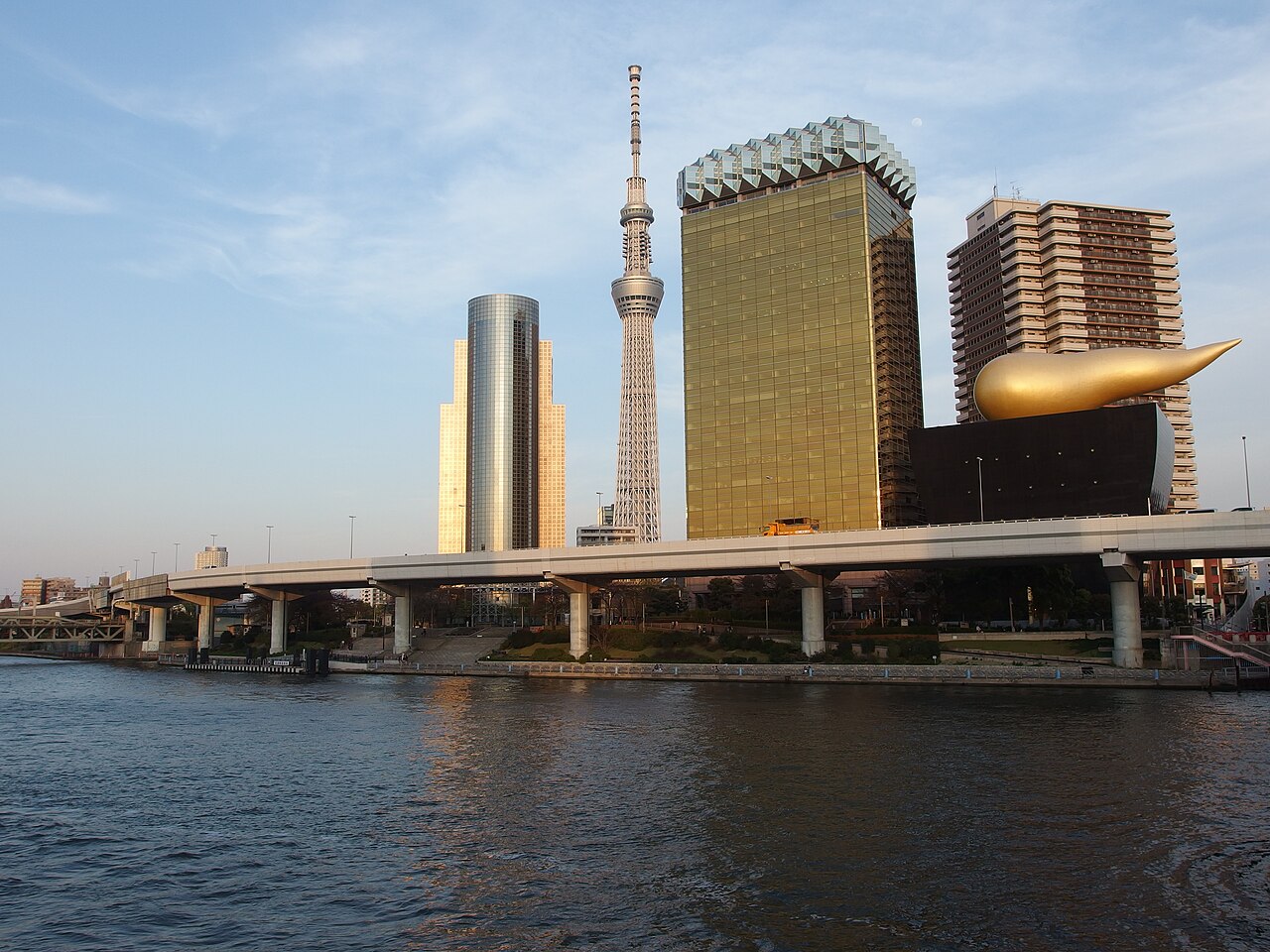
The district offers a glimpse into Edo-period Tokyo (1603–1868) with its traditional architecture, street food vendors, and craft shops. Asakusa sits along the Sumida River, providing views of Tokyo Skytree and access to river cruises that connect to Odaiba and other waterfront areas.
Asakusa is typically less crowded on weekday mornings. Weekends and holidays, especially during festivals and cherry blossom season, draw large crowds to Nakamise-dori shopping street.
How to Enjoy
Senso-ji Temple
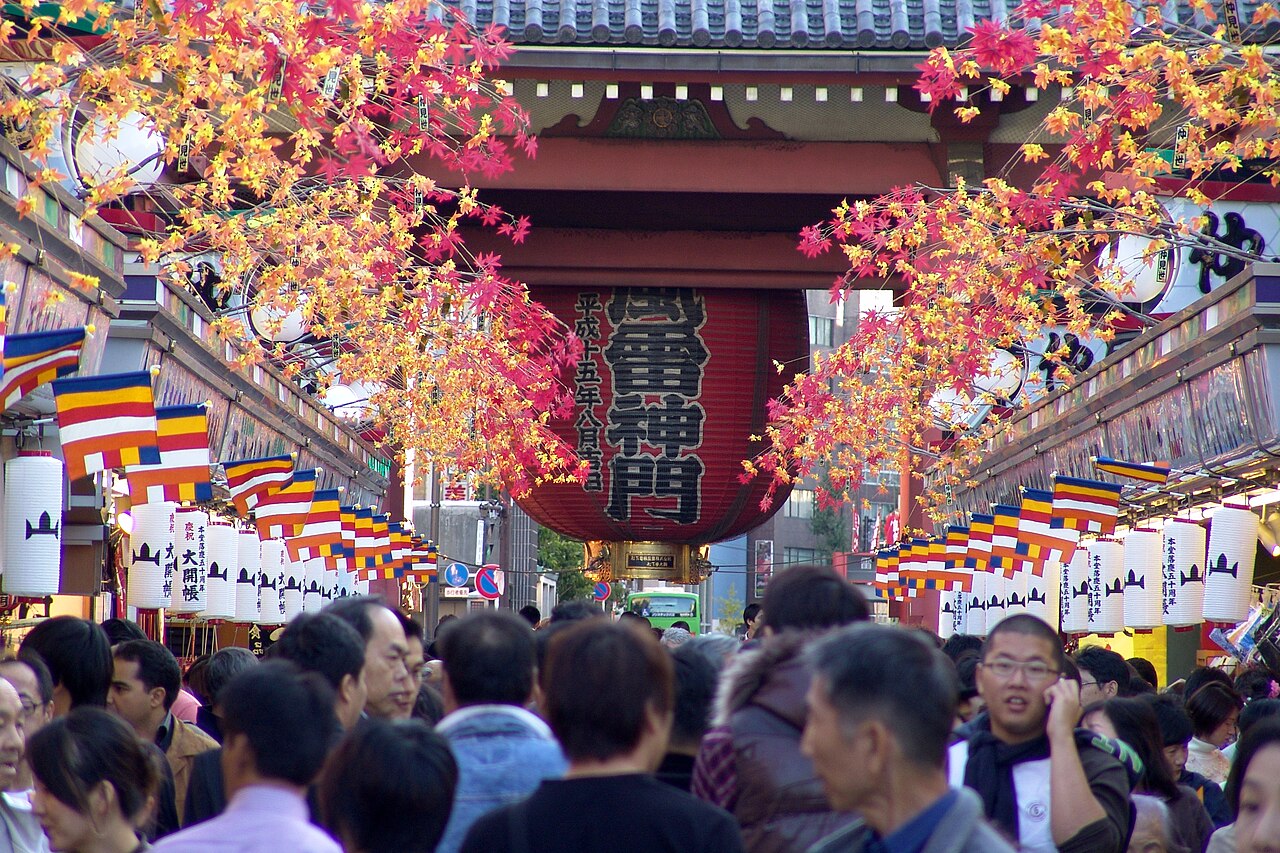
Enter through Kaminarimon (Thunder Gate), marked by its iconic giant red lantern. Walk through Nakamise-dori, a 250-meter shopping street with approximately 90 shops selling traditional snacks, souvenirs, and crafts. The main hall (Hondo) and five-story pagoda are free to enter and view from outside.
Nakamise-dori Shopping
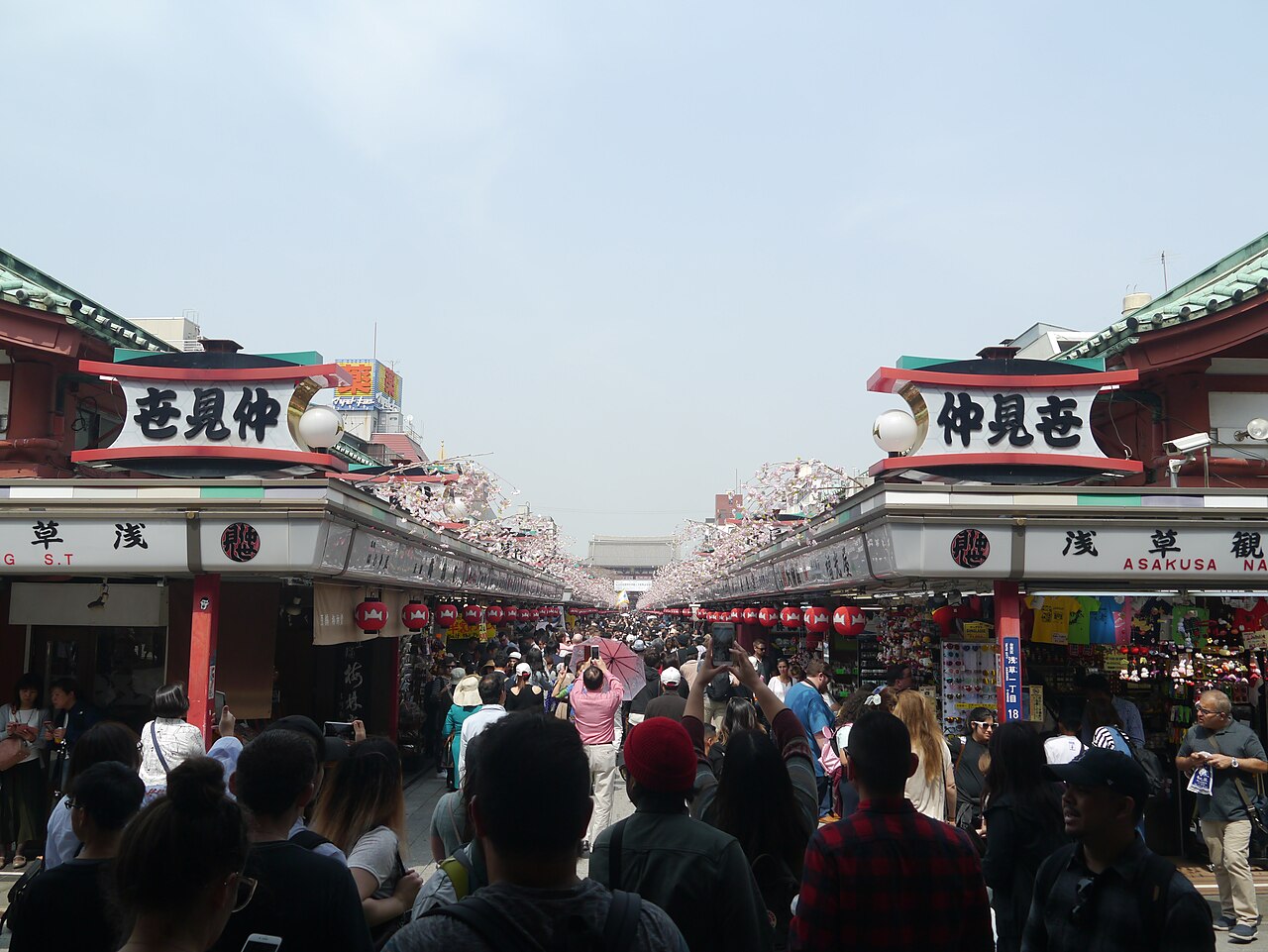

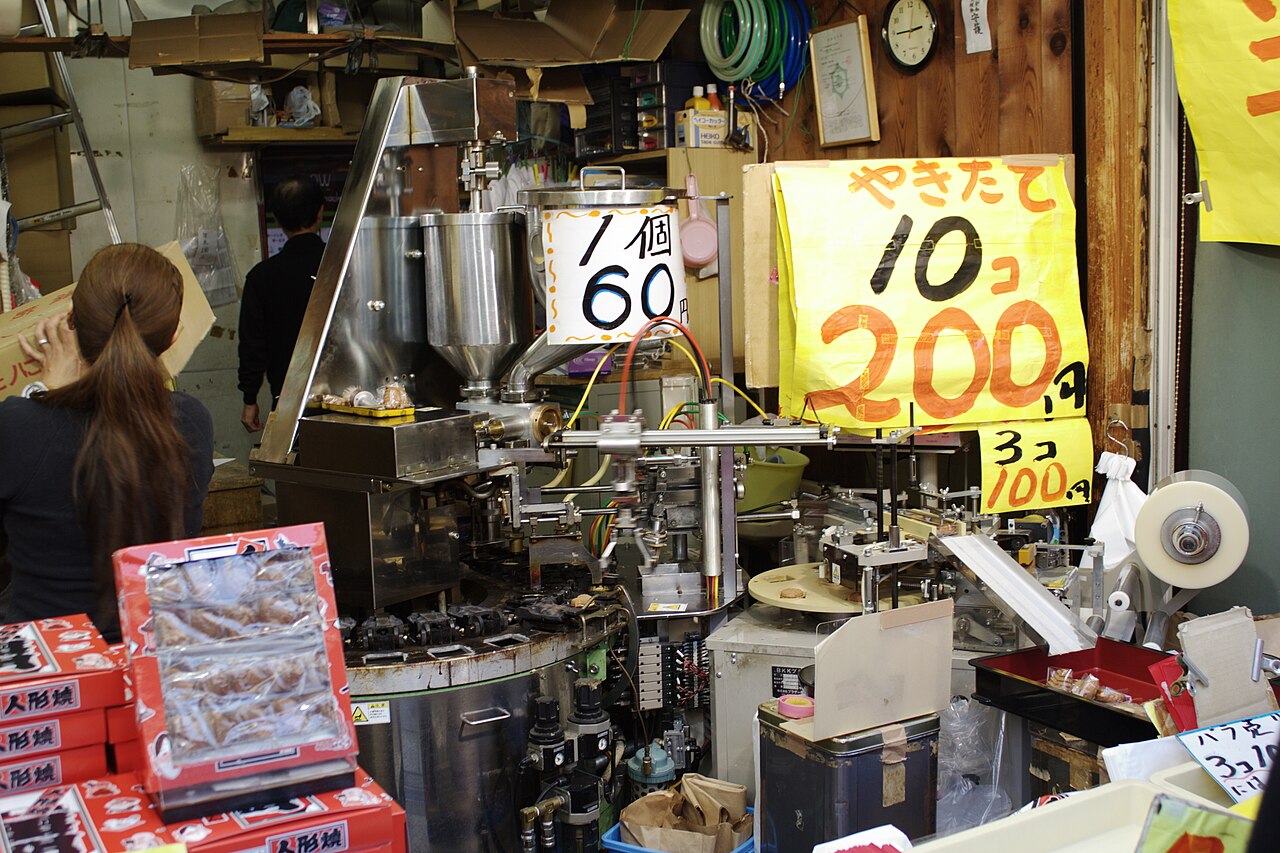
Traditional items available include ningyo-yaki (small cakes), senbei (rice crackers), and folding fans. Many shops have operated for generations. The street is covered, making it accessible in light rain.
Traditional Street Food
.jpg)
Popular items include melon pan (sweet bread), age-manju (fried sweet buns), and soft-serve ice cream with unique flavors. Eating while walking is generally discouraged in Japan; designated eating areas are available near some vendors.
Sumida River Area
.jpg)
The riverside park offers views of Tokyo Skytree. Water buses operated by Tokyo Cruise depart from Asakusa Pier, connecting to Hamarikyu Gardens and Odaiba. Cruise schedules and fares should be confirmed on the operator’s official website.
Suggested Itinerary
Morning (9:00–12:00)
- 9:00 – Arrive at Asakusa Station. Nakamise shops typically open around 9:00–10:00.
- 9:15 – Photo at Kaminarimon (less crowded in early morning)
- 9:30 – Walk through Nakamise-dori, browse shops
- 10:30 – Explore Senso-ji Temple grounds, main hall, and pagoda
- 11:30 – Visit side streets west of the temple for traditional craft shops
Afternoon Option A: River Cruise
- 12:30 – Lunch at a local restaurant (tempura and soba are area specialties)
- 14:00 – Board water bus to Odaiba or Hamarikyu (typically 40–70 minutes depending on route)
Afternoon Option B: Stay in Asakusa
- 12:30 – Lunch in Asakusa
- 14:00 – Walk to Tokyo Skytree (approximately 20 minutes on foot) or take Tobu Skytree Line (one stop)
Tips & Cautions
- Crowds: Weekday mornings are typically less crowded. Avoid national holidays and weekends during cherry blossom season (late March–early April) if possible.
- Photography: Photography inside the main hall of Senso-ji may be restricted. Check signage on-site.
- Etiquette: Remove hats before approaching the main hall. Avoid eating while walking on temple grounds.
- Cash: Some traditional shops and small vendors may not accept credit cards. ATMs are available at convenience stores nearby.
- Accessibility: The main paths are paved and relatively flat. Wheelchair access to the main hall is available via a side entrance.
- Seasonal events: Sanja Matsuri (mid-May) is one of Tokyo’s largest festivals but brings extremely large crowds.
Nearby Alternatives
- Tokyo Skytree (Sumida): Indoor observation decks; fully rain-friendly. Approximately 20 minutes on foot or one train stop from Asakusa.
- Ueno (Taito): Museums, Ueno Park, and Ameyoko shopping street. Approximately 15 minutes by Tokyo Metro Ginza Line.
- Ryogoku (Sumida): Sumo wrestling district with the Edo-Tokyo Museum (currently closed for renovation; check official site for reopening). Approximately 10 minutes by Toei Oedo Line.
Sources
- Official site: Senso-ji Temple
- Tourism board: GO TOKYO – Asakusa
- Transport operator: Tokyo Metro
Last updated: 2026-02-03