
This itinerary covers Tokyo’s essential attractions over three days with time for deeper exploration. It answers: “How to spend 3 days in Tokyo?”
Quick Facts
- Best for: First-time visitors, thorough exploration
- Pace: Moderate with rest time
- Budget: ¥10,000-15,000 (excluding accommodation and meals)
Day 1: East Tokyo – Traditional
Morning
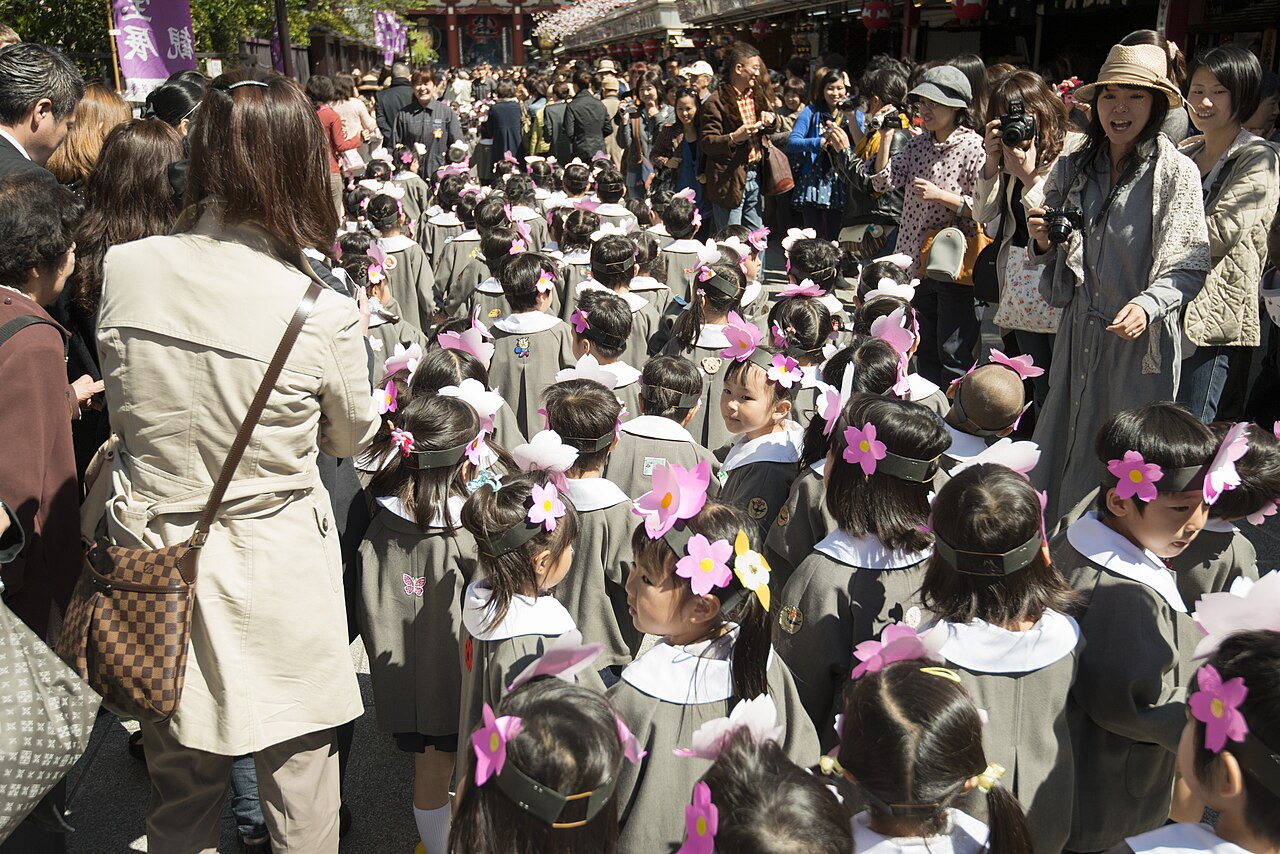
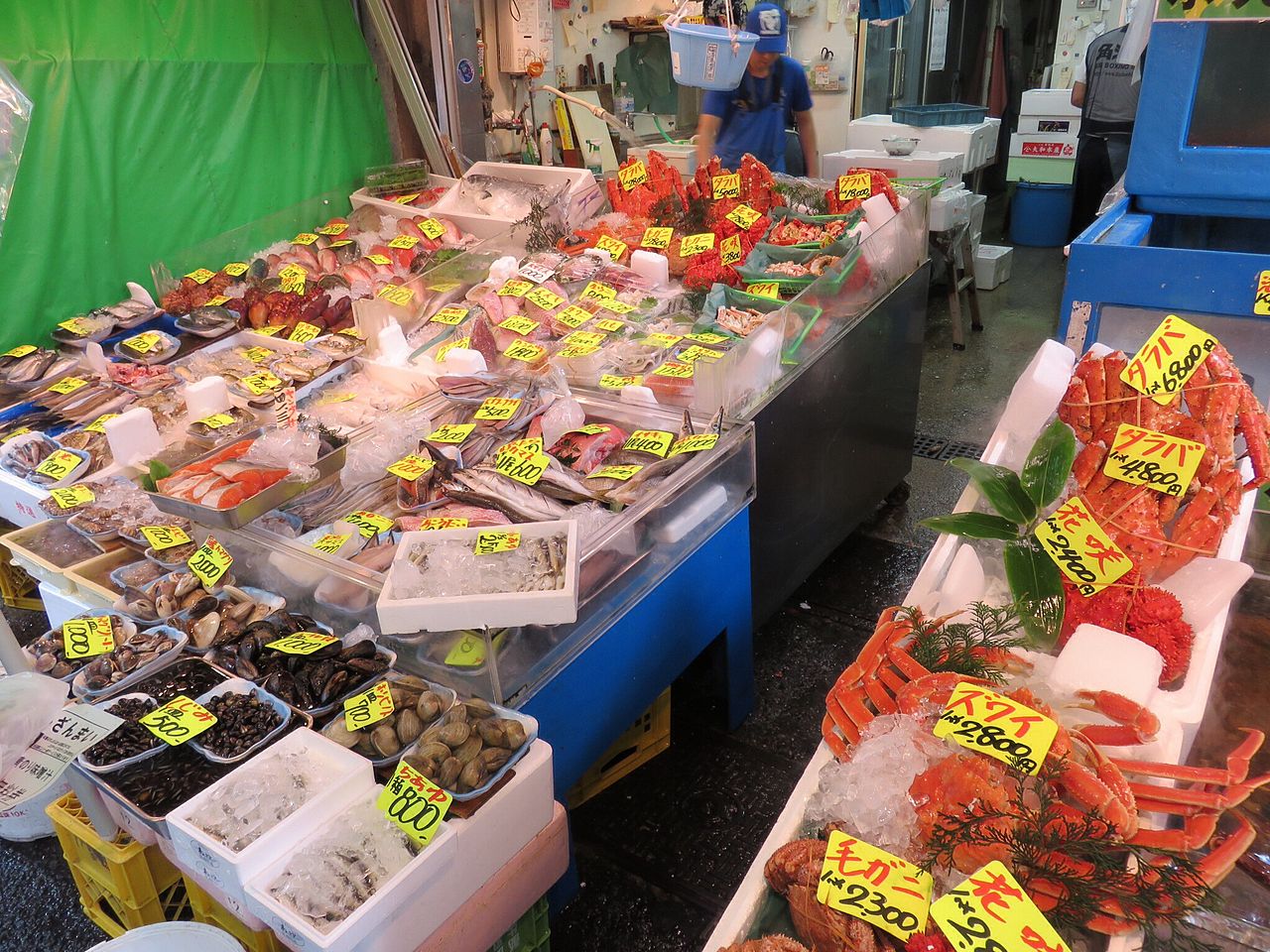
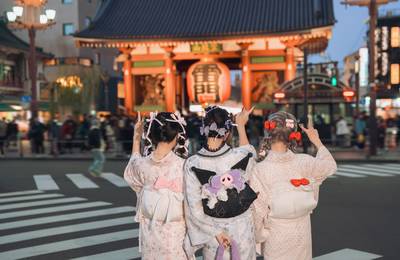
Tsukiji Outer Market – Start with fresh sushi breakfast. Then take the subway to Asakusa for Senso-ji Temple and Nakamise Street.
Afternoon
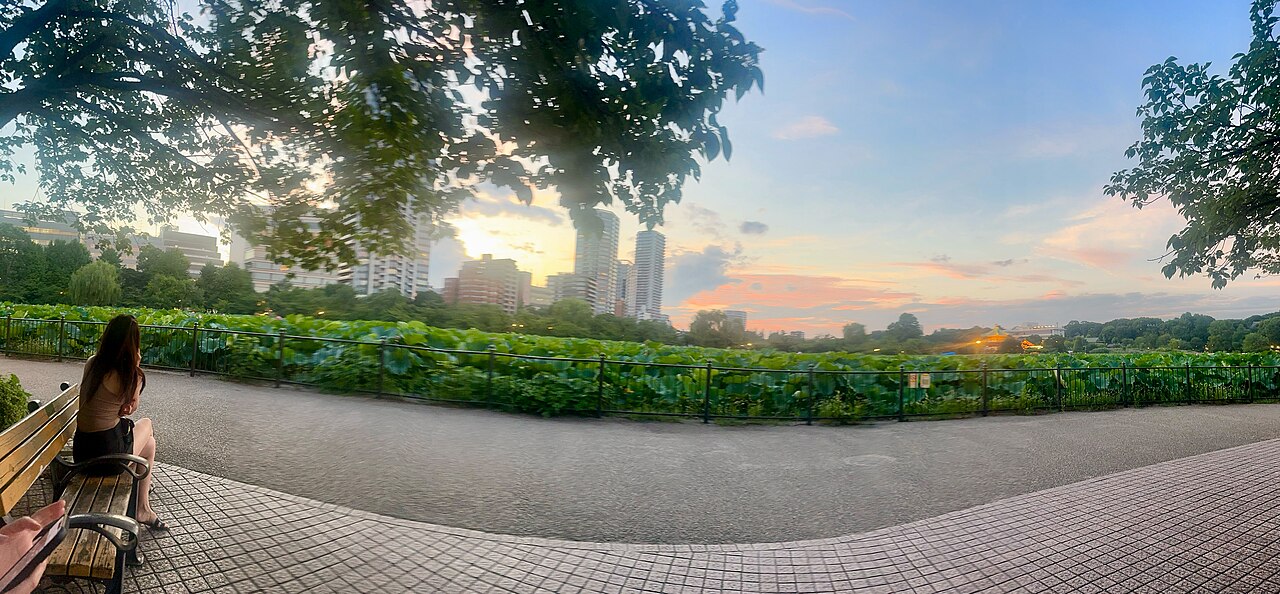
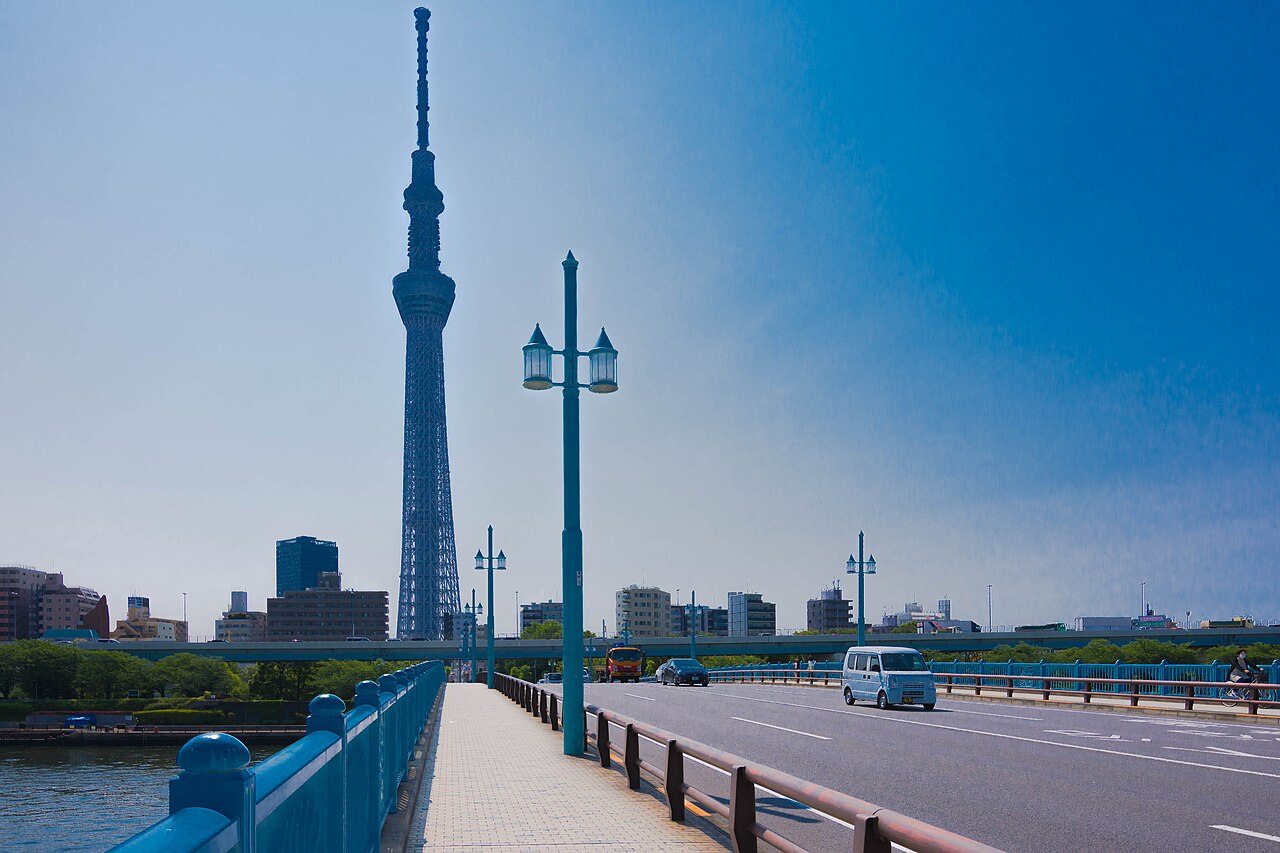
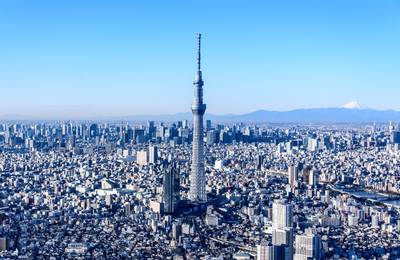
Tokyo Skytree – Walk from Asakusa across Sumida River. Observation deck offers 360° views. Ueno Park – Museums and shrines (pick 1-2 based on interest).
Evening
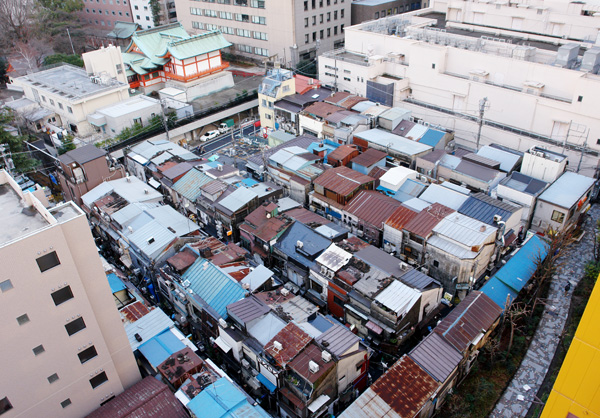
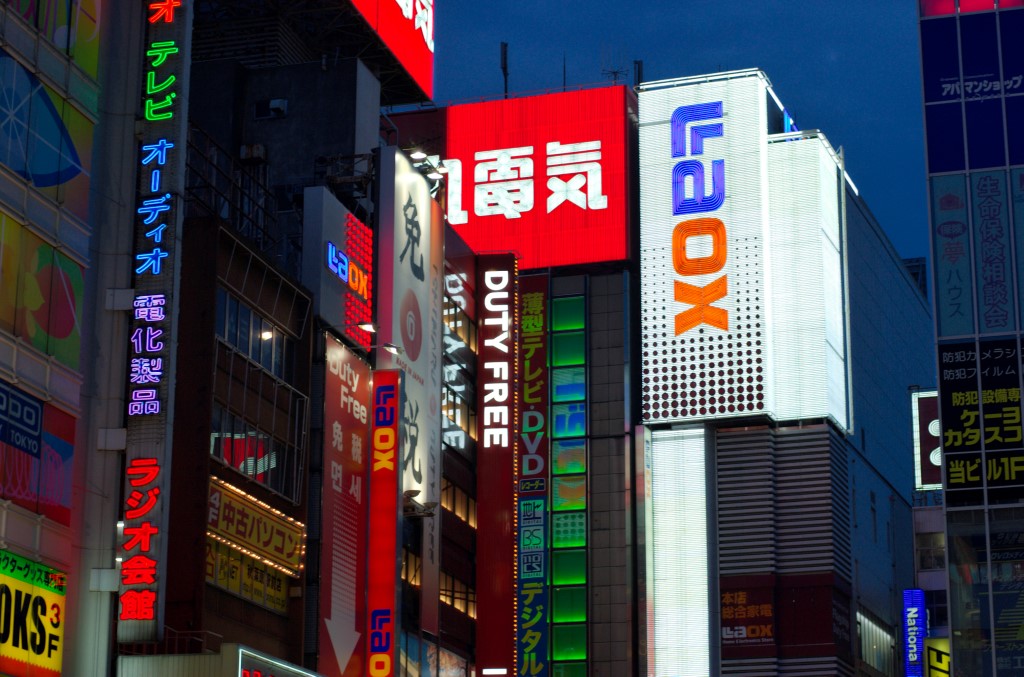
Akihabara – Electric Town for anime, electronics, and gaming culture.
Day 2: Central & West Tokyo – Modern
Morning
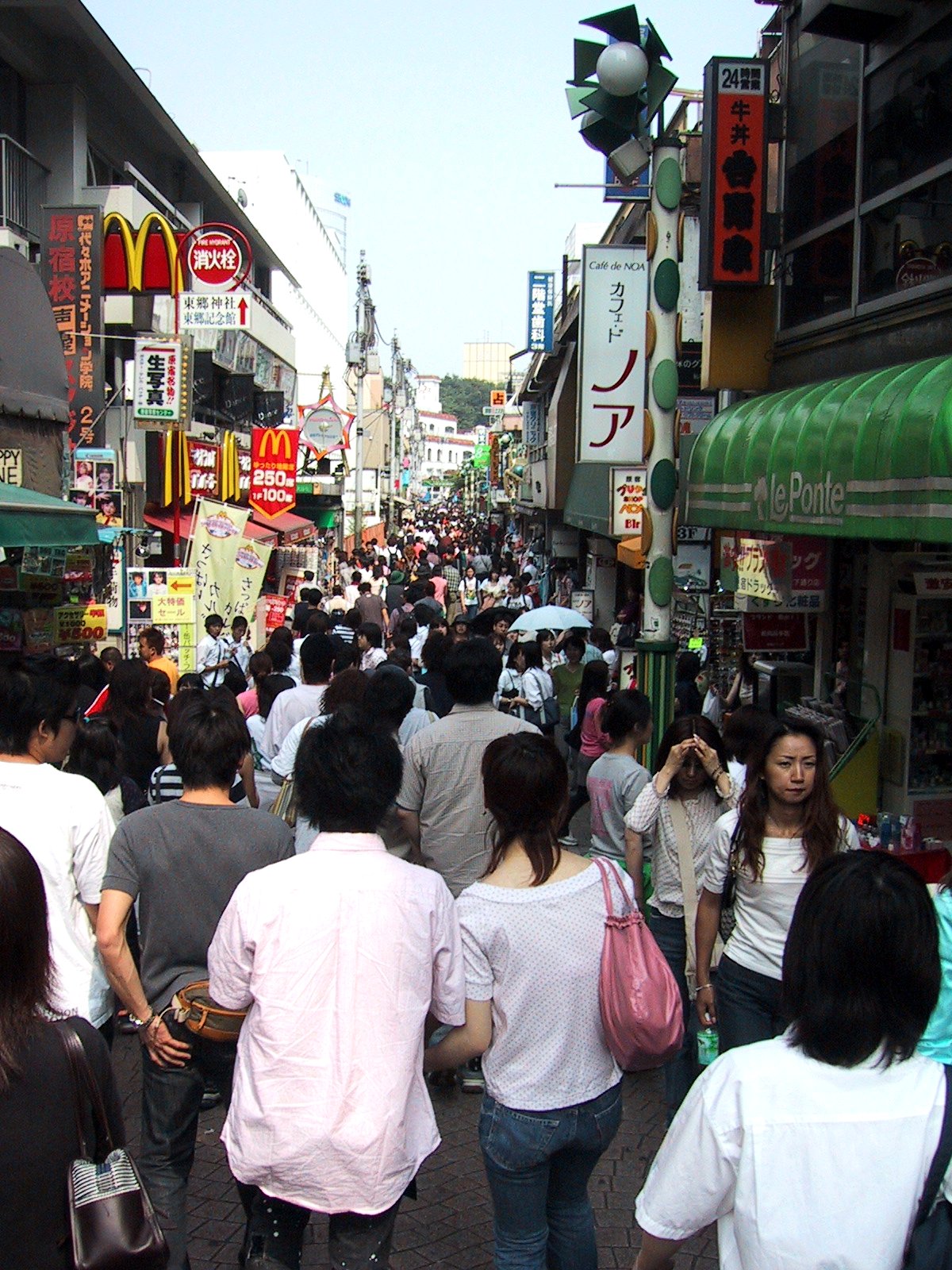
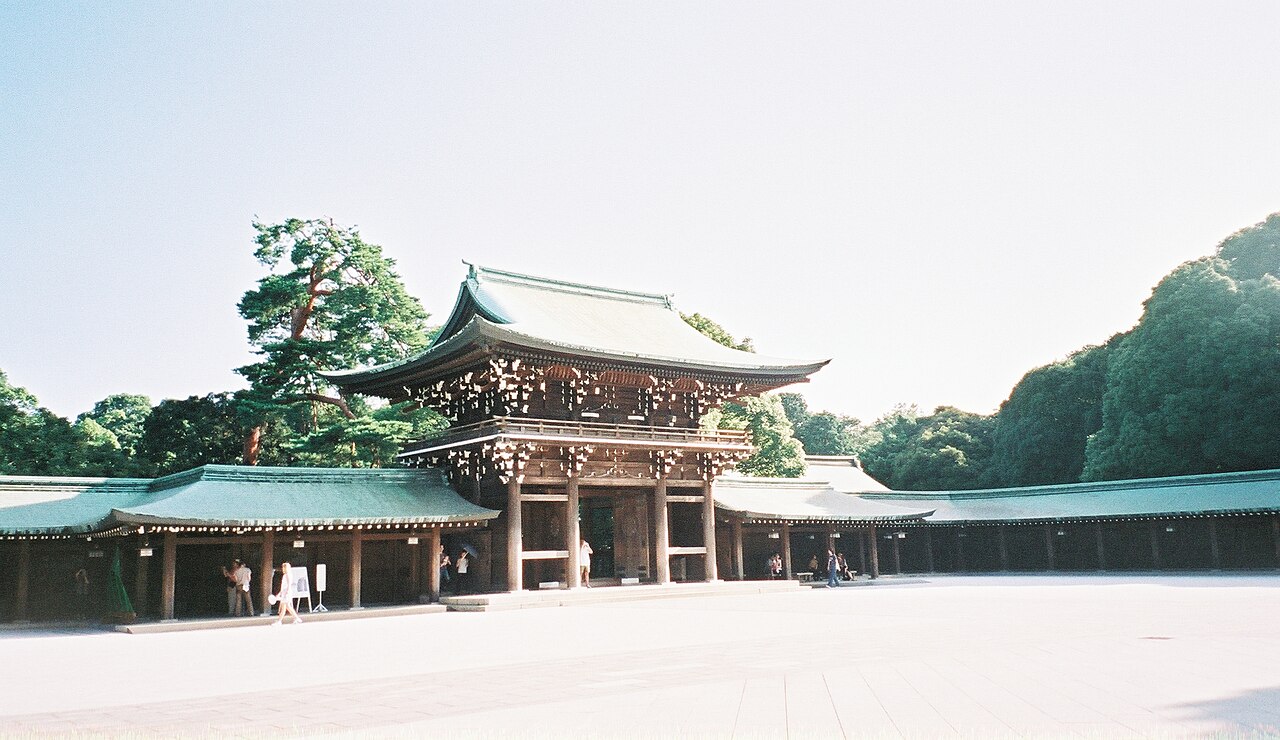
Meiji Shrine – Peaceful forest walk in central Tokyo. Then explore Harajuku – Takeshita Street youth culture.
Afternoon
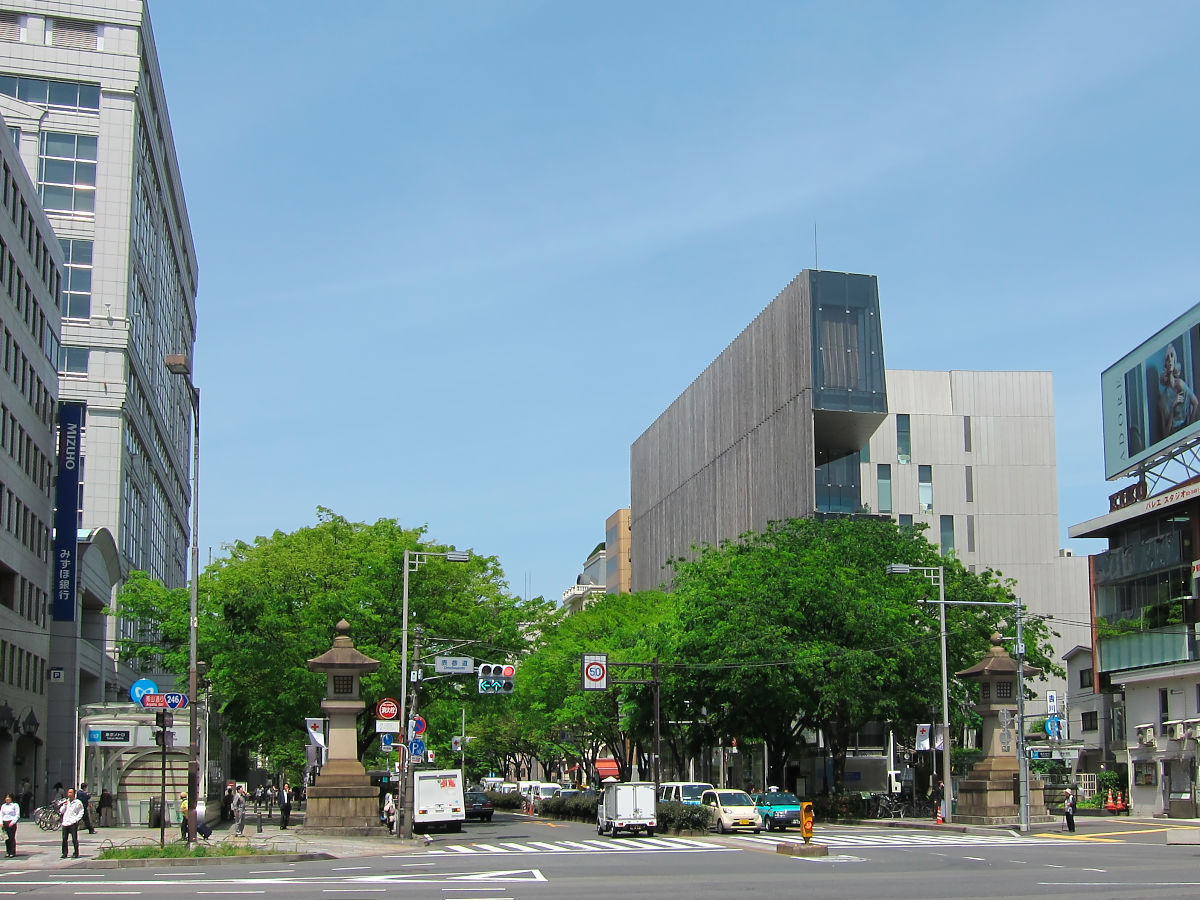
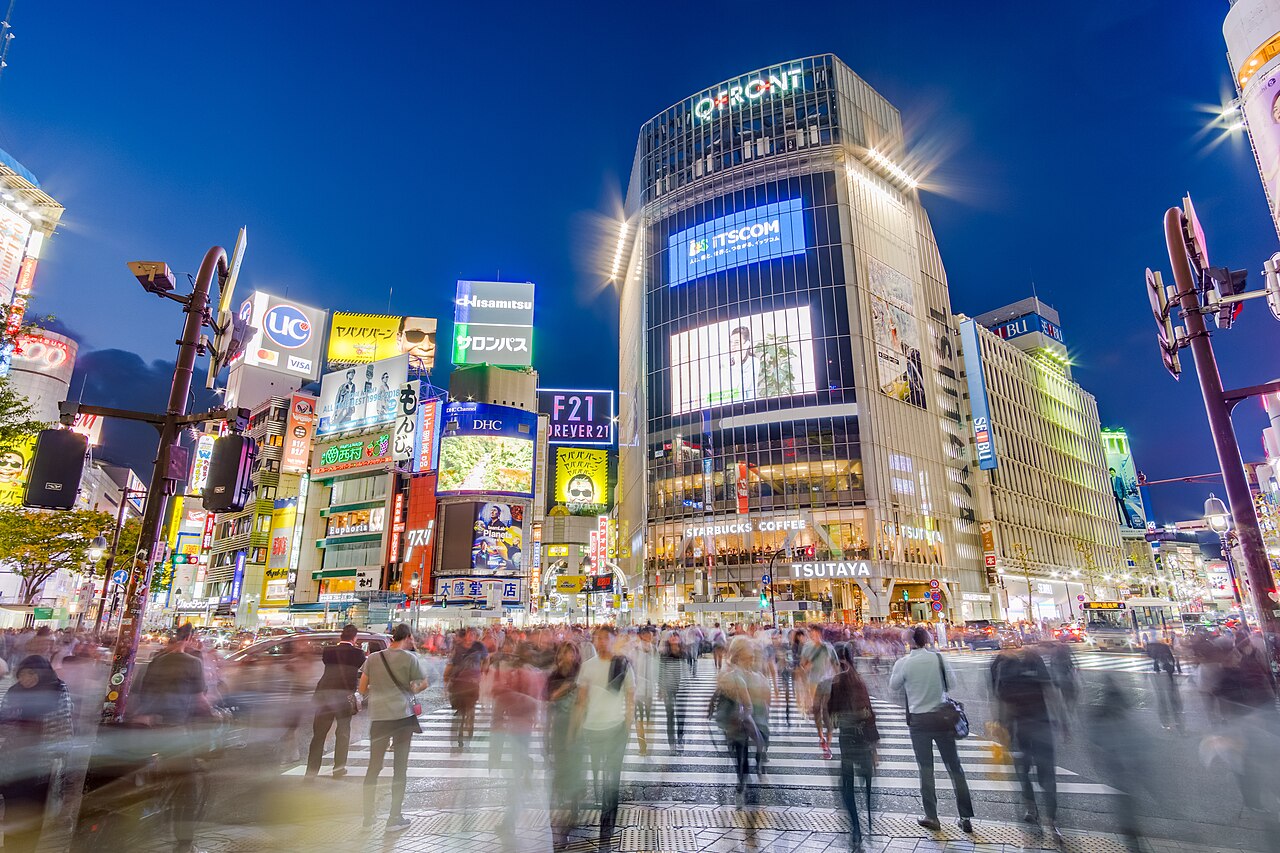
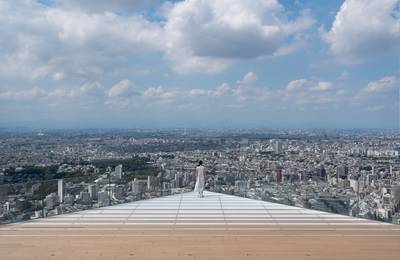
Shibuya – Famous crossing, shopping, Shibuya Sky observation deck. Omotesando – Upscale shopping avenue with modern architecture.
Evening
Shinjuku – Free observation deck at Tokyo Metropolitan Government Building. Dinner in Golden Gai or Omoide Yokocho.
Day 3: Waterfront & Choice
Morning
Ginza – Upscale shopping and traditional Kabukiza Theatre building. Imperial Palace East Gardens – Free entry, beautiful grounds.
Afternoon
Odaiba – Waterfront entertainment, teamLab museums, shopping malls. Rainbow Bridge views.
Evening
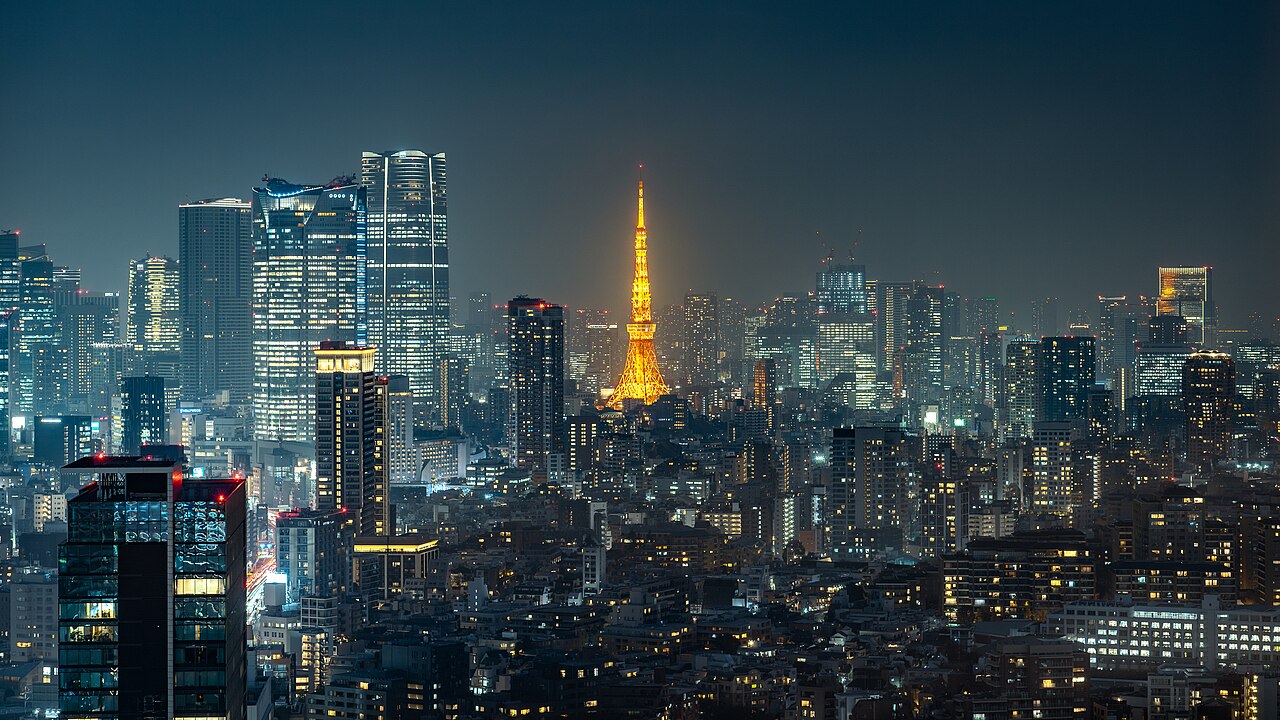
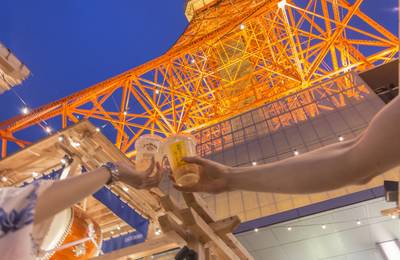
Tokyo Tower – Classic night view, or revisit favorite neighborhood from earlier days.
🎫 Top things to do in Tokyo
Reserve online ahead of time — popular slots sell out, and you skip the ticket line. Prices are a guide (from, USD); check the current price on Klook.

Affiliate links — we may earn a commission at no extra cost to you.
Tips
- Transport: 72-hour Tokyo Metro pass (¥1,500) covers most travel.
- Flexibility: Adjust based on weather. Rain days = more museum time.
Getting There
Starting Point
This itinerary assumes you are starting from central Tokyo. Most travelers base themselves near major hubs like Shinjuku, Shibuya, or Tokyo Station. Access to these areas is straightforward from both international airports using express trains or airport limousine buses.
From Narita Airport (NRT)
Recommended (Premium): Take the 🔴 Narita Express (N’EX) from Terminal 1 or 2 directly to Tokyo, Shinjuku, or Shibuya Stations in approximately 60–90 minutes. This is the most convenient option for reaching major hotels without transfers. Terminal 3 users must take a shuttle or walk to Terminal 2 first. Fastest (Premium): The 🔵 Keisei Skyliner reaches Ueno Station in approximately 40 minutes, requiring a transfer to reach other parts of the city. Budget: The 🟠 Keisei Access Express offers a cheaper route to Asakusa and Shinagawa via the subway network.
From Haneda Airport (HND)
Recommended (Mid-range): Take the 🔴 Keikyu Line from any terminal (T1, T2, T3) to Shinagawa Station in approximately 15–20 minutes. From Shinagawa, transfer to the 🟢 JR Yamanote Line to reach Tokyo, Shibuya, or Shinjuku. Alternative (Mid-range): The 🔵 Tokyo Monorail connects all terminals to Hamamatsucho Station in approximately 20 minutes, offering easy transfers to the JR Yamanote Line.
Useful Passes
For this 3-day itinerary, the Tokyo Subway Ticket (72-hour) is highly recommended for unlimited travel on Tokyo Metro and Toei Subway lines. Prepaid IC cards like Suica or PASMO are essential for JR lines (like the Yamanote Line) and private railways not covered by the subway pass. These cards are accepted on almost all trains, buses, and even at convenience stores throughout the Kanto region.
Sources
- Official guide: GO TOKYO
Last updated: 2026-02-03