
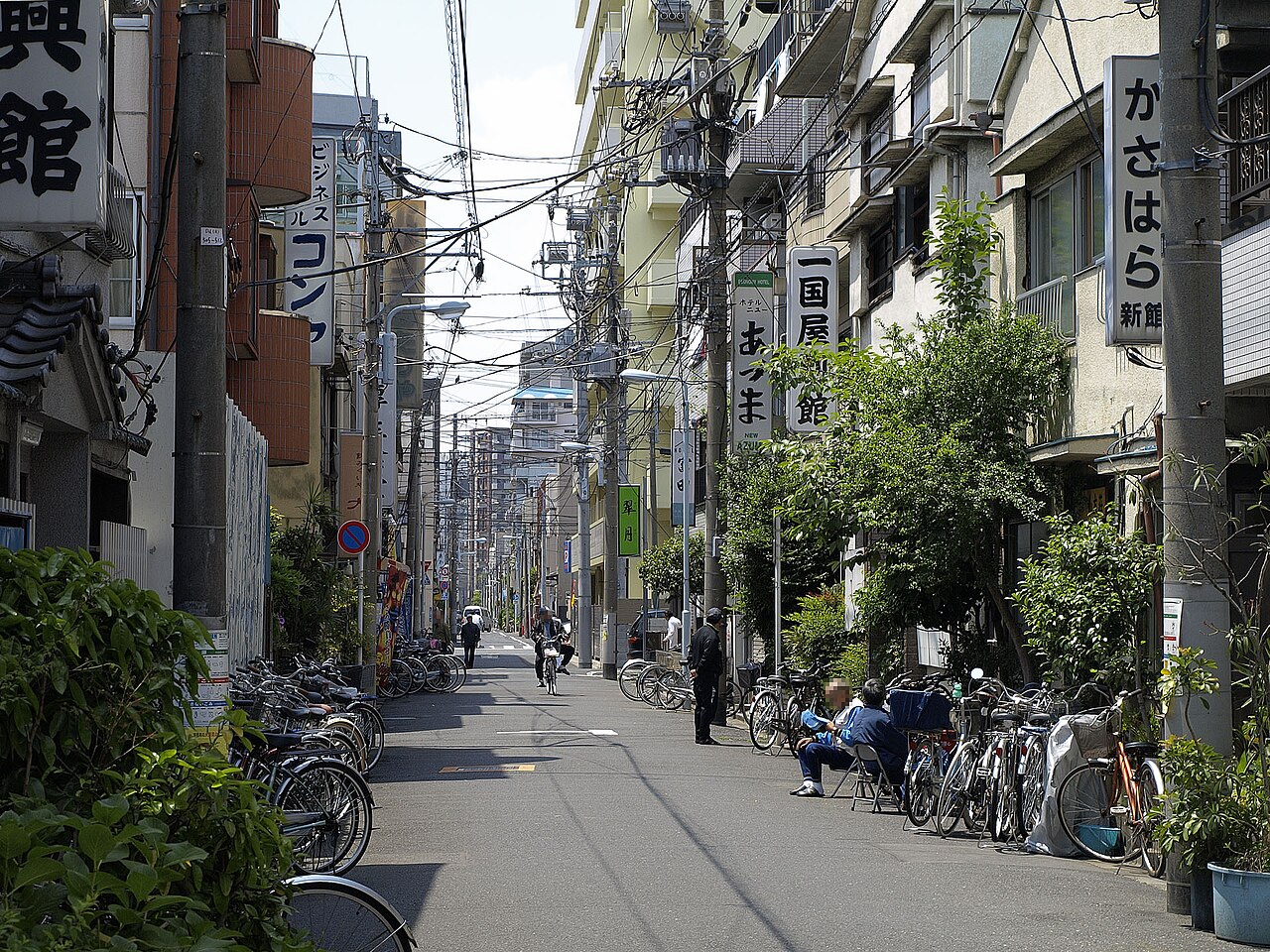
How to visit Tokyo affordably without sacrificing experience.
Budget Tips
Accommodation
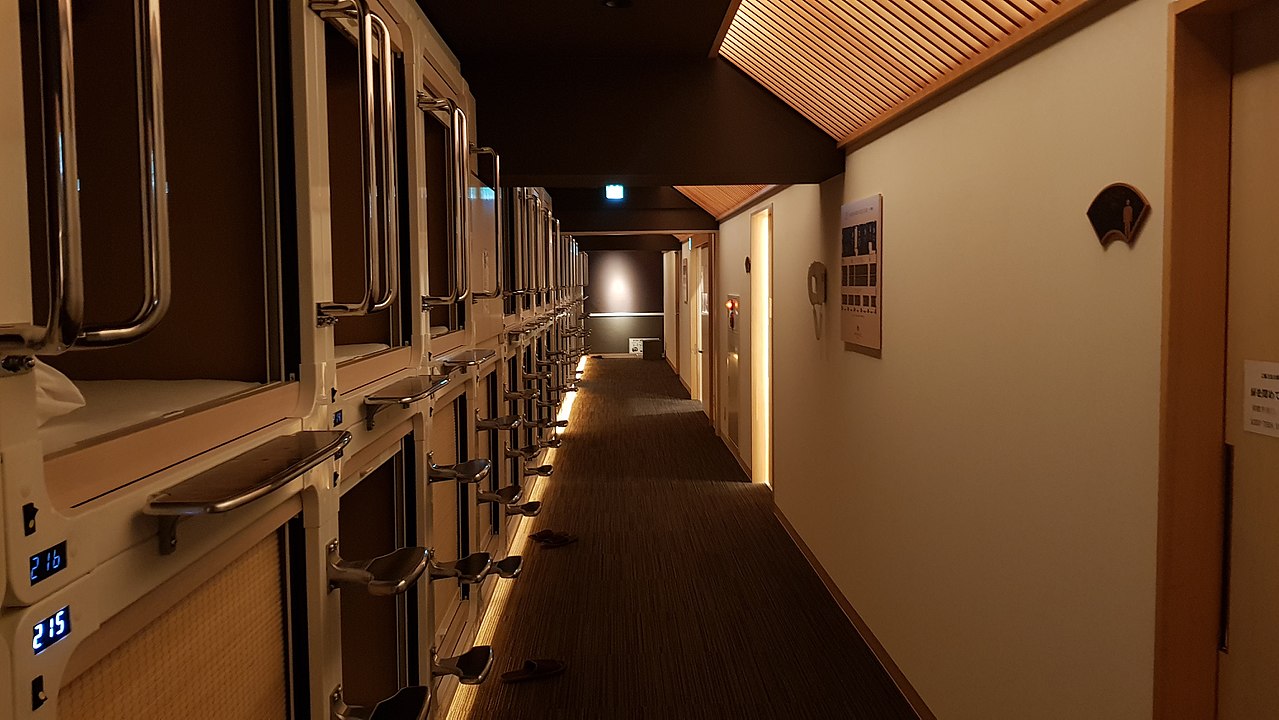
Capsule hotels, hostels, business hotels outside central areas.
Food
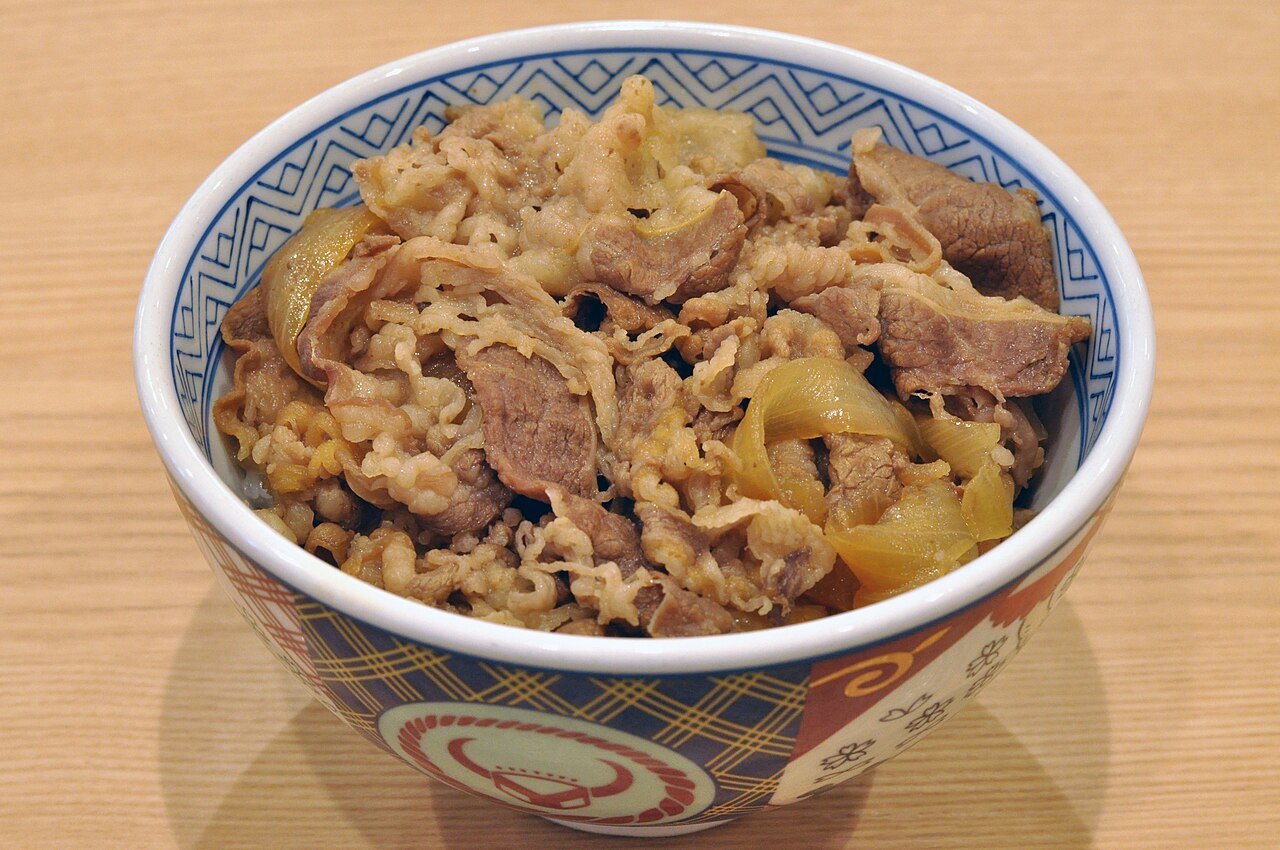
Convenience store meals (onigiri, bento). Standing soba/udon shops. Gyudon chains.
Free Attractions
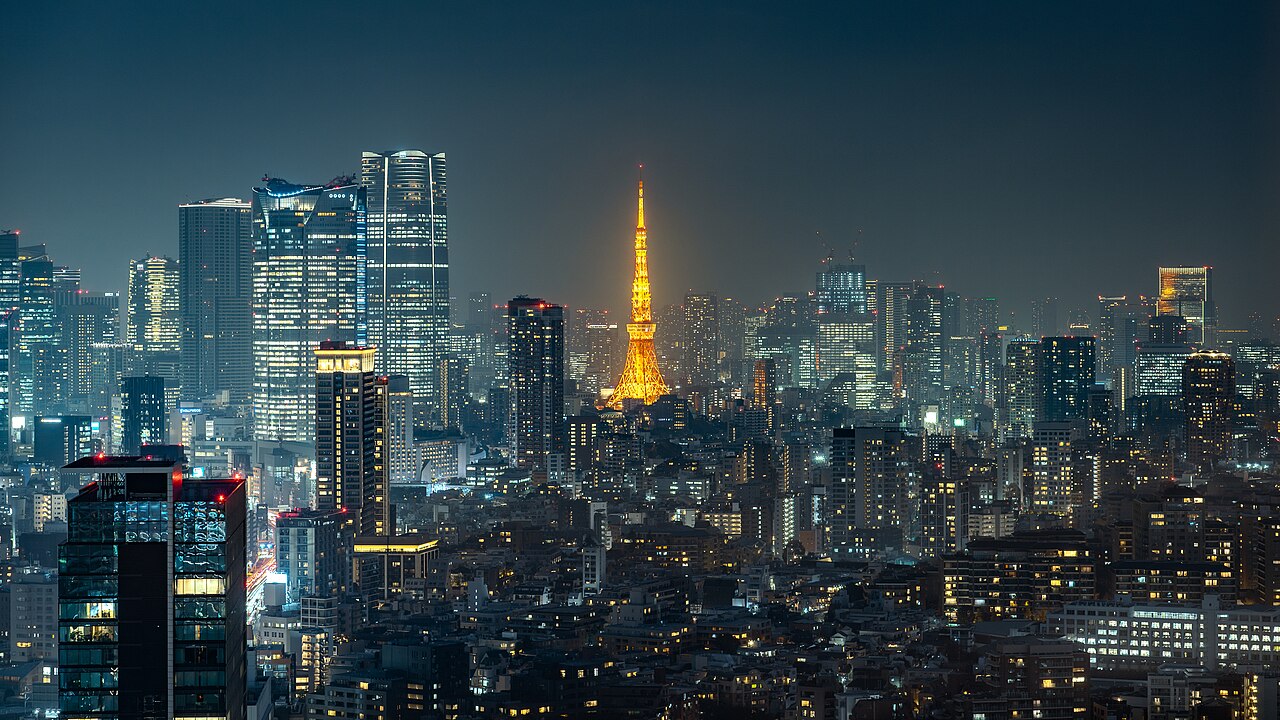
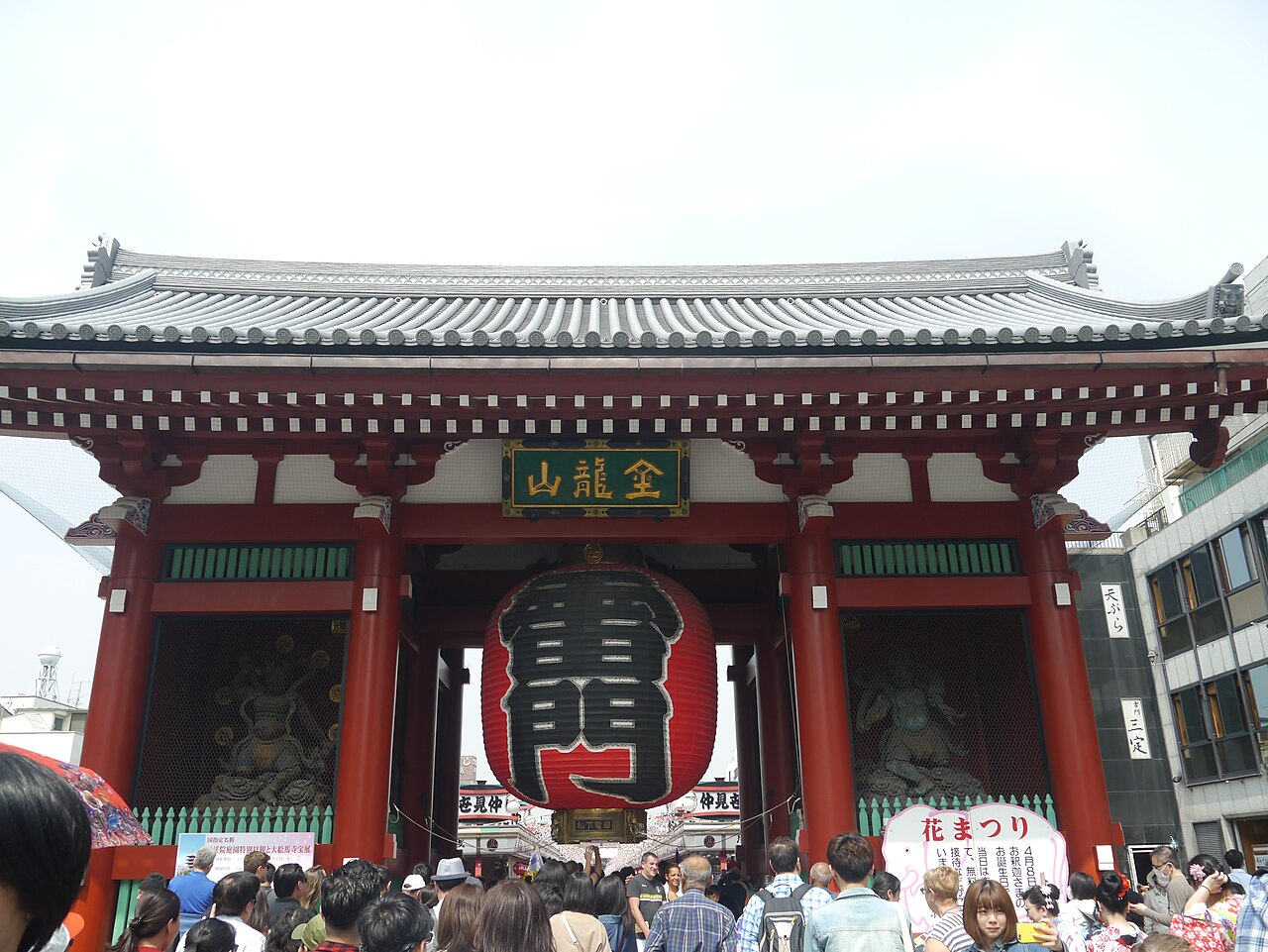
Meiji Shrine. Imperial Palace East Gardens. Senso-ji Temple. Tokyo Metropolitan Government Building observation deck.
Transport Savings
Walk between nearby stations. Use day passes for intensive sightseeing.
Average Costs
- Budget meal: ¥500-1000
- Train ride: ¥170-300
- Budget hotel: ¥3000-5000/night
Last updated: 2026-02-03
Getting There
Arriving in Tokyo
From Narita Airport (NRT): Recommended (Budget): The “Airport Bus TYO-NRT” (Low Cost Bus) connects all terminals (T1, T2, and T3) to Tokyo Station in approximately 65 minutes. This is often the most affordable direct option. Budget Train: The Keisei Main Line (blue) serves all terminals and reaches Ueno/Nippori in approximately 70–90 minutes at a low cost. Mid-range: The Keisei Access Express (orange stripe) is faster and connects directly to the Toei Asakusa Line subway network. Travelers on a strict budget should generally avoid the premium Narita Express (N’EX) or Keisei Skyliner due to higher surcharges.
From Haneda Airport (HND): Recommended (Budget/Mid-range): Take the Keikyu Line (red) from Terminal 1, 2, or 3 to Shinagawa Station in approximately 15–20 minutes. This is typically slightly cheaper than the Tokyo Monorail (light blue), which connects to Hamamatsucho Station. Both are affordable and accept IC cards.
Getting Around on a Budget
Tokyo Subway Ticket: For the best value, purchase a 24, 48, or 72-hour Tokyo Subway Ticket. This pass offers unlimited rides on all Tokyo Metro and Toei Subway lines (13 lines total) for a fixed price, significantly reducing travel costs for active sightseers. Note that this pass does not cover JR lines.
JR Tokunai Pass: If your day involves mostly JR lines like the Yamanote Line (light green) or Chuo Line (orange), the 1-day Tokunai Pass provides unlimited travel on JR trains within the 23 special wards of Tokyo.
IC Cards: While they do not offer significant discounts, using a Suica or PASMO card is highly recommended for convenience. They save time buying individual tickets and are accepted on virtually all trains, buses, and at convenience stores throughout the Kanto region.
Getting There
Arriving in Tokyo
From Narita Airport (NRT): For budget travelers, the Recommended (Budget) option is the “Low Cost Bus” (Airport Bus Tokyo-Narita), which connects all terminals (T1, T2, and T3) to Tokyo Station in approximately 65–80 minutes. By train, the Keisei Main Line (Limited Express) to Ueno is the most affordable rail option, taking approximately 70–90 minutes. The 🟠 Keisei Access Express offers a balance of speed and cost (Mid-range). Note that Terminal 3 (LCC terminal) requires a shuttle or walk to Terminal 2 for train access.
From Haneda Airport (HND): Recommended (Budget/Mid-range): Take the 🔴 Keikyu Line from any terminal (T1, T2, T3) to Shinagawa Station in approximately 15–20 minutes. This is generally cheaper than the 🔵 Tokyo Monorail, though the Monorail is a valid alternative reaching Hamamatsucho in approximately 20 minutes. Taxis are significantly more expensive and are not recommended for budget travel.
Getting Around on a Budget
To save money on transportation within Tokyo, consider the Tokyo Subway Ticket (available for 24, 48, or 72 hours), which offers unlimited rides on all Tokyo Metro and Toei Subway lines. While it does not cover JR lines (like the 🟢 JR Yamanote Line), it offers substantial savings for tourists visiting multiple districts.
For general travel, prepaid IC cards (Suica or PASMO) are essential for convenience on trains and buses. While they do not offer significant fare discounts, they allow for seamless transfers between different railway companies. They are accepted on almost all transit systems in the Kanto region.
🎫 Budget-friendly passes and top sights in Tokyo
Reserve online ahead of time — popular slots sell out, and you skip the ticket line. Prices are a guide (from, USD); check the current price on Klook.

Affiliate links — we may earn a commission at no extra cost to you.