
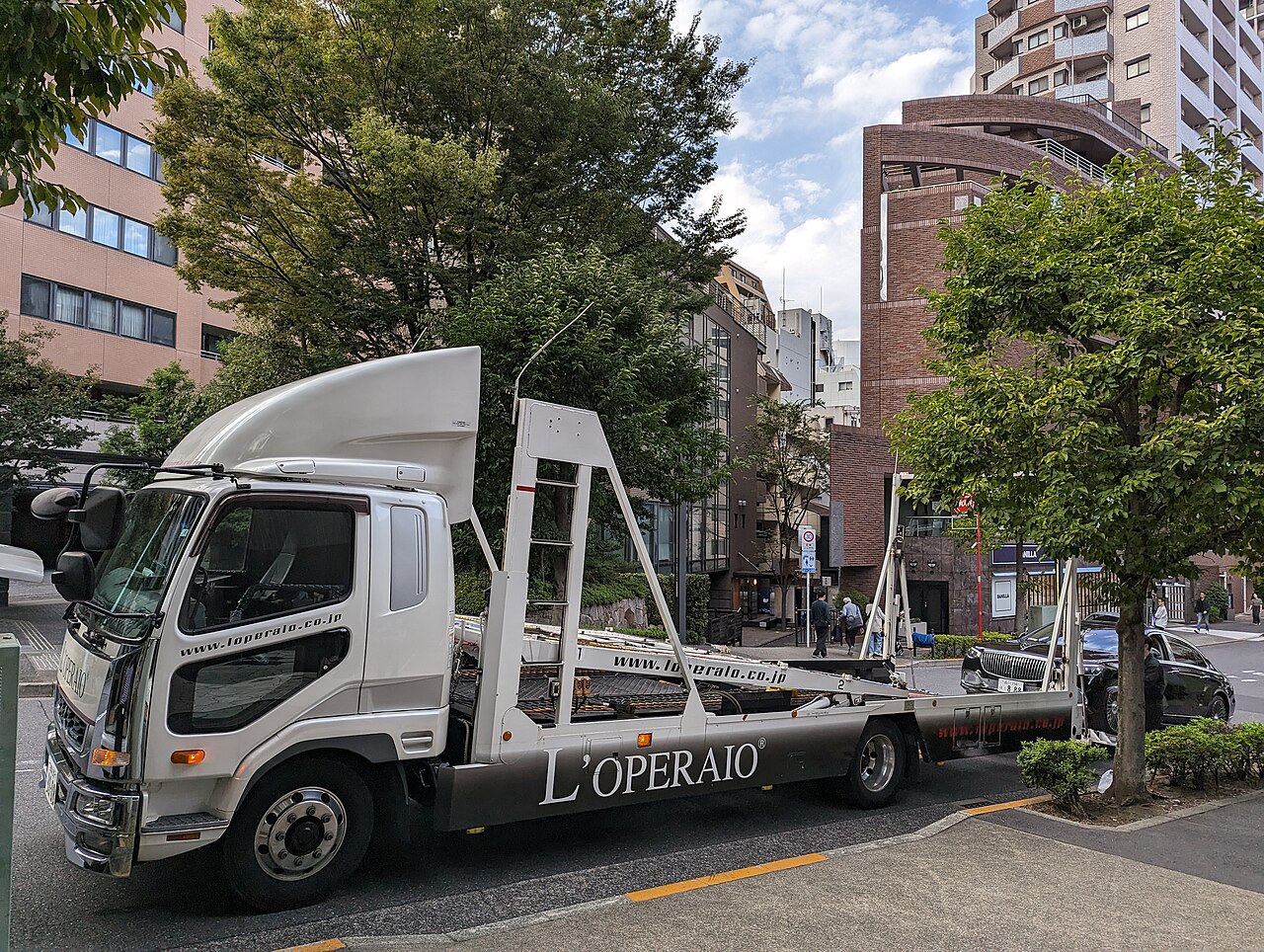
Guide to navigating Tokyo using public transportation only.
Overview
Tokyo has one of the world best public transit systems. A car is unnecessary and often impractical due to traffic and parking costs.
Transportation Options
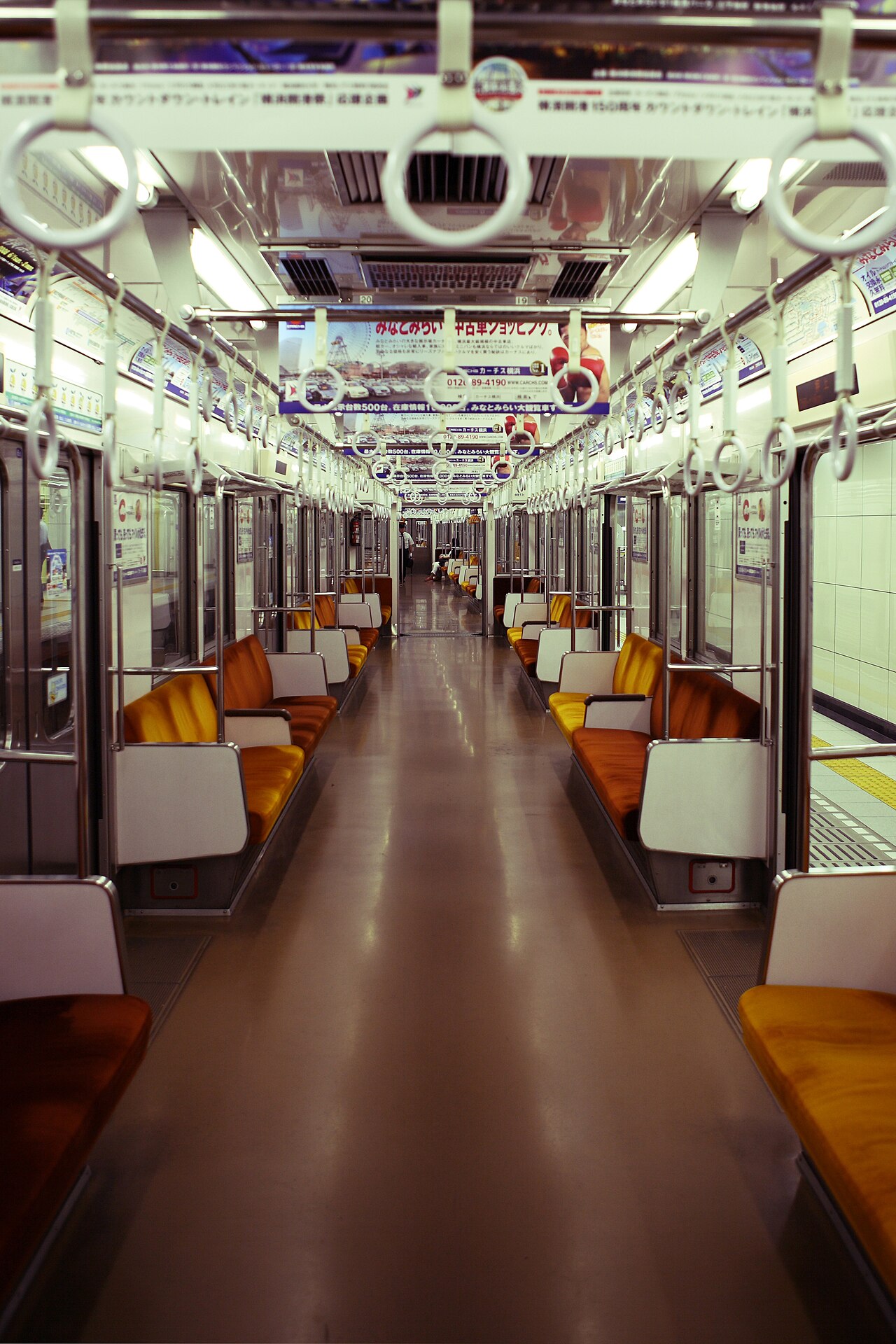
Trains
JR lines, Tokyo Metro, and Toei lines cover the city. IC cards (Suica/Pasmo) work on all systems.
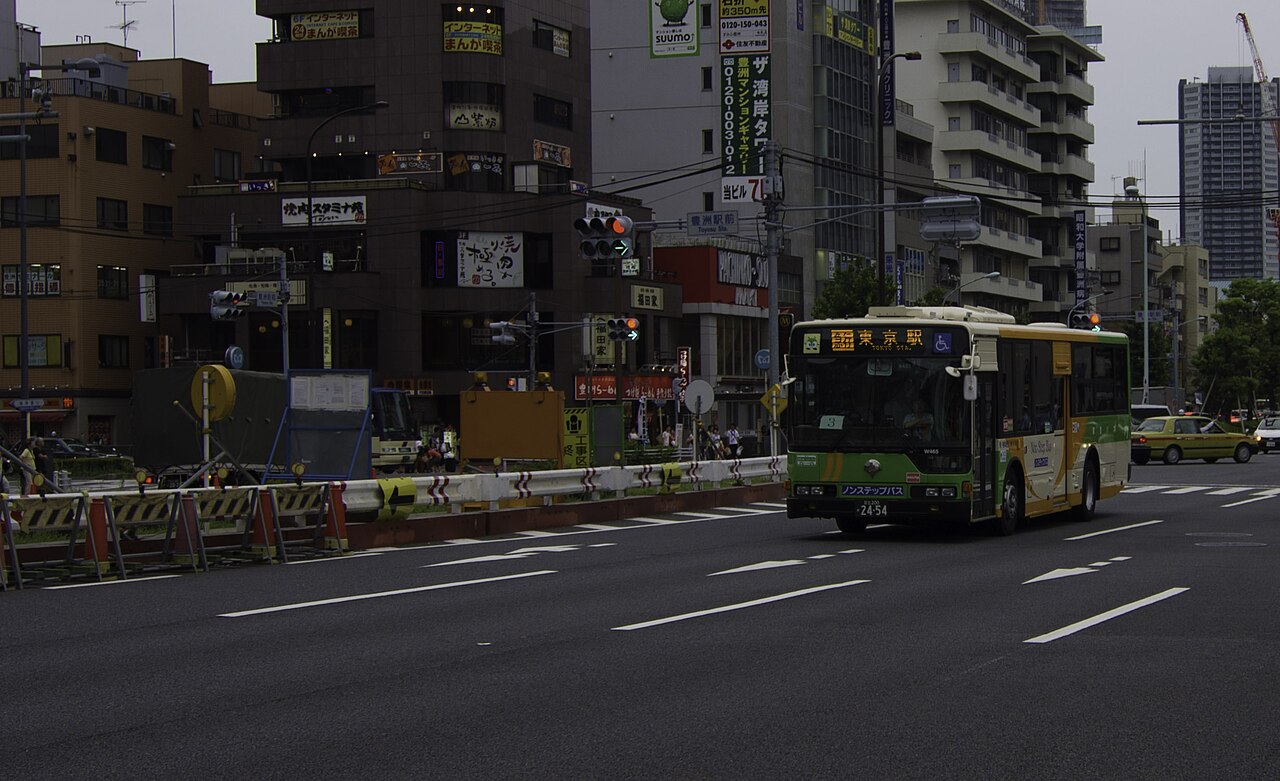
Buses
Useful for areas trains miss. IC cards accepted.
Walking
Many attractions clustered in walkable areas.
🎫 Get around Tokyo without a car
Reserve online ahead of time — popular slots sell out, and you skip the ticket line. Prices are a guide (from, USD); check the current price on Klook.


Affiliate links — we may earn a commission at no extra cost to you.
Tips
- Avoid rush hours (7:30-9:30am, 5:30-8pm)
- Download transit apps (Google Maps, Japan Transit)
- Last trains around midnight
Last updated: 2026-02-03
Getting There
Arriving in Tokyo
Reaching central Tokyo from the airports is efficient and car-free travel is the norm.
From Narita Airport (NRT): Recommended (Premium): Take the JR Narita Express (N’EX) (red & white) from Terminal 1 or 2 directly to major hubs like Tokyo Station, Shinjuku, and Shibuya in approximately 60–90 minutes. Terminal 3 users must take a shuttle or walk to Terminal 2. Mid-range: The Keisei Skyliner (blue stripe) is the fastest option to Nippori and Ueno stations (approximately 40 minutes), offering easy transfers to the JR Yamanote Line.
From Haneda Airport (HND): Recommended (Mid-range): Take the Keikyu Line (red) from any terminal (T1, T2, T3) to Shinagawa Station in approximately 15–20 minutes. This connects directly to the JR Yamanote Line loop. Alternatively, the Tokyo Monorail (light blue) reaches Hamamatsucho Station in approximately 20 minutes.
Getting Around
Tokyo possesses one of the world’s most extensive public transport networks, making a car unnecessary for most tourists.
Key Lines: The JR Yamanote Line (light green) is a loop line connecting major city centers including Shinjuku, Shibuya, and Tokyo Station. For destinations inside the loop, the Tokyo Metro and Toei Subway lines provide dense coverage. Key subway lines include the Ginza Line (orange) and Marunouchi Line (red).
Payment & Passes: An IC card (Suica or PASMO) is essential for seamless travel; simply tap in and out at ticket gates. These are accepted on virtually all trains, subways, and buses in the Kanto region. For heavy subway users, the “Tokyo Subway Ticket” offers unlimited rides on Metro and Toei lines for 24, 48, or 72 hours.
Getting There
Arriving in Tokyo
From Narita Airport (NRT): Recommended (Premium): Take the 🔴 Narita Express (N’EX) directly to major hubs like Tokyo Station, Shinjuku, and Shibuya in approximately 60–90 minutes. It serves Terminals 1 and 2 directly (Terminal 3 requires a shuttle transfer). Fastest (Premium): The 🔵 Keisei Skyliner reaches Ueno Station in approximately 40 minutes. Budget: The 🔵 Keisei Main Line offers a slower but cheaper route to Ueno.
From Haneda Airport (HND): Recommended (Mid-range): Take the 🔴 Keikyu Line to Shinagawa Station in approximately 15–20 minutes for easy transfers to the JR network. Alternatively, the 🔵 Tokyo Monorail connects to Hamamatsucho Station in approximately 15–20 minutes. Both lines serve Terminals 1, 2, and 3.
Getting Around Without a Car
Tokyo possesses one of the world’s most efficient public transport networks, making a car unnecessary for most visitors. The 🟢 JR Yamanote Line is a loop line connecting major city centers like Shinjuku, Shibuya, and Tokyo Station. For inner-city travel, the subway network—including the 🟠 Tokyo Metro Ginza Line and 🔴 Tokyo Metro Marunouchi Line—is extensive and reliable.
Essential Tools: Purchase a prepaid IC card (Suica or PASMO) immediately upon arrival. These are accepted on almost all trains, subways, and buses in the Kanto region. For heavy subway users, the “Tokyo Subway Ticket” (24, 48, or 72-hour passes) offers unlimited rides on Tokyo Metro and Toei Subway lines, providing excellent value for tourists.