
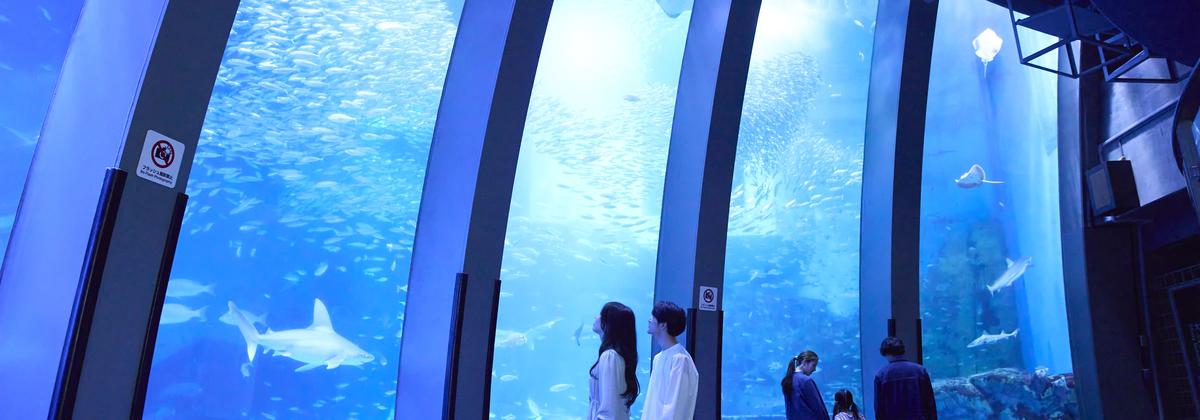
Yokohama is Japan’s second-largest city by population and sits close enough to Tokyo — around half an hour by train from Shibuya or Tokyo Station — that many people treat it as a day trip rather than a destination in its own right. That undersells it. Yokohama was one of the first ports opened to foreign trade in 1859, and the century and a half since has left it with a character no other Japanese city quite shares: the largest Chinatown in the country, a hillside of Western merchant houses, a redeveloped harbour of glass towers, and a waterfront promenade that is genuinely pleasant to walk end to end. It works as an easy half-day, but a full day and an evening suit it better.
Yokohama is Tokyo’s cosmopolitan port neighbour — a breezy waterfront of Minato Mirai, historic gardens, a ramen museum and easy day-trip attractions, all a short train ride from central Tokyo.
Some links below are affiliate links — we may earn a small commission at no cost to you. Prices are a guide (from USD); check the latest on Klook.
Waterfront & attractions
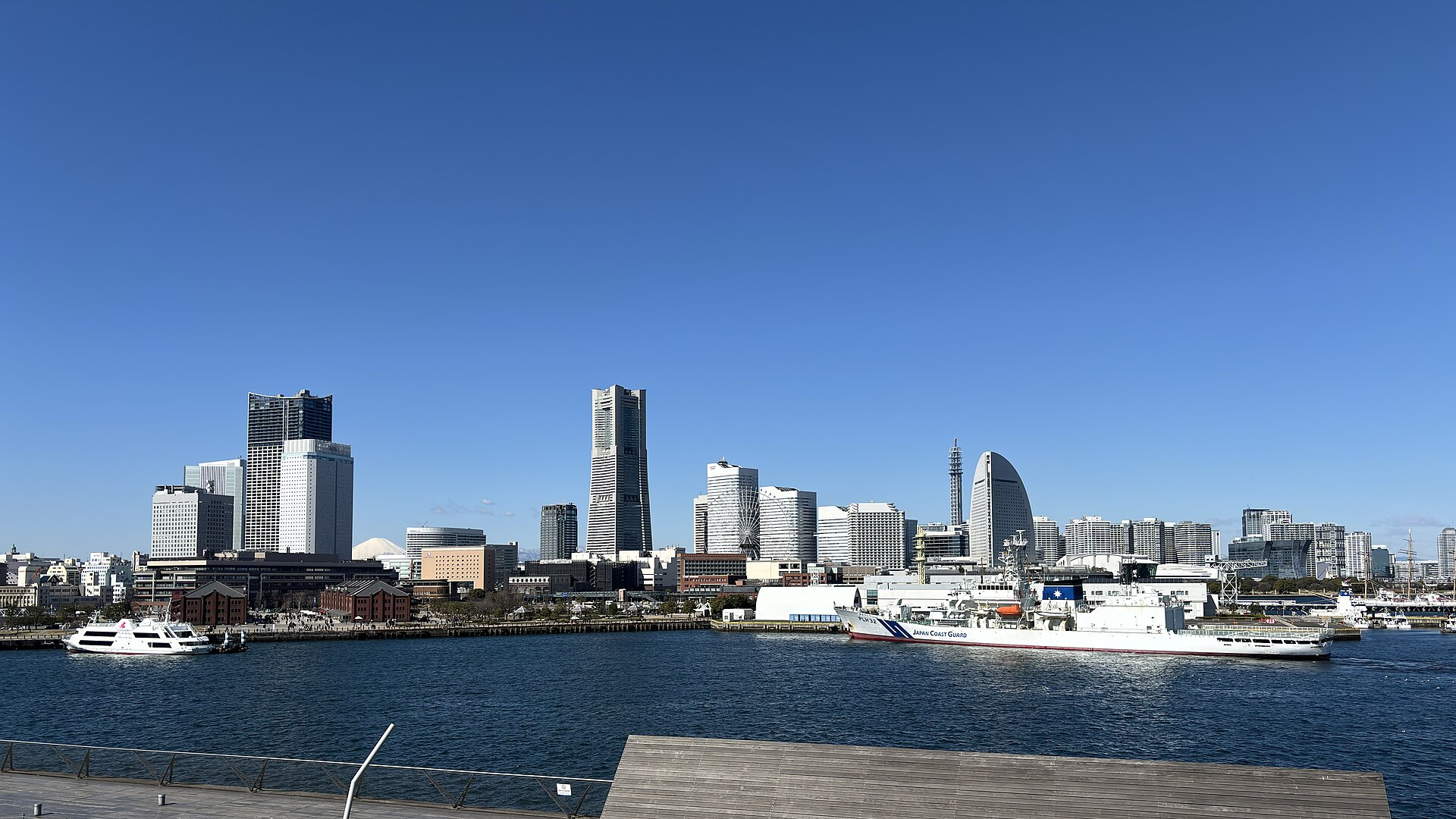
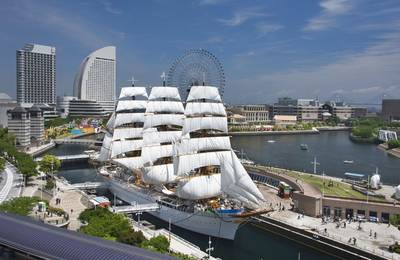
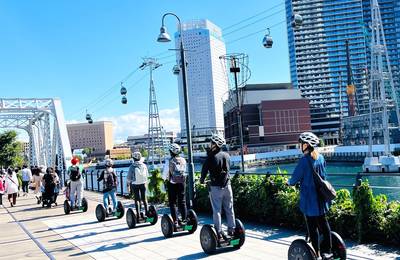
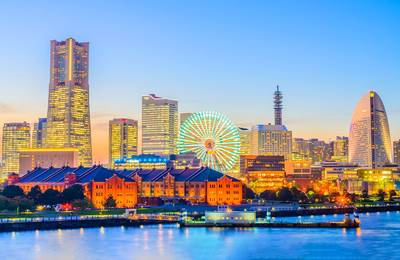
Minato Mirai is the reclaimed harbour district that forms the modern face of the city, built around the Landmark Tower, the Cosmo Clock 21 ferris wheel and the two restored Red Brick Warehouses that now hold shops and event space. The waterfront path links these to Osanbashi Pier, whose wooden deck is free to walk and gives the best wide view back at the skyline, particularly after dark when the towers light up. Further along, Yamashita Park runs beside the water with the retired liner Hikawa Maru moored at its edge, and the Cup Noodles Museum and the sail training ship Nippon Maru sit within the same walking radius. Ticketed attractions each keep their own schedule and closing days, so confirm on their official pages if something specific is on your list.

Food & fun
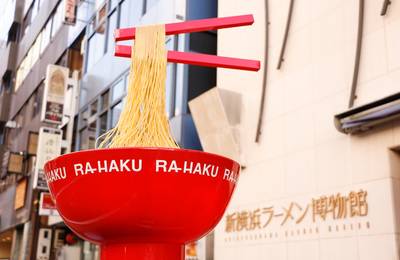
Yokohama Chinatown is the largest in Japan, several hundred restaurants and shops packed into a grid of gated streets, and it is the obvious place to eat — steamed buns and shumai from street windows if you are grazing, a proper sit-down banquet if you are not. The city also claims iekei ramen, a soy-and-pork-bone hybrid style with thick noodles that has since spread nationwide, and the Shin-Yokohama Ramen Museum presents regional bowls from around the country inside a recreated 1950s streetscape. For a drink with a view, the bars in the Minato Mirai towers and the restaurants along the Red Brick Warehouses both work well. Weekend evenings in Chinatown get busy, and many of the smaller shops there prefer cash.

More to see
Away from the harbour, Sankeien is a large traditional garden laid out by a silk merchant in the early twentieth century and assembled from historic buildings relocated from Kyoto and elsewhere; it is at its best in plum and cherry season, and again for autumn colour. The Yamate bluff above Motomachi preserves a row of Western-style residences from the treaty-port years, most of them free to enter, and the Foreign General Cemetery nearby tells the same history more soberly. Motomachi itself is a long shopping street with a distinctly old-Yokohama feel. Further out, the Kanagawa hinterland offers illumination parks and hiking, and Kamakura’s temples and Great Buddha are roughly half an hour south by train.
Good to know
Yokohama has two main gateways — Yokohama Station for JR and the private lines, and Sakuragicho or Minatomirai Station for the harbour district — and it is worth checking which is closer to your hotel before booking. The Minatomirai Line connects through to the Tokyu Toyoko line from Shibuya, so no transfer is needed from central Tokyo. The whole waterfront is walkable, and a Sea Bass water bus links Yokohama Station, the Red Brick Warehouses and Yamashita Park when the weather cooperates. Summer brings humidity and occasional typhoons, and the harbour is at its most comfortable in spring and autumn. Fireworks and marathon days close sections of the waterfront, so check the city event calendar if you are travelling on a weekend.
- Yokohama is about 30 minutes from central Tokyo by train.
- Minato Mirai and the Red Brick Warehouse are best in the evening.
- Sankeien Garden and Hakkeijima are further out — allow travel time.
Related guides
The guides below cover Tokyo and the wider Kanagawa area, which most visitors combine with a stop in Yokohama.
Last updated: 2026-08-08