
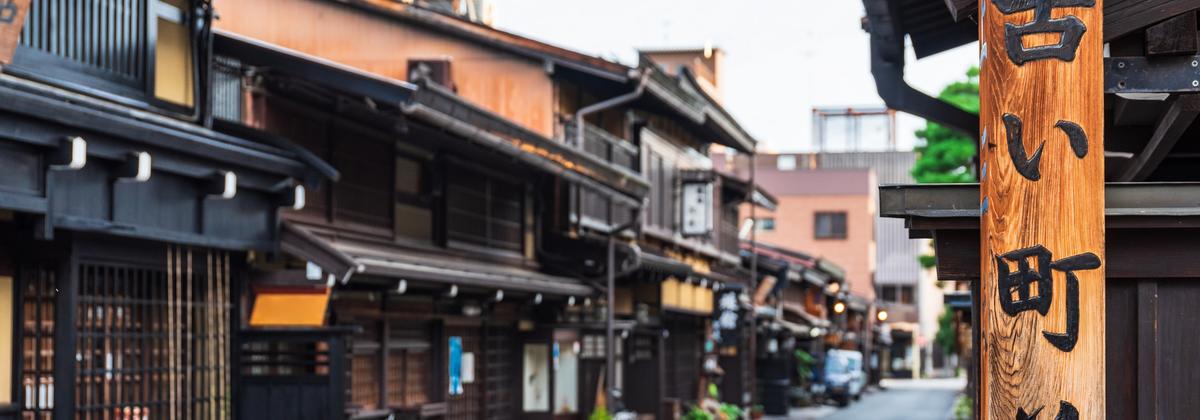
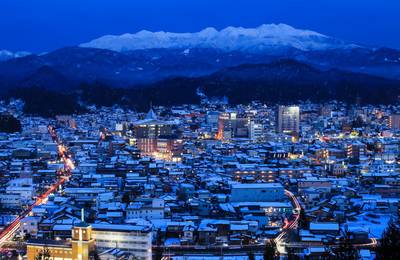
Takayama sits in the Hida region of northern Gifu Prefecture, ringed by the Japan Alps and historically cut off from the rest of the country by them. That isolation is why the town still looks the way it does. Hida was governed directly by the shogunate rather than by a local lord, its carpenters were famous enough to be conscripted for building projects in the capital, and the merchant quarter they built has survived largely intact into the present. Add Shirakawa-go’s thatched farmhouses an hour away, a pair of festivals with floats considered among the finest in Japan, and hot springs in every direction, and a town of under ninety thousand people justifies two or three days rather than the half-day most itineraries give it.
Takayama is a beautifully preserved castle town in the Hida mountains, famous for its old merchant streets, morning markets and sake breweries — and the gateway to the thatched-roof villages of Shirakawa-go.
Some links below are affiliate links — we may earn a small commission at no cost to you. Prices are a guide (from USD); check the latest on Klook.
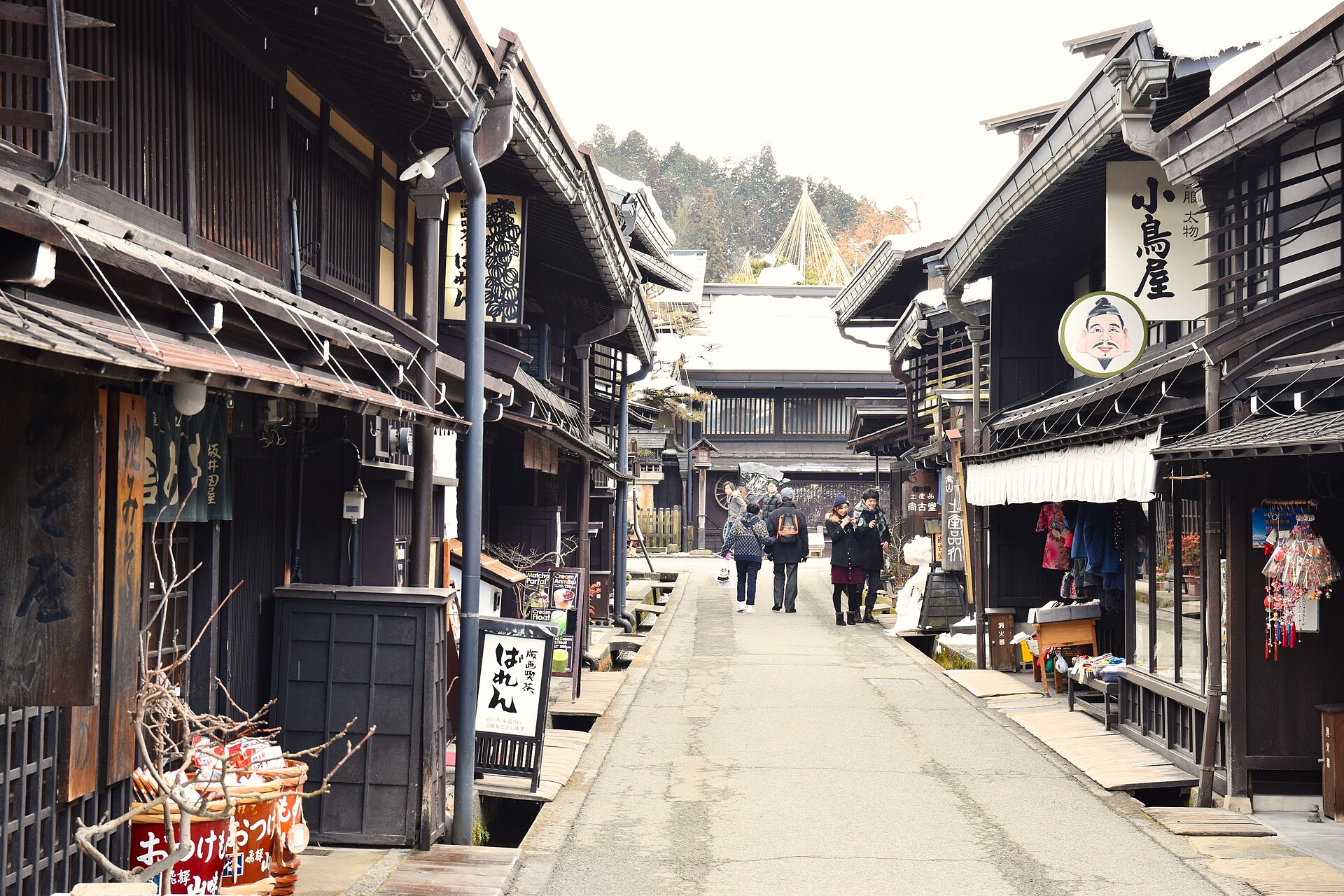
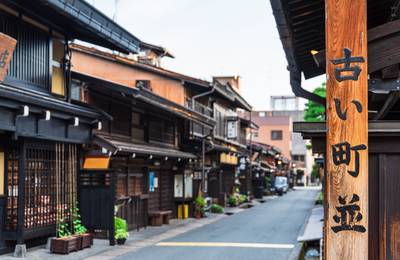
Takayama old town
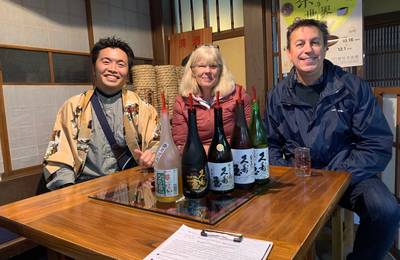
Sanmachi Suji is the preserved merchant district — three narrow parallel streets of dark wooden buildings with latticed fronts, most now sake breweries, craft shops and cafes, several still operating as the same family businesses. The sake breweries are identifiable by the cedar ball hung above the door, which is fresh and green when the new season’s brew is ready and browns as the year goes on; many offer small paid tastings.
Beyond the old town, Takayama Jinya is the only surviving provincial government house from the Edo period, preserving the offices, rice storehouses and interrogation room of shogunal administration. The Yatai Kaikan displays several of the festival floats in rotation, which is the only way to see them outside the two festival days. Morning markets run daily along the Miyagawa river and in front of the Jinya, typically finishing around midday.
Shirakawa-go & Hida
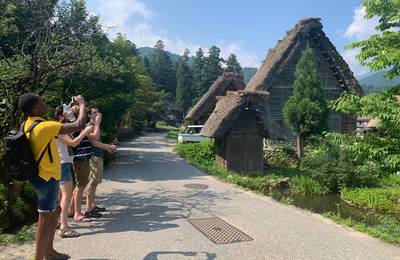
Shirakawa-go is a valley of gassho-zukuri farmhouses — steep thatched roofs angled like praying hands to shed the region’s heavy snow — designated a UNESCO World Heritage site in 1995. Ogimachi is the main village, and the viewpoint above it gives the photograph everyone comes for. Some houses are open as museums, and a small number take overnight guests, which is the better way to see the place once the day buses leave.
Buses run from Takayama in roughly fifty minutes and are the standard access; reservations are advisable in peak season. Nearby, Hida Furukawa is a quieter version of Takayama with white-walled storehouses along a carp-filled canal, and the Hida Folk Village on the edge of Takayama assembles relocated farmhouses in an open-air setting. Winter illumination evenings at Shirakawa-go require advance application and sell out early.
Hot springs & hiking
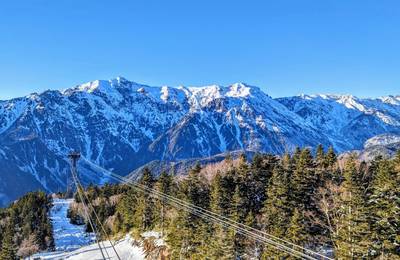
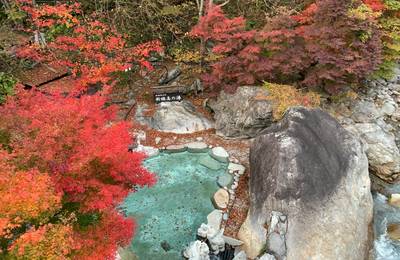
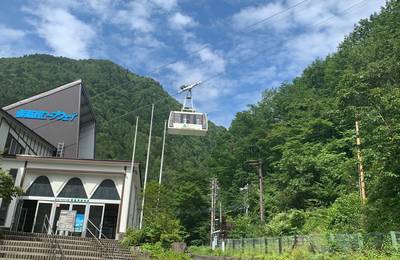
The mountains around Takayama are full of hot springs. Okuhida, a group of five onsen villages north-east of the town, is the best known, and the Shinhotaka Ropeway there climbs to over two thousand metres in a double-decker cabin for a view across the Northern Alps that is accessible without any climbing at all. Gero Onsen, an hour south by train, has been ranked among Japan’s three finest hot springs since the seventeenth century.
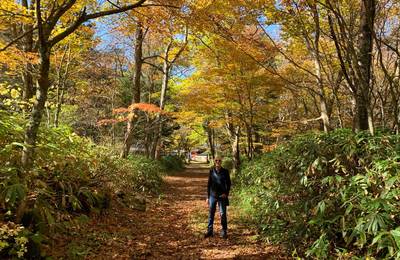
For walkers, Kamikochi is reachable from Takayama by bus through Hirayu in the open season, and shorter trails run from the Shinhotaka top station. Snow closes many of the high routes from roughly December to April, and ropeway operations pause for maintenance at set periods each year, so check current status before committing to a mountain day.
Good to know
Takayama is around two and a half hours from Nagoya on the Hida limited express, a scenic run along the Kiso and Hida rivers, and is also reachable by bus from Tokyo, Kanazawa and Matsumoto. The town centre is small enough to cover on foot, and bicycles are widely rented. Hida beef is the local speciality and appears everywhere from formal restaurants to skewers sold on the street in Sanmachi; mitarashi dango and hoba miso grilled on a magnolia leaf are the other things to try.
The spring and autumn Takayama festivals, in mid-April and mid-October, fill every room in the region months ahead. Winters are snowy and cold but the old town looks its best then. Many shops close by early evening, so plan dinner accordingly.
- Takayama’s morning markets and sake breweries are walkable from the station.
- Shirakawa-go pairs well with Takayama on the same trip.
- Autumn colours and winter light-ups are the peak seasons.
Related guides
The guides below cover the neighbouring alpine regions and the gateway cities most often paired with a Takayama stay.
Last updated: 2026-08-08