Nagano Prefecture is Japan’s mountain interior — landlocked, high, and colder than almost anywhere else on Honshu — and it packs an unusual amount into a small area: an original sixteenth-century castle at Matsumoto, one of the country’s most important temples at Zenko-ji, an alpine valley at Kamikochi that many consider the finest scenery in Japan, and a troop of macaques that bathe in a hot spring through the winter. The 1998 Winter Olympics left the region with good rail and road access, and Nagano city is around ninety minutes from Tokyo by Shinkansen. Seasons matter here more than in most of Japan: several of the best places are simply closed in winter, and others are only worth visiting then.
Nagano is Japan’s mountain heart — home to Matsumoto’s black castle, the snow monkeys of Jigokudani, the Kamikochi valley in the Northern Alps and the resort town of Karuizawa.
Some links below are affiliate links — we may earn a small commission at no cost to you. Prices are a guide (from USD); check the latest on Klook.
Matsumoto & the castle
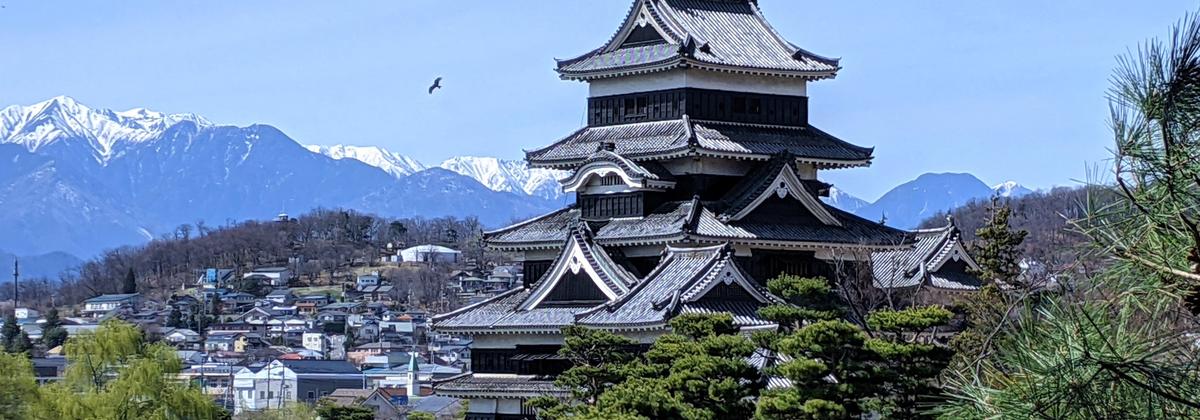
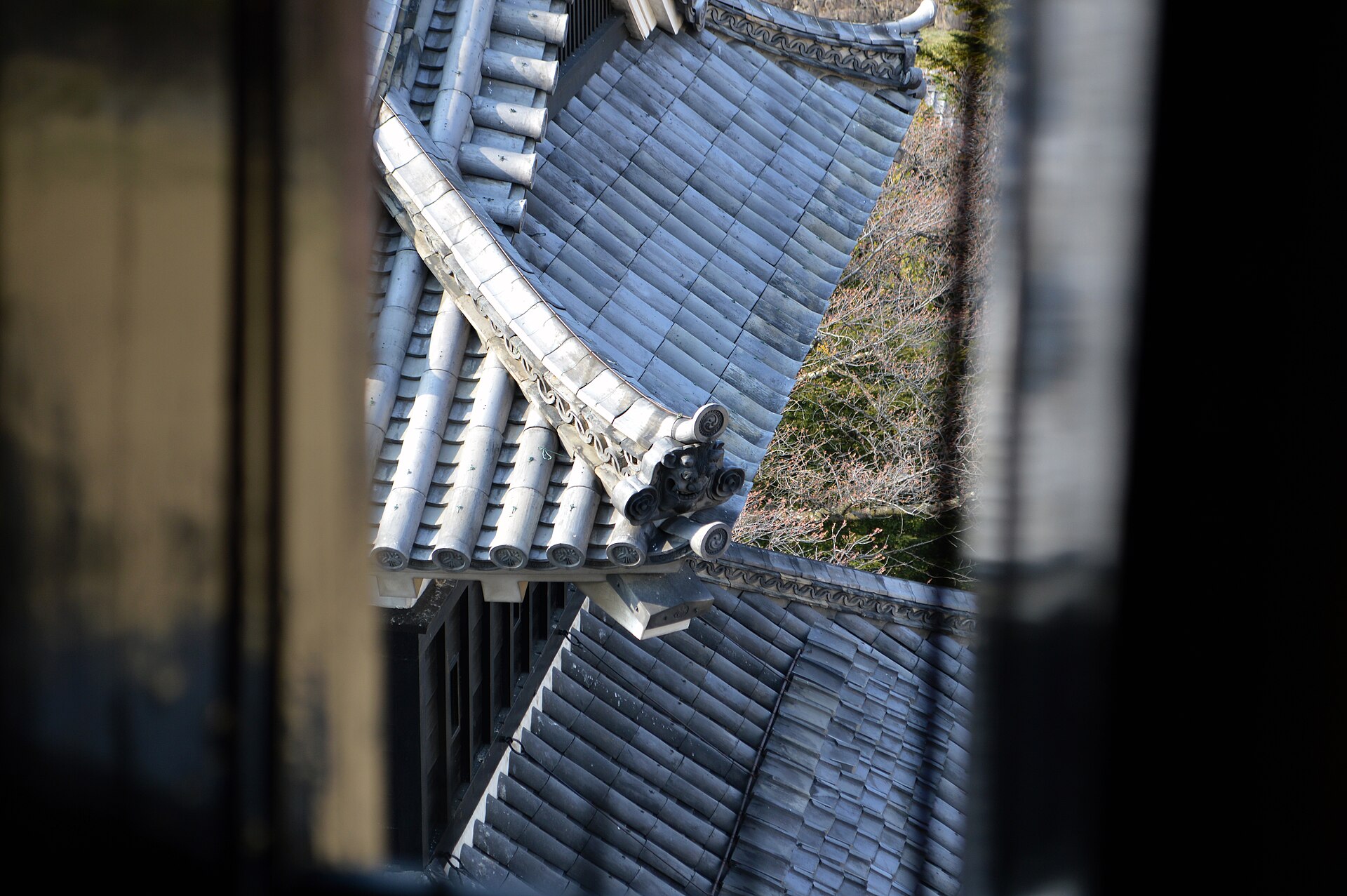
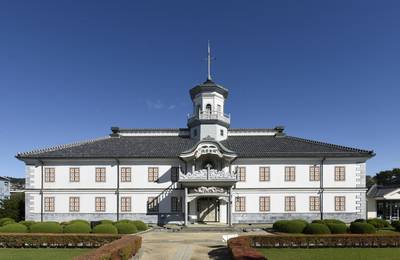
Matsumoto Castle is one of a handful of Japanese keeps that survive in original form rather than reconstruction, and its black lacquered walls have earned it the nickname Crow Castle. Built from the 1590s, it sits in a moat with the Northern Alps behind it, and the interior climb passes through steep wooden stairs, arrow slits and a moon-viewing room added in more peaceful years. The town around it is worth an afternoon in its own right: Nakamachi and Nawate streets preserve white-walled merchant storehouses now given over to cafes and craft shops, and the Japan Ukiyo-e Museum holds a large private woodblock print collection. Matsumoto is about three hours from Tokyo by limited express, and castle entry can be capped at busy times.
Snow monkeys & Zenko-ji
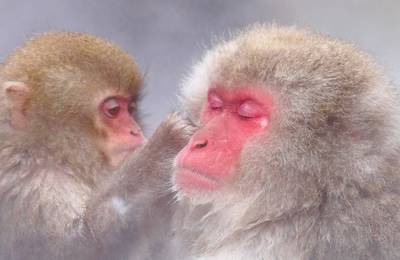
Jigokudani Monkey Park, near Yudanaka in the north of the prefecture, is where Japanese macaques sit in a hot-spring pool with snow on their heads — an image that has travelled worldwide. The monkeys are wild and visit the pool on their own schedule, so sightings are likely but not guaranteed, and the approach is a walking trail of roughly thirty minutes from the car park that can be icy in winter. Zenko-ji, in Nagano city itself, is a pilgrimage temple that predates the split of Japanese Buddhism into sects and therefore admits all of them; its main hall houses a hidden Buddha image never shown publicly, and a pitch-dark underground passage beneath the altar is walked by touch. Check winter access conditions before setting out for the monkeys.
Kamikochi & the Alps
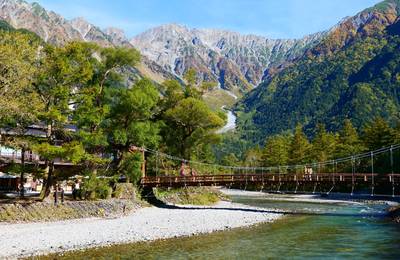
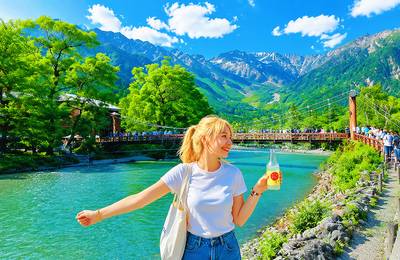
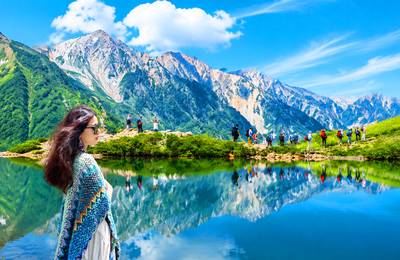
Kamikochi is a high valley in the Northern Japan Alps, closed to private cars and reached by bus or taxi through a tunnel, and it is open only from roughly mid-April to mid-November. The classic view is from Kappa Bridge, looking up the Azusa River at the Hotaka peaks, and the valley floor offers flat riverside walking suitable for anyone as well as trailheads for serious multi-day climbs. Nearby Norikura and the Tateyama Kurobe Alpine Route extend the same high-mountain scenery, the latter famous for a spring corridor cut through snow walls several metres high. Accommodation inside Kamikochi is limited and books out far ahead. Opening dates shift with snow conditions each year, so confirm on the official information site.
Karuizawa
Karuizawa sits on the eastern edge of the prefecture at the foot of the active volcano Mt Asama, and has been a summer retreat for Tokyo’s wealthy since Western missionaries began building there in the late nineteenth century. That history shows in the churches, the tree-lined lanes of the old town, and the cycling routes through the woods. Today it is equally known for a large outlet mall beside the station, for the moss-covered woodland of Shiraito Falls, and for ski slopes that operate from late autumn. It is the closest of Nagano’s destinations to Tokyo, a little over an hour by Shinkansen, which makes it a plausible day trip. Summer weekends and the autumn colour season are the busiest periods.
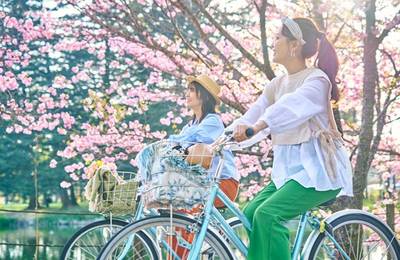
![[Karuizawa Day Tour] Resort Karuizawa Prince Outlet & Hoshino Resorts](https://res.klook.com/image/upload/c_fill,w_400,h_260,q_70,f_auto/activities/bpywckho0nkwya96hyw6.jpg)
Good to know
Nagano is genuinely cold in winter and genuinely cool in summer, which is why Tokyo residents come here in August. Snow closes mountain roads from around December to April, and Kamikochi and the Alpine Route shut entirely for the season. Public transport reaches the main towns well but thins out quickly in the valleys, so a rental car helps if you plan to move between regions rather than base yourself in one. Local food leans on soba — Shinshu soba is a recognised regional style — along with oyaki dumplings and freshwater fish. Ski resorts such as Hakuba and Nozawa Onsen draw an international crowd from December through March, and accommodation prices reflect that.
- Matsumoto and Nagano are on the express network from Tokyo.
- The snow monkeys are best (and busiest) in winter — dress warm.
- Kamikochi is car-free and usually open late April to mid-November.
Related guides
The guides below cover the neighbouring mountain regions and the routes back toward Tokyo and Nagoya.
Last updated: 2026-08-08