
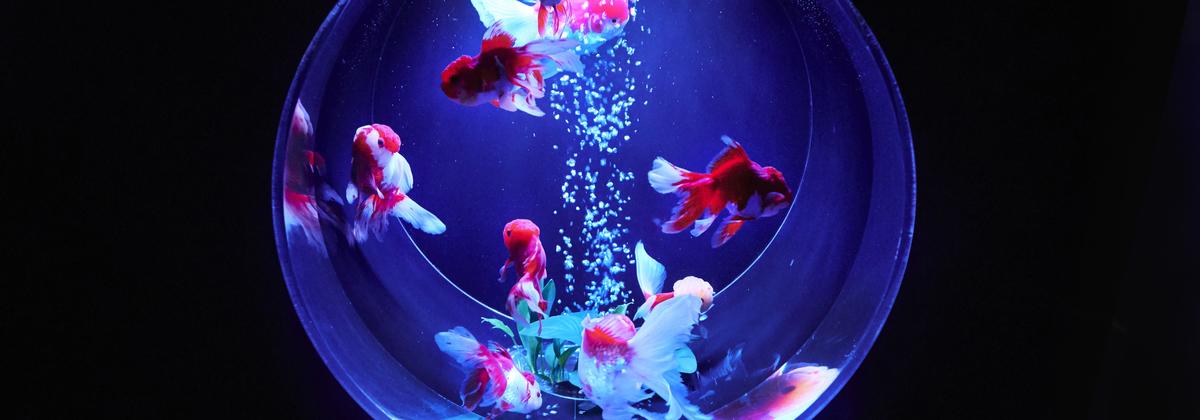
Japan’s aquariums range from Tokyo’s Sunshine Aquarium and Sumida Aquarium, both easy stops in the city center, to the artfully lit Art Aquarium Museum in Ginza and the newer AQUARIUM PARK AOAO in Sapporo, Hokkaido. Whether you want a classic marine-life visit or a more design-driven, photogenic experience, this lineup covers options in both Tokyo and Sapporo for travelers with only a few hours to spare.
Book online
Reserve ahead to secure your slot. Prices are a guide (from, USD); check the current price on Klook.

Affiliate links — we may earn a commission at no extra cost to you.
Good to know
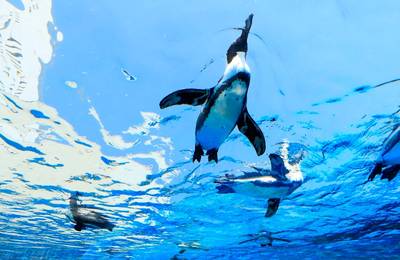
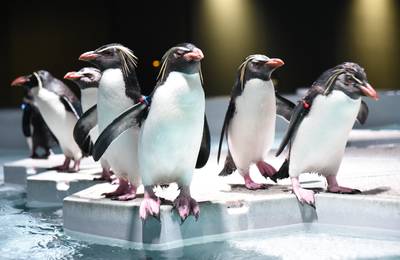
- Sumida Aquarium sits inside Tokyo Skytree Town, making it easy to combine with a Skytree visit.
- Art Aquarium Museum Ginza focuses on illuminated tank displays and goldfish art rather than a traditional zoo-style layout, so go in expecting a visual, photo-friendly experience.
- Sunshine Aquarium is on the rooftop of Sunshine City in Ikebukuro and includes some open-air tanks, so check the weather if visiting that section.
- AQUARIUM PARK AOAO SAPPORO is a good option if you’re based in Hokkaido rather than Tokyo, since it’s a newer facility in central Sapporo.
Japan has an unusually dense concentration of large public aquariums, and several of them are among the biggest in the world. They are also one of the more reliable wet-weather options in a country where the rainy season and typhoon months can wash out an outdoor itinerary, which is part of why they appear on so many family trip plans.
Japan’s major aquariums
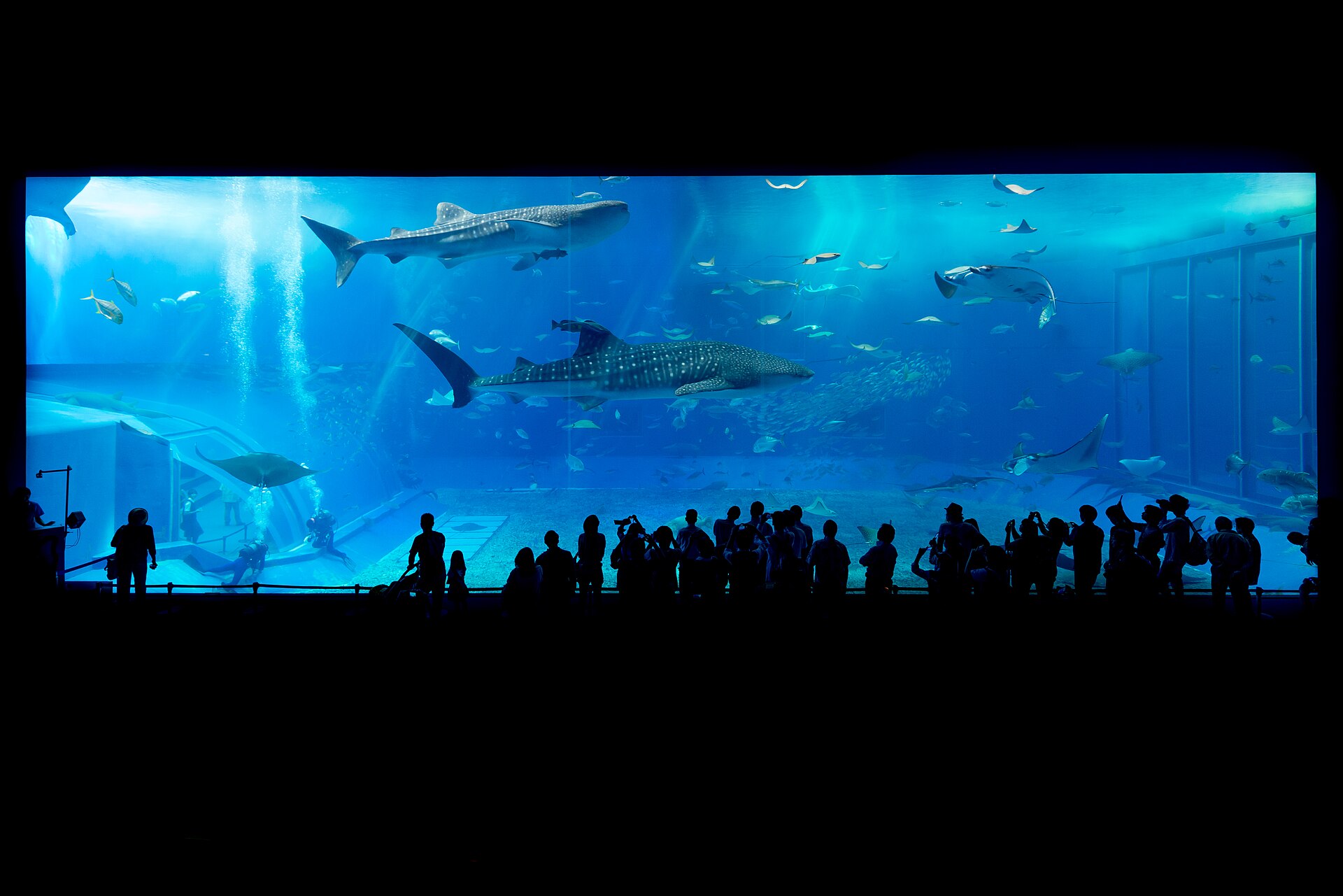
Churaumi Aquarium in northern Okinawa is the best known, built around a vast main tank holding whale sharks and manta rays, with a viewing acrylic panel that was the largest in the world when it opened. Osaka’s Kaiyukan takes a different approach: visitors ride to the top and spiral downward past tanks representing the Pacific Rim, with a central tank running the full height of the building. In Tokyo, Sumida Aquarium sits inside Tokyo Skytree and is compact but well designed, while Shinagawa and Sunshine Aquarium in Ikebukuro are both easy to reach from the city centre. Further out, Enoshima faces the sea near Kamakura, Hakkeijima Sea Paradise in Yokohama combines an aquarium with a theme park, and Nagoya Port keeps orcas and belugas.
Choosing between them
If you only visit one and you are travelling in Okinawa, Churaumi is the obvious choice; its scale is genuinely difficult to match elsewhere. If you are staying in Kansai, Kaiyukan’s descending route is unusually well paced and works for a half day. For a short stop in Tokyo between other plans, Sumida or Sunshine are the practical picks because they sit inside buildings you may be visiting anyway. Aquariums with marine mammal shows tend to schedule them a few times a day, and those times drive the crowds, so checking the day’s programme on arrival is worth the minute it takes.
Visiting with children
Aquariums hold children’s attention better than most indoor attractions, and Japanese venues generally handle strollers well, with lifts and ramps throughout. Touch pools, penguin feeding and behind-the-scenes tours are common, though the tours often require advance booking and are sometimes conducted only in Japanese. Weekends, national holidays and the long school breaks in August and around New Year are the busiest periods. Arriving at opening or in the last two hours before closing usually means noticeably thinner crowds at the main tank.
Tickets and timing
Most large aquariums sell timed or dated tickets online, and buying ahead usually saves queueing at the gate rather than money. Combination tickets that bundle an aquarium with a nearby observation deck, ferris wheel or transport pass are common in Osaka and Yokohama. Closing days vary — some venues close one weekday for maintenance, others close only a few days a year — and seasonal hours are extended during summer holidays. Confirm the current schedule and any capacity limits on the official site before you build a day around a visit.
Related guides
Last updated: 2026-08-07