Overview
Tokyo’s rail network is one of the most complex in the world, with over 100 stations and dozens of operators. But don’t worry — once you understand the color system and major lines, navigation becomes intuitive. This guide covers every line you’ll likely use as a visitor.
JR East Lines
JR (Japan Railways) operates the backbone of Tokyo’s rail network. JR Pass holders can use all JR lines for free.
🟢 JR Yamanote Line
The most important line for tourists. This circular loop connects all major stations: Tokyo, Shinagawa, Shibuya, Shinjuku, Ikebukuro, Ueno, and Akihabara. Trains run every 2-4 minutes. If you’re unsure which line to take, the Yamanote will usually get you close.
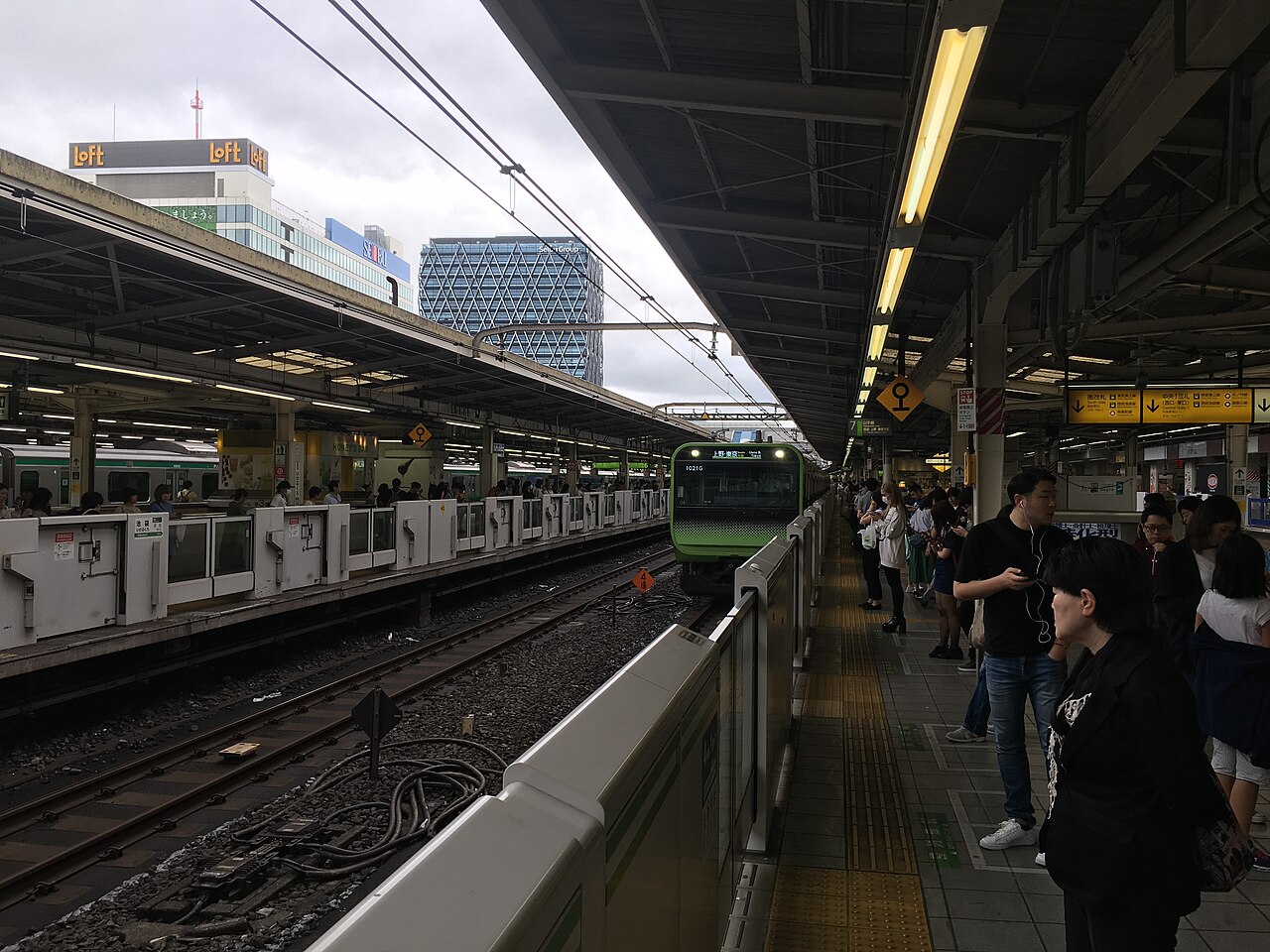
🟢 JR Saikyo Line
Runs parallel to the Yamanote between Shibuya and Ikebukuro, continuing north to Omiya (Saitama). Useful for skipping crowded Yamanote segments.
🟠 JR Chuo Line (Rapid)
Fast east-west connection from Tokyo Station through Shinjuku to western Tokyo (Nakano, Kichijoji, Mitaka). The Chuo-Sobu Local (yellow) makes more stops.
🔴 JR Keiyo Line
Connects Tokyo Station to Tokyo Disney Resort (Maihama) and Makuhari. The Tokyo Station Keiyo platform is a 15-minute underground walk from the main station!
🟠 JR Shonan-Shinjuku Line
Connects Shibuya and Shinjuku directly to Yokohama and Kamakura. Faster than transferring via the Yamanote.
Tokyo Metro Lines
Nine color-coded subway lines covering central Tokyo. Accepts Suica/PASMO. Frequent trains, clean stations.
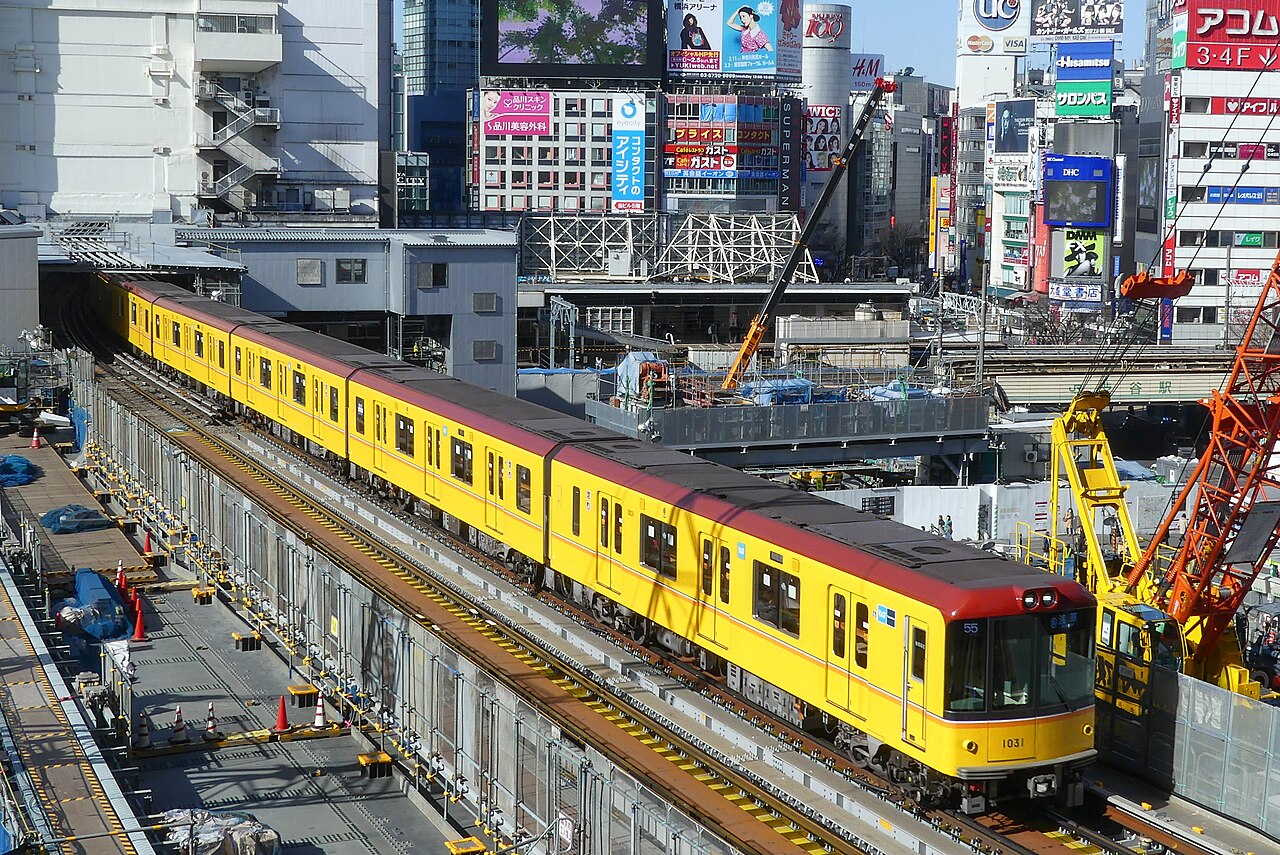
🟠 Ginza Line
Japan’s oldest subway (1927). Connects Shibuya → Omotesando → Akasaka-mitsuke → Ginza → Nihombashi → Ueno → Asakusa. Orange cars, orange signs.
🔴 Marunouchi Line
Circular route connecting Tokyo → Ginza → Shinjuku → Ikebukuro → Tokyo. Red cars. Useful for reaching Tokyo Station from Shinjuku area.
🟣 Hanzomon Line
Shibuya → Omotesando → Otemachi → Oshiage (Skytree). Purple signs. Through-service to Tokyu Den-en-toshi Line and Tobu Skytree Line.
🟤 Fukutoshin Line
Newest Metro line (2008). Shibuya → Shinjuku-sanchome → Ikebukuro. Brown signs. Through-service to Tokyu Toyoko Line (to Yokohama) and Seibu/Tobu lines.
🔵 Tozai Line
East-west line: Nakano → Otemachi → Nihombashi → Toyosu. Light blue. Extremely crowded during rush hour (199% capacity!).
Other Metro Lines
- Hibiya Line (gray) — Nakameguro → Roppongi → Ginza → Ueno → Kita-senju
- Chiyoda Line (green) — Yoyogi-uehara → Omotesando → Otemachi → Nishi-nippori
- Yurakucho Line (gold) — Wakoshi → Ikebukuro → Yurakucho → Toyosu
- Namboku Line (teal) — Meguro → Roppongi-itchome → Komagome → Akabane-iwabuchi
Toei Subway Lines
Four lines operated by Tokyo Metropolitan Government. Separate fare system from Tokyo Metro, but Suica/PASMO work seamlessly.
🩷 Toei Asakusa Line
Connects Nishi-magome → Nihombashi → Asakusa → Oshiage. Rose/pink signs. Key airport connector: Direct through-service to Keikyu Line (Haneda) and Keisei Line (Narita via Access Express).
🟣 Toei Oedo Line
Deep underground loop. Shinjuku → Roppongi → Tsukishima → Ryogoku → Ueno-okachimachi. Magenta signs. Useful for reaching Roppongi and Tsukishima.
Other Toei Lines
- Toei Mita Line (blue) — Meguro → Hibiya → Otemachi → Suidobashi
- Toei Shinjuku Line (green) — Shinjuku → Kudanshita → Bakurocho → Motoyawata
Airport Access Lines
Haneda Airport (HND)
- 🔴 Keikyu Line — Fastest to central Tokyo. All terminals (T1, T2, T3). Direct to Shinagawa (15-20 min), through-service to Asakusa Line.
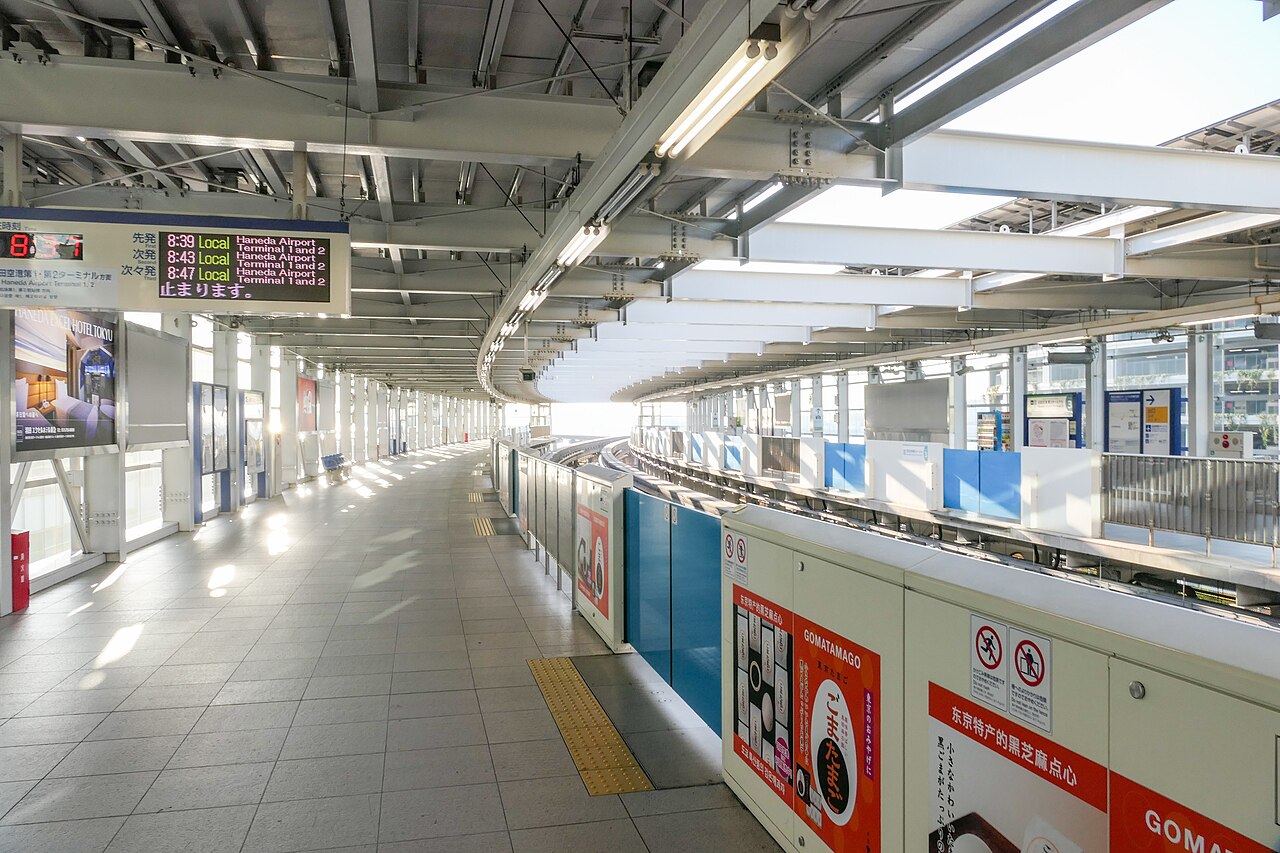
- 🔵 Tokyo Monorail — To Hamamatsucho (15-20 min), transfer to Yamanote Line. Light blue cars, scenic waterfront views.
Narita Airport (NRT)
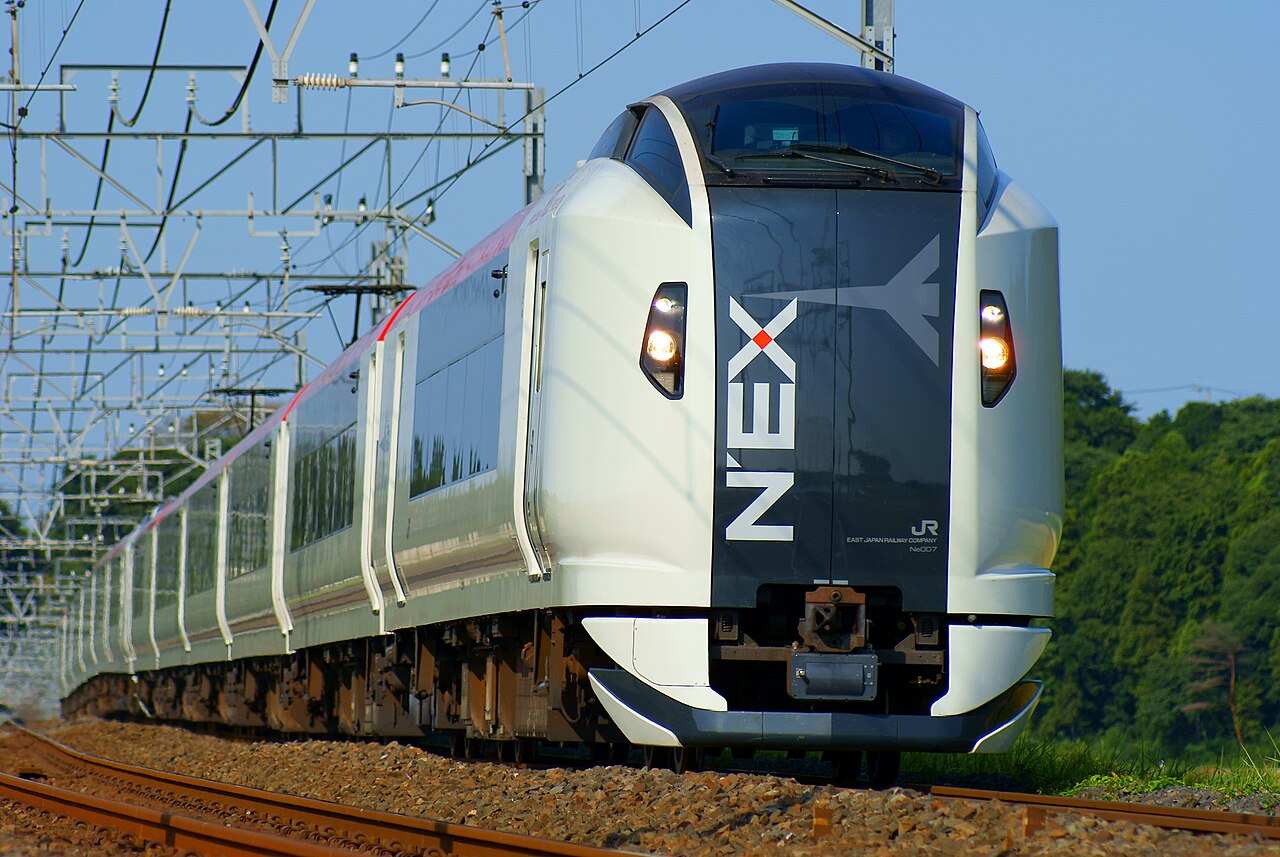
- 🔴 Narita Express (N’EX) — Premium direct service to Tokyo, Shibuya, Shinjuku, Ikebukuro. Red and white train. ~60-90 min.
- 🔵 Keisei Skyliner — Fastest to Ueno/Nippori (~40 min). Blue stripe. Premium fare.
- 🟠 Keisei Access Express — Mid-range option to Asakusa/Nihombashi (~60-70 min). Orange stripe. Through-service via Asakusa Line.
- 🔵 Keisei Main Line — Budget option (~90-110 min). Blue. Local/Limited Express trains.
Private Railways
Several private companies operate suburban lines from major terminals:
- Tokyu (東急) — Shibuya hub. Toyoko Line (to Yokohama), Den-en-toshi Line (to Futako-tamagawa)
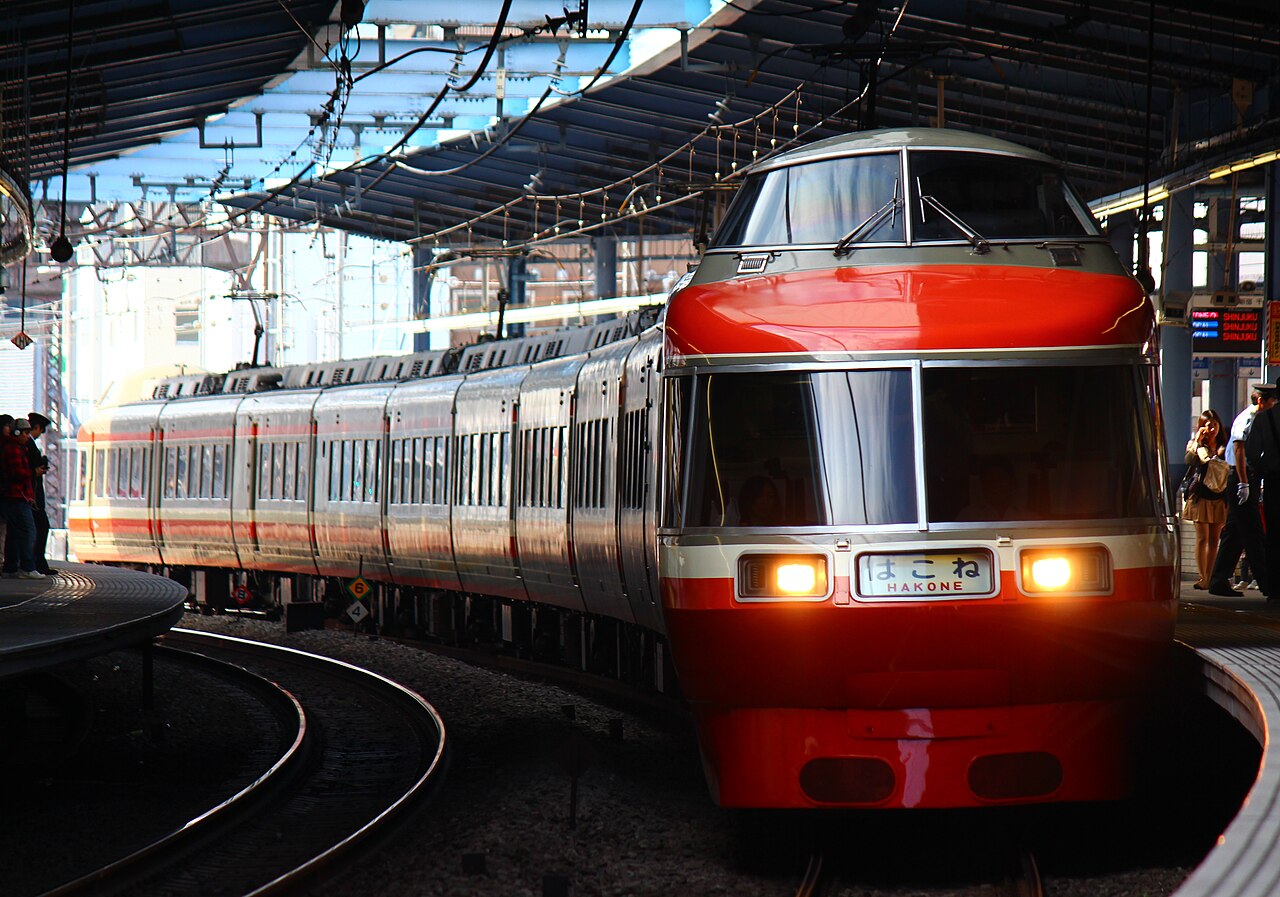
- Odakyu (小田急) — Shinjuku hub. Romancecar to Hakone, Enoshima Line to Kamakura area
- Keio (京王) — Shinjuku hub. To Chofu, Hachioji, Mt. Takao
- Seibu (西武) — Ikebukuro/Shinjuku hubs. To Kawagoe, Chichibu
- Tobu (東武) — Asakusa/Ikebukuro hubs. Skytree Line, Nikko Line
Day Passes
- Tokyo Subway Ticket — Unlimited Metro + Toei for 24/48/72 hours. Best for tourists.
- Tokunai Pass — Unlimited JR within Tokyo’s 23 wards for one day. Good if visiting many JR stations.
- Tokyo Free Kippu — All JR, Metro, Toei, and some buses. Premium but comprehensive.
🚆 Popular rail & transit passes for Tokyo
If you plan several train trips, a pass is often cheaper than buying single tickets. You can buy these online in advance and pick up / activate on arrival:
- JR Tokyo Wide Pass (3 days, Kanto area)
- Klook Pass Greater Tokyo (attractions bundle)
- JR East Pass
- JR Whole Japan Rail Pass (7 days)
This section contains affiliate links. We may earn a commission at no extra cost to you. Coverage and validity vary — check each pass before buying.
Easy trips from Tokyo: Yokohama · Chiba
Tips
- Transfer wisely — Changing between Metro and Toei adds fare. Staying on one network is cheaper.
- Exit numbers matter — Large stations have 20+ exits. Check which exit is closest to your destination.
- Rush hour survival — Avoid Tozai, Chiyoda, and Hanzomon Lines during 8-9 AM if possible.