
This guide is for first-time visitors planning a trip to Japan’s capital city. It answers the search query: “Tokyo travel guide” or “how to visit Tokyo.”
Quick Facts
- Best for: First-time visitors, urban explorers, food enthusiasts, shopping lovers
- Time needed: 3–7 days (minimum 3 days to cover major areas)
- Main stations: Tokyo Station, Shinjuku Station, Shibuya Station (all major JR and Metro lines)
- Area type: Urban megacity
- Rain friendly: Yes (extensive underground networks and covered shopping areas)
Overview
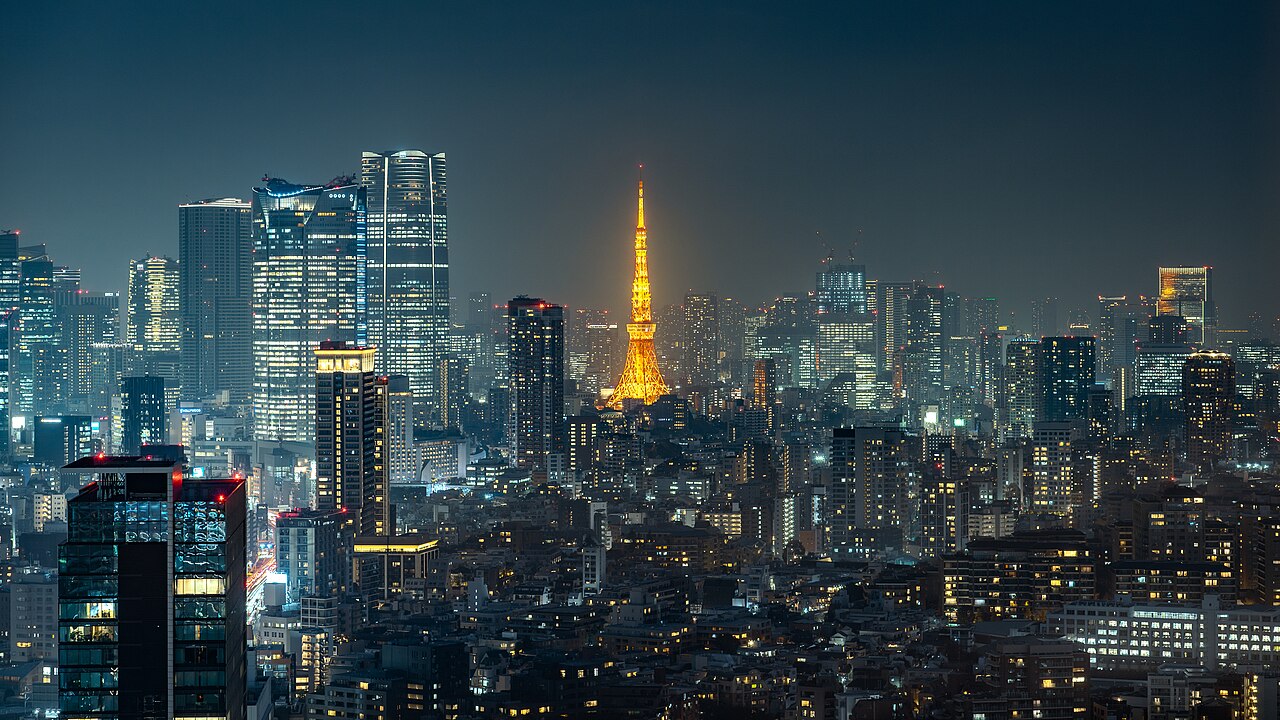
Tokyo is Japan’s capital and the world’s most populous metropolitan area with over 37 million residents. The city blends centuries-old temples and traditional neighborhoods with cutting-edge technology, towering skyscrapers, and pop culture landmarks.
The city consists of 23 special wards, each with distinct character. Major tourist areas include Shinjuku (entertainment and nightlife), Shibuya (youth culture and fashion), Asakusa (traditional Tokyo), Ginza (luxury shopping), and Akihabara (electronics and anime). Despite its size, Tokyo’s efficient train network makes navigation straightforward.
Tokyo offers something for every type of traveler: world-class museums, Michelin-starred restaurants alongside street food stalls, ancient shrines next to neon-lit districts, and endless shopping from vintage to luxury brands.
How to Enjoy
Traditional Tokyo
Asakusa preserves old Tokyo atmosphere with Senso-ji Temple and Nakamise shopping street. Ueno offers museums, temples, and a large park. Yanaka maintains its shitamachi (old town) character with traditional shops and temples.
Modern Tokyo
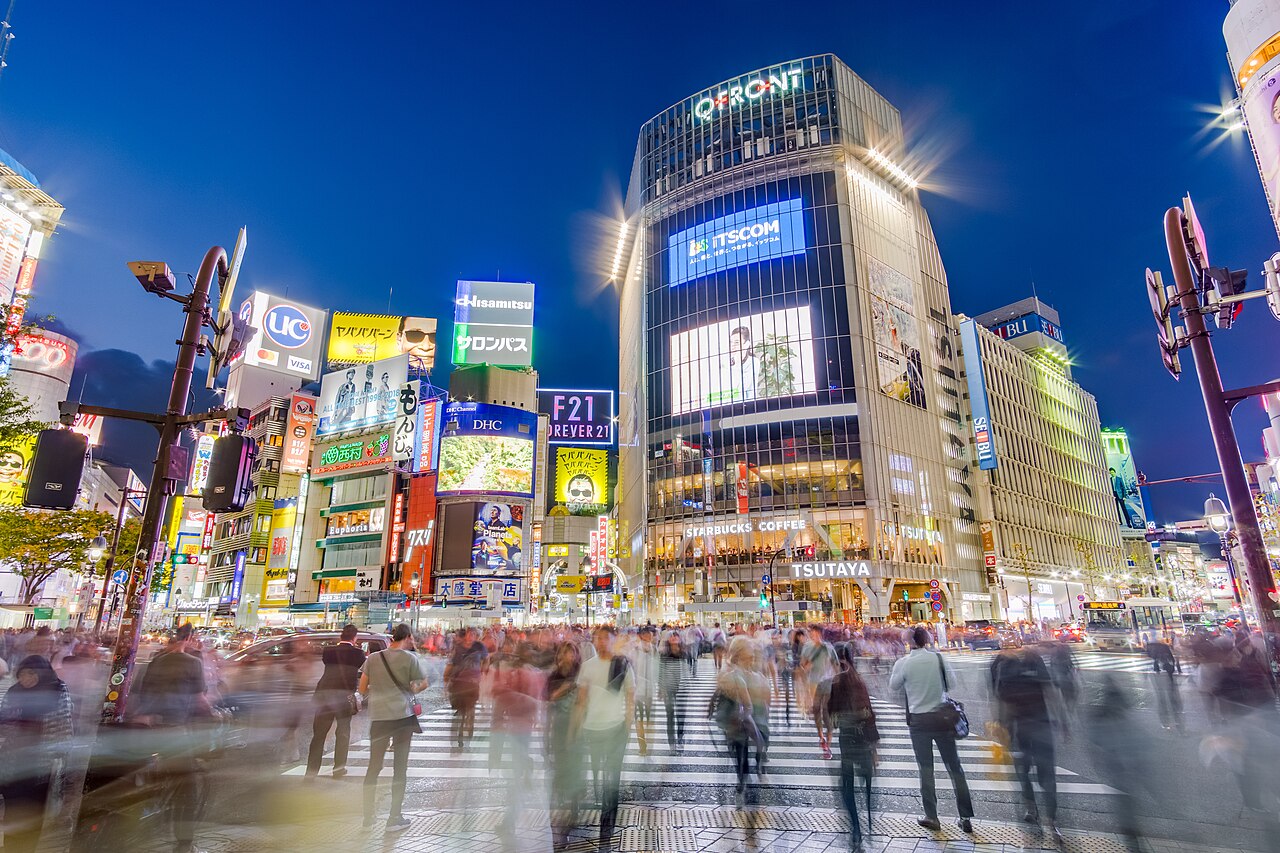
Shibuya’s famous scramble crossing and Shinjuku’s towering skyscrapers represent contemporary Tokyo. Odaiba offers futuristic architecture on a man-made island. Roppongi combines art museums with nightlife.
Food and Markets
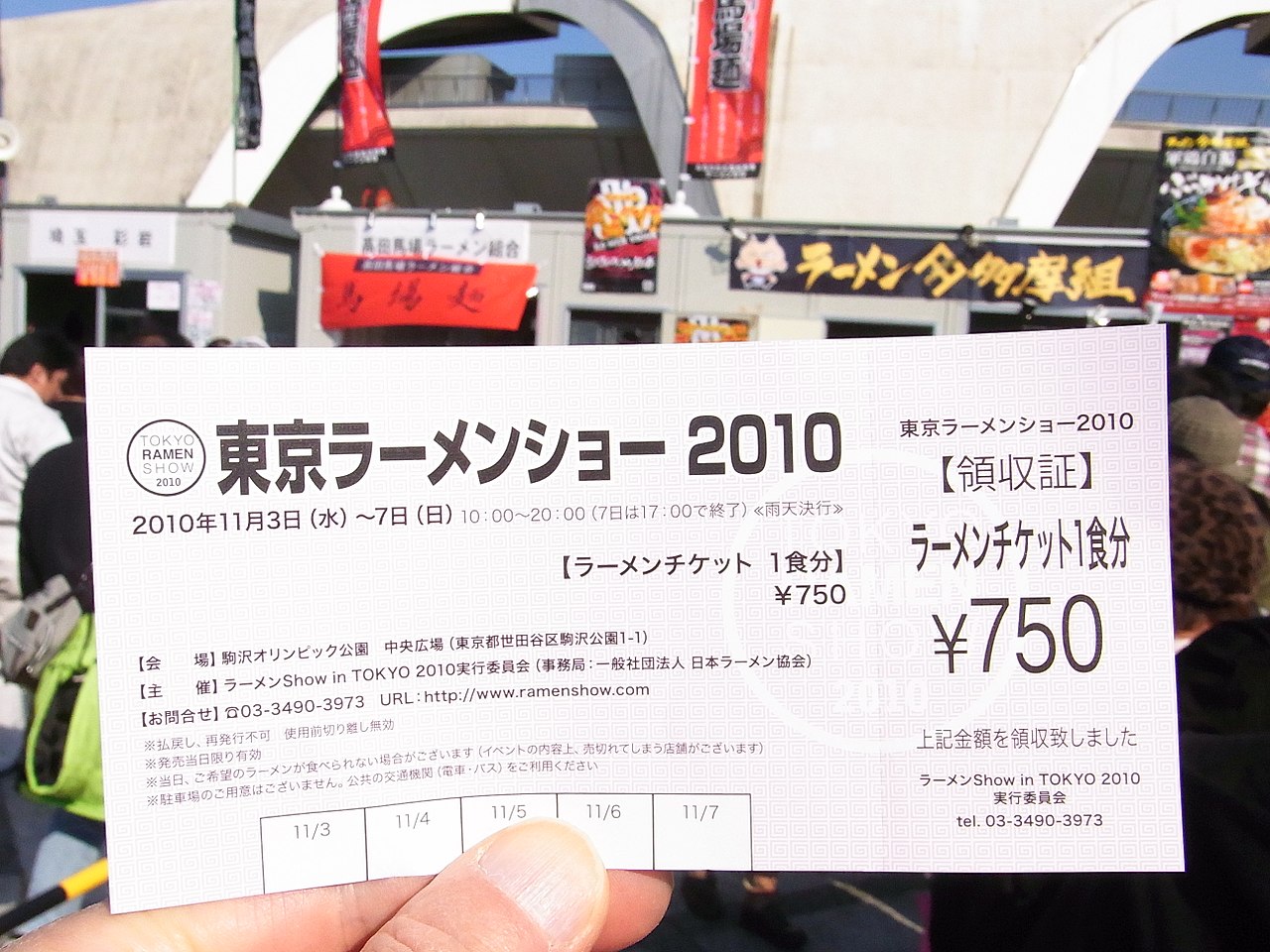
Tsukiji Outer Market serves fresh seafood and Japanese street food. Depachika (department store basements) offer premium food halls. Each neighborhood has specialty dishes—ramen in Shinjuku, monjayaki in Tsukishima, tempura in Asakusa.
Shopping Districts
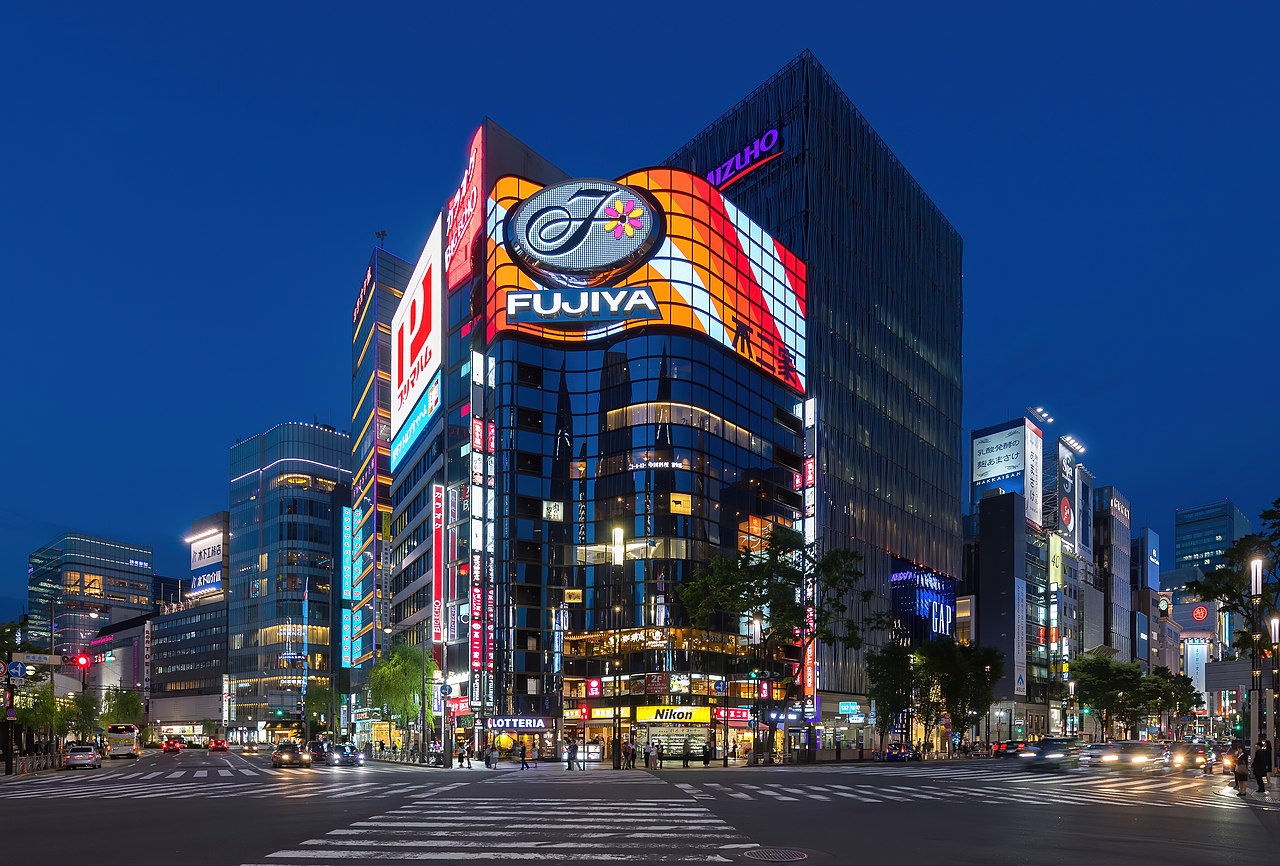
Ginza for luxury brands, Harajuku for youth fashion, Akihabara for electronics and anime merchandise, Nakano Broadway for vintage collectibles. Don Quijote discount stores operate 24 hours across the city.
Suggested Itinerary
Day 1: Traditional Tokyo
- Morning – Senso-ji Temple and Asakusa
- Afternoon – Ueno Park and museums
- Evening – Ameyoko shopping street
Day 2: Modern Tokyo
- Morning – Meiji Shrine and Harajuku
- Afternoon – Shibuya crossing and shopping
- Evening – Shinjuku entertainment district
Day 3: Culture and Food
- Morning – Tsukiji Outer Market
- Afternoon – Ginza shopping
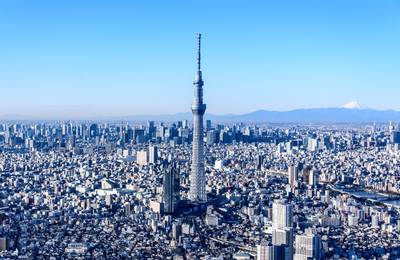
- Evening – Tokyo Tower or Skytree for night views
Explore Tokyo
Areas & Attractions
- Akihabara Travel Guide
- Ginza Travel Guide
- Harajuku Travel Guide
- Ikebukuro Travel Guide
- Imperial Palace Tokyo Guide
- Meiji Shrine Visitor Guide
- Odaiba Travel Guide
- Roppongi Travel Guide
- Shibuya Travel Guide
- Shinjuku Travel Guide
- Tokyo Skytree Visitor Guide
- Tokyo Tower Visitor Guide
- Tsukiji Outer Market Guide
- Ueno Travel Guide
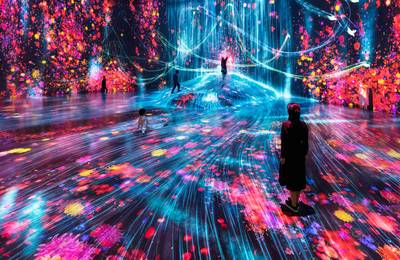
- teamLab Borderless Tokyo
Travel Guides
- Tokyo Budget Travel Guide
- Tokyo on a Rainy Day
- Tokyo with Kids: Family Travel Guide
- Tokyo without a Car
Itineraries & Day Trips
- Tokyo 1 Day Itinerary
- Tokyo 3 Day Itinerary
- Tokyo 5 Day Itinerary
- Tokyo to Hakone Day Trip
- Tokyo to Kamakura Day Trip
- Tokyo to Nikko Day Trip
🎫 Popular things to do in Tokyo
Reserve online ahead of time — popular slots sell out, and you skip the ticket line. Prices are a guide (from, USD); check the current price on Klook.
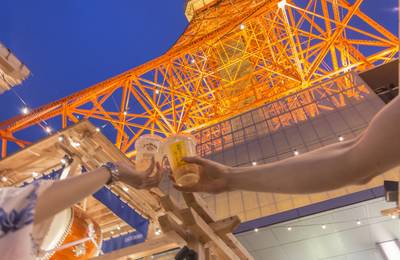
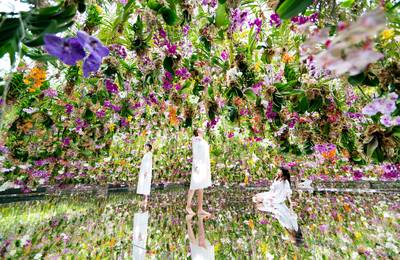
Affiliate links — we may earn a commission at no extra cost to you.
Tips & Cautions
- Transport: Get a Suica or Pasmo IC card for seamless train and bus travel. JR Pass may not be cost-effective for Tokyo-only trips.
- Cash: Many small shops and restaurants remain cash-only. 7-Eleven ATMs accept foreign cards.
- Crowds: Avoid rush hour (7:30-9:30 AM, 5:30-8:00 PM) on trains. Major attractions are less crowded on weekday mornings.
- Language: English signage is common in tourist areas. Translation apps are helpful for restaurants.
- Etiquette: Talking on phones is discouraged on trains. Stand on the left side of escalators (right in Osaka).
- Luggage: Coin lockers are available at major stations. Large suitcases may be difficult on crowded trains.
Nearby Alternatives
- Yokohama (Kanagawa): Japan’s second-largest city with Chinatown and waterfront. 30 minutes by train from central Tokyo.
- Kamakura (Kanagawa): Historic temples and Great Buddha. Approximately 1 hour from Tokyo Station.
- Nikko (Tochigi): UNESCO World Heritage shrines and nature. Approximately 2 hours by train.
Sources
- Tourism board: GO TOKYO Official
- Transport: Tokyo Metro
- JR East: JR East Official
Last updated: 2026-02-03