
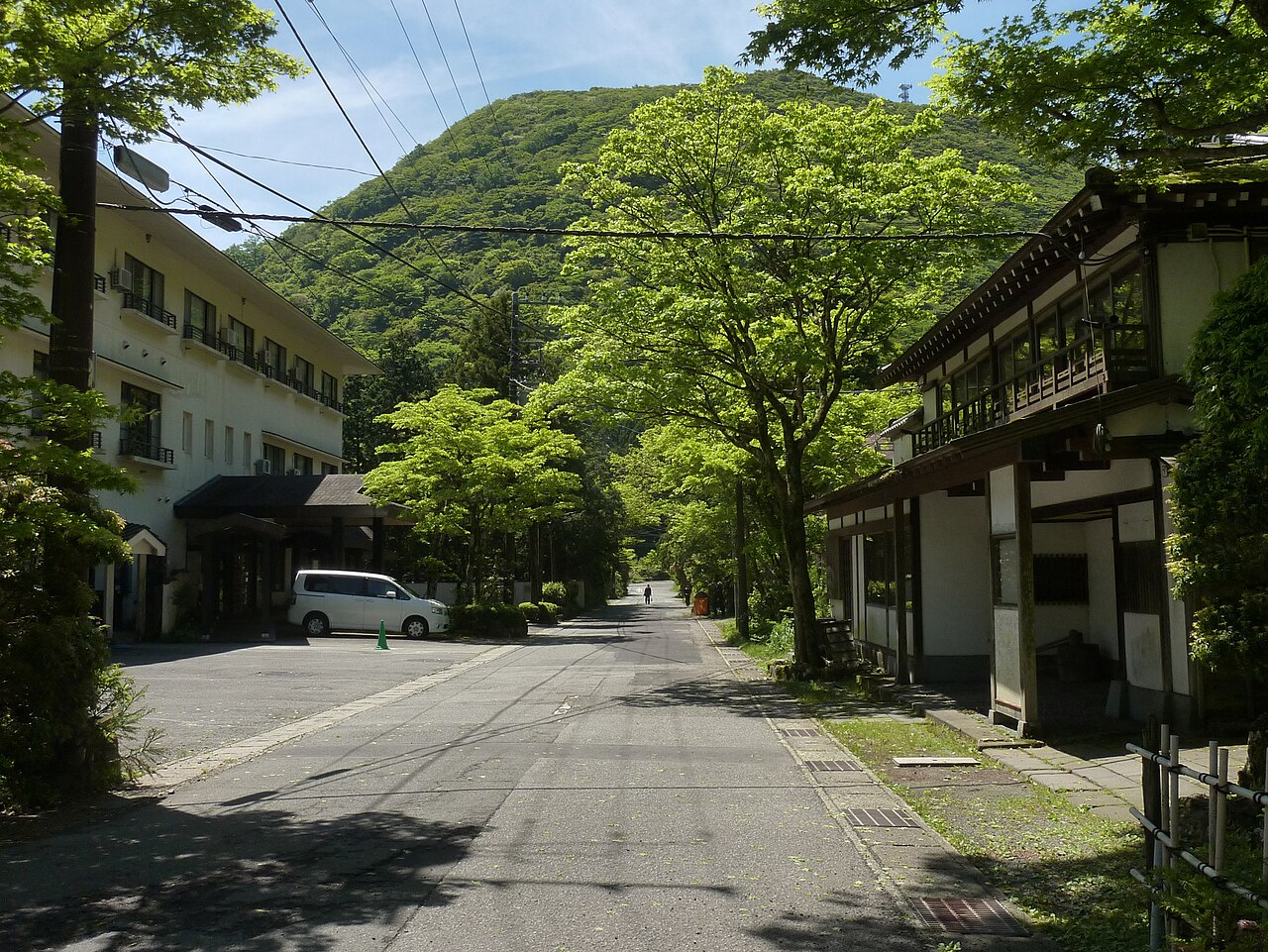
This guide helps travelers navigate Hakones hot spring options. It answers: “Which onsen to visit in Hakone?”
Quick Facts
- Onsen types: 17 different spring sources in Hakone
- Options: Day-use baths, ryokan stays, foot baths
- Tattoo policy: Varies by facility – many prohibit
Onsen Areas
Hakone-Yumoto
Gateway town with largest concentration of day-use baths. Easy access from train station. Options range from traditional to modern facilities.
Gora
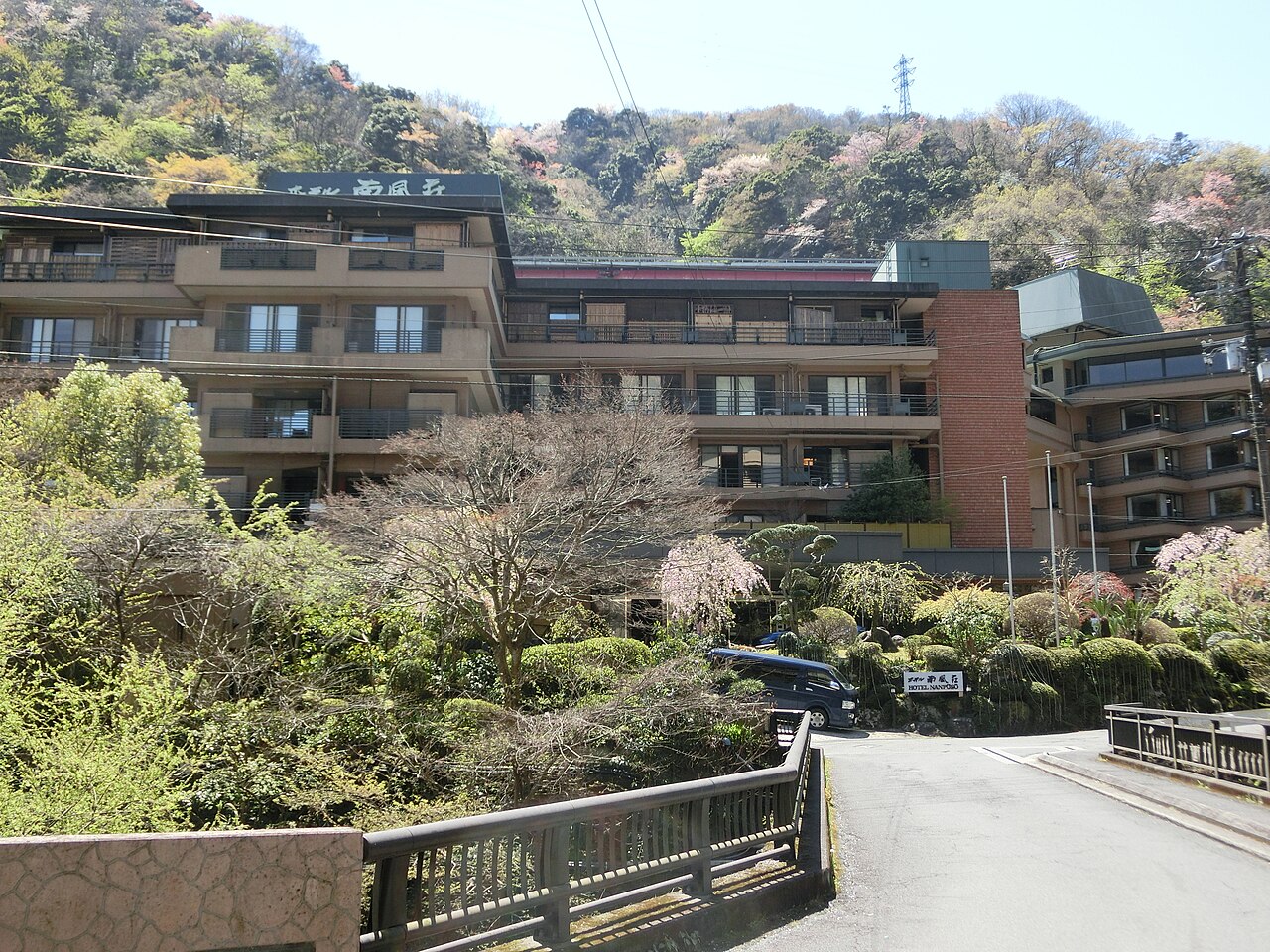
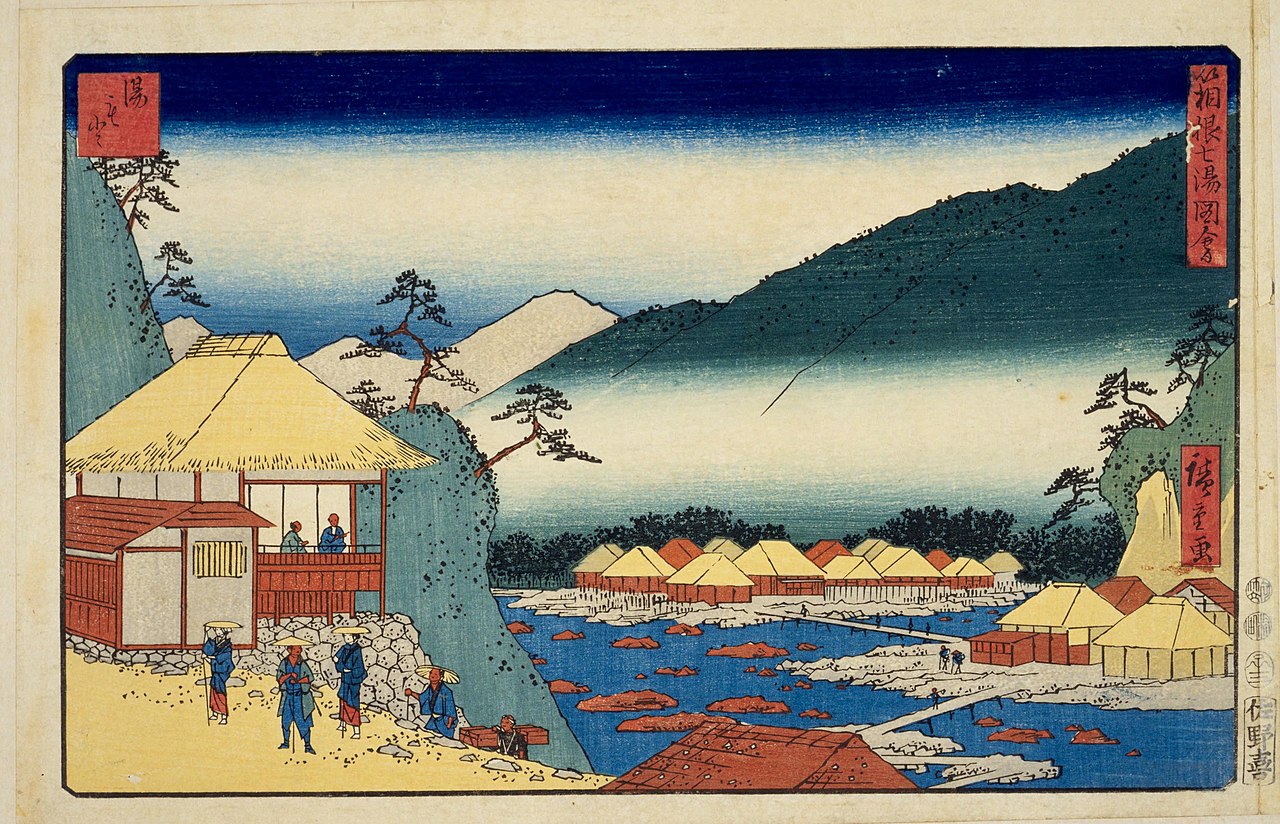
Upscale area with luxury ryokan. Many have private baths (kashikiri). Good for those wanting privacy.
Kowakidani
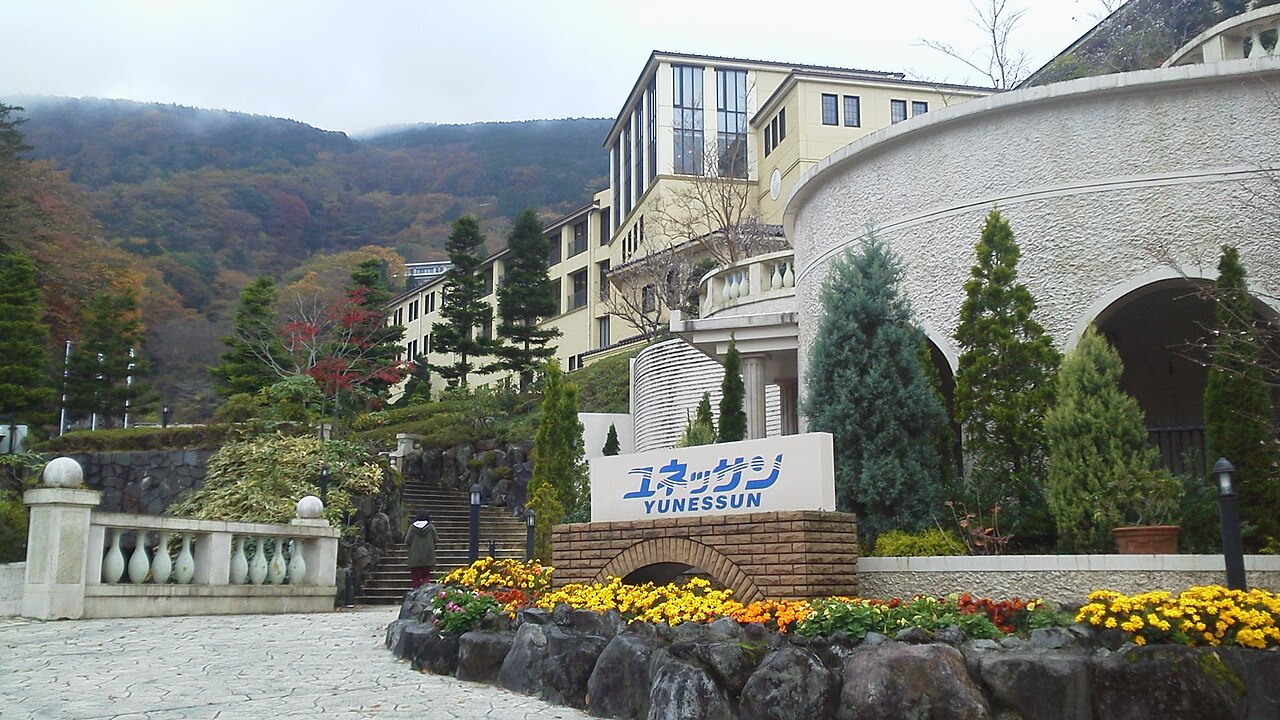
Home to Yunessun – water park-style facility with themed baths (wine, sake, coffee). Fun for families.
Day-Use Onsen
Tenzan Tohji-kyo – Large outdoor baths, scenic setting. Hakone Yuryo – Modern facility near Hakone-Yumoto. Yunessun – Theme park atmosphere, swimsuit zone available.
🎫 Tours to Hakone from Tokyo
Reserve online ahead of time — popular slots sell out, and you skip the ticket line. Prices are a guide (from, USD); check the current price on Klook.

![[Hakone & Atami Fireworks Day Trip] Mt.…](https://res.klook.com/image/upload/c_fill,w_400,h_260,q_70,f_auto/activities/mhdo8wsff9fplo4iqex0.jpg)

Affiliate links — we may earn a commission at no extra cost to you.
Tips
- Etiquette: Wash thoroughly before entering baths. No swimsuits in traditional onsen.
- Tattoos: Call ahead to confirm policy. Private baths are usually accepting.
Getting There
From Narita Airport (NRT)
Recommended (Premium): Take the Narita Express (N’EX) 🔴 from Terminal 1 or 2 to Shinjuku Station, then transfer to the Odakyu “Romancecar” Limited Express to Hakone-Yumoto Station. The total journey takes approximately 2.5 to 3 hours. Terminal 3 users must take the shuttle to Terminal 2 to access the train. Budget: Take the Keisei Bus to Tokyo Station, transfer to the JR Tokaido Line (orange/green) to Odawara Station, and finally take the Hakone Tozan Line to Hakone-Yumoto (approximately 3.5 hours).
From Haneda Airport (HND)
Recommended (Mid-range): Take the direct Odakyu/Keikyu Highway Bus from any terminal (T1, T2, T3) to Hakone-Yumoto Station. The trip takes approximately 140 minutes and eliminates the need to transfer with luggage. Premium (Fastest): Take the Keikyu Line 🔴 to Shinagawa Station, transfer to the Tokaido Shinkansen to Odawara Station, then take the Hakone Tozan Line to Hakone-Yumoto (approximately 90 minutes total).
From Major Stations
- From Shinjuku Station: Recommended: Take the Odakyu “Romancecar” 🔵 directly to Hakone-Yumoto Station in approximately 75–85 minutes. Budget: Take the Odakyu Odawara Line (Rapid Express) to Odawara, then transfer to the Hakone Tozan Line (approximately 110–120 minutes).
- From Tokyo Station: Take the JR Tokaido Shinkansen (Kodama or Hikari) to Odawara Station in approximately 35 minutes, then transfer to the Hakone Tozan Line or bus to reach the onsen area.
Local Access
The gateway to the area is Hakone-Yumoto Station. From here, the Hakone Tozan Railway (mountain train), Hakone Tozan Bus, Cable Car, and Ropeway connect various onsen resorts and attractions. The Hakone Free Pass is highly recommended for unlimited travel on these networks. IC cards like Suica and PASMO are accepted on trains and most buses.
Sources
- Tourism board: Hakone Navi
Last updated: 2026-02-03