
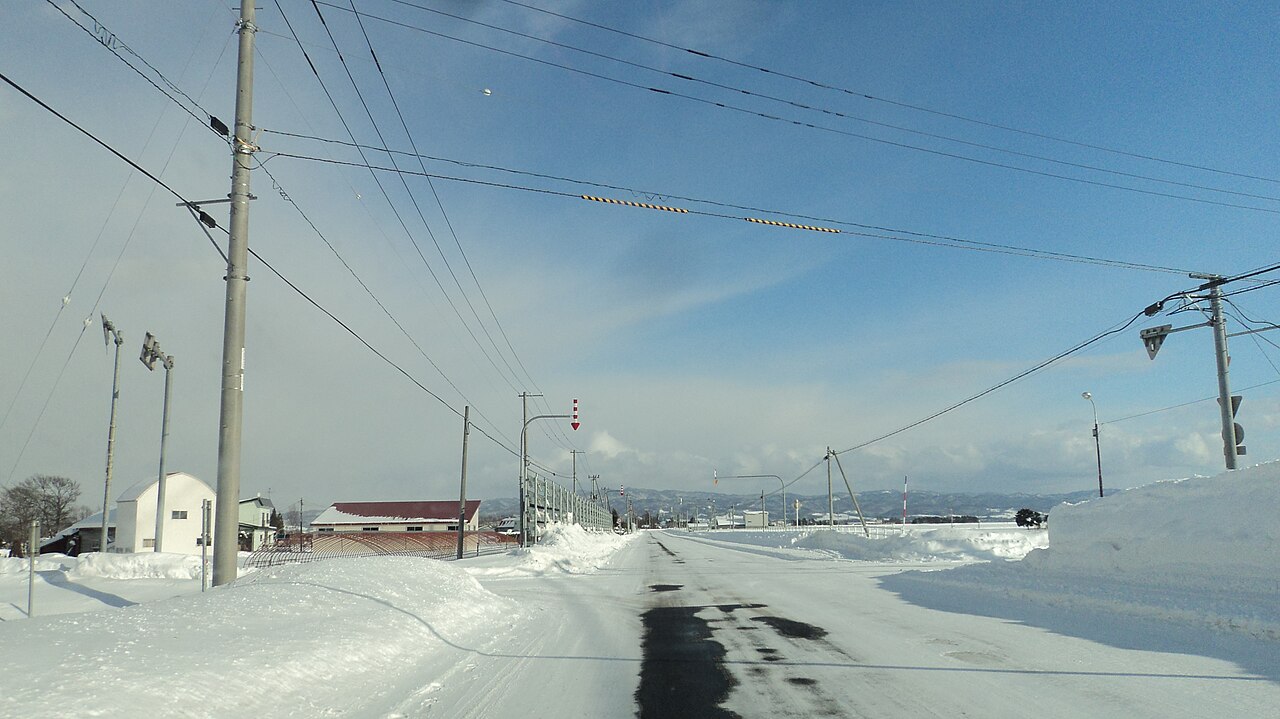
This guide helps travelers experience Hokkaidos spectacular winter season. It answers: “What to do in Hokkaido in winter?”
Quick Facts
- Winter season: December to March
- Peak events: Sapporo Snow Festival (early February)
- Temperature: -10°C to -2°C typical
- Essential: Warm layers, waterproof boots, hand warmers
Winter Highlights
Sapporo Snow Festival
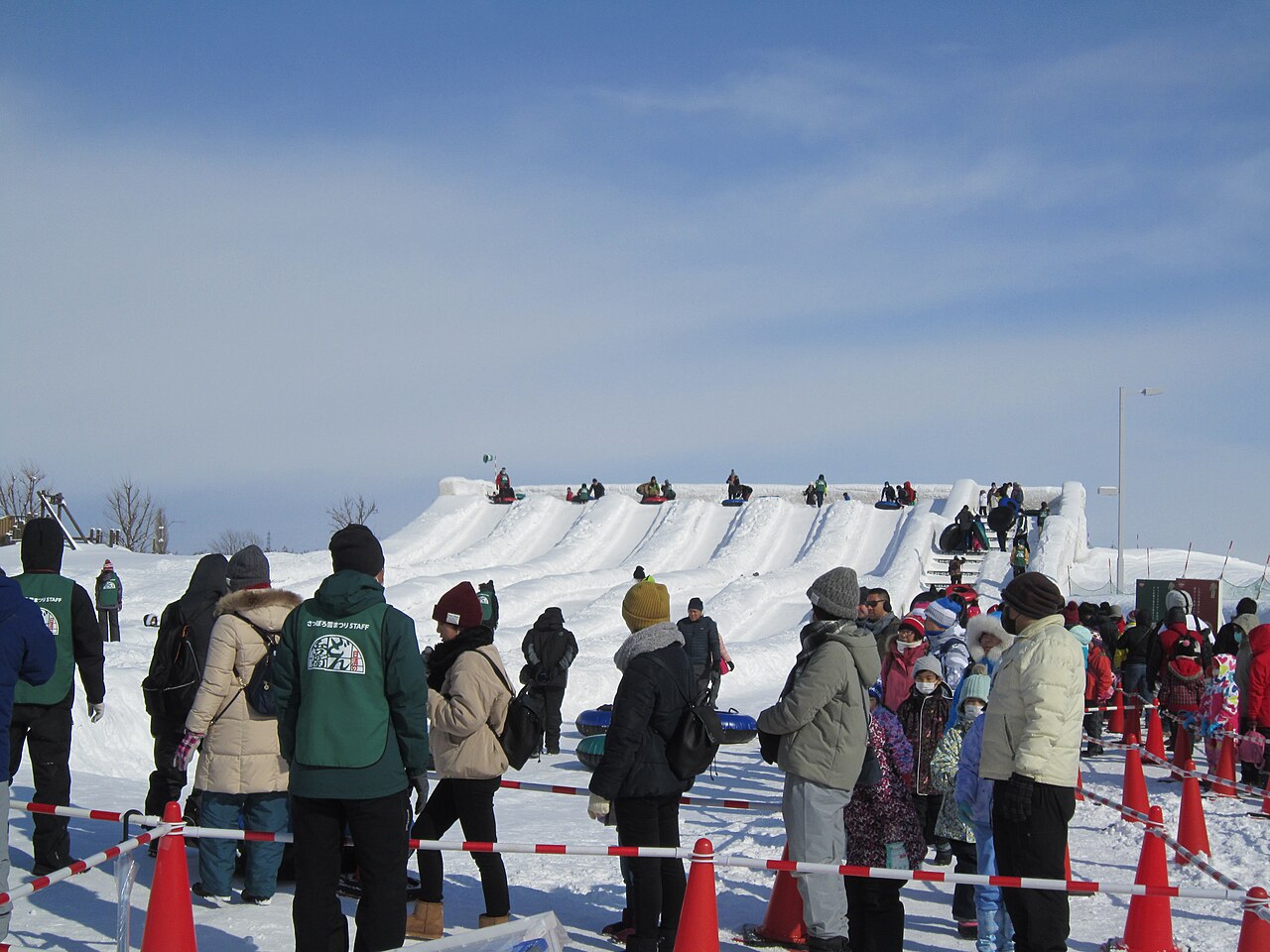
Held early February for one week. Giant snow and ice sculptures at Odori Park. Smaller sites at Susukino (ice) and Tsudome (activities). Japans biggest winter event.
Skiing and Snowboarding
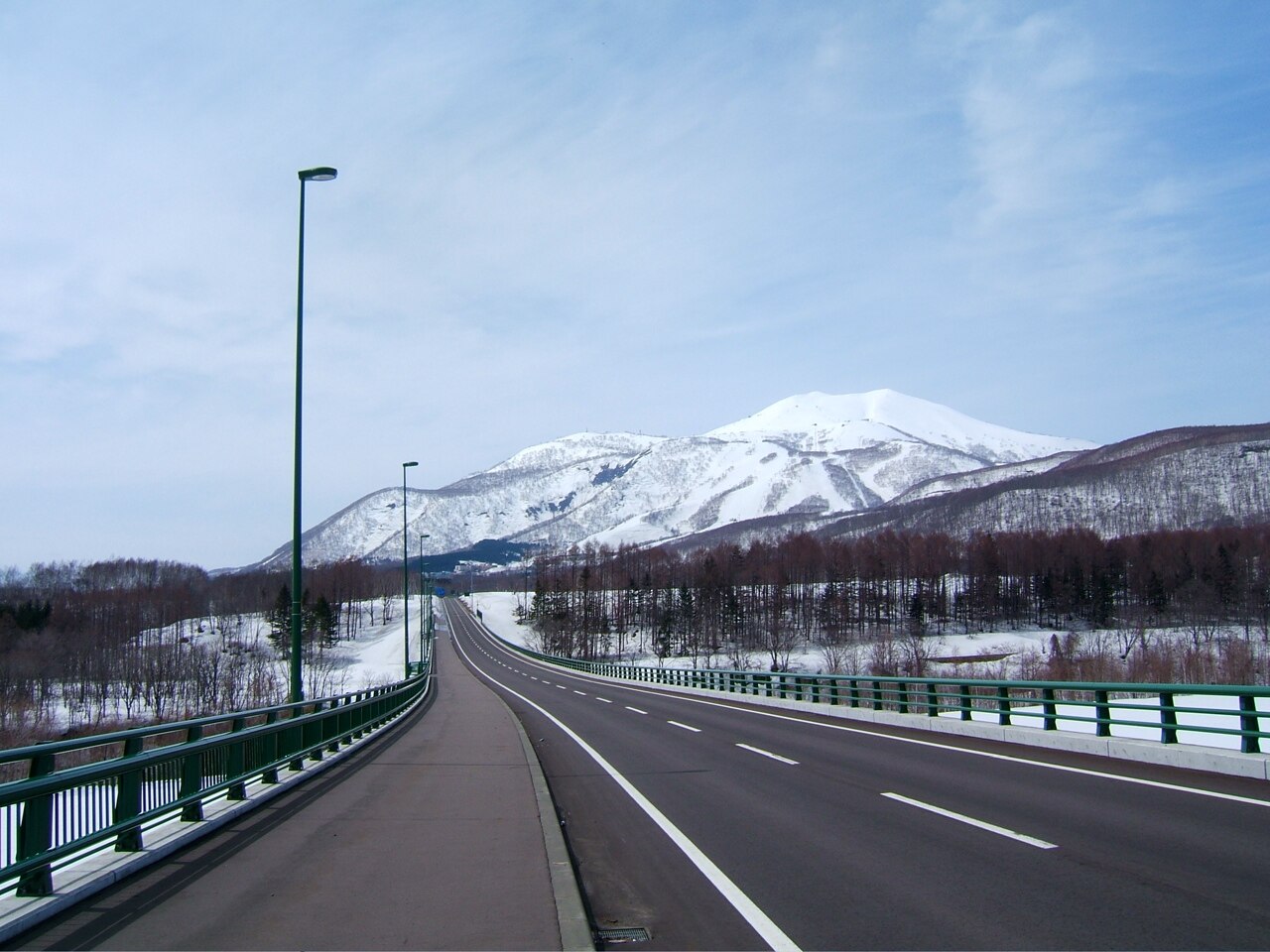
Niseko offers world-famous powder. Rusutsu, Kiroro, and Furano also excellent. Hokkaido snow is consistently light and dry.
Winter Illuminations
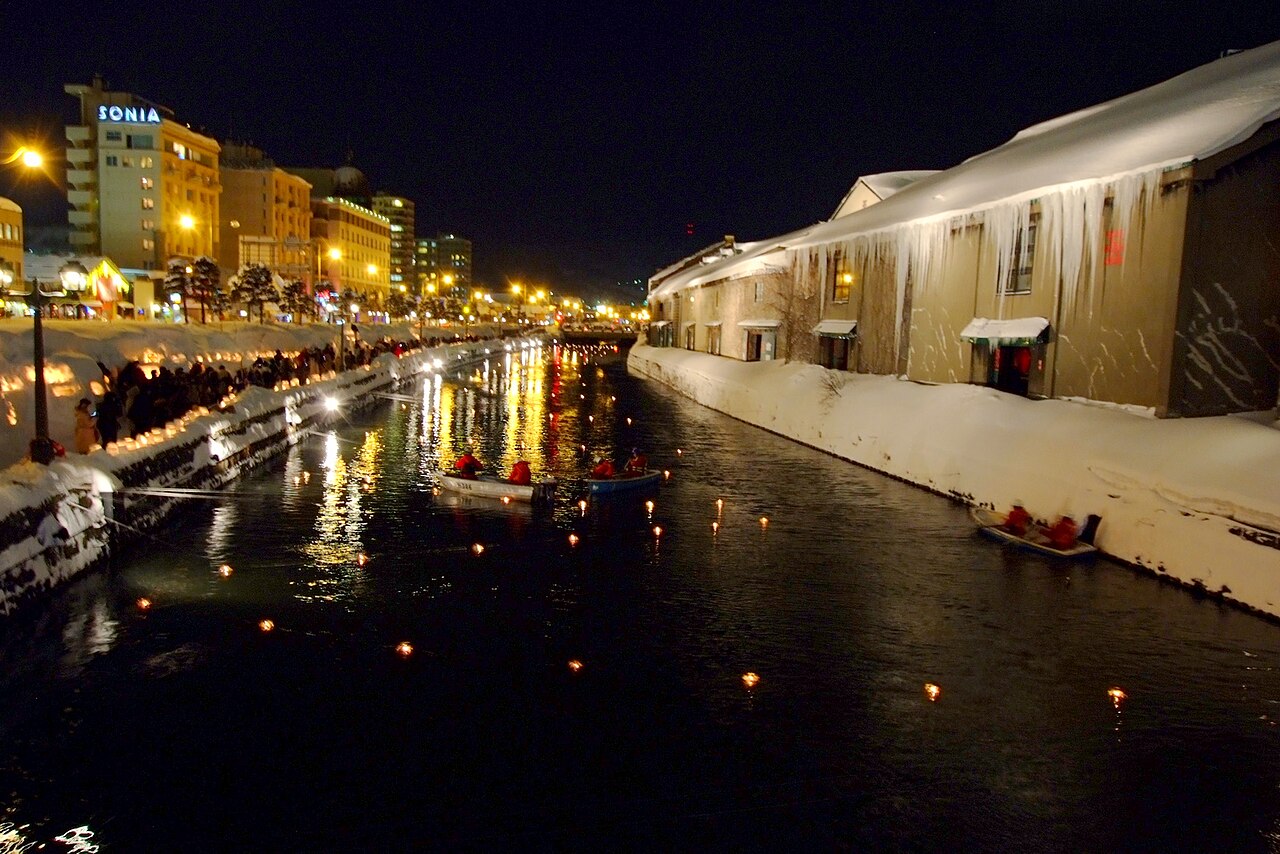
Blue Pond in Biei lit up at night. Otaru Snow Light Path. Hakodate Christmas Fantasy.
Drift Ice (Ryuhyo)
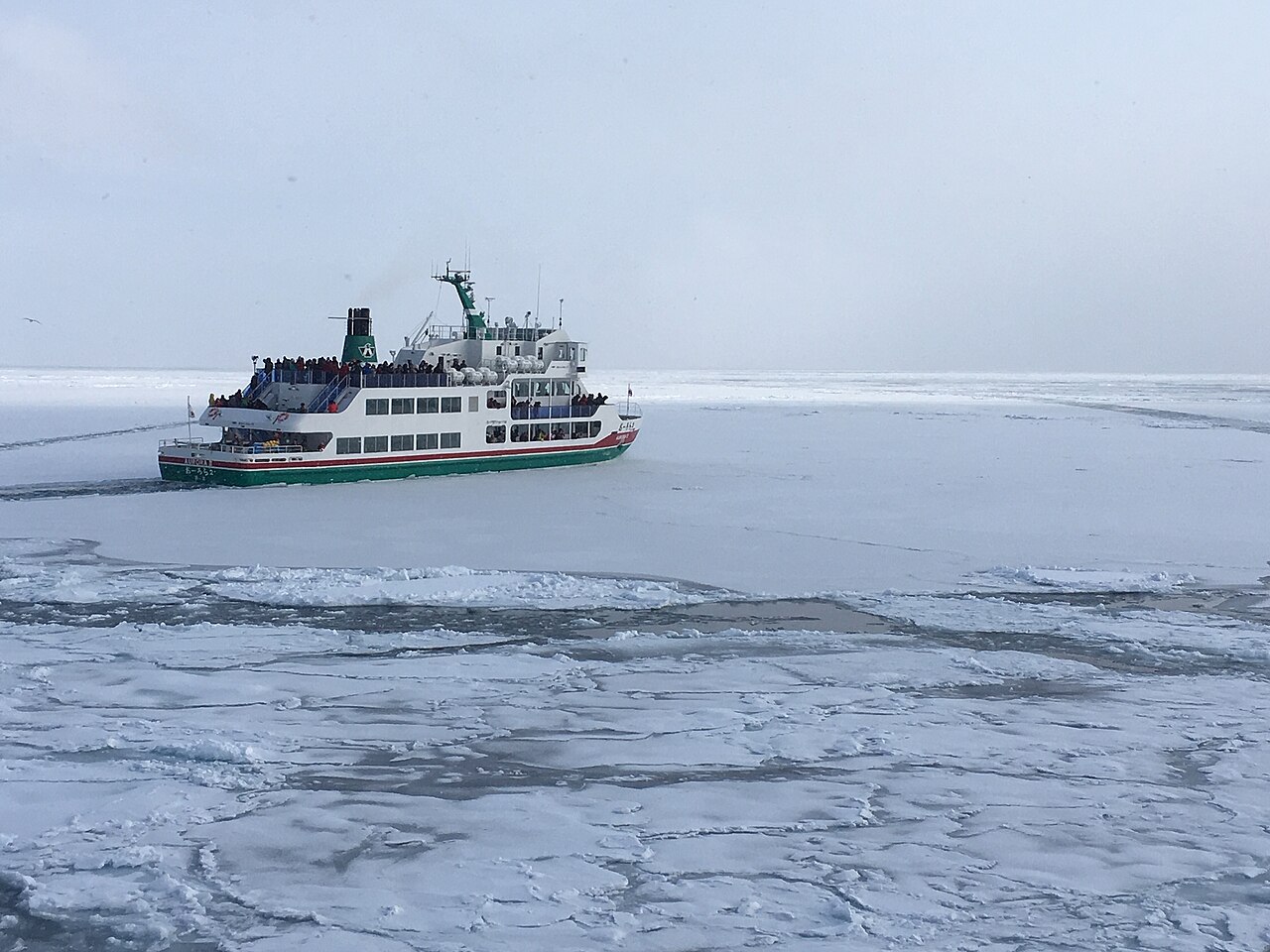
Sea ice floats down from Russia to Shiretoko Peninsula. Icebreaker cruises from Abashiri and Monbetsu. Late January to March.
🎫 Winter activities and snow tours in Hokkaido
Reserve online ahead of time — popular slots sell out, and you skip the ticket line. Prices are a guide (from, USD); check the current price on Klook.



Affiliate links — we may earn a commission at no extra cost to you.
Tips
- Driving: Rental cars available with winter tires. Roads can be icy – consider bus tours.
- Layering: Indoor heating is strong. Dress in removable layers.
- Book early: Snow Festival week sells out months ahead.
Getting There
Arriving in Hokkaido
Recommended (Mid-range): Take the JR Rapid Airport train from New Chitose Airport (CTS) to Sapporo Station in approximately 37–40 minutes. The station is located on the basement floor (B1F) of the Domestic Terminal; passengers arriving at the International Terminal should walk through the connecting passage to reach the station. This is the fastest route to the city center.
Convenience: Airport Limousine Buses (Chuo Bus/Hokuto Kotsu) connect the airport to major hotels in downtown Sapporo and the Susukino district. While slower (approximately 60–80 minutes depending on snow conditions), this option eliminates the need to drag luggage over icy sidewalks or navigate station stairs.
Getting Around in Winter
Public transportation is highly recommended over rental cars due to dangerous icy road conditions.
- Rail: The JR Hokkaido network connects Sapporo to Otaru, Asahikawa, and Hakodate. While reliable, heavy snowstorms can occasionally cause delays or cancellations, so check the status before travel.
- Ski Resorts: For destinations like Niseko, Rusutsu, or Furano, dedicated “Ski Liner” buses from New Chitose Airport or Sapporo Station are often the most direct and stress-free option.
- IC Cards: The local IC card is Kitaca. Travelers can also use Suica, PASMO, ICOCA, and other major Japanese IC cards for travel within the Sapporo area and on JR trains.
Sources
- Tourism board: Visit Hokkaido
Last updated: 2026-02-03