
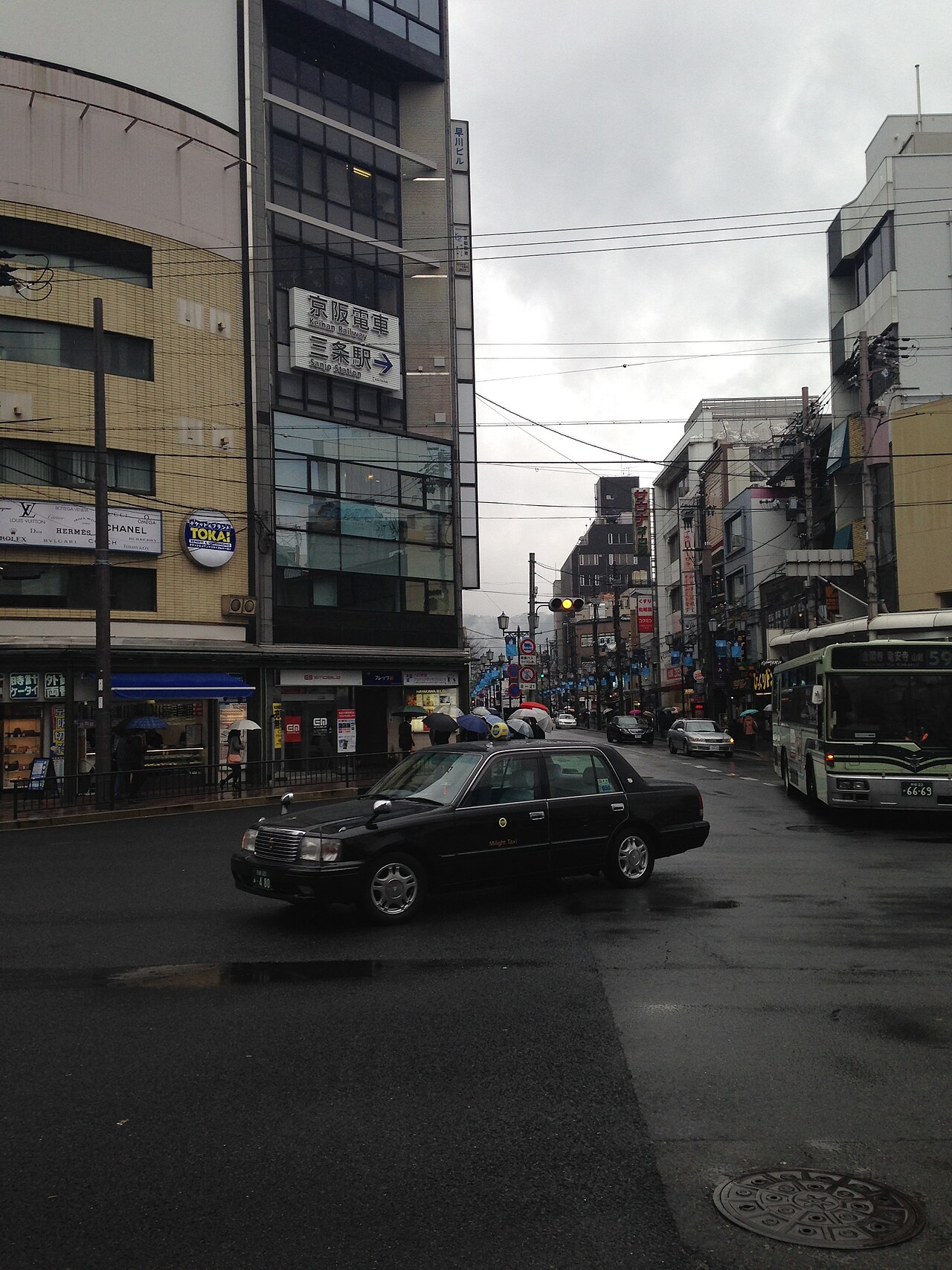
This guide helps travelers make the most of rainy days in Kyoto. It answers: “What to do in Kyoto when it rains?”
Quick Facts
- Rainy season: June-July (tsuyu)
- Typhoon season: August-October
- Essential: Umbrella, waterproof shoes
Indoor Attractions
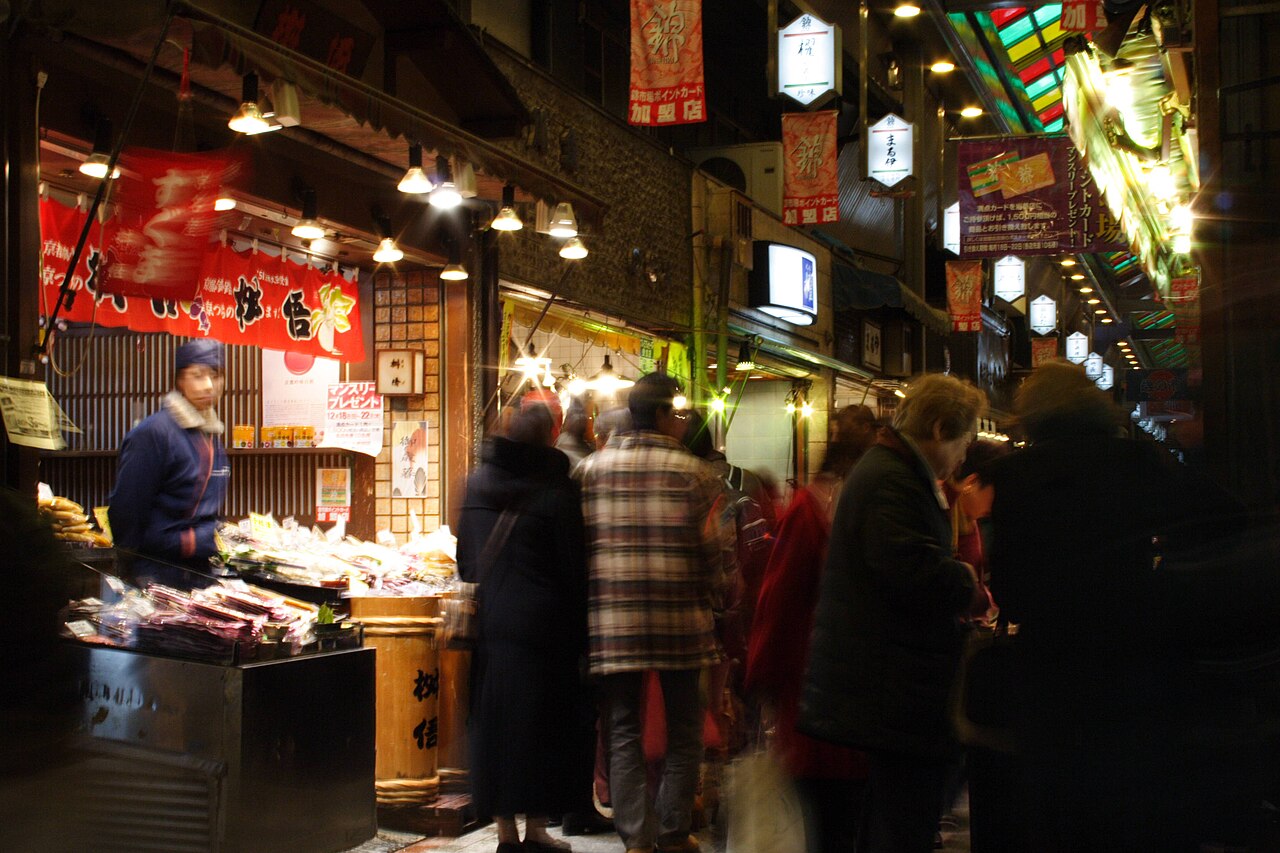
Nishiki Market
Covered arcade with 100+ food shops. Perfect for a few hours of tasting and shopping.
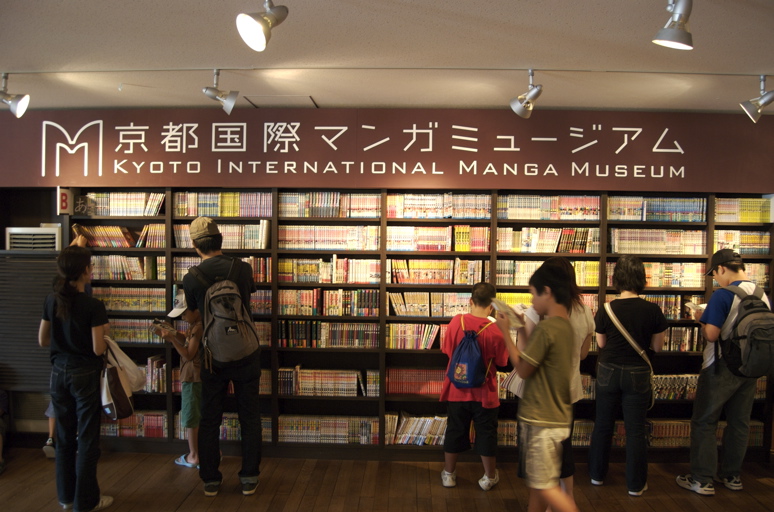
Kyoto International Manga Museum
50,000 manga to read freely. Housed in a former elementary school. Unique rainy day activity.
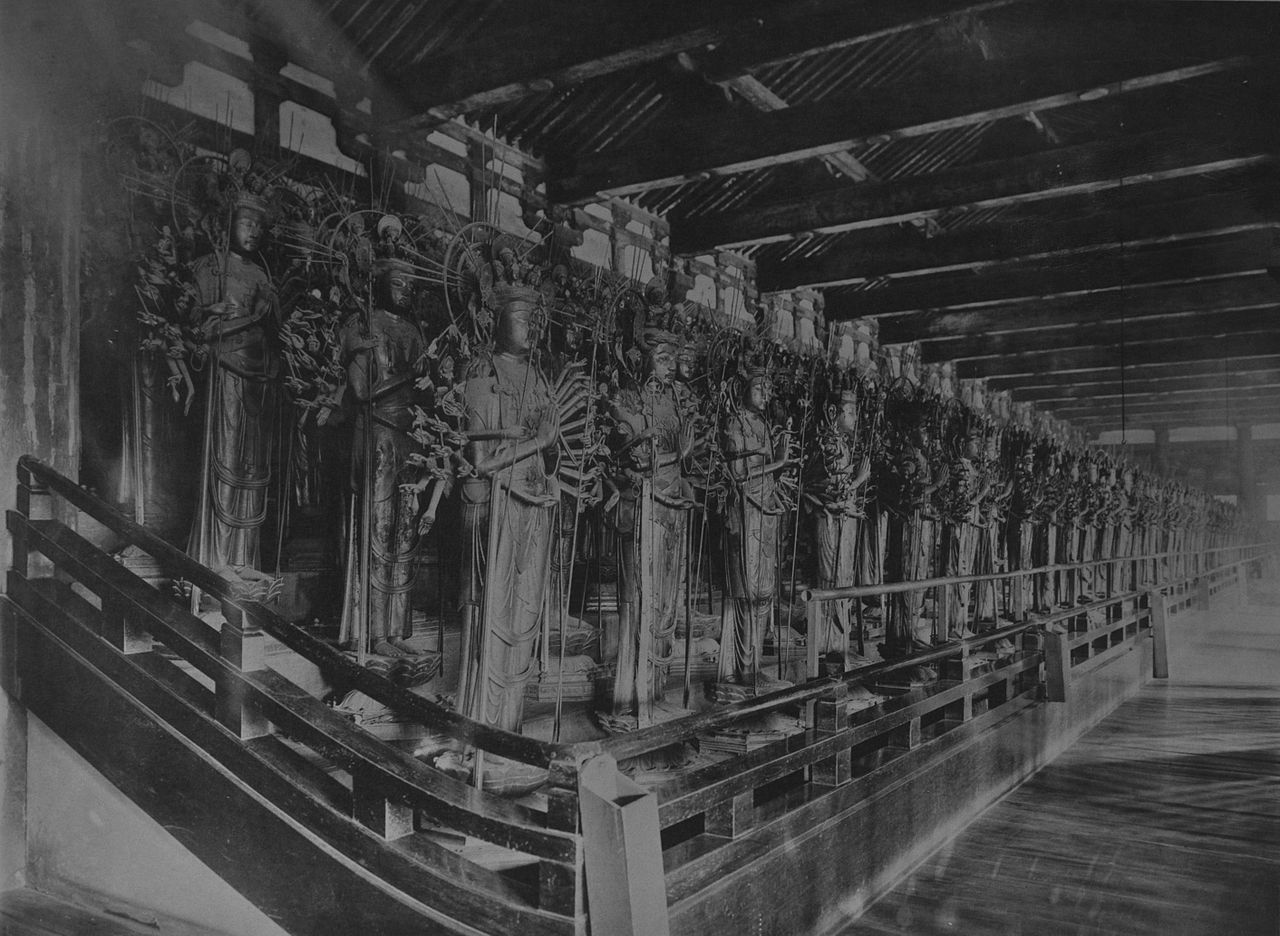
Sanjusangendo Temple
1001 life-size Kannon statues in a long hall. Mostly indoors, awe-inspiring sight.
Museum Hopping
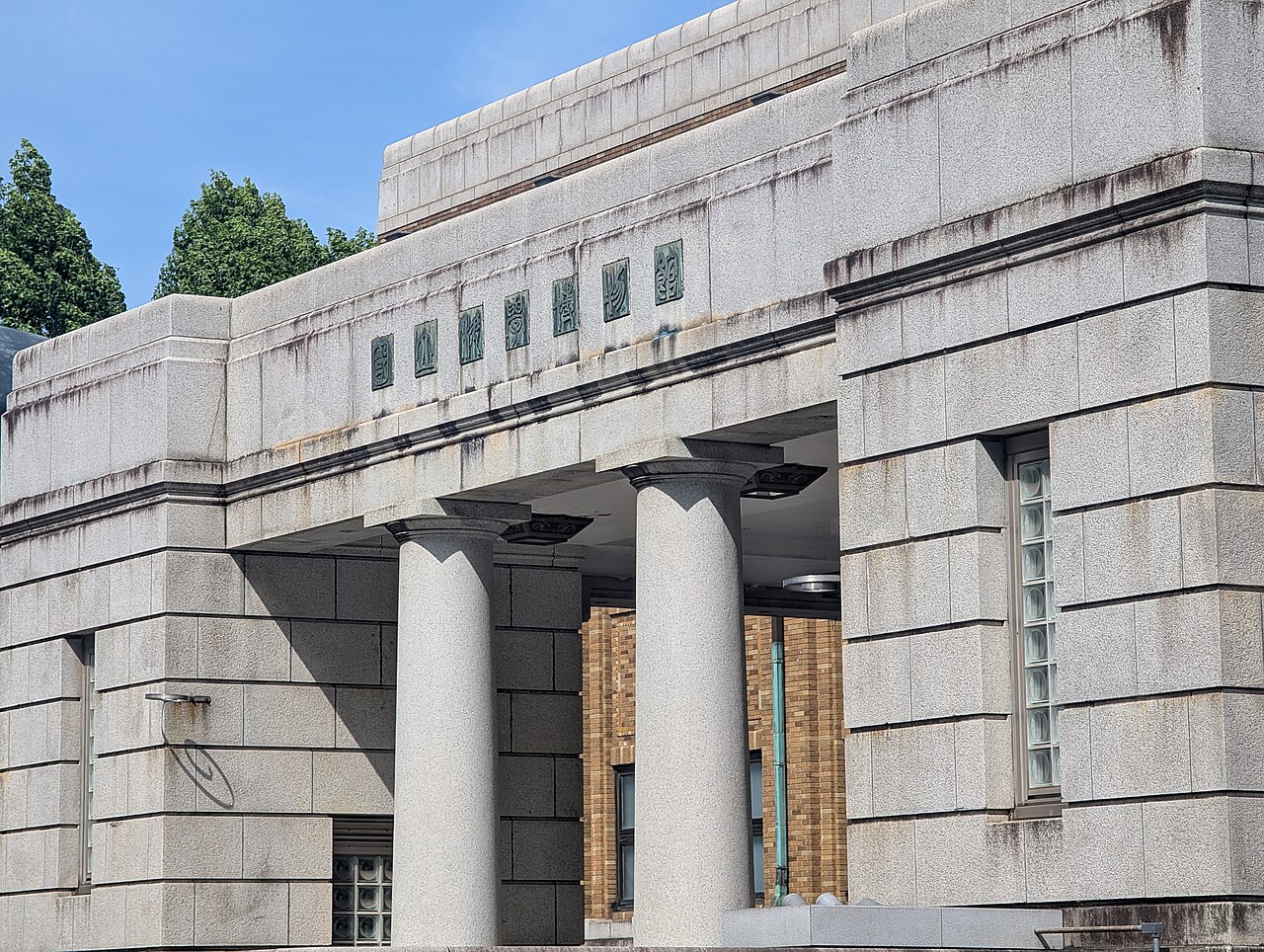
National Museum of Kyoto, Kyoto Railway Museum, and craft museums offer quality indoor time.
Temples in the Rain
Atmospheric Visits
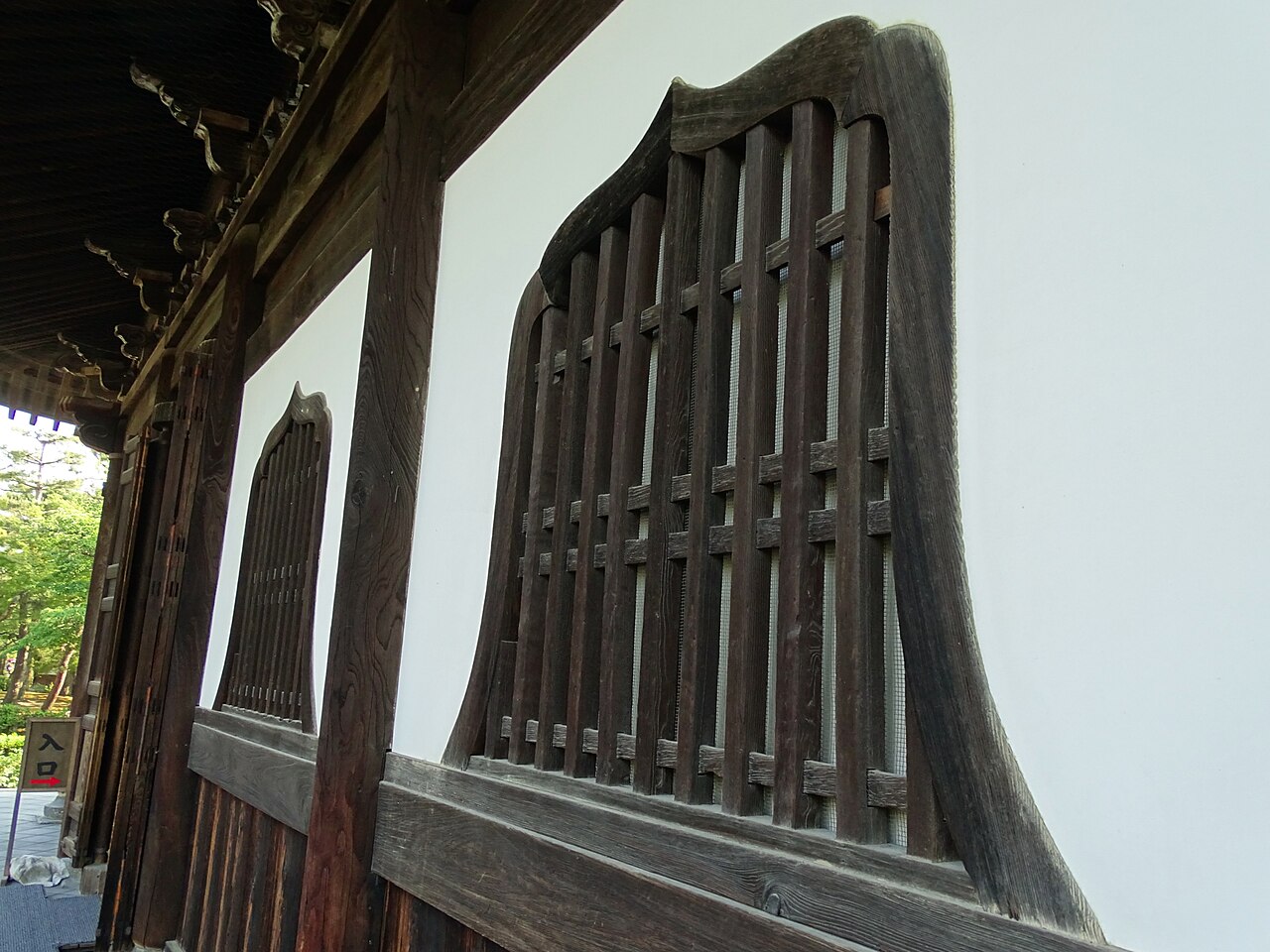
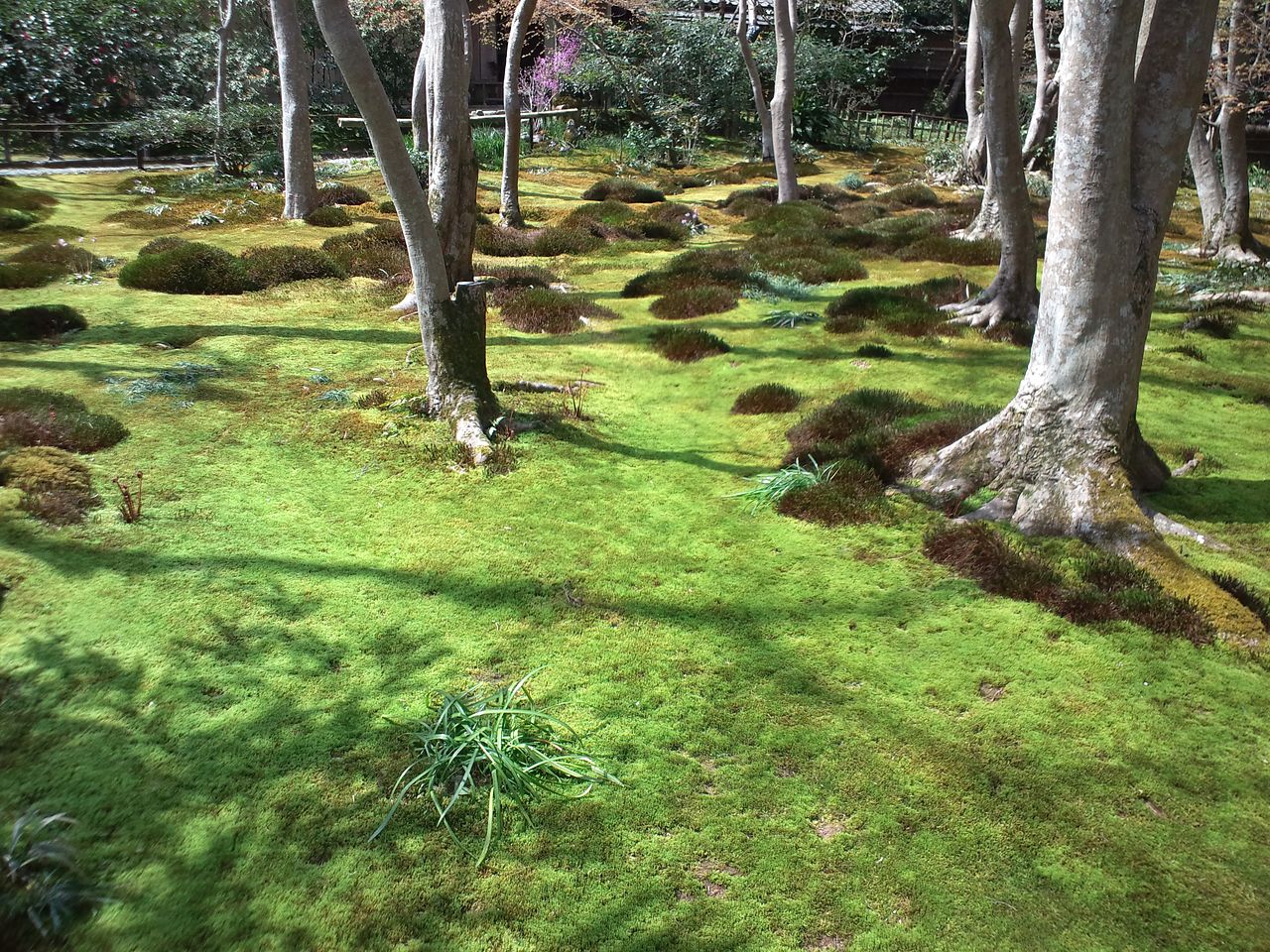
Some temples are more beautiful in rain. Moss gardens at Gio-ji and Kokedera shine when wet. Gardens at Kennin-ji can be viewed from covered corridors.
🎫 Indoor things to do in Kyoto on a rainy day
Reserve online ahead of time — popular slots sell out, and you skip the ticket line. Prices are a guide (from, USD); check the current price on Klook.
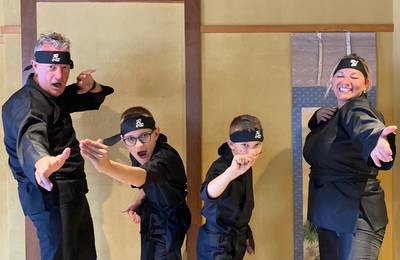
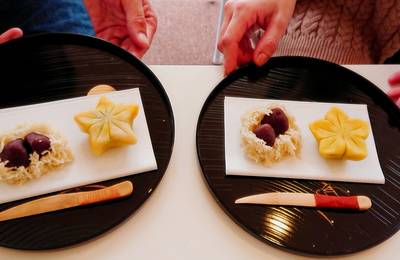
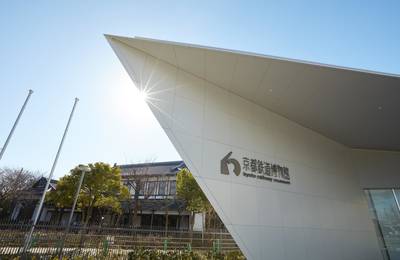
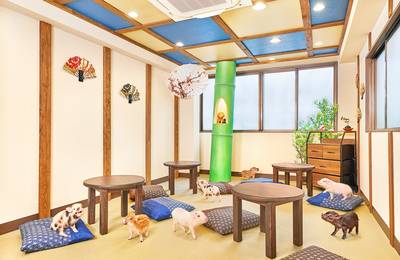

Affiliate links — we may earn a commission at no extra cost to you.
Tips
- Convenience stores: Sell cheap umbrellas (¥500-700).
- Shoes: Waterproof footwear essential for temple grounds.
Getting There
Arriving in Kyoto
From Kansai International Airport (KIX): Recommended (Premium): Take the 🔵 JR Haruka Limited Express from Terminal 1 directly to Kyoto Station in approximately 75–80 minutes. This is the most comfortable option during bad weather as it connects directly to the station complex. Budget: Airport Limousine Buses serve Terminal 1 and Terminal 2, dropping passengers at the Kyoto Station Hachijo Exit in approximately 85–100 minutes.
From Osaka Itami Airport (ITM): Recommended (Mid-range): Take the Airport Limousine Bus to Kyoto Station in approximately 50–55 minutes. This is often more convenient than trains for travelers with luggage, minimizing transfers in the rain.
From Osaka City: Take the JR Special Rapid Service from Osaka Station to Kyoto Station in approximately 29 minutes. Alternatively, the 🟤 Hankyu Line connects Osaka-Umeda to Kyoto-Kawaramachi (near covered shopping arcades) in approximately 45 minutes.
Getting Around in the Rain
While Kyoto is famous for its bus network, buses can be crowded and require waiting outdoors. On rainy days, prioritize the Kyoto Municipal Subway (Karasuma and Tozai Lines) to move between major districts while staying dry underground. Taxis are highly recommended for the “last mile” travel from stations to temples and shrines.
For covered shopping and dining, head to the Shijo-Kawaramachi area. This district is accessible via the 🟤 Hankyu Line (Kyoto-Kawaramachi Station) and the 🟢 Keihan Line (Gion-Shijo Station). IC cards like ICOCA, Suica, and PASMO are accepted on all trains, subways, and most buses and taxis.
Sources
- Tourism board: Kyoto Tourism
Last updated: 2026-02-03